Mona, an artificial intelligence platform that helps small businesses find financing and receive financial coaching, has raised an oversubscribed $3.5 million seed round led by Sandberg Bernthal Venture Partners, the venture fund of former Meta chief operating officer Sheryl Sandberg. The San Francisco-based company announced the round on 28 September 2026.
Alumni Ventures and Wisdom Ventures also participated, along with angel investors including former Google chief executive Eric Schmidt. Mona is additionally backed by the Mastercard Strive USA Innovation Fund.
The round is small by the standards of AI financing in 2026, when billion-dollar deals have become routine. But it addresses a problem that affects millions of entrepreneurs and has resisted technology solutions for years: how small businesses find, understand and secure the capital they need.
Founders who grew up behind the counter
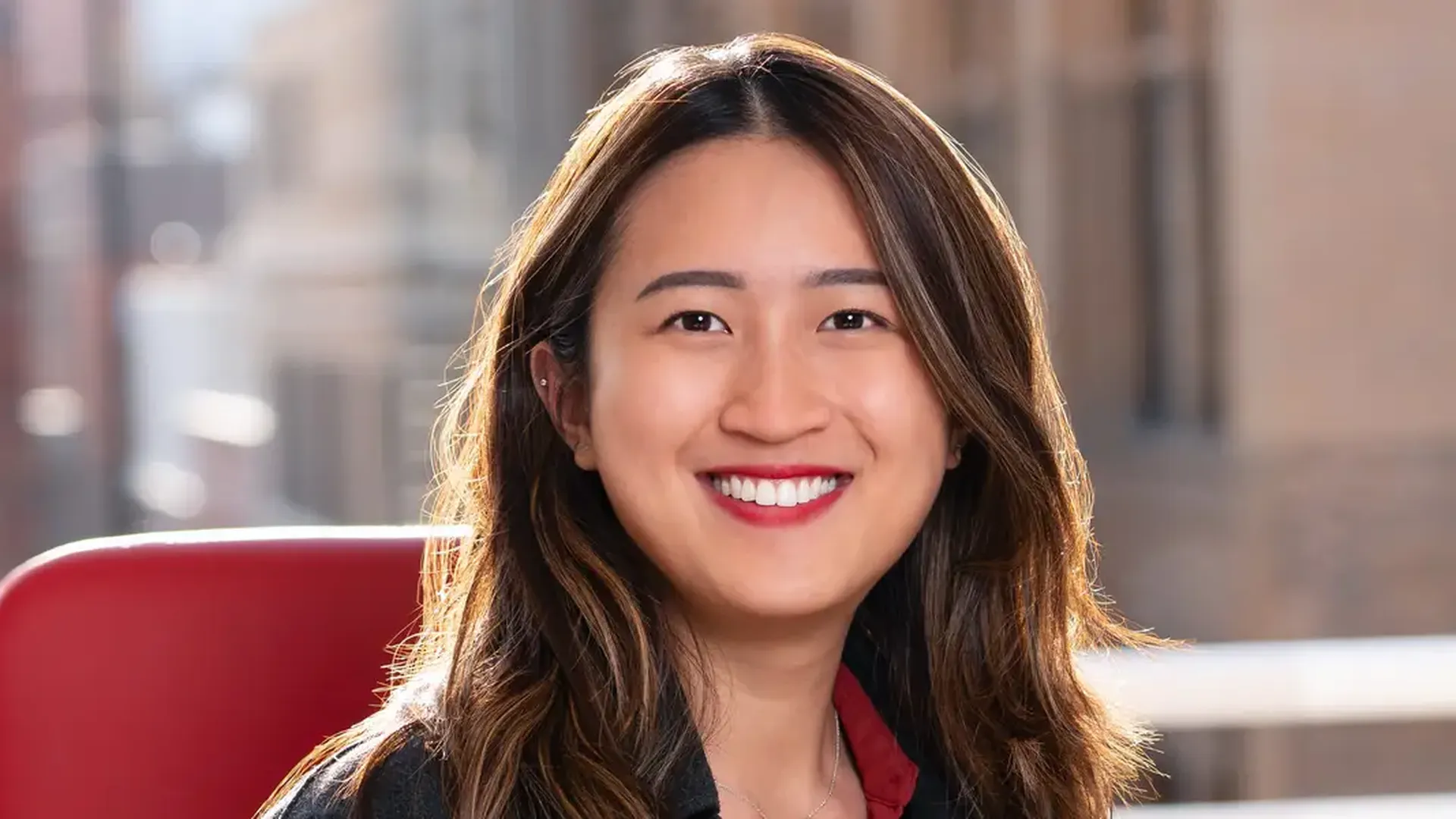
Mona was founded by Andrew Leon Hanna and Anny Dow, who met at the Stanford Graduate School of Business. Both drew on their families' experiences as immigrant small business owners in shaping the company's mission.
"Small businesses create the majority of net new jobs and are the heartbeats of our communities," Hanna said.
That personal history resonates with the company's customers. Many small business owners, particularly immigrants, women and people from communities historically under-served by banks, run their companies without accountants, financial advisers or relationships with lenders. When they need capital to buy equipment, hire staff or survive a slow season, they often turn to expensive short-term loans because they do not know what cheaper options exist.
How Mona works
Mona aims to close that gap. Small business owners complete a single common application on the platform. Mona's AI then identifies relevant funding opportunities from a fragmented landscape of lenders, government programmes, grants and other capital sources, streamlines the application process and provides guidance based on the owner's circumstances.
The platform combines AI with human expertise. Owners receive coaching on improving cash flow, reducing financial volatility and preparing for affordable financing. The company describes its aim as giving every entrepreneur access to the kind of trusted financial coach that larger companies take for granted.
"By pairing AI with human expertise, we're building toward a world where every entrepreneur can have a trusted financial coach in their corner to help them grow," the company said.
Early traction
Mona says it has already supported thousands of small businesses and helped entrepreneurs secure millions of dollars in affordable capital. Its early activity has been concentrated in Chicago, Detroit, Jacksonville, New York City and San Francisco. The company was recently named to Fast Company's World Changing Ideas list.
Through its partnership with Mastercard Strive USA, Mona will work with community development financial institutions (CDFIs), chambers of commerce and other small business support organisations to reach more entrepreneurs. CDFIs are mission-driven lenders that specialise in serving communities and borrowers that mainstream banks often overlook, and they are a natural channel for a platform like Mona.

The investor's view
Gareth Schweitzer, a partner at Sandberg Bernthal Venture Partners, explained why the firm led the round.
"Small businesses are the engine of the American economy, but there's a huge market gap in the tools, guidance, and resources available to them," he said. "Mona is closing that gap by leveraging AI to help small business owners find capital opportunities, apply for financing, and access high-quality coaching."
Sandberg Bernthal Venture Partners was founded by Sandberg and Tom Bernthal. Sandberg, the author of "Lean In", has long championed women's economic empowerment and entrepreneurship, and her fund's portfolio reflects an interest in companies that widen access to economic opportunity. Mona, with a co-founding team that includes a woman and a mission centred on under-served entrepreneurs, fits that pattern.
Why the capital gap persists
The difficulty small businesses face in obtaining finance is not new. Lenders find small loans expensive to underwrite relative to the income they generate, and many small businesses lack the formal financial records, credit histories and collateral that traditional underwriting requires. Government programmes and grants exist, but they are spread across many agencies and organisations, each with different eligibility rules and application processes.
The result is a mismatch. Money is available, but it does not reach many of the businesses that need it. Owners either give up or turn to high-cost products such as merchant cash advances, which can carry effective interest rates far higher than bank loans.
AI offers a way to reduce the cost of matching borrowers with appropriate products. By collecting information once and applying it across many potential funders, a platform can do in minutes what might take an owner weeks of research and form-filling. Coaching adds a second layer, helping businesses become more creditworthy over time rather than simply applying for whatever is available today.
Lessons for India
Mona's model has clear relevance beyond the United States. India has tens of millions of micro, small and medium enterprises (MSMEs), and many face a similar credit gap despite the growth of digital lending. The country's digital public infrastructure, including the Account Aggregator framework for sharing financial data with consent and the Open Credit Enablement Network, is designed to make lending to small businesses cheaper and faster.
Platforms that combine AI-driven matching with human guidance could help Indian entrepreneurs navigate a similarly fragmented landscape of bank loans, non-bank lenders, government schemes and credit guarantee programmes. Several Indian fintech companies are pursuing versions of this idea, and investors are watching how models like Mona's perform.
What comes next
The new funding will allow Mona to expand its AI platform, deepen its coaching capabilities and grow its partnerships with community organisations. The key measures of success will be the number of businesses served, the amount of affordable capital they secure and whether those businesses become financially healthier over time.
For the founders, the mission remains personal. Their families' experiences running small businesses as immigrants shaped their understanding of how hard it can be to access capital without connections or expertise. With backing from some of the most recognisable names in technology and finance, Mona now has the resources to test whether AI can make that journey easier for millions of entrepreneurs who have long been left to navigate it alone.