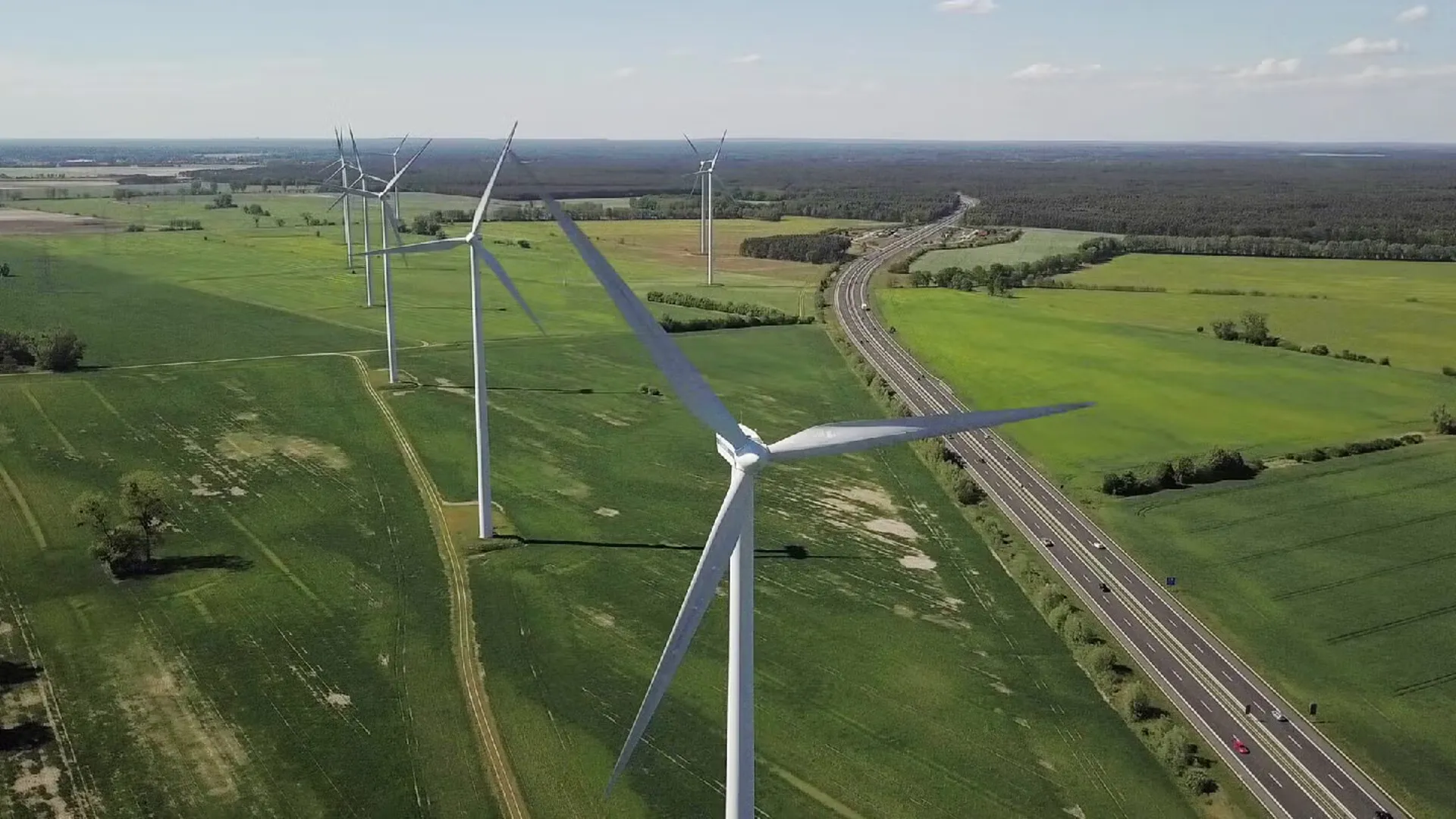
Navaris, the newly launched brand of renewable-energy investor and developer Qualitas Energy, has secured 11 onshore wind projects with a combined capacity of 304.5 MW in Germany’s latest onshore wind auction, Power Technology reported on Wednesday, September 23.
The company received approval for every bid it submitted, covering 46 wind turbines and accounting for more than 12% of the total capacity allocated in the tender round, according to the report.
Once operational, the projects are expected to generate enough renewable electricity to supply approximately 200,000 households, supporting regional decarbonisation and Germany’s national climate goals.
A strong start for a new brand
The results mark an early milestone for Navaris, which Qualitas Energy recently launched as a new brand for its German activities. The company currently manages 1.3 GW of renewable-energy assets in Germany, according to Power Technology.
“Securing awards for 100% of our bids is an outstanding achievement and a strong endorsement of the quality of our project portfolio, our development capabilities and the dedication of our teams across Germany,” Navaris chief executive Johannes Overbeck said, according to Power Technology.
“This success demonstrates the scale and maturity of our platform and provides further momentum as we begin the next chapter of our journey under the Navaris name,” he added.
An oversubscribed auction
The auction, run by Germany’s Federal Network Agency, the Bundesnetzagentur, closed for bids on August 1, 2026, and offered 2,520 MW of capacity. It attracted 461 bids with a combined volume of about 5,250 MW — roughly twice the capacity available — according to Windtech International.
The agency awarded 237 bids totalling 2,523 MW, while 17 bids were excluded. Successful bids in the pay-as-bid auction ranged from €0.0449 to €0.0498 per kilowatt-hour, and the volume-weighted average award price fell to €0.0479 per kWh from €0.0506 in the previous round.
Lower Saxony received the largest share of awarded capacity, with 81 awards totalling 836 MW, followed by North Rhine-Westphalia with 42 awards totalling 430 MW and Rhineland-Palatinate with 17 awards totalling 336 MW, according to Windtech International.
Why prices are falling
Strong competition has pushed prices down. Bundesnetzagentur president Klaus Müller said the level of competition was reflected in the continued decline in award prices, Mercom reported.
Germany sets a ceiling price for onshore wind auctions — €0.0725 per kWh in 2026 — and developers compete by bidding below it. When auctions are heavily oversubscribed, developers must bid more aggressively to win, which reduces the support costs borne by electricity consumers.
For developers, falling prices create a balancing act. Lower tariffs mean thinner margins, and developers must ensure their projects remain financially viable given construction costs, turbine prices and financing costs, which have risen as interest rates have climbed.
The industry association has warned that intense competition could put pressure on project economics, Renewables Now reported. Winning bids must translate into built projects, and very low tariffs can increase the risk that some projects are delayed or abandoned if costs rise.
Germany’s onshore wind revival
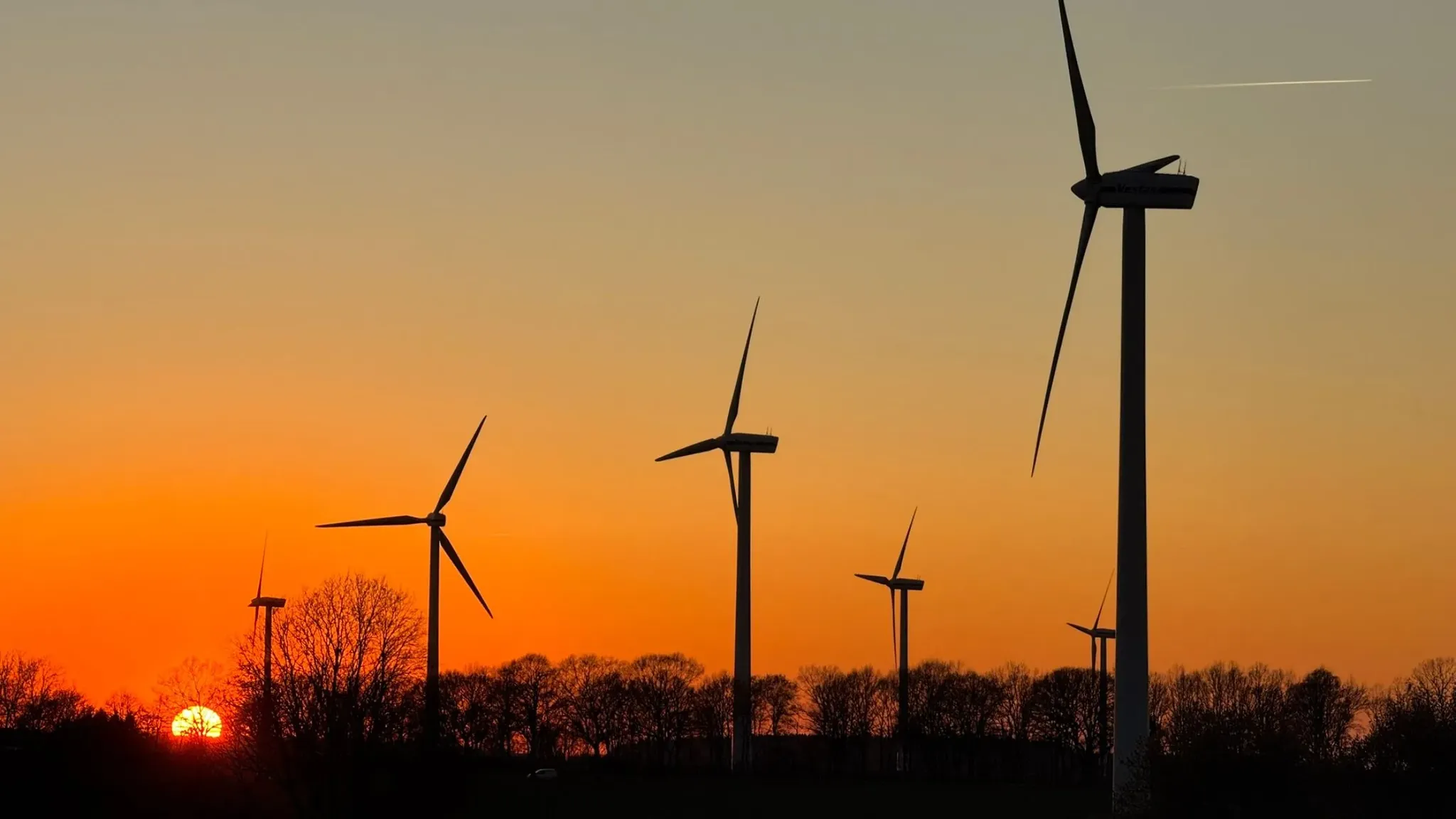
The strong auction results reflect a significant revival in German onshore wind. For several years, the sector struggled with lengthy permitting processes, legal challenges and undersubscribed auctions, which slowed deployment and threatened the country’s energy-transition targets.
Reforms to accelerate permitting and designate more land for wind power have helped reverse that trend. Oversubscribed auctions indicate that developers now have a substantial pipeline of permitted projects ready to compete for support.
That matters for Germany’s broader energy strategy. The country is phasing out coal and has already shut down its nuclear plants, making the rapid expansion of renewable energy essential for decarbonisation and energy security. Onshore wind is one of the lowest-cost sources of new electricity in Germany and a central pillar of its Energiewende, or energy transition.
Qualitas and Navaris
Qualitas Energy, the group behind Navaris, invests in and develops renewable-energy projects across Europe and the Americas. Consolidating its German operations under a single brand gives the company a clearer identity in one of Europe’s largest renewable markets, where local presence and relationships with municipalities and landowners are critical to securing sites and permits.
Its 100% success rate suggests that its bids were priced competitively and that its projects were sufficiently advanced — with permits in place — to qualify, both of which are important signals of a mature development pipeline.
Developers with deep pipelines of permitted sites are best placed to benefit from Germany’s improving auction environment, since they can compete repeatedly across successive rounds rather than relying on a single tender.
What comes next
The awarded projects will now move through procurement, financing and construction according to their individual schedules. Navaris will need to secure turbines, arrange financing and complete construction across 11 sites.
The next onshore wind auction is scheduled to close for bids on November 1, 2026, according to Mercom — giving developers another opportunity to secure support as Germany continues to expand its renewable capacity.
A European signal
Germany’s auction results are closely watched across Europe as an indicator of the health of the wind industry. After a difficult period marked by supply-chain disruptions, rising costs and financial strain among turbine manufacturers, oversubscribed auctions with falling prices suggest that the market is regaining momentum.
Industry coverage from Windtech International has reported that Europe is on track for record wind installations in 2026 — a sign that policy reforms and investor appetite are beginning to translate into deployment.
Lessons for India
India, too, is expanding wind capacity as part of its clean-energy targets, and state and central agencies run competitive auctions for wind and hybrid projects. Germany’s experience shows how streamlining permitting and ensuring a pipeline of ready projects can create competitive auctions that lower costs for consumers — lessons relevant to any country seeking to accelerate renewable deployment.
The bottom line
For Navaris, winning every bid it submitted and more than 12% of the awarded capacity is a strong debut under its new name. For Germany, the oversubscribed auction and falling prices show that onshore wind is once again a competitive, fast-growing part of the country’s energy mix. The challenge now is to turn awards into turbines — delivering projects on time and on budget in a market where margins are tightening.