WomenEntrepreneurship5 MIN READ

Nepal Launches a Programme to Train 200 Rural Women Entrepreneurs in Money and Digital Skills, With Trainers From India's Bindi International

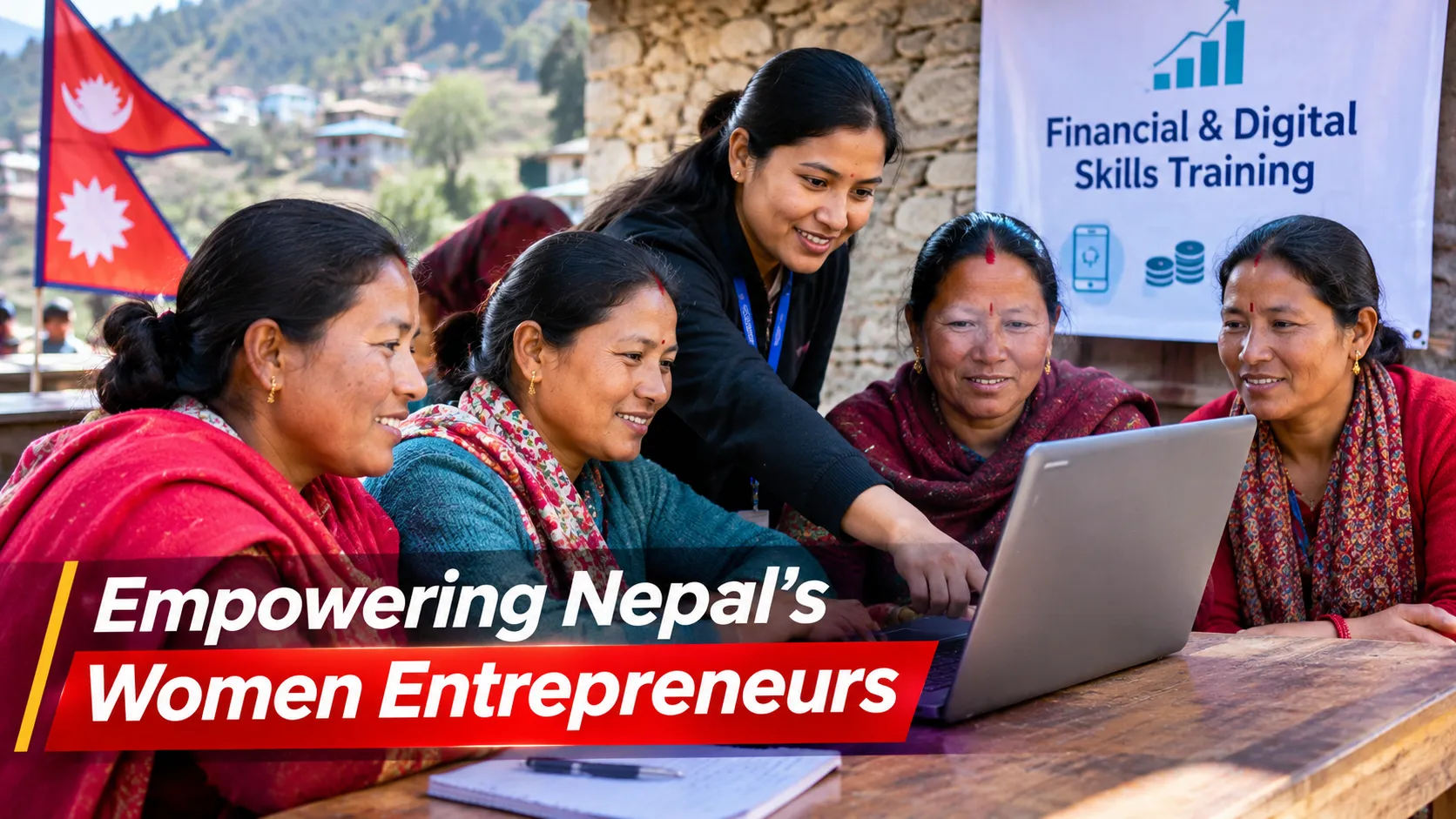
The Federation of Business and Professional Women Nepal launched a 15-day programme in Kathmandu on November 24 to train 18 women from 11 districts as master trainers, who will then teach financial and digital skills to more than 200 rural women entrepreneurs. Trainers come from Bindi International, an India-based organisation, and the project is supported by Australian Aid and Assisi Aid Projects, the Kathmandu Post reported.

By Prathista Lazar · Author25 November 2026New
Nepal Launches a Programme to Train 200 Rural Women Entrepreneurs in Money and Digital Skills, With Trainers From India's Bindi International

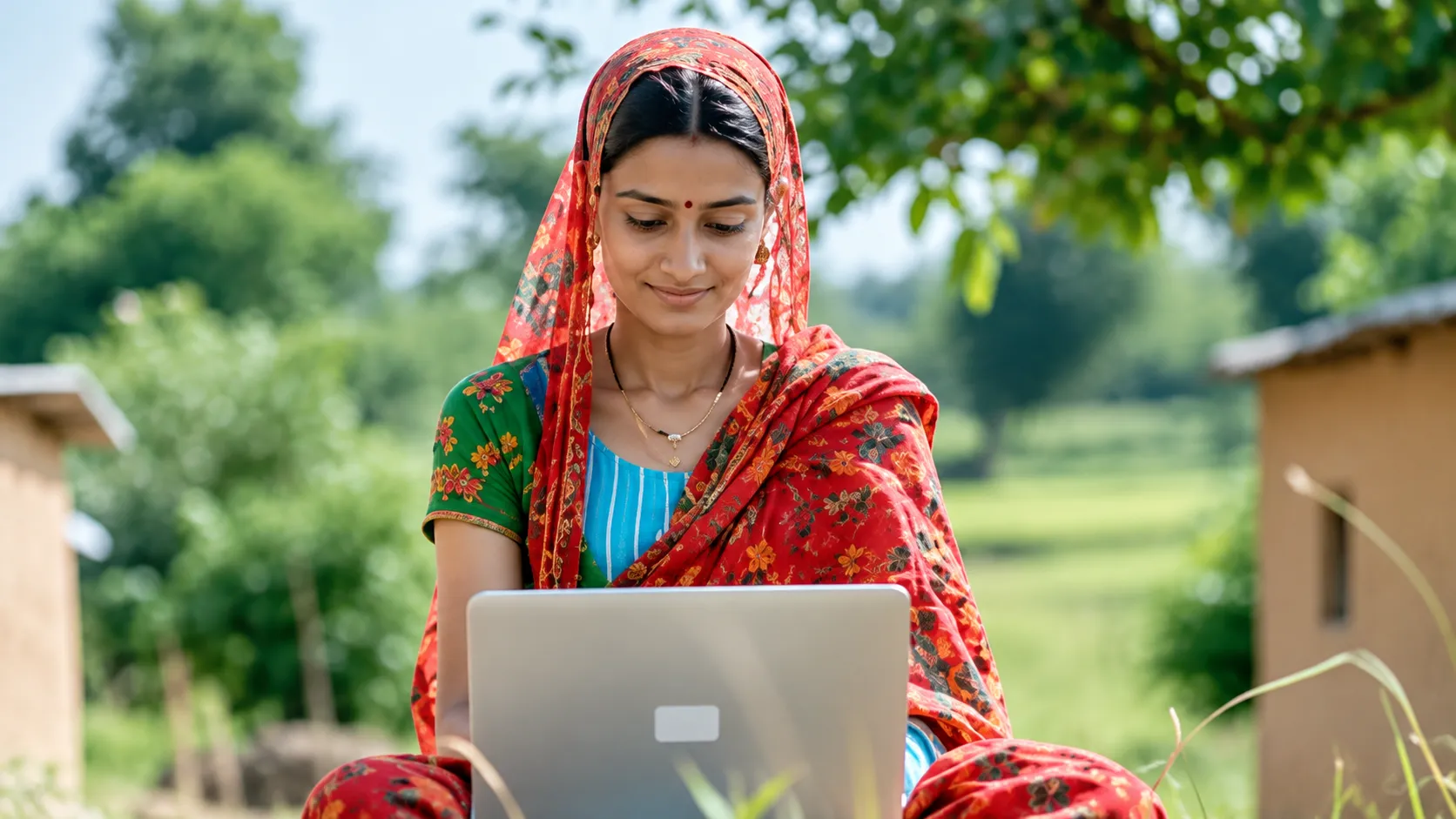
In the villages of Nepal, women run small shops, farms, tailoring units and food businesses that sustain their families. Many have never had formal training in managing money or using digital tools. A new programme aims to change that, with help from India.

The Federation of Business and Professional Women Nepal (BPW Nepal) launched a training programme in Kathmandu on Tuesday, November 24, under its Empowering Women Entrepreneurs in Rural Nepal project, the Kathmandu Post reported.

The 15-day programme will train 18 women from 11 districts across six provinces as master trainers. They are expected to go on to train more than 200 women entrepreneurs in their own communities.

Indian expertise

The training is facilitated by trainers from Bindi International, an organisation based in India, according to the report. The project is supported by Australian Aid and Assisi Aid Projects.

The involvement of Indian trainers reflects the close social and economic ties between India and Nepal, as well as India's experience in programmes that empower rural women, including the large-scale self-help group movement that has helped millions of Indian women start and grow businesses.

The master trainer model

The programme uses a "train the trainer" approach. Rather than training all participants directly, it builds the skills of a smaller group of master trainers, who then pass on their knowledge to others in their communities.

This model can extend the reach of a programme far beyond what organisers could achieve on their own. Master trainers who come from the same communities as participants often understand local conditions, languages and challenges, making their training more relevant and trusted.

With 18 master trainers expected to reach more than 200 women, the programme aims for a significant multiplier effect. If those women in turn share their knowledge with family members and neighbours, the impact could spread further.

Why financial and digital skills matter

Financial literacy, the ability to manage money, keep accounts, understand credit and plan for the future, is essential for running a sustainable business. Many rural women entrepreneurs operate informally, without separating business and household finances, which can make it difficult to track profits, access loans or plan investments.

Digital skills are increasingly important as payments, banking and commerce move online. Mobile banking and digital wallets have expanded rapidly in Nepal, and digital tools can help women entrepreneurs receive payments, reach customers, access market information and connect with suppliers.

Women and the economy in Nepal

Women play a central role in Nepal's economy, particularly in agriculture and small businesses. Large-scale labour migration of men to the Gulf, Malaysia and India has left many women managing households, farms and businesses on their own, increasing the importance of their economic independence.

However, women in Nepal face significant barriers, including limited access to finance, property ownership, education and markets. Programmes that build skills and confidence can help women grow their businesses and improve their families' livelihoods.

The broader South Asian picture

Across South Asia, women's economic participation remains lower than in many other regions. Governments, non-governmental organisations and development agencies have launched numerous programmes to support women entrepreneurs, including microfinance, skills training and market linkages.

India's experience has been particularly influential. Its self-help group movement, supported by the National Rural Livelihoods Mission, has organised millions of women into groups that save together, access bank credit and run enterprises. Digital payments through UPI have also opened new opportunities for women-led businesses.

“When one rural woman learns to manage money and use digital tools, she rarely keeps that knowledge to herself.”
— TIGI Women Desk

Sharing such experiences across borders can help neighbouring countries design effective programmes.

Development partnerships

The involvement of Australian Aid reflects Australia's development cooperation with Nepal, which includes support for women's empowerment, education and economic development. Assisi Aid Projects is an Australian non-profit organisation that supports community development in South Asia.

International partnerships can provide funding, expertise and networks that local organisations may lack, while local partners such as BPW Nepal ensure programmes are rooted in community needs.

India–Nepal ties

The programme comes days after India announced a ₹15,000 crore economic package for Nepal during Prime Minister Balendra Shah's state visit, covering flood reconstruction, energy and infrastructure. People-to-people links, including collaboration on skills and women's empowerment, complement these large-scale economic commitments.

00917730-6380-4bae-973c-3d2cde6b12e5.png

What it means for the diaspora

For members of the Indian and Nepali diaspora, initiatives like this highlight opportunities to support women entrepreneurs in their home regions through mentorship, investment, market access and philanthropy. Diaspora networks can help women-led businesses reach new customers and sources of capital.

Measuring impact

Women's empowerment programmes increasingly track outcomes such as income growth, business survival rates, access to credit and the adoption of digital payments. Clear measurement helps donors and organisers understand what works and refine their programmes.

For the master trainer model, tracking how many women are reached and how their businesses change will be key to demonstrating impact.

The role of business associations

Business and professional women's associations play an important role in supporting women entrepreneurs by providing networks, advocacy and training. BPW Nepal is part of an international federation of business and professional women's organisations active in many countries.

Such networks can help women entrepreneurs connect with peers, mentors and markets beyond their local communities.

Digital payments in Nepal

Nepal has seen rapid growth in digital payments, with mobile wallets and QR code payments becoming common in cities. Cross-border payment links with India, including connections to UPI, have been discussed and partially implemented, making digital skills increasingly valuable for small businesses that trade across the border.

Why the multiplier matters

Development organisations often face the challenge of reaching large numbers of people with limited budgets. Programmes that train local leaders to teach others can be far more cost-effective than direct training, and they build lasting capacity within communities.

The women trained as master trainers also gain leadership experience and recognition, which can strengthen their own businesses and their influence in local economic life.

Lessons for India

India's own programmes for rural women entrepreneurs, including those run through self-help groups and state livelihood missions, offer lessons on scaling training and connecting women to credit and markets. Cross-border learning can help both countries improve their approaches.

What comes next

The master trainers will complete their 15-day programme and return to their districts to train women entrepreneurs. The success of the initiative will be measured by whether participants are able to improve their financial management, adopt digital tools and grow their businesses, potentially providing a model for similar programmes across the region.

Tagswomen entrepreneursrural womenNepalBPW NepalBindi Internationalfinancial literacydigital skillswomen empowermentAustralian AidAssisi Aid Projectsmaster trainersSouth AsiaIndia Nepalmicroenterprisefinancial inclusiondigital paymentsself-help groupswomen in businessimpactentrepreneurship

Reader reviews

Sign in to rate and review this article.
Loading reviews…

