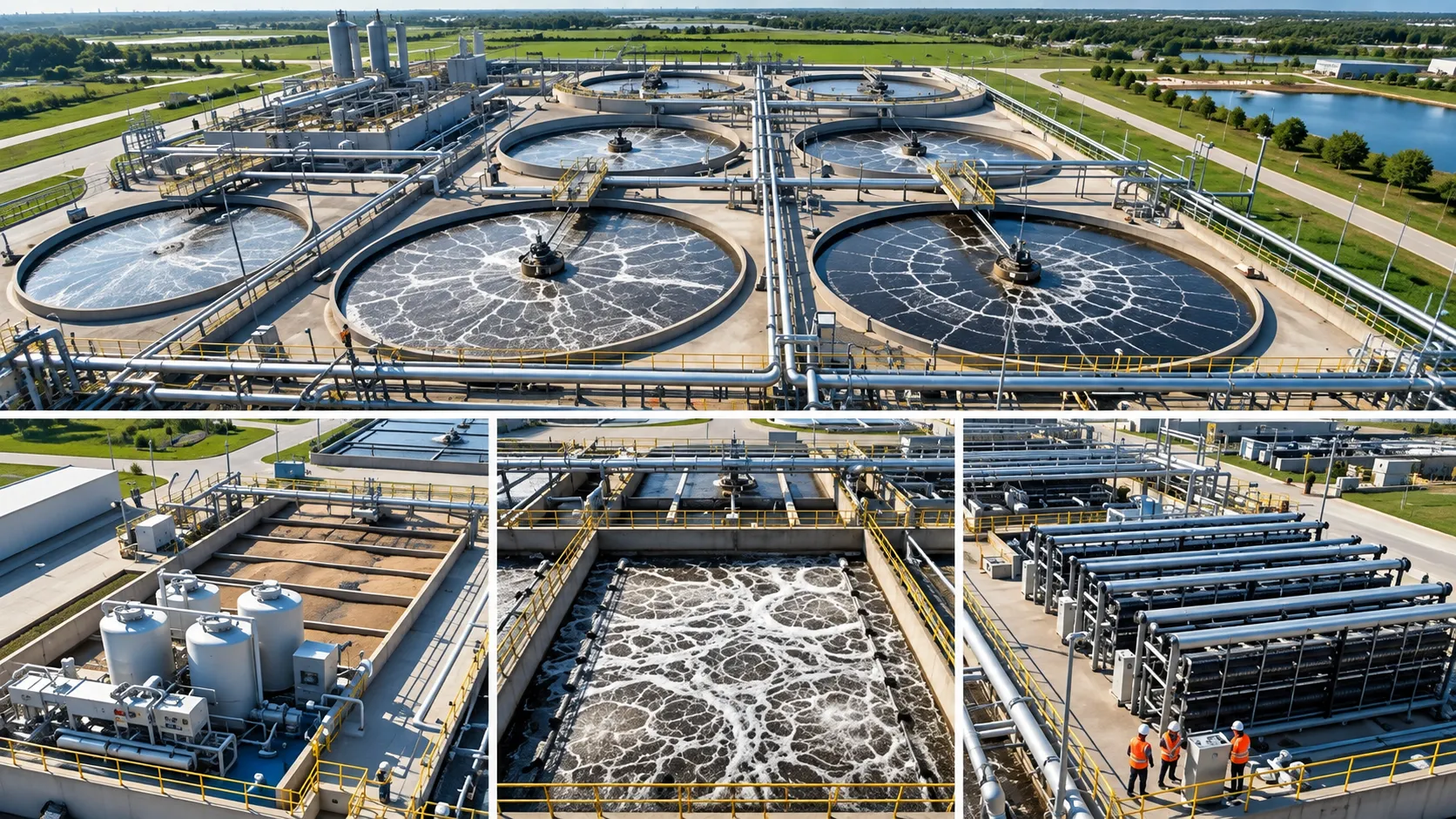
Few pieces of infrastructure are as essential, or as neglected, as the sewage treatment plant. In India, where rapid urbanisation has outpaced sanitation infrastructure for decades, the gap between the wastewater cities generate and the wastewater they treat remains one of the country's most serious environmental problems. A young startup, Neuromod Aqua, is betting that part of the answer lies in treating treatment plants less like construction projects and more like manufactured products.
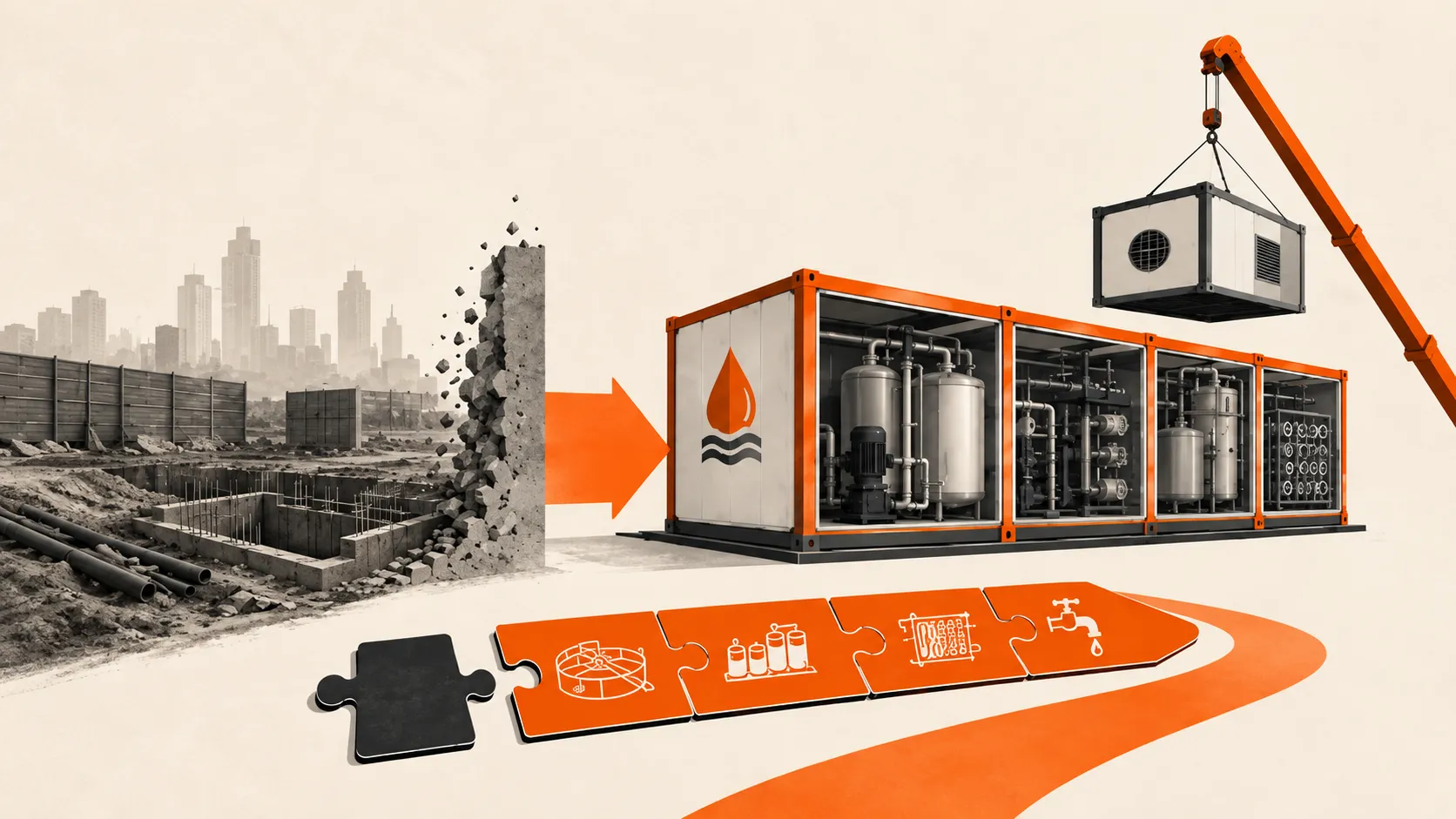
Neuromod Aqua was founded in 2026 and was featured by Inc42 among its startups to watch. The company builds modular treatment systems for sewage and industrial effluent. Its portfolio spans sewage treatment plants (STPs), effluent treatment plants (ETPs), reverse osmosis systems, zero-liquid-discharge units and demineralisation plants. The core idea is to standardise designs that have traditionally been engineered from scratch for each site, and to manufacture the modules in a controlled factory environment before deploying them where they are needed.
The problem with bespoke plants
Designing a wastewater plant in India has typically been expensive, slow and difficult to maintain. Each project requires civil works, site-specific engineering and on-site fabrication, which stretches timelines and creates variability in quality. Many plants built to meet regulatory requirements in residential complexes, hotels and commercial buildings end up underperforming or idle because operators lack the expertise to run them, spare parts are hard to source, or the design was poorly matched to actual load.
The scale of the national gap is well documented. According to the Central Pollution Control Board's 2021 national inventory, urban India generated about 72,368 million litres of sewage a day, against installed treatment capacity of roughly 31,841 million litres a day, and only around 20,236 million litres a day was actually treated. In other words, less than a third of urban sewage was being treated, with the rest flowing into rivers, lakes, groundwater and the sea. Capacity has expanded since then under national missions, but the gap between installed capacity and effective treatment remains wide.
The factory model
Neuromod's systems draw on established biological treatment technologies, including moving bed biofilm reactors (MBBR), membrane bioreactors (MBR) and sequencing batch reactors (SBR). None of these is new. What the company is trying to change is how they are packaged and delivered. By manufacturing modules in a factory and assembling them on site according to requirements, it aims to shorten project timelines, improve consistency and simplify maintenance.
Modular approaches have transformed other infrastructure categories, from solar power plants to prefabricated buildings. In water treatment, containerised and skid-mounted systems are already common for smaller industrial applications globally. Neuromod's bet is that Indian customers, particularly real estate developers, hospitality firms and infrastructure projects, are ready for a more productised offering at scale.
The business model extends beyond one-time equipment sales. The company expects recurring revenue from monitoring and maintenance contracts, which addresses the chronic problem of plants that are installed but not properly operated. Remote monitoring of water quality, energy use and equipment health can alert operators to problems before they cause failures, and gives building owners evidence of regulatory compliance.
Who the customers are
Neuromod is targeting real estate developers, hospitality businesses and infrastructure projects, segments where water recycling and wastewater compliance are becoming operational necessities rather than optional investments. Many Indian states and cities require large residential and commercial developments to install on-site STPs and to reuse treated water for flushing, landscaping and cooling. Hotels and resorts, particularly in water-stressed or ecologically sensitive regions, face similar obligations and rising water costs.
Water scarcity has sharpened the business case. Bengaluru's severe water shortage in 2024 forced many apartment complexes to rely on expensive tanker supplies and pushed residents' associations to invest in recycling. Chennai, Hyderabad, Delhi and parts of Maharashtra face recurring stress. This year's weak, El Niño-affected monsoon has added to concerns. For a building that recycles a large share of its wastewater, every litre reused is a litre not bought from a tanker.
Industrial effluent is a second market. Factories in textiles, chemicals, pharmaceuticals and food processing face tightening discharge norms, and in several river basins regulators have mandated zero liquid discharge. Modular ZLD and ETP systems could appeal to small and medium manufacturers that cannot afford bespoke engineering.
The market opportunity and the challenges
India's wastewater treatment market is projected to become a $19.4 billion opportunity by 2034, according to industry estimates cited by Inc42. That growth is being driven by urbanisation, regulatory enforcement, water scarcity and public investment through missions such as AMRUT and Namami Gange.
The challenges are real. The water treatment market is crowded with established engineering companies, equipment suppliers and local contractors. Customers, particularly developers, are often price-sensitive and may treat STPs as a compliance cost to minimise rather than an asset to optimise. Proving that modular systems perform reliably across India's varied wastewater characteristics, climates and site conditions will take time and reference installations.
There is also a policy tailwind. Urban local bodies are under pressure to raise the reuse of treated wastewater, and several states have set targets for supplying treated water to industry and power plants. Thermal power stations near cities, for example, have been directed in the past to use treated sewage for cooling where it is available. That creates potential bulk buyers for recycled water and could, over time, turn treatment plants from cost centres into revenue-generating assets for their owners.
The road ahead
Neuromod's near-term plans are practical: validate its sewage treatment plant design, complete its first commercial deployments and expand its service capabilities. Those milestones will determine whether the factory model can deliver the promised speed and reliability in the field.
For investors in climate and sustainability, companies like Neuromod represent a category that has received less attention than solar or electric vehicles but addresses an equally pressing problem. Water reuse is one of the most direct forms of climate adaptation available to Indian cities, and the combination of regulation, scarcity and rising costs is creating paying customers.
The question the company must answer is whether India is ready to buy its sewage treatment plants off a production line. If it can show that modular plants are faster to install, cheaper to run and easier to maintain, it has a chance to become a meaningful player in a market that matters enormously for public health and the environment. India's water crisis will not be solved only by finding new water, but by reusing the water it already has, and that requires treatment plants that actually work.