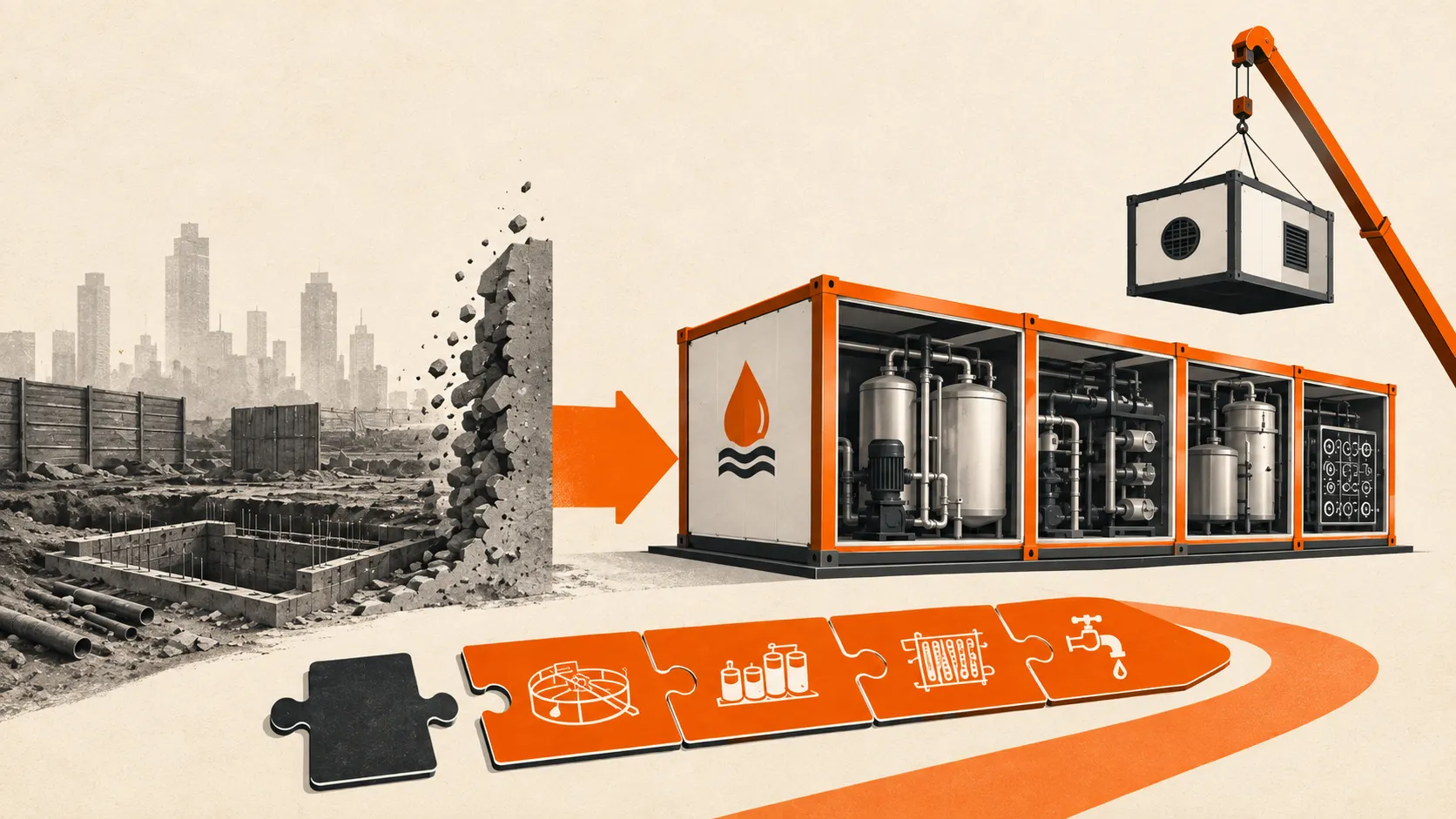
Neuromod Aqua, an Indian water-infrastructure startup led by founder and chief executive Anuj Arora, has raised pre-seed funding from Porush Jain, founder of the sports media platform Sportskeeda, according to disclosures reported on 19 August 2026. The company builds factory-manufactured, modular plants for decentralised sewage and effluent treatment, and says the new capital will help establish its manufacturing platform, develop and validate its productised sewage treatment plant, and complete initial commercial deployments.
The undisclosed amount reflects the early stage of the venture, but the identity of the backer is notable: Jain built his reputation and capital in sports media and digital publishing, a sector with little obvious overlap with water infrastructure — underscoring how individual angel investors in India are increasingly deploying personal wealth across sectors far removed from the industries where they made their money, drawn instead by broader climate and infrastructure themes.
India's wastewater treatment gap remains one of the country's most persistent environmental and public health challenges. A large share of sewage generated across Indian cities and peri-urban areas is discharged untreated or only partially treated, owing to insufficient centralised treatment capacity, ageing municipal infrastructure, and the high capital and land costs associated with building large, centralised sewage treatment plants — particularly in smaller towns and rapidly urbanising peri-urban belts that fall outside the service areas of major metropolitan utilities.
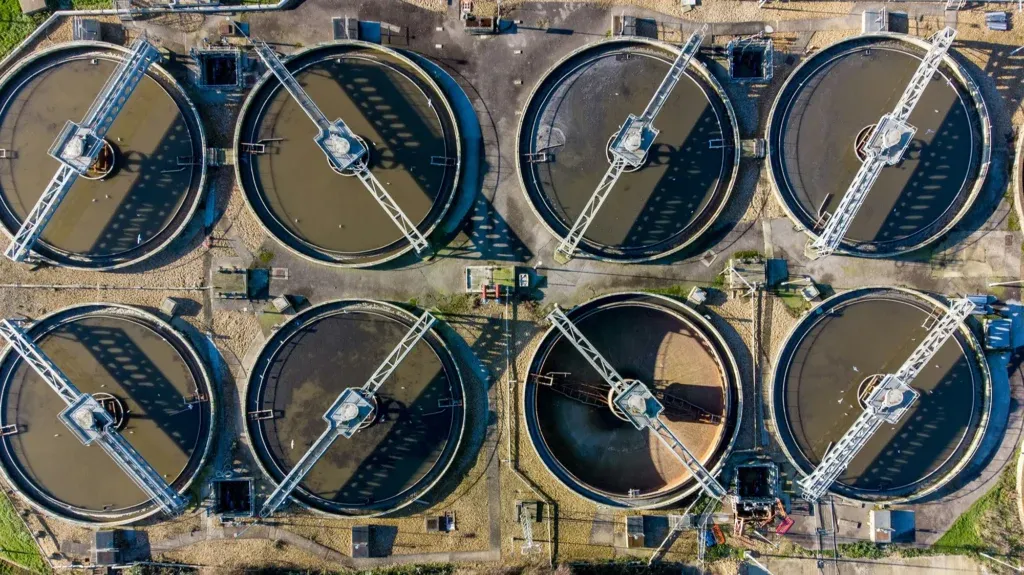
Neuromod Aqua's factory-built, modular approach targets that gap directly. Rather than requiring a bespoke civil-engineering project for each new treatment facility — the standard model for large sewage treatment plants — the company manufactures standardised units off-site that can, in principle, be transported and deployed more quickly and at lower cost, and scaled incrementally as demand grows. This approach mirrors a broader global shift in water and wastewater infrastructure toward modular, factory-built systems, which have gained traction as a way to compress construction timelines and reduce the site-specific engineering costs that have historically made small-scale treatment plants uneconomical.
For India specifically, decentralised treatment capacity has taken on added urgency as urban and peri-urban water stress intensifies alongside continued population growth in tier-2 and tier-3 cities, many of which lack the treatment infrastructure of established metros. Real estate developers, industrial parks and municipal bodies operating outside the coverage of centralised sewage networks represent a potential customer base for modular systems that can be deployed on a smaller footprint and shorter timeline than conventional treatment plants.
The pre-seed round positions Neuromod Aqua at an early, high-risk stage of commercialisation: the company has yet to complete its first fully validated commercial deployments, and the capital raised will be directed specifically toward reaching that milestone rather than toward broad-based expansion.
Water infrastructure has increasingly featured in Indian climate-tech investment conversations through 2026, alongside more heavily capitalised categories such as solar, battery storage and electric mobility. Neuromod Aqua's raise, while small in absolute terms, adds to a growing cohort of Indian startups attempting to apply manufacturing-led, modular approaches to infrastructure categories that have traditionally been the preserve of large civil-engineering contractors and public-sector utilities.