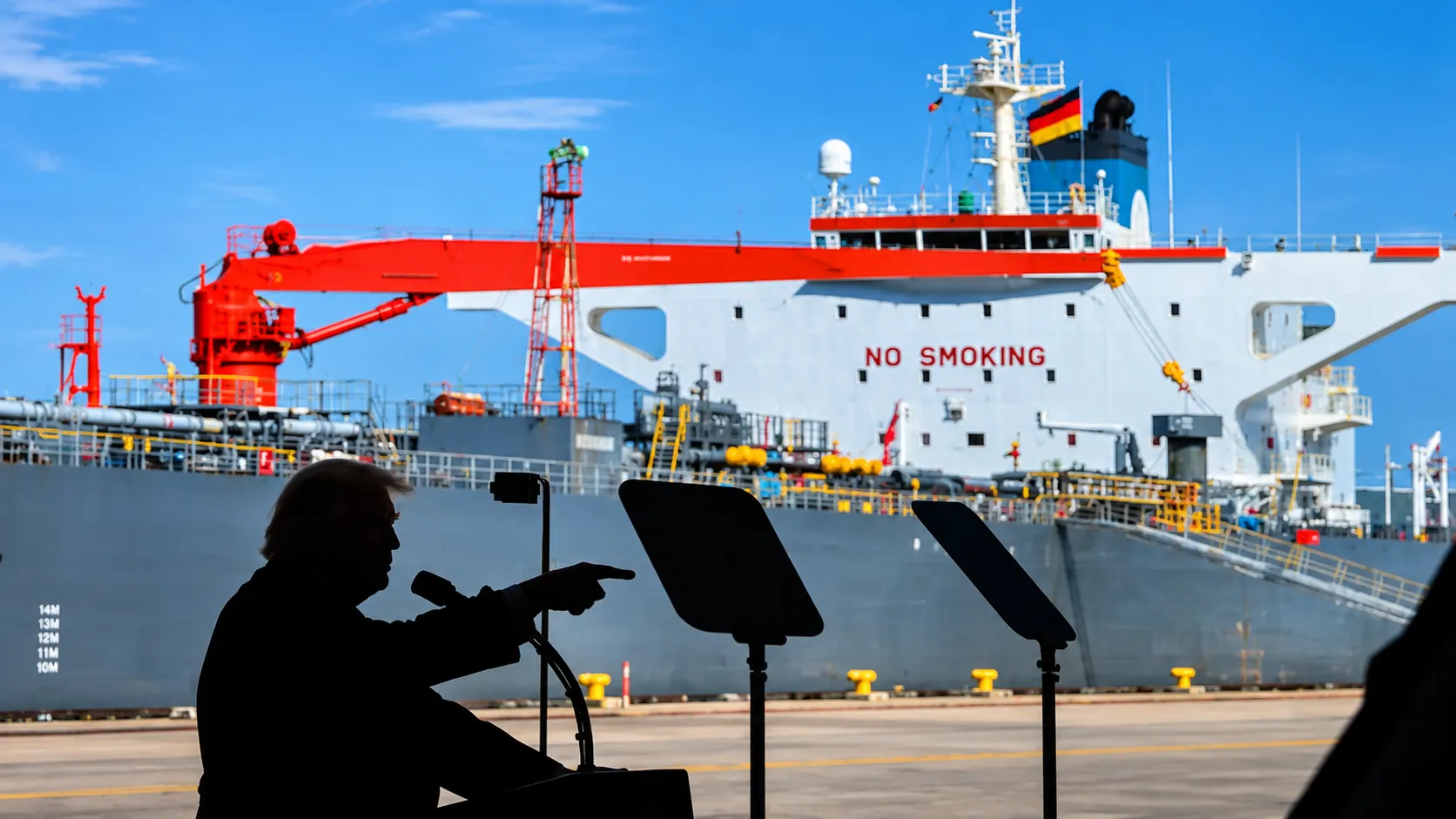
Oil prices suffered one of their sharpest one-day falls in years on Wednesday, November 4. Traders bet that the results of the US midterm elections would increase pressure on Washington to end the months-long conflict with Iran, which has disrupted global energy markets.
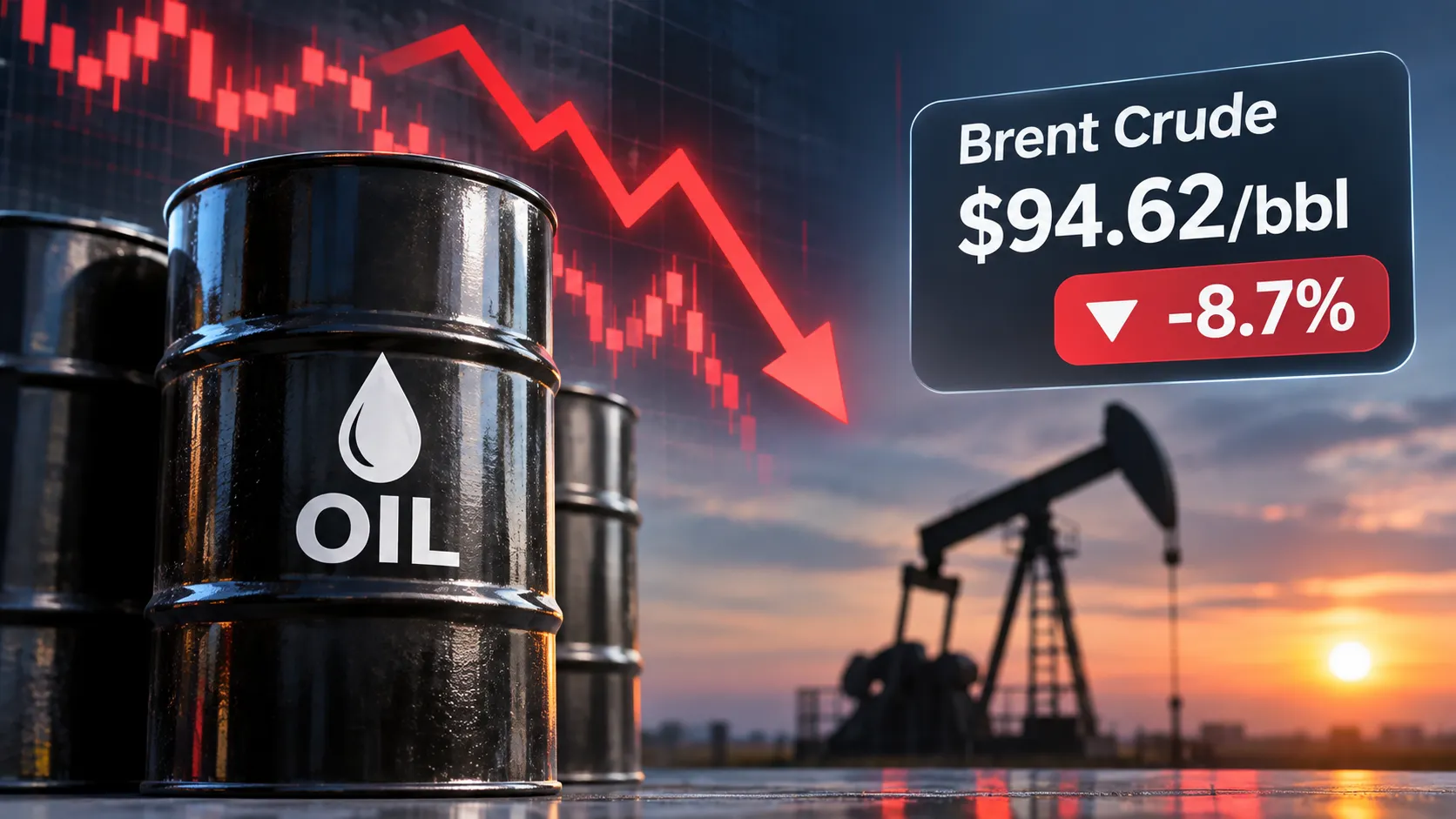
Brent crude, the international benchmark, fell $8.98, or about 8.7%, to settle at $94.62 a barrel for January delivery. It was the fourth consecutive daily decline and left prices at their lowest level in nearly two months. During the session, Brent fell as much as 10%. US West Texas Intermediate crude fell below $90 a barrel.
Oil futures have fallen more than 14% so far this week. Just a week earlier, Brent had traded above $116 a barrel.
The election effect
The selloff followed the Democrats' victory in the midterm elections, in which they won control of both the House of Representatives and the Senate. Traders interpreted the result as a sign that political pressure to end the conflict with Iran would increase.
High fuel prices have been a major concern for American voters during the conflict. With a new Congress taking shape, traders bet that the White House would have a stronger incentive to seek a diplomatic resolution.
Comments from Vice President JD Vance added to the move. Vance publicly linked the Republicans' midterm losses to the Iran conflict. Pavel Molchanov, an analyst at Raymond James, described Vance's post as a key catalyst for the day's drop in oil prices.
President Donald Trump had told the Financial Times on Tuesday that he had no immediate plans to strike Iran.
A risk premium unwinds
Since the conflict began, oil prices have included a significant "risk premium", an additional amount that traders are willing to pay because of the threat of supply disruptions. The most-traded Brent contract has swung between roughly $70 and $120 a barrel since just before the fighting started.
Much of Wednesday's decline reflected that premium being removed. If the conflict ends and energy flows from the Gulf return to normal, the risk of severe disruption falls, and prices tend to move closer to levels justified by underlying supply and demand.
Physical markets already weakening
The fall in futures prices came as physical oil markets were already showing signs of weakness. According to Bloomberg, flows of oil through the Strait of Hormuz, the narrow waterway through which a large share of the world's oil passes, have been holding near pre-war levels.
Middle East oil indicators suggested that near-term supply was outpacing demand for the first time since July. Prices for North Sea crude cargoes also eased, with physical traders cutting offers for key grades such as Forties.
Ole Hansen, head of commodity strategy at Saxo Bank, said the continued recovery in Middle East crude exports had begun to weigh on spot prices and could help bring refining margins back to normal and ultimately lead to lower oil prices.
Technical selling amplified the drop
Technical factors also played a role. Trend-following commodity trading advisers, funds that buy and sell based on price momentum, cut their long positions in Brent from about 73% to about 55% during the session, according to data from Kpler's Bridgeton Research Group.
When prices fall sharply, these funds often sell to limit losses, which can accelerate the decline. That dynamic helps explain why the fall on Wednesday was so steep, even though the underlying news had been building over several days.
Oil prices had already been falling at the start of the week on signs of new diplomatic contacts between the US and Iran.
Winners and losers
The fall in oil prices has wide-ranging effects. For oil-importing countries such as India, Japan and much of Europe, lower prices are a major benefit. They reduce import bills, ease inflation and support economic growth.
India is particularly sensitive to oil prices because it imports most of the crude it consumes. On Thursday morning, Indian stocks surged at the open, with the Sensex rising more than 1,600 points. The rupee has also strengthened in recent sessions as oil prices have fallen.
Consumers in many countries could see lower fuel prices in the coming weeks if the decline holds. Airlines, logistics companies, chemical producers and other industries that use large amounts of energy would also benefit.
Oil producers are the main losers. Shares of major oil companies fell sharply on Wednesday, with the US energy sector down nearly 5%. Countries that depend heavily on oil revenues will also feel the effect if prices stay lower.
Gold moves the other way
While oil fell, gold rose. Gold prices climbed back above $4,000 an ounce, and silver rose about 5.5%. Precious metals often benefit when investors expect lower interest rates or seek a hedge against uncertainty.
The divergence between oil and gold reflected the different ways investors interpreted the election result. Lower oil prices reflected expectations of de-escalation, while higher gold prices reflected uncertainty about policy and the outlook for interest rates and the US dollar.
Uncertainty remains high
Despite the sharp fall, analysts warned that the outlook for oil remains highly uncertain. The conflict with Iran has not ended, and any setback in diplomatic efforts could quickly push prices higher again.
Molchanov noted that it was unclear whether Vance's comments signalled a softer stance towards Iran from the administration. "For oil prices to sustainably move lower, a durable off-ramp is needed," he said.
Other analysts have pointed out that Iran's own position remains firm, which could complicate any diplomatic resolution. Chris Beauchamp, chief market analyst at IG, said the market was moving lower on the expectation that the US might move on from the conflict, but that bigger headlines on peace talks would be needed to settle the market fully.
What it means for the energy transition
The volatility of oil prices during the conflict has underlined the economic risks of dependence on fossil fuels. For many countries, it has strengthened the case for investing in renewable energy, electric vehicles and energy efficiency, which reduce exposure to oil price shocks.
At the same time, lower oil prices can slow the shift away from fossil fuels by making petrol and diesel cheaper relative to alternatives. Policymakers will need to balance the short-term relief of lower energy costs against long-term goals for energy security and emissions reduction.
Outlook
The coming weeks will be critical for oil markets. Traders will watch for any signs of progress in diplomatic efforts, changes in US policy following the election, and data on supply and demand.
For now, the market has moved quickly to price in a lower risk of disruption. Whether that proves justified will depend on events in Washington, Tehran and the Gulf. For consumers and oil-importing economies such as India, the latest decline brings welcome relief, but the path ahead remains uncertain.