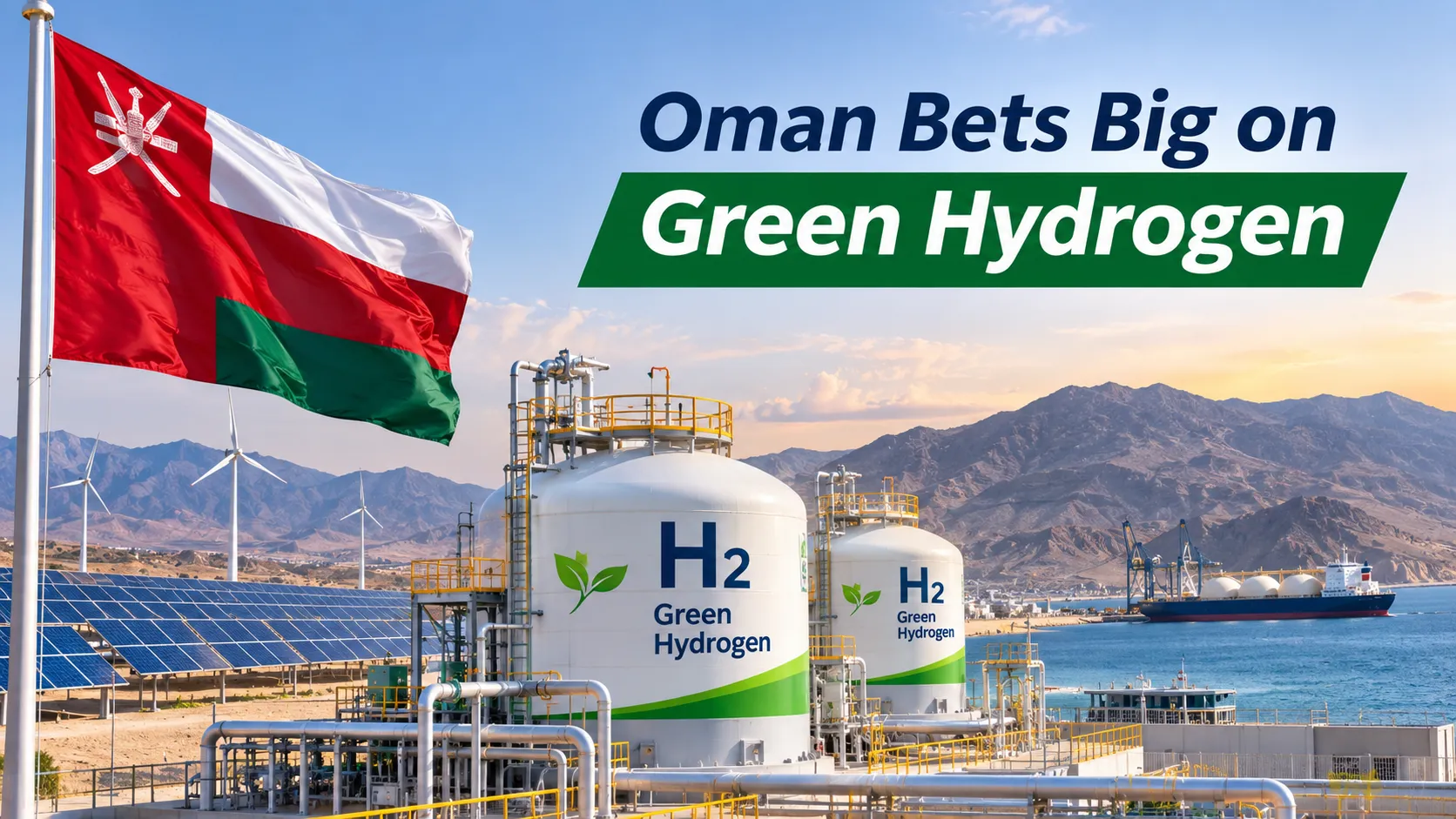
Oman has called on developed countries to provide adequate, timely and affordable financing for global decarbonisation, while positioning itself as a future exporter of green hydrogen and ammonia. The Gulf nation's environment chief set out its position in remarks reported on November 21.
Dr Abdullah bin Ali al Amri, Chairman of Oman's Environment Authority, said developed countries have a responsibility to provide financing alongside access to advanced technologies. He made the comments in an interview with South Korea's The Chosun Daily on the sidelines of COP31 in Antalya, Türkiye.
"Energy security is the most important," he said, reflecting a priority shared by many energy-producing nations as they navigate the transition away from fossil fuels.
Oman's green hydrogen ambitions
Al Amri highlighted Oman's growing investments in renewable energy, green hydrogen and green ammonia, describing them as emerging pillars of economic diversification and future exports.
"We have signed green ammonia supply contracts with companies from several countries, and many investors are pouring funds into Oman's green hydrogen sector," he said.
Hydrom, Oman's national green hydrogen orchestrator, announced agreements for two projects in Duqm. Together, they target about 121,000 tonnes of green hydrogen a year by 2032, supporting the production of green ammonia and ammonium nitrate.
Hydrom has also launched its fourth auction round. The round introduces an investment opportunity that links renewable energy and green hydrogen development to the rising electricity demand of data centres in Dhofar Governorate, in the south of the country.
Why Oman is a contender
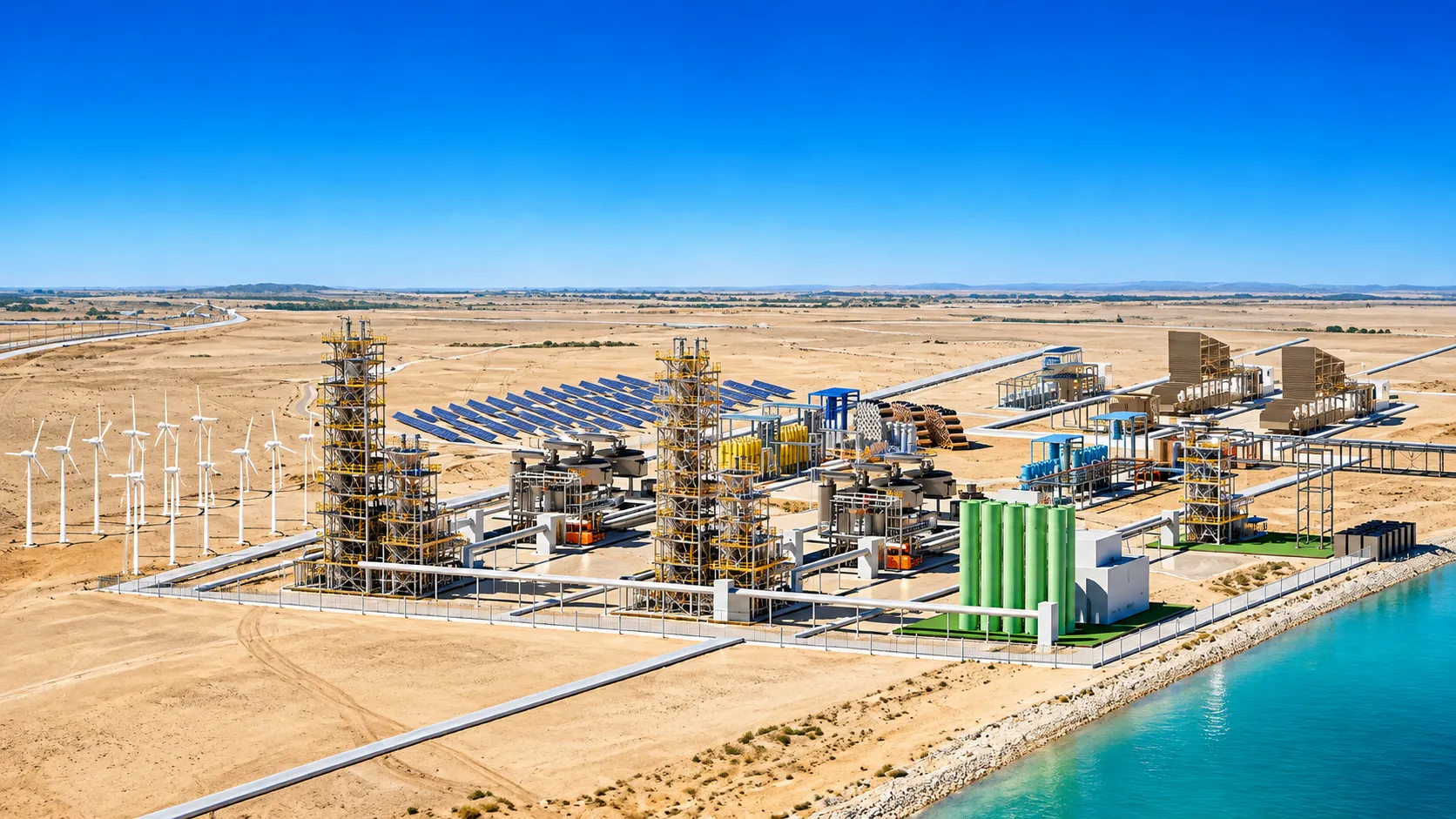
Oman has several natural advantages for green hydrogen production. It has abundant sunshine and strong winds, particularly in the south, allowing renewable energy to be generated at low cost. It also has large areas of land available for solar and wind farms, and coastal locations with port infrastructure suitable for exporting hydrogen-based products.
Green hydrogen is produced by splitting water into hydrogen and oxygen using electricity from renewable sources, a process called electrolysis. It can be used as a clean fuel and as a feedstock for industrial processes, or converted into ammonia for easier transport. Green ammonia can be used to make fertilisers, as a shipping fuel, or as a way to transport hydrogen.
Oman has set ambitious targets for green hydrogen production by 2030 and beyond, as part of its Vision 2040 economic diversification strategy. Hydrom was set up to allocate land and coordinate projects, using competitive auction rounds to attract international developers.
Linking hydrogen to data centres
The fourth auction round's focus on data centres in Dhofar is notable. Data centres, especially those serving AI workloads, consume large amounts of electricity. Gulf countries have been positioning themselves as locations for data centres, using abundant land and energy and strategic geography between Europe, Asia and Africa.
By combining renewable energy, green hydrogen and data centres, Oman aims to create an integrated energy ecosystem. Renewable power could supply both hydrogen production and data centres, potentially improving the economics of each.
Challenges for green hydrogen
Despite strong ambitions across the Gulf and elsewhere, the global green hydrogen industry has faced headwinds. Many projects announced in recent years have been delayed or cancelled due to high costs, uncertain demand and difficulties securing long-term buyers.
Green hydrogen remains more expensive than hydrogen produced from natural gas. Its competitiveness depends on falling electrolyser costs, cheap renewable electricity and policies such as carbon pricing or mandates that create demand.
Securing offtake agreements, long-term contracts with buyers, has been one of the biggest challenges. Oman's reference to signed green ammonia supply contracts with companies from several countries suggests it has made progress on this front.
The climate finance debate
Al Amri's call for developed nations to finance decarbonisation reflects a central theme of climate negotiations. Developing and energy-producing countries argue that they need financial and technological support to transition their economies, and that developed countries, which are responsible for most historical emissions, should bear a greater share of the cost.
COP31 ended on November 22 without an overarching agreement, after disputes over fossil fuels and finance. The positions expressed by Oman are shared by many developing countries, which have criticised the level of climate finance provided by wealthier nations.
The India connection
India has its own green hydrogen ambitions, through the National Green Hydrogen Mission, which aims to make India a global hub for green hydrogen production and export. Indian companies, including Reliance, Adani and others, have announced large green hydrogen projects.
India and Oman have strong economic ties. Oman is home to a large Indian diaspora, and Indian companies are active in Oman's economy, including in infrastructure, energy and fertilisers. The India-Oman Comprehensive Economic Partnership Agreement, signed in 2025, has strengthened trade links.
India is also a major importer of fertilisers and ammonia, making green ammonia from Oman a potential future supply source. Indian companies could also participate in Oman's green hydrogen projects as developers, contractors or technology providers.
What to watch
Key indicators for Oman's green hydrogen sector will include the outcome of Hydrom's fourth auction round, progress on the Duqm projects, and the conversion of supply agreements into firm, long-term contracts.
For The Impactful Global Indian's readers, Oman's strategy illustrates how Gulf economies are seeking to reinvent themselves for a low-carbon future, using their natural advantages to become exporters of clean energy rather than only oil and gas. The opportunities extend to Indian businesses and the large Indian community in the region.
The Gulf's energy transition
Oman is not alone in pursuing green hydrogen. Saudi Arabia is developing one of the world's largest green hydrogen projects at NEOM, and the United Arab Emirates has announced ambitious hydrogen strategies. These countries see clean energy exports as a way to maintain their role as global energy suppliers as demand for fossil fuels eventually declines.
However, Gulf countries also continue to invest heavily in oil and gas production, arguing that hydrocarbons will remain part of the global energy mix for decades. This dual strategy, expanding fossil fuel production while building clean energy industries, has drawn criticism from climate advocates but reflects the economic realities facing hydrocarbon-dependent economies.