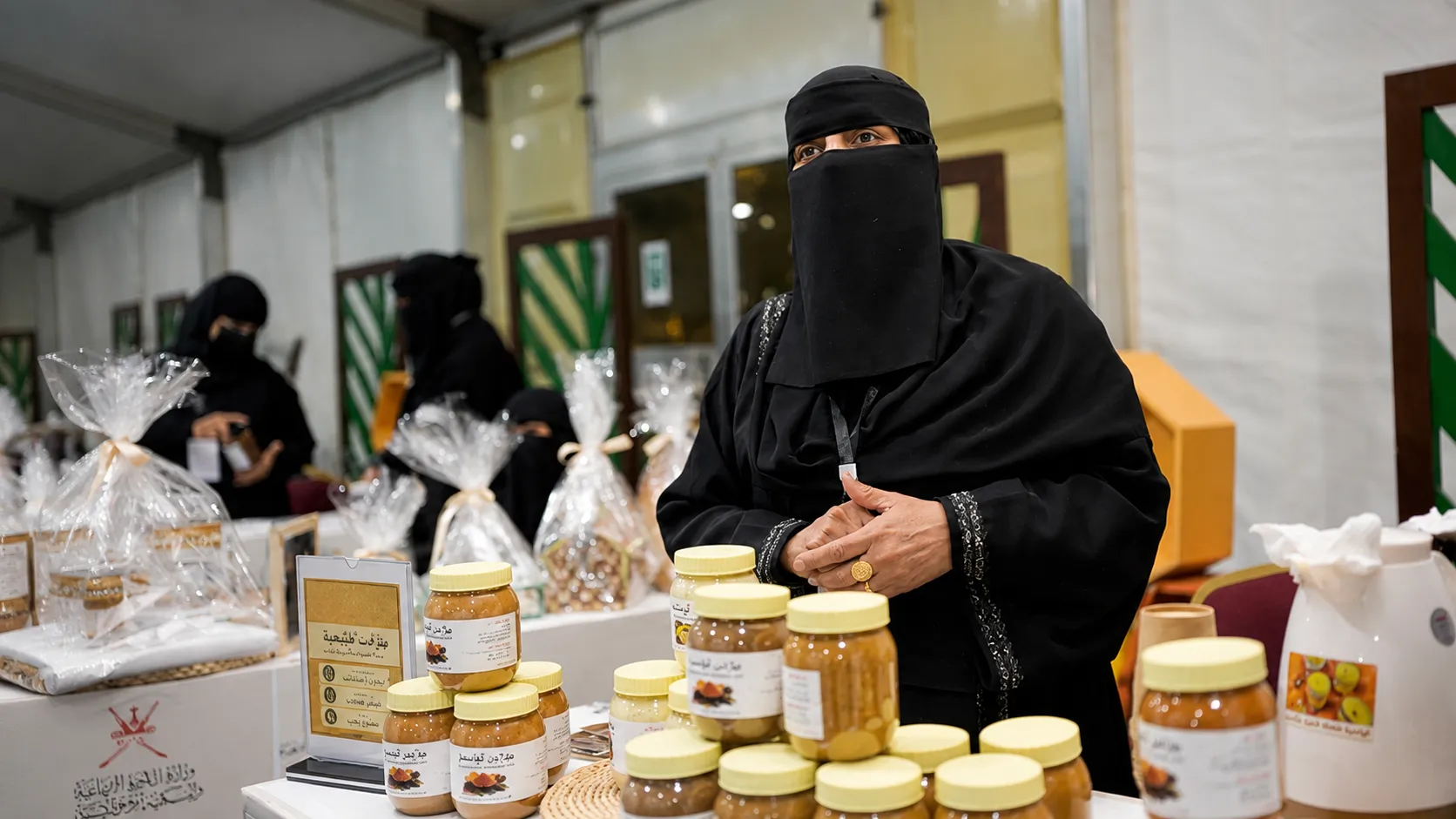
The Rural Dhofar 2026 exhibition opened at Atin Square in Oman's Dhofar Governorate, bringing together more than 60 rural women entrepreneurs and productive families to showcase agricultural, fishery and food products as part of the annual Khareef Dhofar Festival — one of the region's largest tourism and cultural events, held during the seasonal monsoon that transforms Dhofar's landscape into a rare green highland each year.
Alongside the product showcase, the exhibition programme included dedicated workshops on financing and food security, positioning the event as more than a marketplace: organisers structured Rural Dhofar 2026 as a platform for connecting rural women producers directly with financing pathways and market linkages that could help them formalise and scale operations built, in many cases, around traditional agricultural and fishery knowledge passed down through families in the region.
Dhofar's rural economy has historically centred on small-scale farming, fishing and traditional food production, much of it carried out by women within family units rather than as formally registered businesses. Exhibitions of this kind are designed to bridge that gap — giving informal women producers a public platform to sell directly to festival visitors and tourists, while simultaneously exposing them to the kind of financing and business-formalisation guidance that could help transition informal household production into more structured, scalable enterprises.
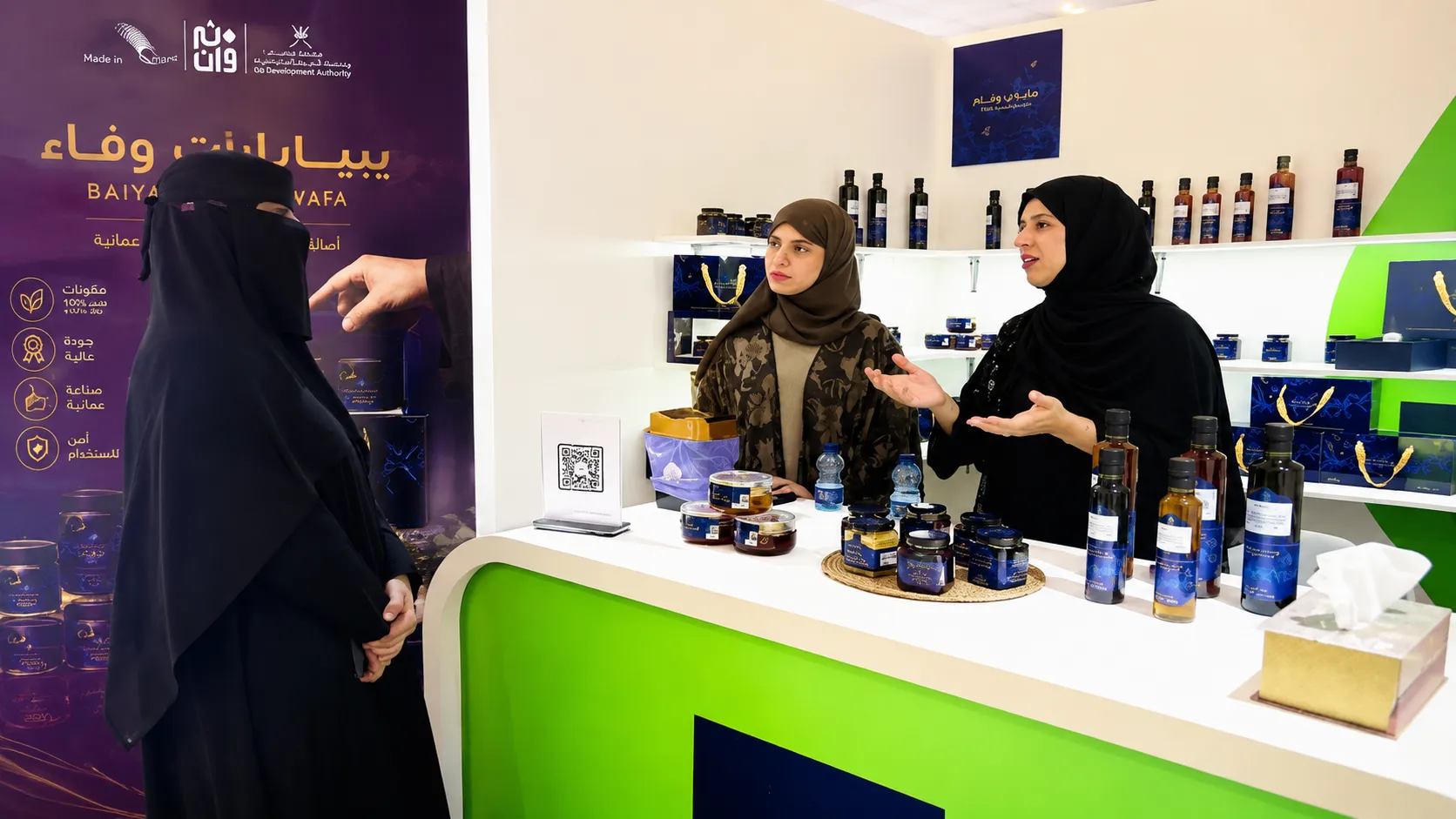
The timing alongside the Khareef Dhofar Festival is deliberate: the festival draws large numbers of domestic and Gulf regional visitors to Dhofar during the monsoon season specifically, giving participating women producers access to a concentrated seasonal customer base far larger than what the region's rural communities would otherwise see. For many participants, the festival period likely represents a disproportionate share of their annual sales, making structured support during this window particularly consequential.
The initiative was highlighted as part of a broader wave of women's economic empowerment programming launched across multiple markets in the same period, including Indonesia's new subsidised credit scheme for women micro-entrepreneurs and Bolt's small-business grant campaign in South Africa — illustrating a pattern in which governments, festivals and private companies across quite different economic contexts are converging on similar tools: visibility platforms, market access and targeted financing support for women running small and informal enterprises.
For Oman, Rural Dhofar 2026 reflects a broader government interest in diversifying the country's economy beyond hydrocarbons by strengthening rural livelihoods and tourism-linked small enterprise — a strategy in which women's economic participation, particularly in traditional agricultural and fishery sectors, is increasingly treated as central rather than peripheral to regional development planning.


