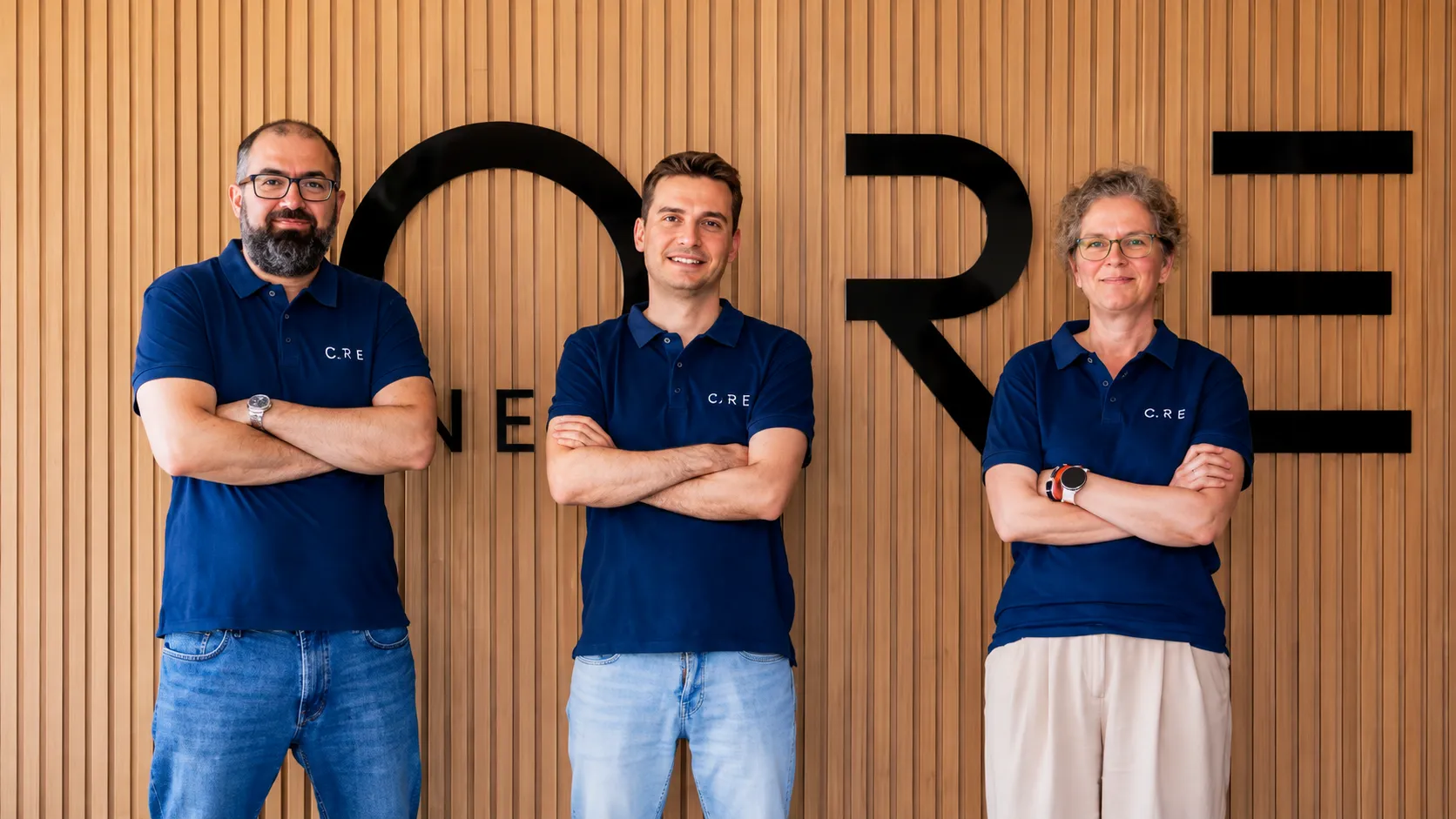
Dutch long-duration energy-storage company Ore Energy has raised $43 million, backed by venture investors Plural and HV Capital, adding to a steady flow of investor capital into technologies designed to store renewable electricity for extended periods and address one of clean energy's most persistent technical challenges: intermittency. The round positions Ore Energy among a select group of European long-duration storage developers to secure meaningful institutional venture backing this year, reflecting continued investor confidence in the category despite its significant capital intensity and extended development timelines.
Long-duration energy storage represents a distinct and increasingly important category within the broader clean-energy technology landscape, addressing a limitation that conventional lithium-ion battery storage — while highly effective for short-duration grid balancing measured in hours — struggles to solve economically at scale. As renewable energy sources such as wind and solar continue to represent a growing share of global electricity generation, the ability to store surplus power generated during peak renewable output and discharge it during periods of low generation, potentially spanning days rather than hours, has become an increasingly critical piece of infrastructure for grid operators pursuing deeper decarbonisation. The funding environment for long-duration storage technologies has grown notably more sophisticated over the past several years, with investors increasingly differentiating between competing technical approaches based on demonstrated levelised cost of storage, project bankability and the specific grid-balancing use cases each technology is best suited to address, rather than treating long-duration storage as a single, undifferentiated investment category. Ore Energy's approach to this challenge, and the specific technical pathway underpinning its storage technology, positions the company within a competitive but still relatively nascent global category of long-duration storage developers, many of which are pursuing distinct technical approaches spanning thermal storage, flow batteries, compressed air and other emerging methods, each offering different trade-offs around cost, storage duration, geographic siting requirements and round-trip energy efficiency. The involvement of Plural and HV Capital as backers reflects the growing appetite among European venture investors for climate-technology companies addressing fundamental grid-infrastructure challenges, a category that has attracted sustained capital even as broader venture funding across some technology sectors has moderated. European investors in particular have shown continued conviction in long-duration storage given the European Union's ambitious renewable-energy and grid-decarbonisation targets, which require substantial new storage capacity to accommodate an electricity system increasingly dependent on variable renewable generation.
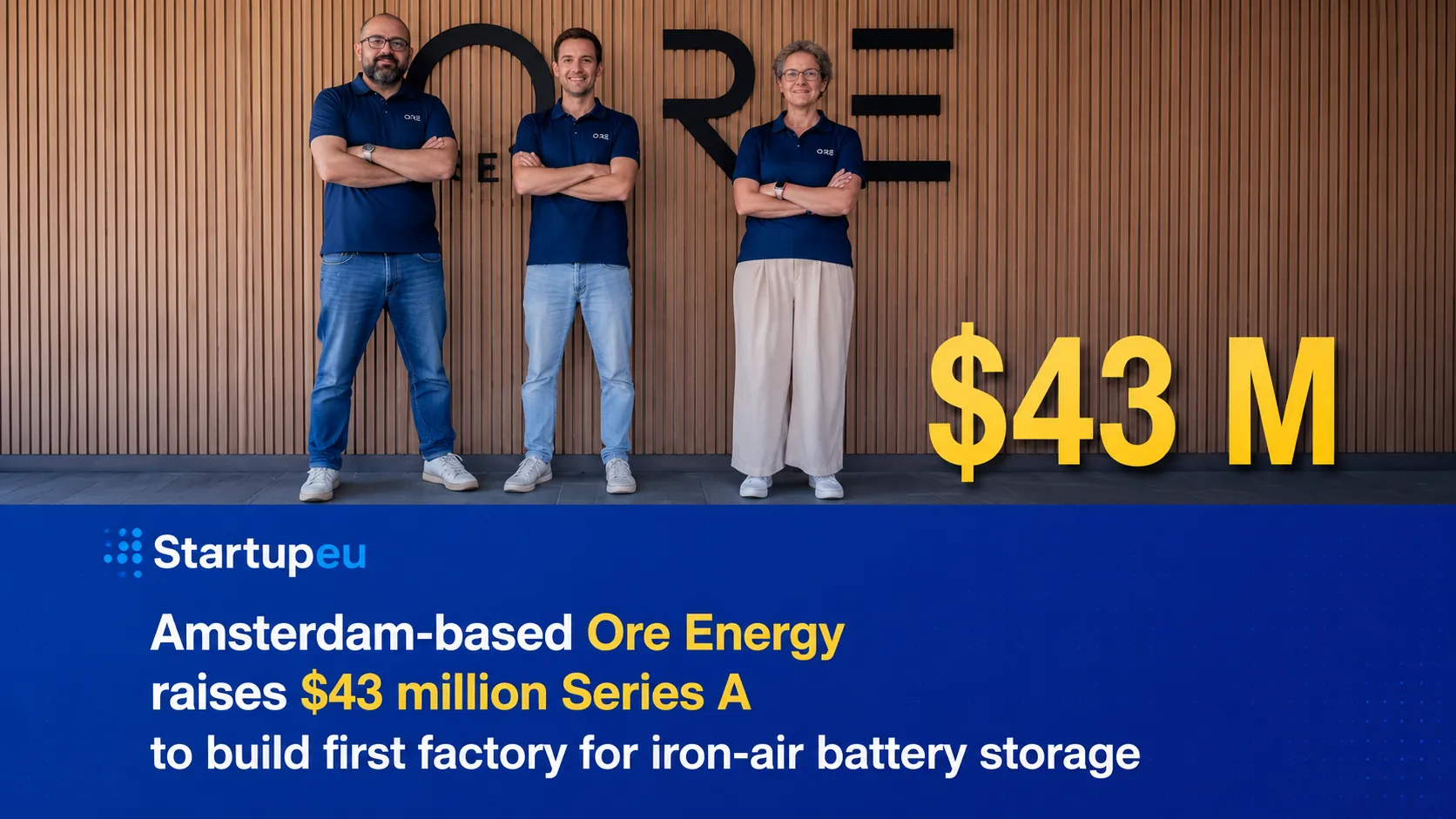
Ore Energy's raise fits within a broader pattern of continued capital flowing into large rounds across energy storage, health technology, semiconductors, AI and industrial software, even as investors have grown more selective about the technical proof points and commercial traction they require before committing capital. For climate-technology companies specifically, the bar for securing meaningful funding has increasingly shifted toward demonstrable evidence that a given technology can solve an expensive, well-defined problem for a credible buyer, rather than relying on the broader narrative appeal of climate-technology innovation alone. The long-duration storage category's continued ability to attract capital, even amid a more discerning overall investment climate, reflects the fundamental and increasingly urgent nature of the problem it addresses. As grid operators across Europe, North America and other major markets grapple with integrating rapidly growing shares of variable renewable generation, the absence of cost-effective, scalable long-duration storage solutions represents a genuine bottleneck constraining the pace of broader energy-system decarbonisation — a dynamic that continues to draw sophisticated infrastructure and climate-focused investors toward the category despite the significant capital intensity and extended development timelines characteristic of hardware-based energy-storage ventures. The Netherlands, where Ore Energy is headquartered, has emerged as a notable European hub for energy-transition technology development, benefiting from a combination of strong technical university research programmes, proximity to major European industrial and grid-infrastructure customers, and a national policy environment strongly oriented toward renewable-energy expansion. Dutch climate-technology startups have increasingly attracted international venture capital in recent years, reflecting growing investor confidence in the country's ability to translate technical research strengths into commercially viable energy-transition companies capable of scaling across the broader European market and beyond. Within the competitive landscape of long-duration storage specifically, companies are increasingly differentiated by the specific technical trade-offs their chosen storage medium offers around cost per unit of stored energy, storage duration capability, siting flexibility and round-trip efficiency. As the category matures, investors and grid-operator customers alike are likely to reward companies that can most convincingly demonstrate a clear cost and performance advantage for specific grid-balancing use cases, rather than pursuing a one-size-fits-all approach across the full spectrum of potential long-duration storage applications.
As Ore Energy deploys its newly raised capital toward continued technology development and commercial scaling, the company's progress will offer a useful indicator of how quickly long-duration storage solutions can move from promising technical demonstrations toward the grid-scale deployments that Europe's decarbonisation targets increasingly demand. For the broader climate-technology investment landscape, continued rounds of this scale suggest investor conviction in the category remains firm, even as capital allocation across climate technology more broadly grows increasingly selective. For European grid operators racing to accommodate rapidly growing renewable-generation capacity, the continued maturation of long-duration storage providers like Ore Energy represents a critical, if still emerging, piece of the broader energy-transition puzzle — one that will likely require sustained investment, technical iteration and regulatory support over the coming years before reaching the scale of deployment required to meaningfully transform how variable renewable electricity is integrated into Europe's power grids. For prospective co-investors, Ore Energy's continued ability to attract capital from established venture firms offers a useful reference point when evaluating the relative maturity and bankability of competing long-duration storage technologies across the wider European climate-tech landscape. As Europe's broader energy-transition agenda continues to accelerate, companies operating in the long-duration storage category are likely to remain a focal point for both venture and strategic investors seeking exposure to the infrastructure layer underpinning the continent's renewable-energy ambitions. Ore Energy's progress in the coming quarters will offer an early signal of how quickly the broader category can translate sustained investor interest into commercial-scale deployment. For now, the round reinforces the Netherlands' growing standing as a credible European hub for energy-transition technology development.