For people living with paralysis, the ability to control a computer or communicate using only their thoughts has long sounded like science fiction. A growing group of companies is working to make it a medical reality — and one of them has just raised one of the largest funding rounds in the field.
Precision Neuroscience, a New York-based brain-computer interface (BCI) company, announced on Thursday, September 24, that it has closed an oversubscribed $250 million Series D financing round. The round was co-led by Pershing Square Inc., the Ackman Oxman Institute and an undisclosed leading life-sciences investment fund, according to the company's announcement.
Other participants include the Duquesne Family Office, B Capital, ARK Invest, Invus, Mubadala Capital, Mirae Asset Capital, Korea Investment Partners, Hitachi Ventures and JSL Health Capital, among others.
The round brings Precision's total funding to $430 million. The New York Times reported that the financing values the company at just over $1 billion.
What Precision is building
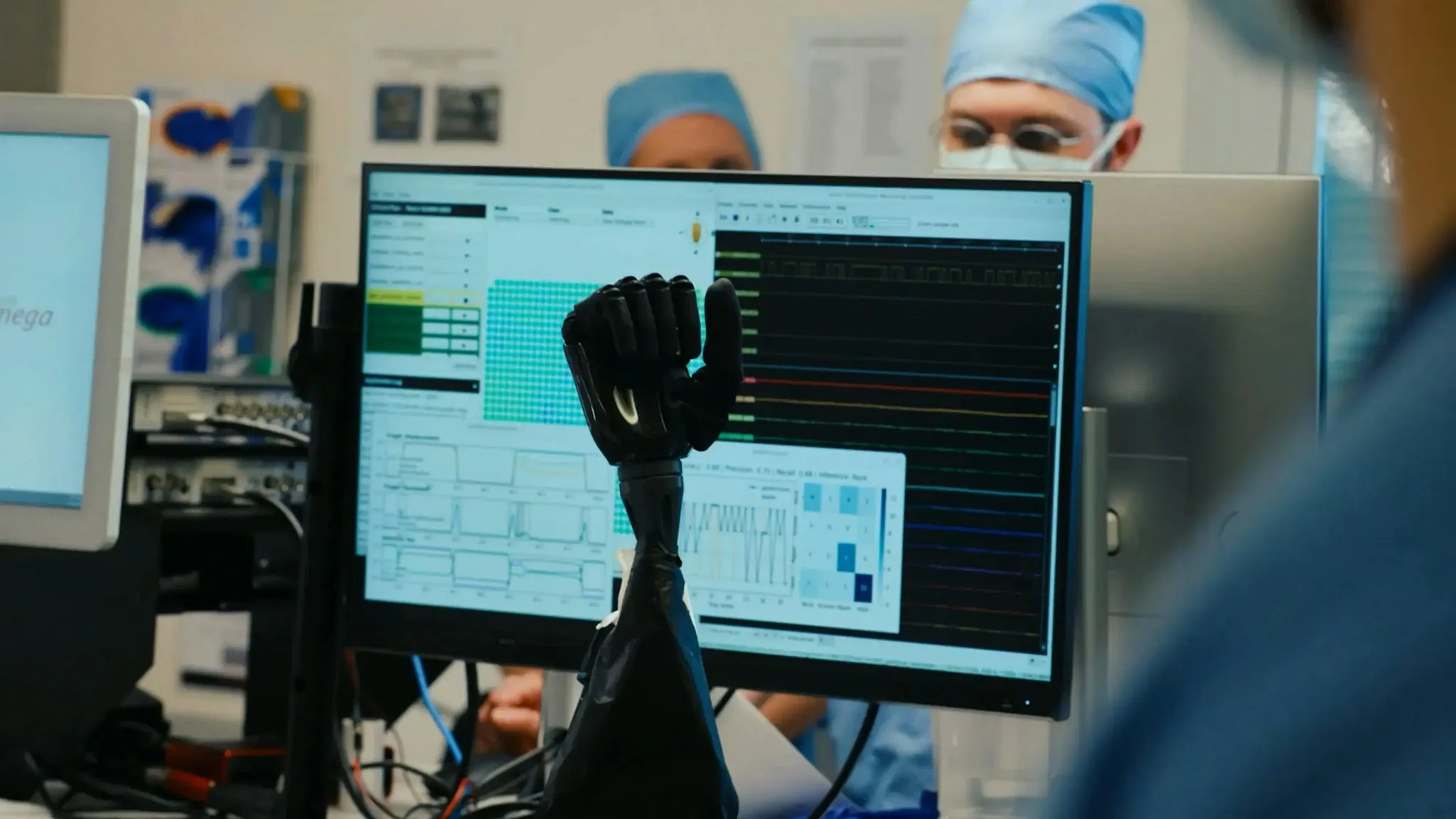
A brain-computer interface is a system that records signals from the brain and translates them into commands for external devices, such as a computer cursor, a keyboard or a robotic arm. For people with severe paralysis caused by conditions such as spinal cord injury, stroke or amyotrophic lateral sclerosis (ALS), BCIs could restore the ability to communicate and interact with the digital world.
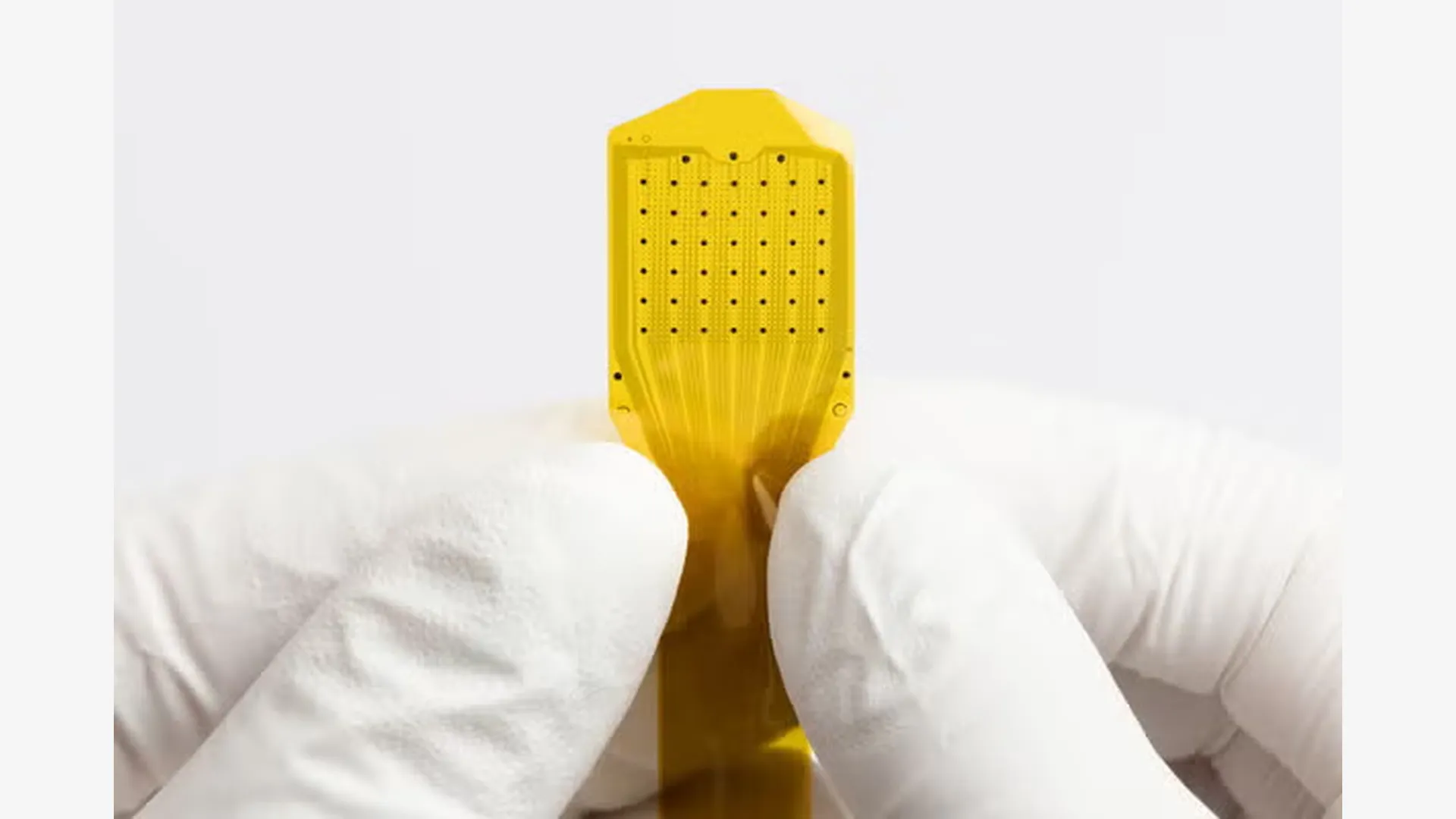
Precision's approach differs from some of the better-known efforts in the field. Its Layer 7 cortical interface is a thin, flexible film designed to sit on the surface of the brain rather than penetrate brain tissue. The company says the device packs 1,024 electrodes into an area roughly the size of a postage stamp and is thinner than a human hair.
The company describes its system as the only brain-computer interface designed to be minimally invasive, safely removable and high-bandwidth. It is implanted through a small opening in the skull, which the company argues makes the procedure less risky and more scalable than approaches that require deeper insertion of electrodes.
Clinical and regulatory progress
What sets Precision apart from many BCI start-ups is its clinical track record. Since its founding in 2021, the company says it has built the largest clinical footprint in the field, with more than 100 patient procedures across 18 medical institutions.
It has received FDA clearance for its Layer 7 cortical interface and has a commercial partnership with Medtronic, one of the world's largest medical device companies. It also operates its own microelectromechanical systems (MEMS) manufacturing facility in Texas.
"The next phase of BCI will be defined by more than technology alone," said Michael Mager, Precision's co-founder and chief executive. "We have built the clinical network, regulatory position, and manufacturing base that leadership in this field requires. We are also putting safety at the center of our product design, forming deep partnerships with the world's leading neurosurgeons and academic medical centers, and building a company and a culture that we hope will endure."
Precision was co-founded by Mager and Benjamin Rapoport, a neurosurgeon who was previously a co-founder of Elon Musk's Neuralink.
The Ackman connection
The involvement of Bill Ackman, the hedge fund manager who founded Pershing Square, adds a personal dimension to the round.
Ackman's interest in neuroscience funding has been shaped by personal experience. According to reports, his daughter suffered a brain haemorrhage, which led him and his wife, the designer and researcher Neri Oxman, to establish the Ackman Oxman Institute, a non-profit focused on advancing brain research with an initial commitment of roughly $400 million. Pershing Square and the Ackman Oxman Institute together contributed $42.5 million to the round, according to reports summarising The New York Times.
The breadth of the investor group — spanning sovereign wealth funds, venture capital firms, public-market investors and family offices — reflects what the company describes as growing conviction that BCI is one of the most consequential emerging categories in healthcare and technology.
What the money will fund
Precision plans to use the new capital to expand its clinical work, move its Layer 7 interface through further FDA review and build the commercial infrastructure needed to bring its technology to patients.
That transition is expensive. Medical devices must go through extensive clinical trials, manufacturing must meet strict quality standards, and companies need to build relationships with hospitals, surgeons and payers. The size of the round reflects the capital required to move from clinical research to a regulated commercial product.
A crowded, competitive field
Precision is part of a rapidly growing BCI industry. Neuralink, Synchron, Blackrock Neurotech and Paradromics are among the companies developing implantable brain interfaces, each with different technical approaches and clinical strategies. Large technology companies and research institutions are also active in the field.
Investor interest has surged. Morgan Stanley has estimated that the commercial BCI market could eventually reach $400 billion in the United States alone, according to Precision's earlier funding announcement.
The challenges ahead
Despite the excitement, significant hurdles remain.
Safety is paramount. Any device placed in or on the brain must meet the highest standards, and long-term data on how implants perform over years will be crucial. Regulators, doctors and patients will want clear evidence that benefits outweigh risks.
Reimbursement is another challenge. For BCIs to reach large numbers of patients, health insurers and public health systems will need to agree to pay for them. That will require evidence not only of safety and effectiveness but also of improvements in quality of life and cost-effectiveness.
Ethical questions also loom large. Brain data is among the most personal information imaginable, and questions about privacy, consent and data ownership will become more pressing as BCIs move closer to widespread use.
Why it matters
For millions of people living with paralysis and neurological conditions around the world — including in India, where access to advanced neurological care remains uneven — brain-computer interfaces could one day offer new independence and ways to communicate.
Precision's $250 million round is a sign that investors believe that day is getting closer. The company's combination of a less invasive design, a large clinical footprint and a manufacturing base gives it a strong position as the field moves from experimental research towards commercial medicine.
The next few years will test whether BCIs can deliver on their promise at scale. If they do, the connection between the human brain and the digital world could become one of the most transformative developments in modern medicine.