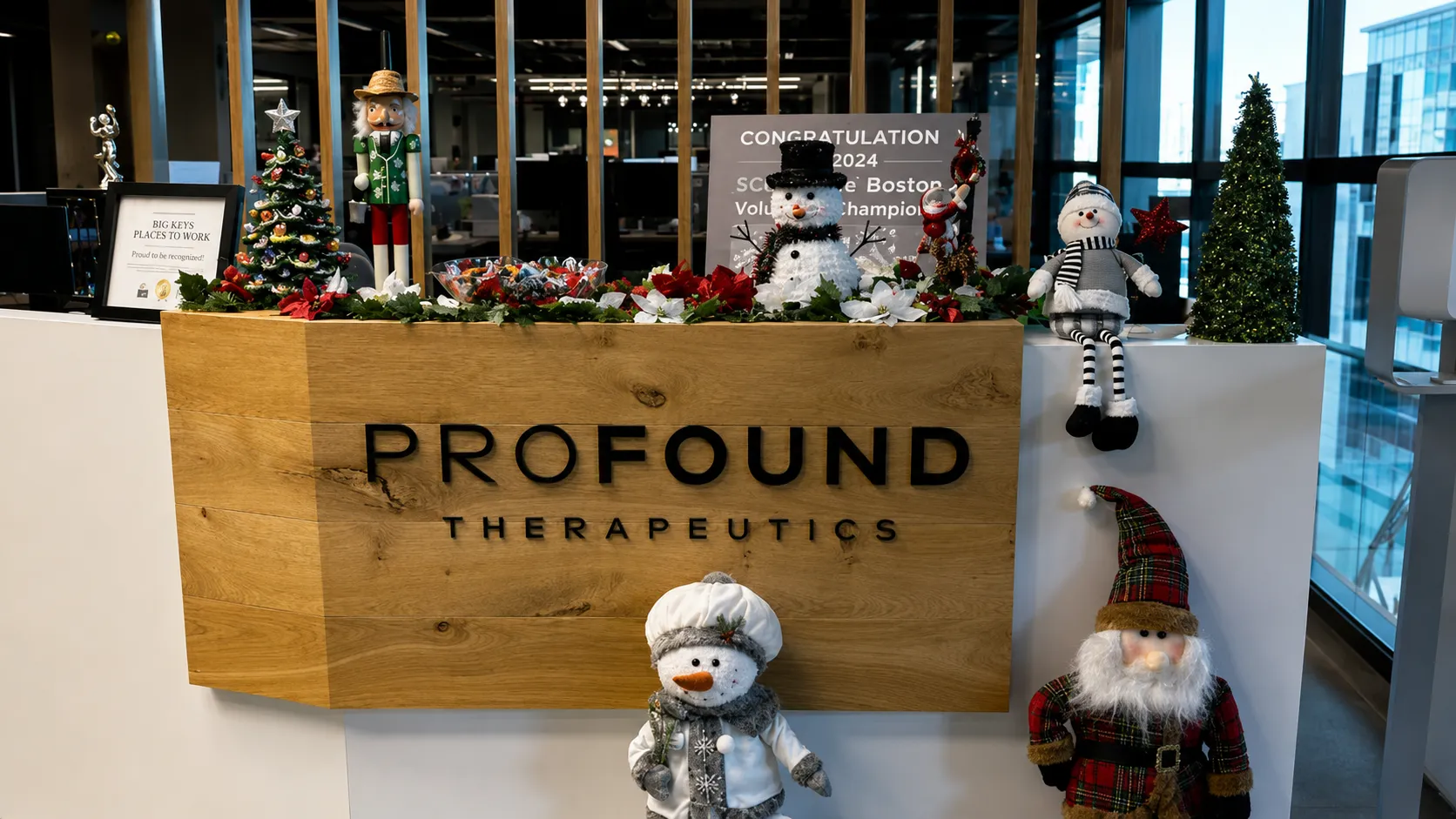
ProFound Therapeutics, a biotechnology company applying artificial intelligence to protein-based drug discovery, has raised $35 million from the Bill & Melinda Gates Foundation, adding philanthropic capital to a funding landscape for AI-driven biotech that has, until now, been dominated almost entirely by traditional venture and pharmaceutical investors.
The company's platform uses AI to identify novel protein drug targets and therapeutic candidates, part of a broader wave of biotech start-ups seeking to compress the traditionally slow, expensive early stages of drug discovery by applying machine-learning models to protein structure prediction and target identification.
The Gates Foundation's involvement signals particular interest in how AI-driven drug discovery platforms might be directed toward diseases and therapeutic areas that have historically received less commercial pharmaceutical investment — a long-standing focus of the foundation's global health funding, which has prioritised diseases disproportionately affecting lower-income populations where market incentives alone have often proven insufficient to attract sustained private capital.
For ProFound Therapeutics, philanthropic backing alongside more traditional funding sources offers a potential path to pursue therapeutic targets that might not meet the return thresholds required by purely commercial investors, while still benefiting from the scientific and computational infrastructure built to serve the company's broader drug-discovery pipeline.

AI-driven drug discovery has attracted substantial venture investment over the past several years, driven by advances in protein structure prediction and generative modelling that have meaningfully shortened the timeline for identifying promising drug candidates compared with traditional wet-lab-first discovery approaches — though translating those computational advances into approved, marketed therapies remains a lengthy, capital-intensive and scientifically uncertain process.
The involvement of a major philanthropic funder alongside the sector's more typical venture and pharmaceutical investors also reflects a broader trend of blended capital structures in biotech, as funders increasingly seek to combine commercial return potential with explicit global health impact objectives within a single company's funding stack.
As AI continues to reshape early-stage drug discovery, the entry of philanthropic capital such as the Gates Foundation's investment in ProFound Therapeutics illustrates a broader recalibration under way in how the industry funds computational biotech — one that increasingly recognises AI-driven platforms not merely as commercial ventures, but as infrastructure capable of accelerating global health outcomes well beyond the therapeutic areas that traditional venture economics alone would prioritise.