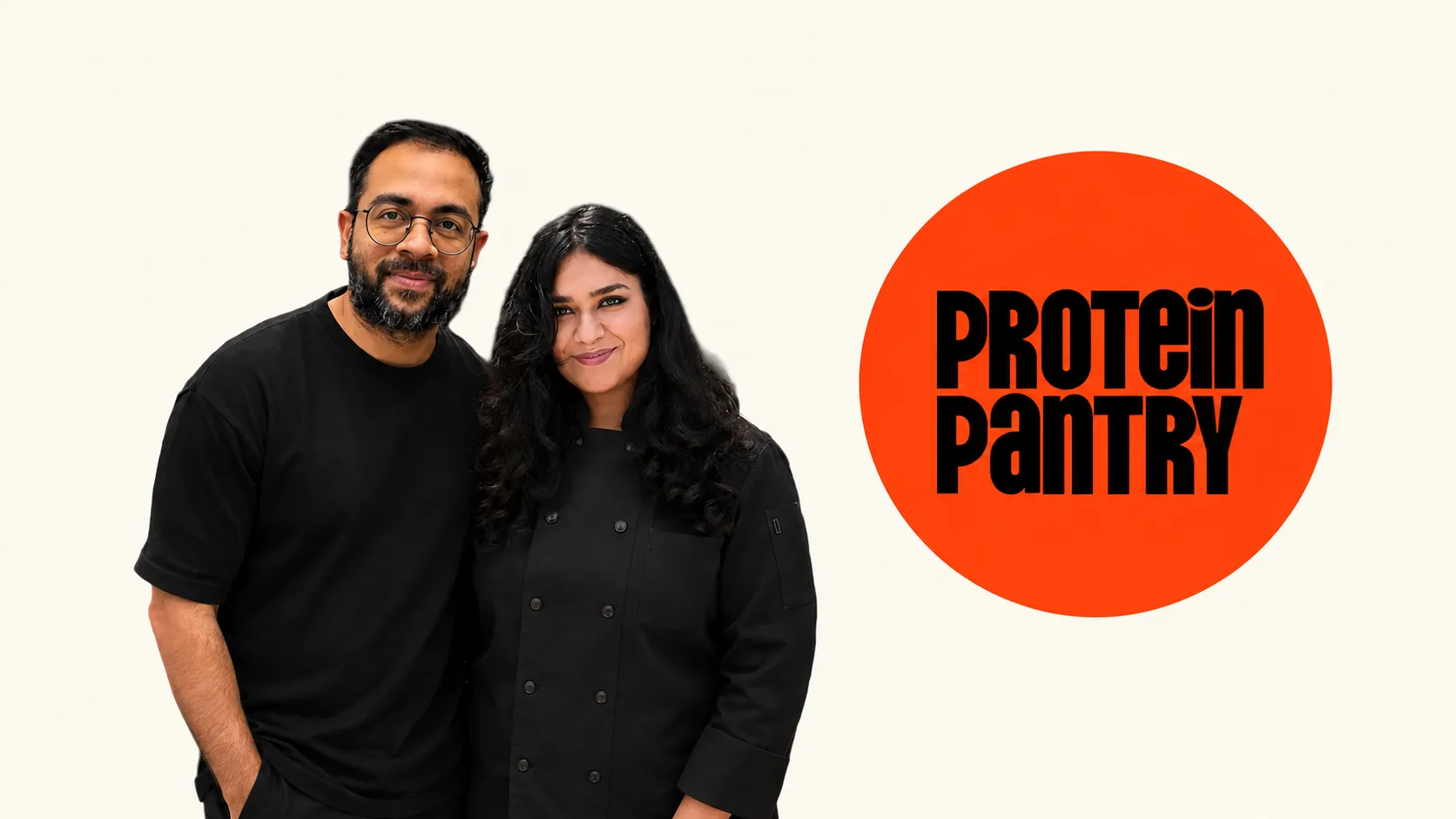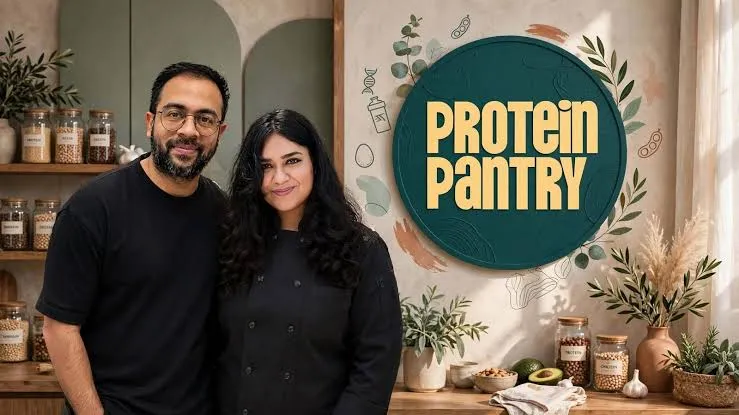
Protein Pantry, a Delhi-based clean-label frozen food brand co-founded by Disha Bhattacharya and Prashanth Bhushan, has raised ₹9 crore in a seed round led by Sharrp Ventures, as investors continue to back consumer brands built around India's fast-growing appetite for protein.
The round, announced on 22 September 2026, also saw participation from Peercheque, Consumer Collective by Atrium and Indian Silicon Valley Capital. A group of prominent founder-angels joined the round, including Varun Alagh of Honasa Consumer, the parent of Mamaearth, Rishubh Satiya of Plix, Avnish Anand of CaratLane, Arush Chopra of Just Herbs and Saurabh Munjal of Lahori Zeera, along with Signal Ventures and others.
From kitchen idea to manufacturing plant
Protein Pantry builds high-protein, ready-to-cook frozen foods made without refined flour, preservatives or palm oil. The brand launched in November 2025 and has already served more than 30,000 households, according to the company.
The fresh capital will primarily be deployed into setting up and scaling a manufacturing unit, alongside continued investment in research and development and supply chain. The remaining funds will support marketing and working capital as the company extends its range into new formats.
The decision to invest in manufacturing is a notable one for a brand this young. Many Indian direct-to-consumer (D2C) food companies begin with contract manufacturers to conserve capital and move quickly. Owning production gives a brand tighter control over quality, formulation and cost, which matters particularly in a clean-label category where ingredient integrity is the core promise to consumers.
Riding the quick-commerce wave
Protein Pantry sells through its own D2C channel in Delhi, Mumbai, Bengaluru and Jaipur, and through quick-commerce platforms including Blinkit, FirstClub and Flipkart Minutes across Delhi, Mumbai, Bengaluru and Hyderabad. The company plans to expand into six more cities on quick commerce by the end of the year and is targeting availability across all major Indian cities over the next 12 to 24 months.
Quick commerce has become one of the most important launchpads for new food and personal-care brands in urban India. Ten-to-fifteen-minute delivery platforms give emerging brands immediate visibility in the metros, and frozen food is particularly well suited to the model because it relies on the cold-chain infrastructure that dark stores already operate. For consumers, the appeal is convenience; for brands, it is access to high-intent urban shoppers without building a traditional distribution network.
The model is not without risks. Quick-commerce platforms command significant commissions and advertising spend, and shelf space in dark stores is limited. Brands that rely heavily on these channels must manage margins carefully and build enough brand recall to avoid becoming interchangeable with private labels.
Why protein, and why now
India has long been described as a protein-deficient market, with diets that rely heavily on cereals. Over the past few years, awareness of protein intake has risen sharply among urban consumers, driven by fitness culture, social media and a growing focus on preventive health. What began as a supplements market has spread into everyday foods such as snacks, breakfast products, dairy and ready-to-cook meals.
Investors have taken note. Protein-focused food brands have attracted a steady stream of funding, and large consumer companies have shown interest in acquiring brands that have built loyal audiences. The angel participation in Protein Pantry's round, featuring founders of several successful Indian consumer companies, reflects confidence that the category can support new, differentiated brands.