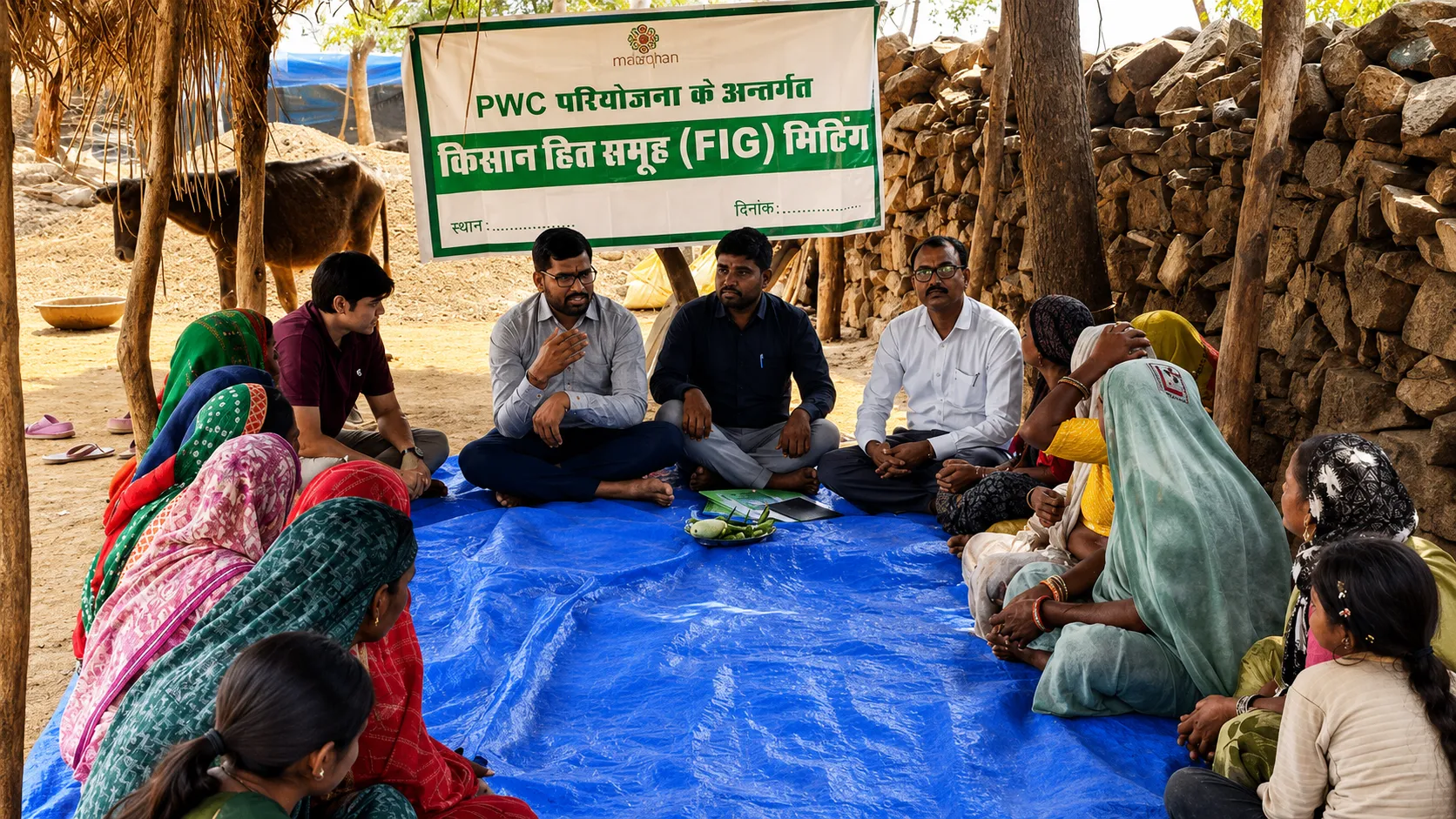
PwC India Foundation has stepped up its efforts to strengthen sustainable livelihoods and women's economic empowerment in Rajasthan, according to an announcement dated August 10, 2026, expanding a programme aimed at building durable, income-generating opportunities for underserved communities across the state. The initiative reflects a broader trend among India's professional services firms to channel corporate social responsibility resources toward structured, long-term livelihood interventions rather than short-term charitable giving.
Rajasthan presents a particularly significant setting for sustainable livelihoods programming, given the state's large rural population, its exposure to water scarcity and climate variability, and the persistent economic constraints facing women in many of its rural communities, where formal employment opportunities remain limited and traditional livelihood options are frequently tied to seasonal agriculture and allied activities vulnerable to weather-related disruption.
PwC India Foundation's approach centres on building sustainable economic pathways for women specifically, a focus that aligns with a substantial body of development research indicating that investments in women's economic empowerment tend to generate outsized multiplier effects at the household and community level, given women's tendency to reinvest a higher proportion of their earned income into family welfare, children's education and community development compared with equivalent income in male hands.
The programme's expansion in Rajasthan comes amid a broader wave of activity across India's corporate CSR landscape focused on rural women's economic participation, including the central government's recently launched second phase of its National Campaign on Entrepreneurship targeting self-help group members, and continued growth of the Goldman Sachs 10,000 Women executive education programme for more established urban women entrepreneurs. Together, these initiatives illustrate an ecosystem of overlapping public, philanthropic and corporate efforts increasingly converging around women's economic empowerment as a strategic priority for India's development agenda.
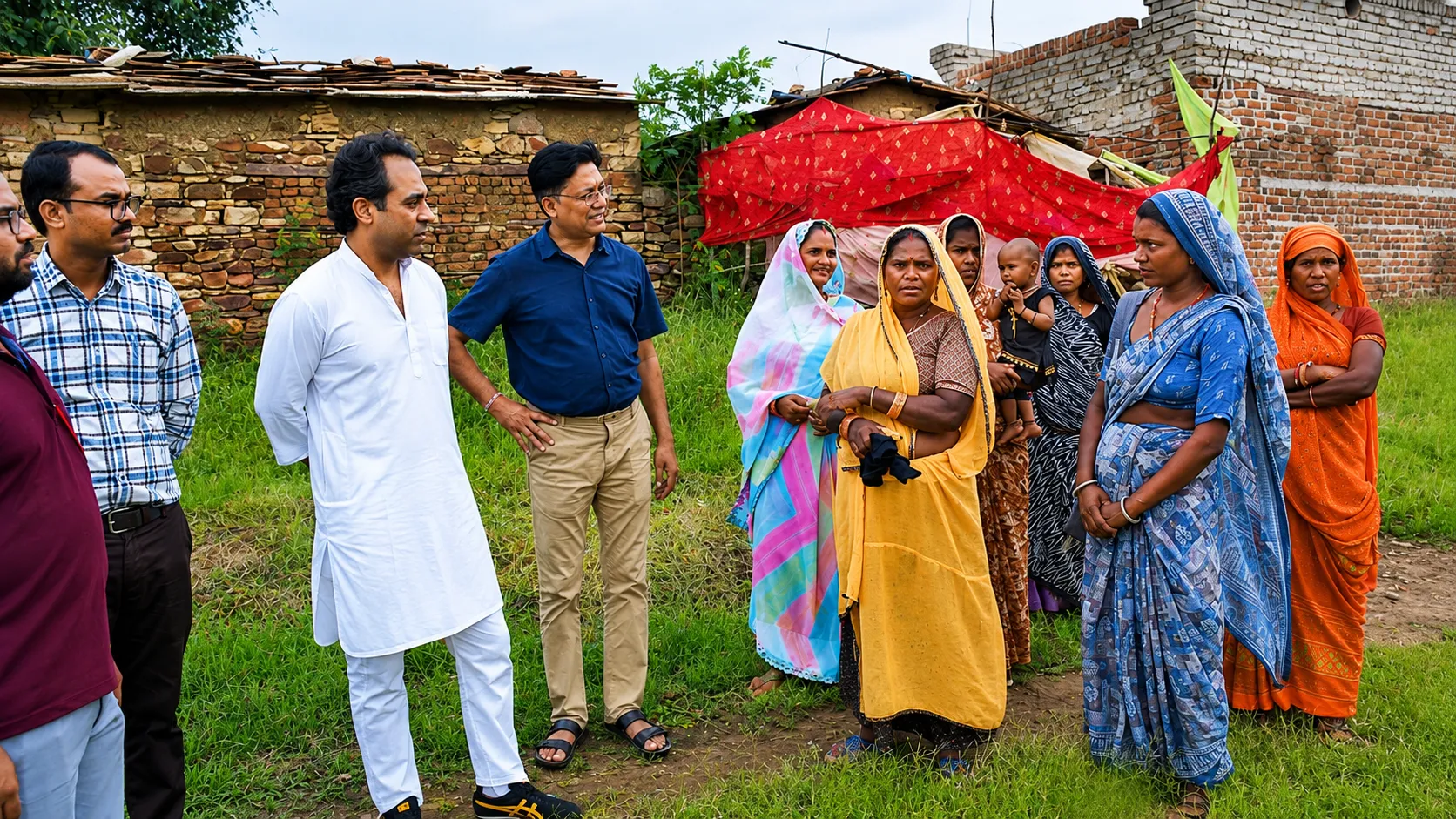
For PwC India Foundation, the Rajasthan programme forms part of the firm's broader corporate social responsibility strategy, which channels resources generated through its professional services business toward development interventions aligned with India's national priorities around education, healthcare, livelihoods and environmental sustainability. Professional services firms operating in India have increasingly positioned their CSR arms not merely as compliance vehicles for the country's mandated 2 percent CSR spending requirement under the Companies Act, but as platforms through which they can apply their own organisational capabilities — in areas such as data analysis, programme design and monitoring — to strengthen the effectiveness of development interventions.
The sustainable livelihoods focus of the programme suggests an emphasis on building durable, market-linked income sources for participating women, rather than one-time skill training or asset transfers that can fail to translate into lasting economic change once initial programme funding concludes — a critique that has been increasingly voiced across India's broader CSR sector as practitioners push for more rigorous evaluation of long-term outcomes rather than short-term output metrics such as the number of beneficiaries reached.
As PwC India Foundation continues to scale its work in Rajasthan, the programme's ultimate success will likely be measured not simply by the number of women engaged, but by the durability of the income-generating activities it helps establish — a standard increasingly applied across India's evolving CSR landscape as both companies and the communities they serve demand more from corporate social investment than symbolic gestures of goodwill.