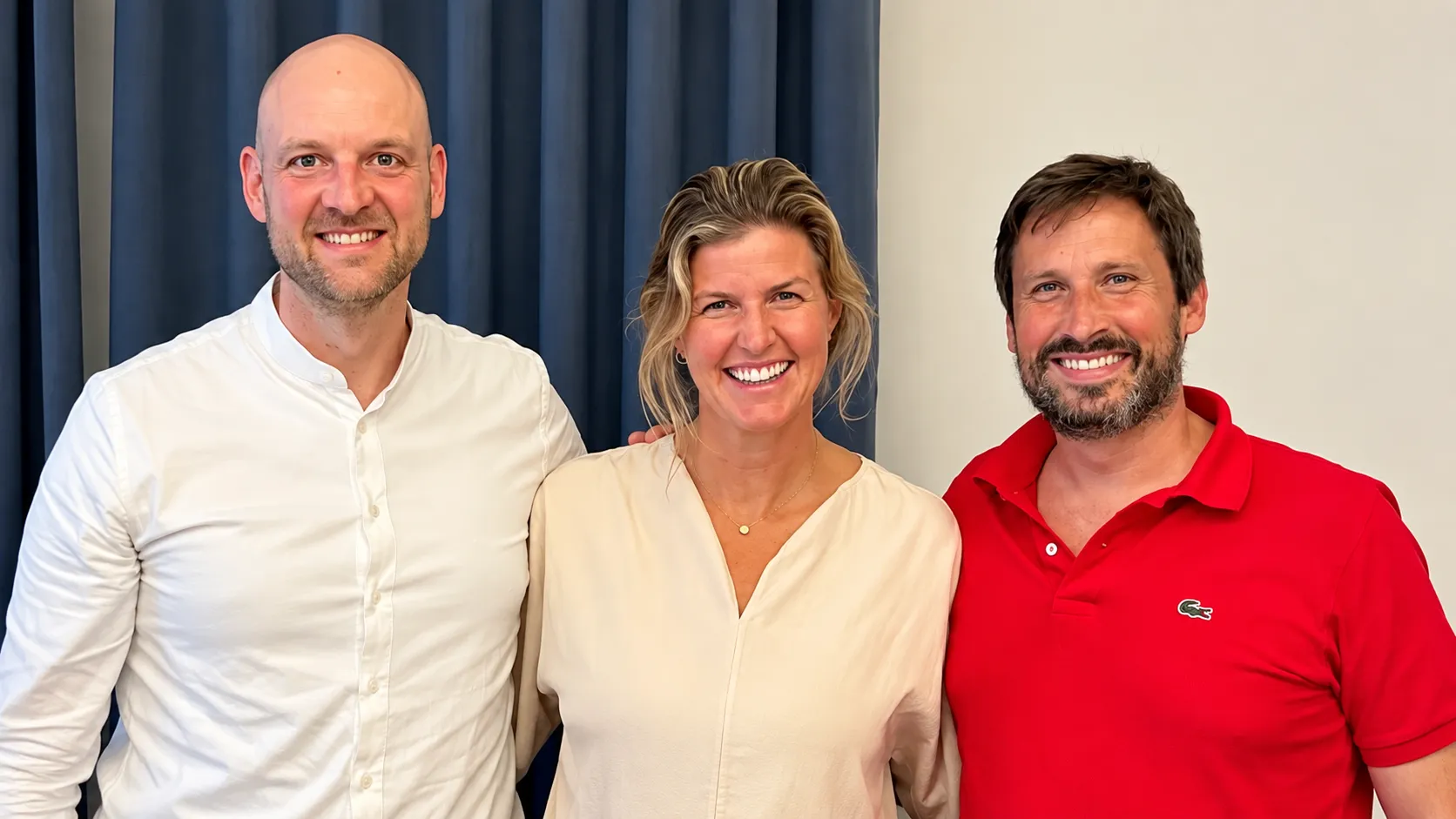
Rabot Energy, a Hamburg-based energy company that pairs dynamic electricity tariffs with smart home devices, has raised $50 million in a Series B round to build what it describes as a virtual power plant made up of thousands of household batteries, electric vehicle chargers and heat pumps.
The round was led by Endeit Capital, according to Tech Funding News. Germany's DeepTech & Climate Fonds (DTCF), HV, High-Tech Gründerfonds, Bosch Ventures, CNI, Acurio Ventures and vent.io also participated.
The company will use the money to work towards one million customers, expand its services for households and businesses in Germany, and connect more devices to its platform.
Power Plants Without Chimneys
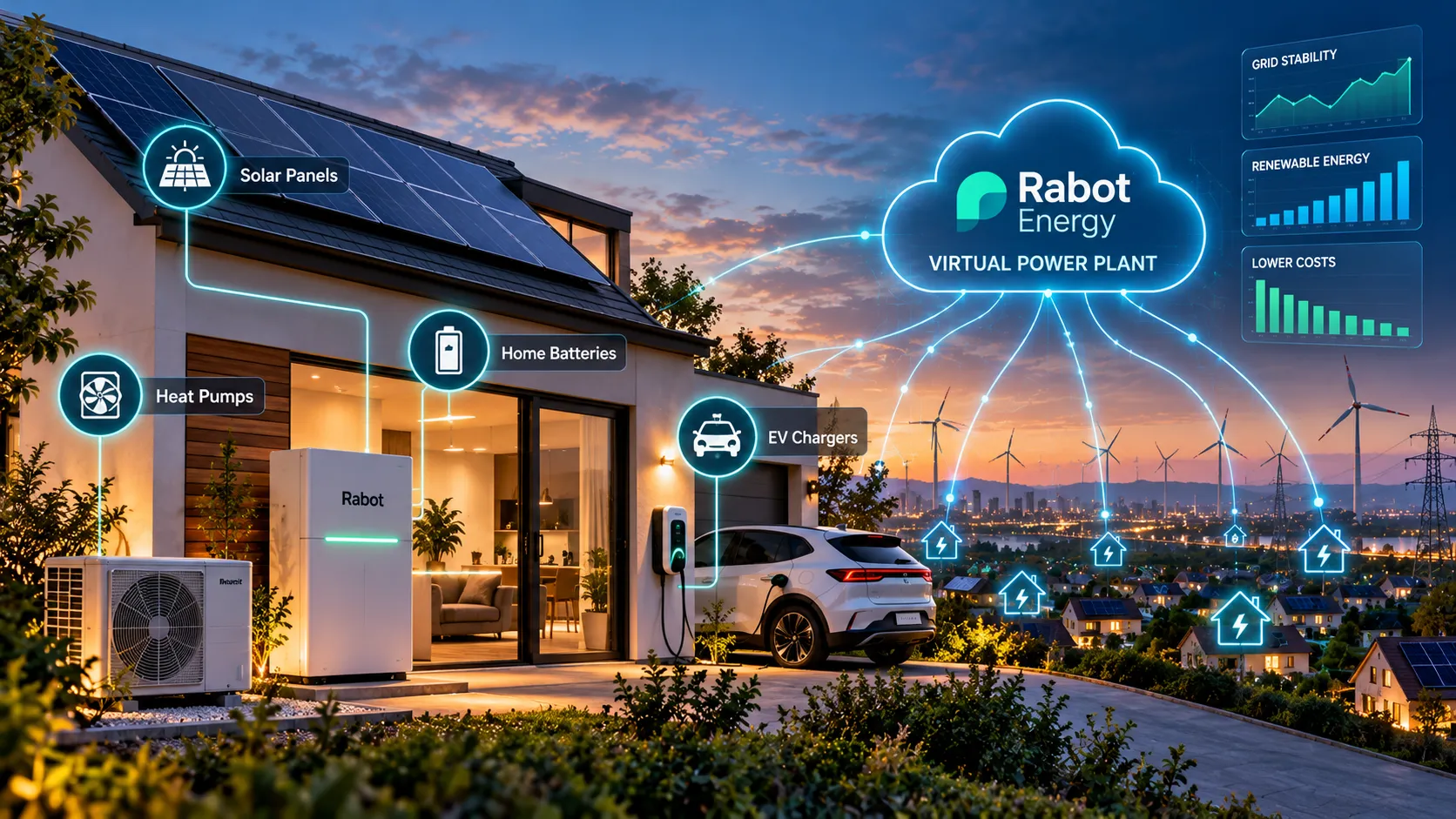
A virtual power plant aggregates many small energy devices, such as home batteries, solar panels, EV chargers and heat pumps, and coordinates them so that together they behave like a conventional power station. When electricity is cheap and plentiful, often when wind and solar output is high, connected devices can charge or run. When power is scarce and expensive, they can pause or discharge, reducing demand on the grid.
"The next generation of power plants will not be built; it will be connected," said Jan Rabe, Rabot's chief executive and co-founder.
The concept has gained traction across Europe as the share of renewable energy rises. Wind and solar output varies with the weather, so grids need flexibility to match supply and demand. Traditionally that flexibility came from gas-fired plants; virtual power plants offer a cleaner and potentially cheaper alternative.
Rabot Flow: A Battery That Plugs Into the Wall
In June 2026, Rabot launched Rabot Flow, a package combining a dynamic electricity tariff, a smart meter and a plug-in battery. The battery connects to a standard wall socket and does not require rooftop solar panels, which means renters as well as homeowners can use it.
Dynamic tariffs charge customers different prices depending on the time of day and conditions in the wholesale market. Combined with a battery that charges when prices are low and supplies the home when prices are high, the system can reduce bills while helping balance the grid. Rabot says the package can lower average household energy costs by 15 per cent.
The company reports more than 200,000 customers, including about 15,000 business clients, up from 35,000 in January 2024. It says it has supplied more than 600 million kilowatt-hours of renewable electricity and claims customers saved €45 million in 2025 compared with default tariffs, based on its own calculations. Rabot also says it has €200 million in revenue.
Investors Bet on Flexibility
Sara Resvik, a partner at Endeit, said "flexibility is becoming just as important as expanding renewable energy", capturing a shift in how investors view the energy transition. Building more wind and solar capacity is no longer enough on its own; the system also needs ways to use that power efficiently.
Dr Anne Hinze, senior investment manager at DTCF, said: "Jan and his team immediately convinced me with their ambitious vision, outstanding execution and relentless commitment."
The participation of Bosch Ventures, the venture arm of the German engineering group, also points to strategic interest from manufacturers of heating, cooling and household devices that could connect to such platforms.
From Tariff Switching to Energy Platform
Rabot's founders, Jan Rabe and Maximilian Both, first launched Wechselpilot, a service that automatically switched customers to cheaper electricity tariffs. They later founded Rabot Charge, now Rabot Energy, with their own money, before raising €4.5 million in pre-seed and seed funding by April 2023, a €17.5 million Series A led by HV in January 2024 and an undisclosed investment from Bosch Ventures in July 2025.
The company employs about 135 people across offices in Hamburg, Munich and Berlin.
Germany's Smart Meter Bottleneck
Rabot's growth faces a structural constraint in its home market. Only 5.9 per cent of metering points in Germany are smart meters, according to Tech Funding News, far fewer than in many other European countries. Without smart meters, households cannot easily benefit from dynamic tariffs or participate in virtual power plants.
Rabot competes with a number of players targeting the same opportunity, including Tibber, Ostrom, Octopus Energy's Kraken platform, 1KOMMA5° and metiundo.
Lessons Beyond Germany
The virtual power plant model is relevant far beyond Europe. In India, where rooftop solar adoption is rising and electric two-wheelers and cars are spreading, distribution companies face growing challenges in managing variable demand and supply. Time-of-day tariffs, which India has begun introducing for commercial and industrial consumers, are a first step towards the kind of price signals that make household flexibility valuable.
As battery prices fall and more homes add solar, EVs and smart appliances, the ability to coordinate millions of small devices could become a significant source of grid stability worldwide.
The Economics of Flexibility
The business case for virtual power plants rests on price volatility. As wind and solar supply a growing share of electricity, wholesale prices increasingly swing between very low or even negative levels when renewable output is high and sharp spikes when it is low. Devices that can shift consumption from expensive to cheap periods capture that difference, and aggregators such as Rabot can earn revenue by selling that flexibility to grid operators and electricity markets.
For households, the benefit comes through lower bills. For grid operators, flexible demand can reduce the need for expensive peaking plants and costly network upgrades. Battery storage operators across Europe have attracted billions of dollars in investment for the same reason. Rabot's approach of aggregating smaller household devices rather than building large grid-scale batteries offers a complementary route, using equipment that consumers buy for their own reasons to provide services to the wider system.
The Road Ahead
With $50 million in fresh capital, Rabot is positioned to accelerate its growth in Germany, one of Europe's largest electricity markets. Its success will depend on how quickly the country's smart meter rollout progresses, how many customers adopt batteries and connected devices, and whether it can demonstrate consistent savings at scale.
If Rabot achieves its goal of one million customers, its network of connected homes could become a meaningful source of flexibility for the German grid, a practical demonstration that the power plants of the future may be distributed across millions of homes.