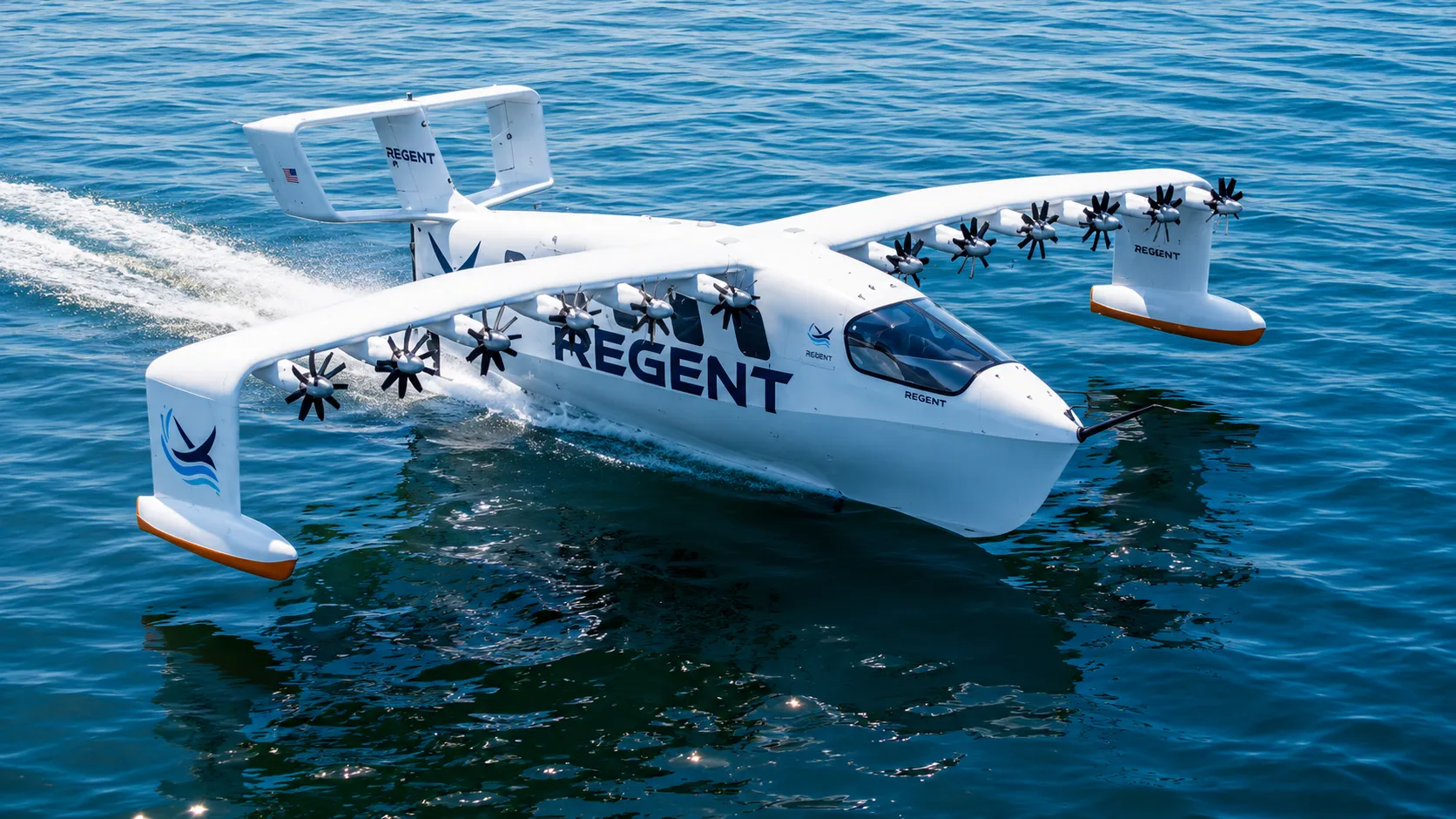
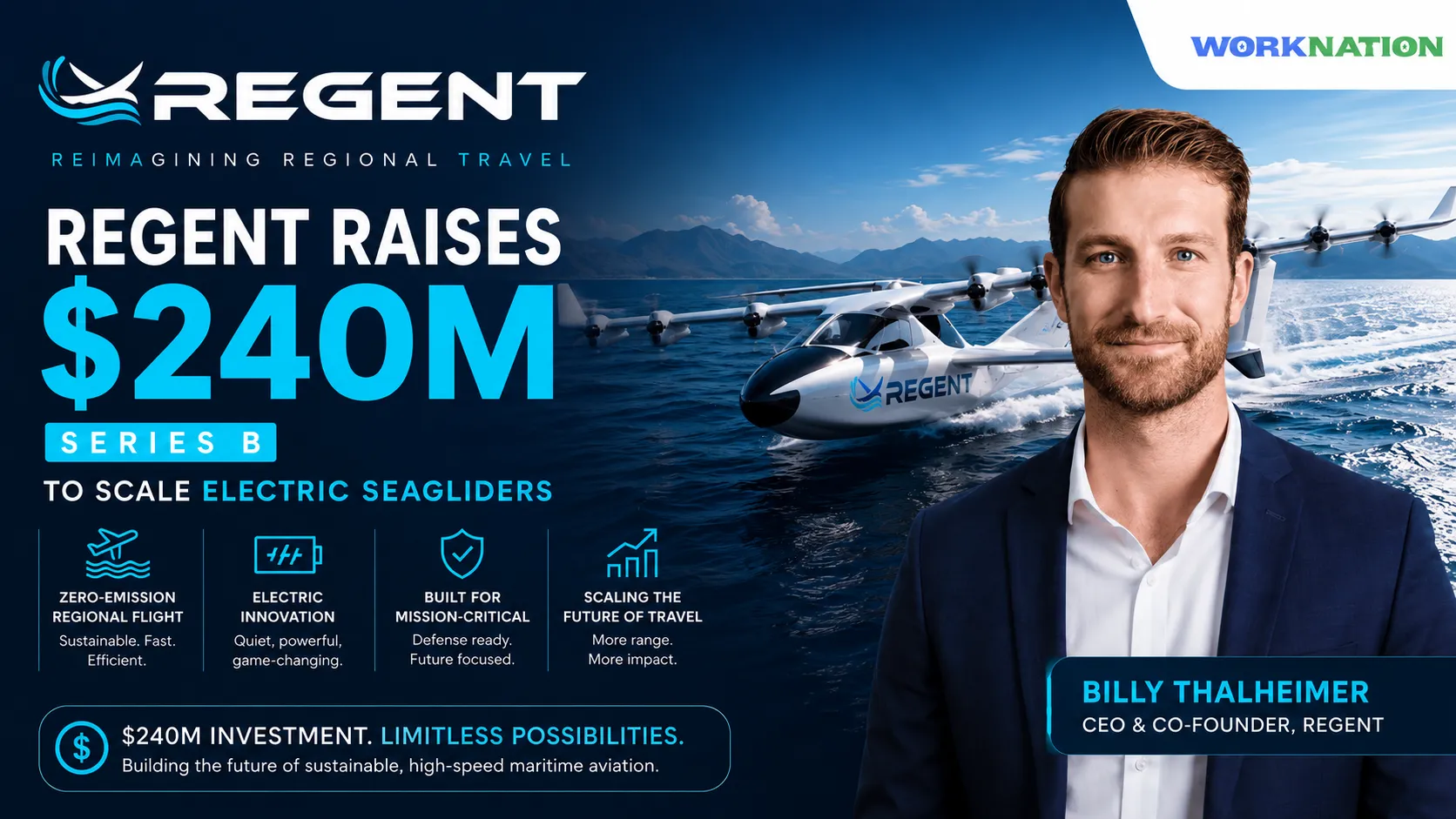
REGENT, a start-up developing high-speed, wing-in-ground-effect Seagliders for maritime and defence transport, has raised $240 million in Series B funding led by Lockheed Martin Ventures, with participation from Founders Fund and DCVC — a significant vote of confidence from both defence-industry and venture investors in an emerging category of coastal transport.
Seagliders operate by flying just above the water's surface, exploiting an aerodynamic effect that allows for higher speeds and lower energy consumption than conventional boats, while avoiding much of the regulatory and infrastructure complexity associated with traditional aviation.
The technology's dual civilian and defence applications have attracted a correspondingly dual investor base: Lockheed Martin Ventures brings deep defence-sector relationships and procurement insight, while venture investors such as Founders Fund and DCVC bring experience scaling capital-intensive, hardware-first start-ups from prototype to commercial production.
For maritime and coastal transport operators, Seagliders offer a potential middle ground between conventional ferries — slower but simpler to certify and operate — and seaplanes or helicopters, which offer speed but at substantially higher operating cost and with more complex regulatory requirements.
On the defence side, the technology's combination of speed, low signature and ability to operate in coastal and littoral environments has drawn interest from military planners seeking new options for rapid transport and logistics in contested maritime environments — a use case that helps explain Lockheed Martin Ventures' decision to lead the round.
The scale of the financing reflects broader investor enthusiasm for defence-adjacent transportation and mobility technology throughout 2026, a category that has benefited from both increased government defence spending globally and growing venture capital appetite for dual-use hardware start-ups with credible paths to both commercial and government revenue.
REGENT's next phase will centre on moving from demonstration and early production toward certified commercial and defence deployment — the stage at which many ambitious hardware start-ups have historically struggled, given the regulatory, manufacturing and capital demands involved. With $240 million in fresh capital and a strategic backer embedded within the defence-procurement ecosystem, the company enters that phase with resources and relationships that few peers in the emerging advanced-transportation category can currently match.