Saudi Arabia, the world's largest oil exporter, plans to store crude oil deep beneath an island in Singapore, bringing supplies closer to its most important customers as Asia grapples with the fallout of severe disruption to Middle Eastern energy shipments.
Saudi Aramco will sign a memorandum of understanding with Singapore's Energy Market Authority and JTC Corp, the government agency that manages industrial infrastructure, on Monday, October 26, Reuters reported. Under the arrangement, Saudi crude will be stored at the Jurong Rock Caverns starting in the second half of 2027.
Singapore's minister for energy, trade and industry, Tan See Leng, said the two countries were announcing their "joint intent to establish an arrangement for Saudi crude oil to be stored at the Jurong Rock Caverns." The parties aim to conclude negotiations within a few months.
"This arrangement enhances the resilience of the Saudi crude oil supply chain in Southeast Asia," Tan said.
Underground storage
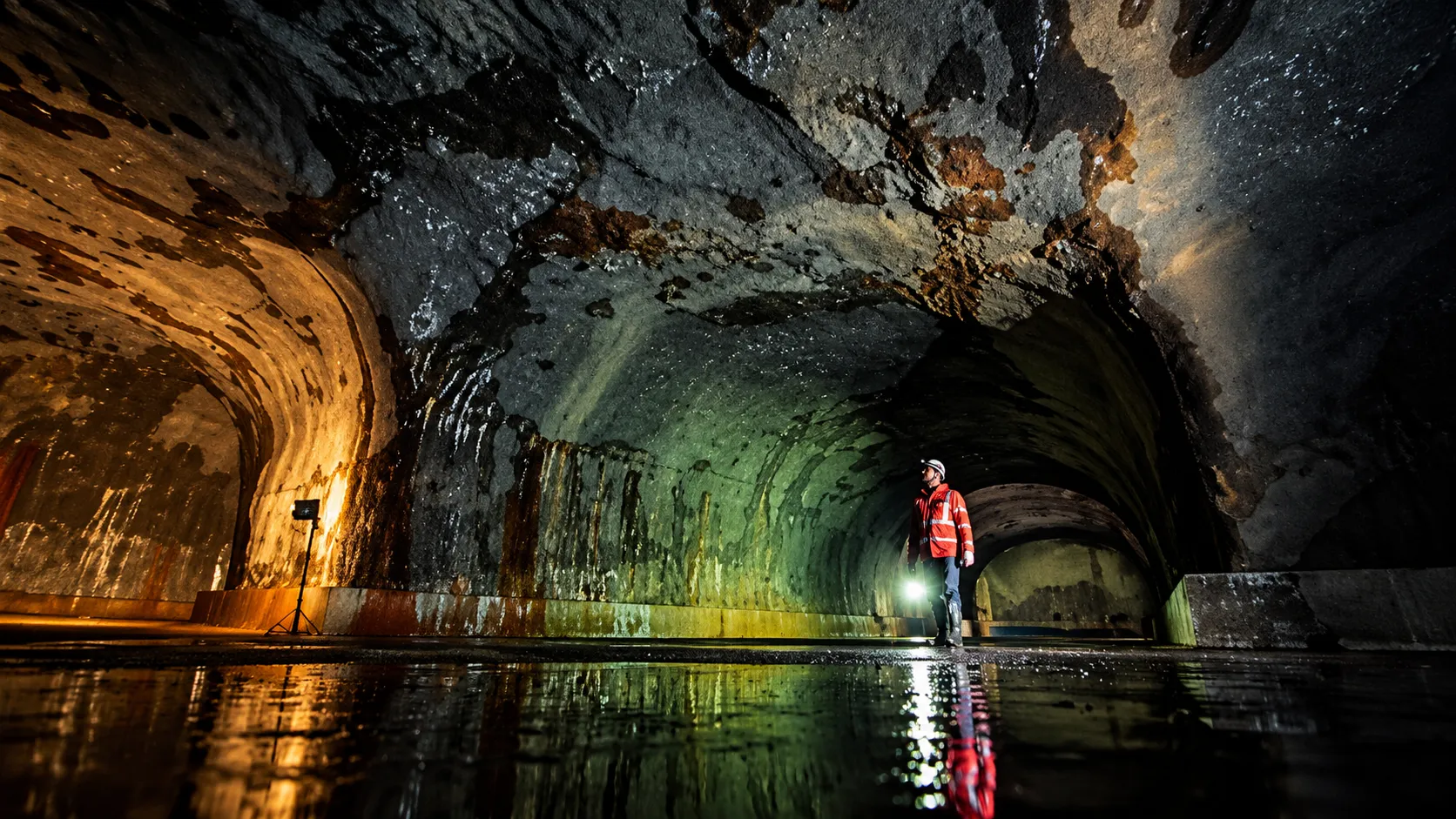
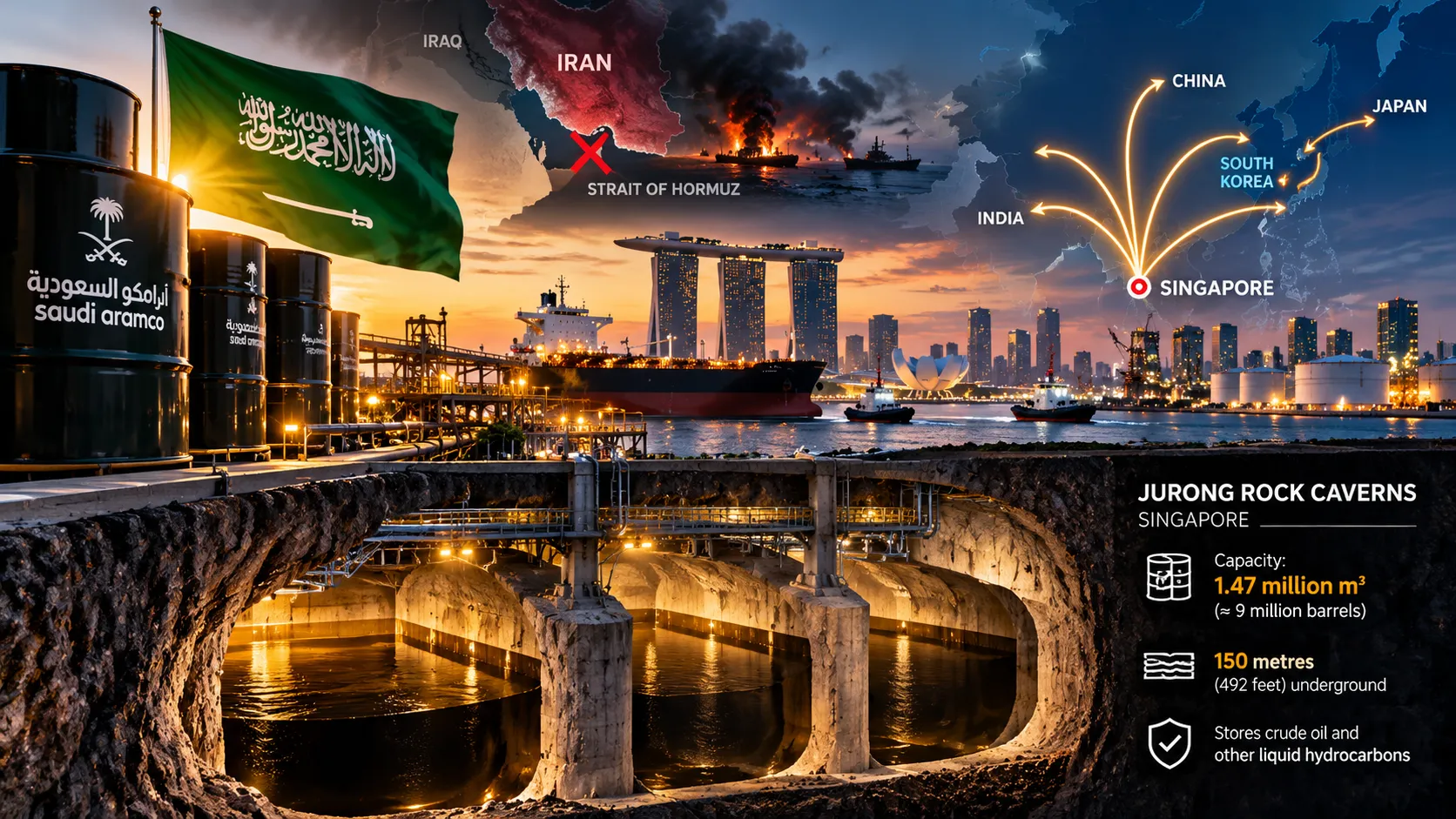
The Jurong Rock Caverns lie 150 metres, or 492 feet, underground at Jurong Island, Singapore's petrochemical hub. They can hold up to 1.47 million cubic metres, roughly 9 million barrels, of liquid hydrocarbons such as crude oil and condensate.
Built to free up scarce land in the densely populated city-state, the caverns were Southeast Asia's first underground liquid hydrocarbon storage facility. Storing oil underground is safer and more space-efficient than conventional above-ground tanks.
The Hormuz shock
The deal comes in response to one of the most serious disruptions to energy supplies in decades. The US-Israeli war with Iran has severely disrupted shipments through the Strait of Hormuz, the narrow waterway through which a large share of the world's oil passes. Asian countries have been forced to draw down inventories to keep their economies running.
Before the war, Asia imported about two-thirds of its oil from the Middle East, making the region particularly vulnerable to disruptions in the Gulf. Brent crude has risen to around $114 a barrel.
Saudi Energy Minister Prince Abdulaziz bin Salman Al-Saud, speaking by video at the conference, said: "Bringing supply closer to key Asian markets would strengthen the flexibility of our supply network."
Aramco's Asian storage network
Saudi Aramco already stores crude in Japan and South Korea under arrangements that give local governments priority to buy the oil during unexpected shortages. Aramco's storage capacity in Okinawa, Japan, was expanded to 8.2 million barrels in 2017 under an agreement with Japan Oil, Gas and Metals National Corp. In 2023, Aramco agreed with Korea National Oil Corp to store 5.3 million barrels at Ulsan for five years.
These arrangements benefit both sides. Saudi Arabia gains storage close to its customers, allowing faster deliveries and more flexibility in trading. Host countries gain an additional buffer of supply that they can access in emergencies without bearing the full cost of building and maintaining reserves.
Asia's reserve gap
China, Japan and South Korea have built large strategic oil stockpiles, but most other Asian countries have much smaller buffers against supply shocks. Many Southeast Asian countries hold only limited reserves, leaving them exposed to disruptions.
Japan is discussing with other Asian countries ways to boost regional crude reserves under the Partnership in Wide Energy and Resources Resilience Asia initiative, proposed earlier this year by Prime Minister Sanae Takaichi and backed by $10 billion in financial support.
What it means for India
India has built strategic petroleum reserves in underground caverns at Visakhapatnam, Mangaluru and Padur, managed by Indian Strategic Petroleum Reserves Ltd, and has invited foreign oil producers to use part of the capacity under arrangements similar to those Aramco has in Japan and South Korea. The Abu Dhabi National Oil Company has stored crude in India's reserves under such an arrangement.
India's reserves cover only a limited number of days of consumption, and the current crisis has highlighted the importance of expanding them. The government has planned additional reserve capacity, and the Saudi-Singapore deal may add impetus to efforts to attract producers to store oil in India.
Singapore's role as an energy hub
Singapore, despite having no oil resources of its own, is one of the world's leading oil trading and refining hubs, with major refineries operated by ExxonMobil, Shell and others. Hosting Saudi crude would strengthen its role as a centre for energy trading and supply in Asia.
For Singapore, the arrangement also enhances its own energy security, as stored oil could be available to the region in a crisis.
Energy transition considerations
The deal comes as Asian countries pursue the transition to cleaner energy. Singapore has committed to reaching net-zero emissions by 2050 and is investing in solar power, electricity imports and hydrogen. However, the current crisis has reinforced that oil will remain essential for the region's economies for years to come, and that energy security must be managed alongside decarbonisation.
How storage deals work
Under arrangements of the kind Aramco has in Japan and South Korea, the producer typically stores its own crude in the host country's facilities, using them as a regional distribution base from which it can supply customers more quickly. In return, the host government gains priority access to the oil if a supply emergency strikes, effectively adding to its national reserves without paying for the crude.
The arrangement is valuable to producers because it allows them to respond rapidly to market opportunities in Asia, reducing shipping times from the Gulf, which can take several weeks. It also strengthens commercial relationships with key buyers.
Shipping routes and chokepoints
Crude stored in Singapore would sit at the gateway to the Strait of Malacca, through which a large share of Asia's oil imports pass. That location gives quick access to markets in Southeast Asia, China, Japan and South Korea, and would be outside the reach of disruptions in the Gulf.
What comes next
Saudi Aramco, the Energy Market Authority and JTC aim to conclude negotiations within months, with storage beginning in the second half of 2027. The terms, including how much of the caverns' capacity will be used and the conditions under which Singapore could access the oil, have yet to be disclosed.
The agreement may encourage other Asian countries to pursue similar arrangements with major producers, as the region seeks to build resilience against future disruptions to energy supplies. Energy analysts said the arrangement could also improve Saudi Arabia's competitive position against other suppliers to Asia.