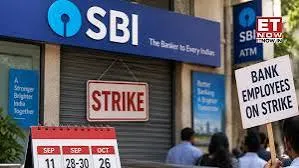
The United Forum of Bank Unions (UFBU), the umbrella body representing employees and officers across India's public-sector banks, has served the State Bank of India with strike notices for September 11, September 28–30, and a continuous strike beginning October 26, 2026, according to a disclosure dated September 7, 2026. The escalating notice schedule signals a hardening of the ongoing dispute between bank employee unions and management over unresolved wage and service-condition demands.
Public-sector bank strikes in India have historically centred on issues spanning wage revisions, staffing levels, pension structures and, in recent cycles, concerns over the pace and scope of bank privatisation and consolidation. A staggered strike notice schedule — moving from a single day, to a multi-day stoppage, to an open-ended continuous strike — is a common escalation tactic used by Indian labour unions to signal seriousness to management while preserving room for negotiation before the most disruptive, continuous phase of industrial action begins.
For SBI, India's largest public-sector lender by assets and branch network, even short-duration strikes carry material operational implications, given the bank's central role in government disbursements, retail banking access across rural and semi-urban India, and interbank clearing functions. Prolonged labour disputes at an institution of SBI's scale also tend to draw close attention from the finance ministry and banking regulators, given the potential knock-on effects for public confidence in banking-sector service continuity, particularly during periods when the broader banking sector is already navigating other operational and technological transitions.
Whether the dispute is resolved before the October 26 continuous strike date begins will depend on the pace of negotiations between UFBU and bank management over the coming weeks. For now, the staggered notice schedule leaves both sides a window to reach a settlement, but it also signals that the underlying disagreements — most likely centred on compensation and working-condition demands that have recurred across previous rounds of Indian bank-union negotiations — remain unresolved heading into the final quarter of the year.