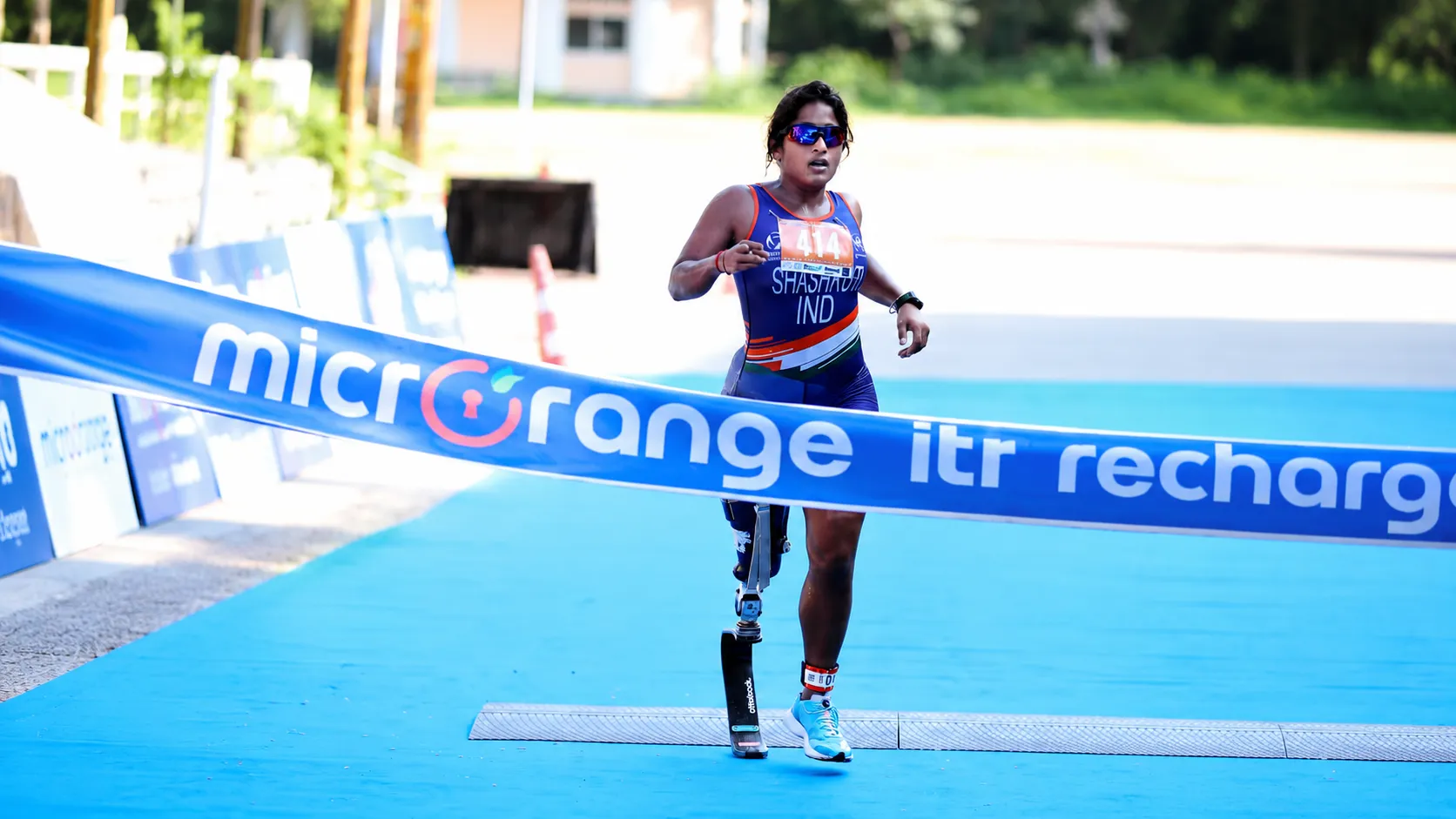
Indian athlete Shashruti Nakade continues to inspire with what can only be described as a remarkable display of sustained athletic achievement, having transformed her career from competitive swimming into a rising force in para-triathlon, a profile published on August 31 detailed. Nakade now holds a World No. 9 ranking in her category, positioning her among the sport's genuine contenders heading into the next Paralympic cycle.
Nakade's athletic journey began in the swimming pool, where she earned multiple medals over the course of a competitive career before making the demanding transition into triathlon — a sport that combines swimming, cycling and running into a single gruelling event requiring an entirely different physiological and strategic skill set than any individual discipline alone. That transition speaks to both her underlying athletic versatility and the depth of her competitive determination.
Her push toward the Paris Paralympics fell agonisingly short, narrowly missing qualification for what would have been a career-defining moment on sport's biggest stage. Rather than allowing that disappointment to derail her trajectory, Nakade has redirected her focus toward the Los Angeles 2028 Paralympic Games, using the intervening years to refine her performance across all three triathlon disciplines and climb steadily through the global para-triathlon rankings.
Her current World No. 9 standing reflects consistent, high-level performance across international competition, a ranking that places her firmly within striking distance of the podium contenders who will define the sport at the Los Angeles Games. Achieving and maintaining a top-ten global ranking in an endurance sport as physically demanding as triathlon requires not only elite physical conditioning but also sophisticated race strategy, equipment optimisation and mental resilience across events that frequently extend well beyond an hour of continuous, multi-discipline competition.
Nakade's story resonates within a broader narrative of growing visibility for para-athletes within Indian sport, an area that has historically received far less institutional support, media coverage and public recognition than able-bodied athletics despite producing consistently strong international results across multiple disciplines. Her continued rise adds to a growing roster of Indian para-athletes who have used major international competitions to demonstrate that world-class performance transcends the visibility gap the broader sporting ecosystem has too often imposed on disability sport.
For young athletes navigating similar transitions — whether across disciplines, following setbacks, or working to build competitive careers within under-resourced sporting ecosystems — Nakade's trajectory offers a tangible example of how strategic reinvention and sustained commitment can convert near-misses into stronger long-term positioning. Her shift from swimming to triathlon, undertaken after already achieving competitive success in her original discipline, reflects a level of athletic and personal courage that extends well beyond raw physical talent.
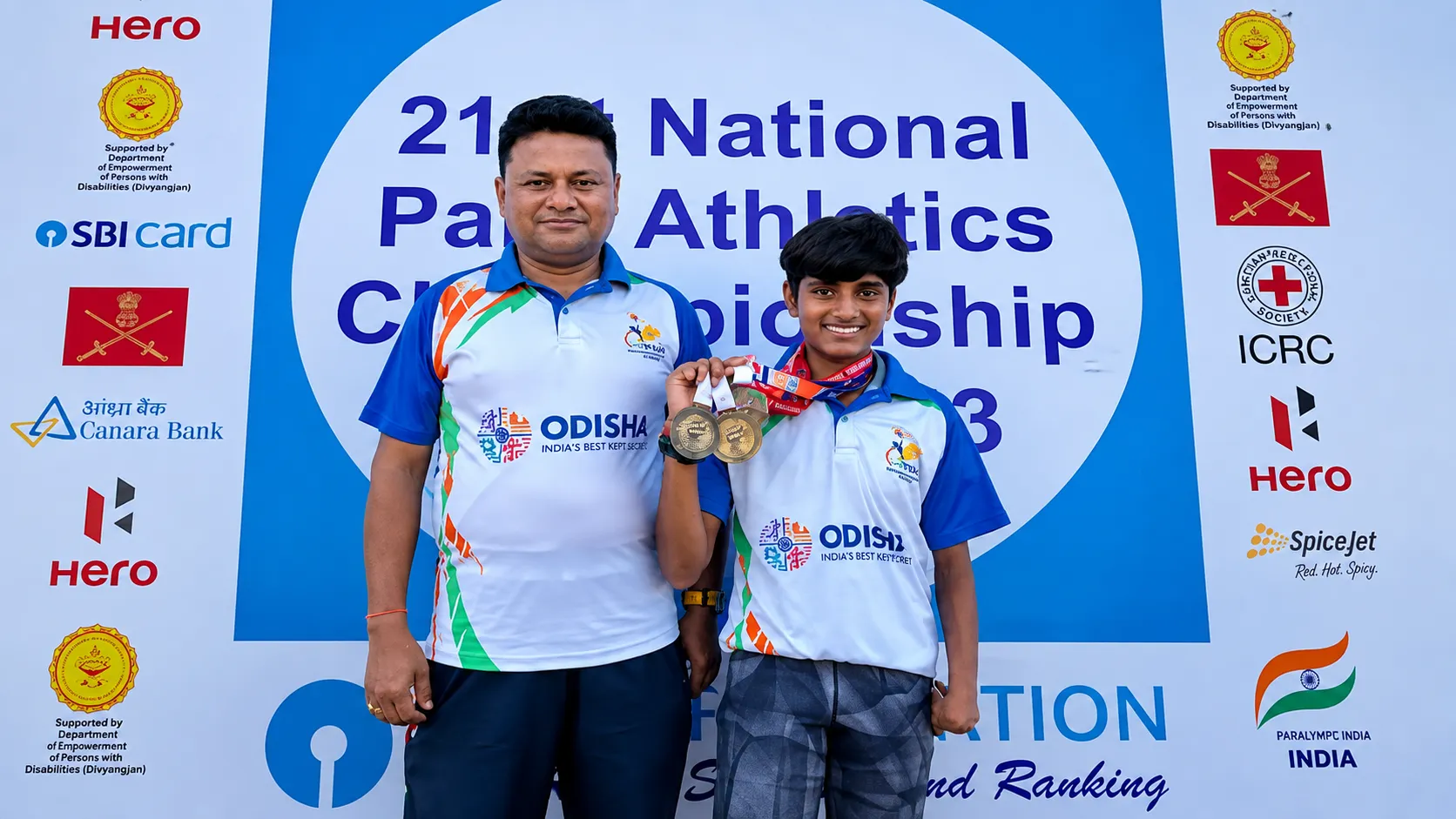
As she continues her build toward Los Angeles 2028, Nakade's progress will likely be closely followed by India's growing community of para-sport advocates, who see in her journey both a compelling individual story and a broader case study in what sustained investment in para-athlete development could unlock for Indian sport on the global stage.
India's broader para-sport ecosystem has seen incremental but meaningful gains in institutional support over recent Paralympic cycles, with government sports bodies and select corporate sponsors increasingly allocating dedicated resources toward para-athlete training, equipment and international competition exposure. Athletes like Nakade, who compete across multiple demanding endurance disciplines, often require access to highly specialised coaching, adaptive equipment and sports-science support that remains considerably harder to secure in India than in countries with more mature para-sport funding infrastructure.
The narrow miss for Paris also speaks to the fine margins that separate qualification from near-miss at the highest levels of Paralympic competition, where qualifying standards are set against a rapidly improving global field. Climbing from that disappointment to a top-ten world ranking within a relatively short window reflects both the technical refinements Nakade has made across her three competitive disciplines and the psychological resilience required to immediately refocus toward a four-year Olympic cycle rather than allow a single missed qualification to define her career trajectory.
Beyond her individual competitive achievements, Nakade has increasingly used her growing public profile to advocate for greater visibility and structural support for para-athletes within Indian sport, echoing calls from other prominent Indian Paralympians for more consistent funding, better access to specialised training facilities, and expanded media coverage that could help para-sport achieve the kind of sustained public attention that able-bodied Olympic sports in India have historically enjoyed to a far greater degree.
Her rise also arrives at a moment when India's overall Paralympic performance has drawn increasing national attention, following a series of strong showings at recent Games that have gradually shifted public perception of para-sport from a peripheral category toward a genuine source of national sporting pride. Athletes like Nakade, competing in a demanding multi-discipline sport that receives comparatively limited domestic infrastructure investment, are frequently cited by sports administrators as evidence of the untapped potential that more systematic support could unlock across India's broader para-athlete talent pool.
As Nakade continues training toward Los Angeles 2028, her journey stands as a reminder that the margins separating Paralympic qualification from near-miss are frequently measured in fractions of a second or single ranking positions — margins that sustained, well-resourced athlete development programmes are uniquely positioned to help India's growing roster of world-class para-athletes consistently overcome.
Her continued rise also offers a compelling counter-narrative to persistent assumptions about disability and athletic ceiling, reinforcing a message that Indian sports administrators increasingly emphasise: that world-class performance in para-sport is limited far more by access to resources than by any inherent constraint on athletic achievement itself.