
Sino Jet and China Aviation Fuel have implemented what the companies describe as China's first sustainable aviation fuel, or SAF, compliance service specifically designed for foreign-registered business jets operating within the country. The initiative combines aviation fuel supply and regulatory compliance services, creating a formal mechanism for internationally registered business aircraft to participate in China's emerging SAF framework — a development that addresses a previously underserved segment of the country's growing business aviation sector.
The service adds to a broader pattern of China's aviation sector extending sustainability infrastructure to previously underserved operator categories as the country's SAF framework continues to mature.
Sustainable aviation fuel, produced from renewable feedstocks such as waste oils, agricultural residues or synthetic pathways, has emerged as one of the primary near-term levers available to the aviation industry for reducing its carbon footprint, given the relatively long development timelines associated with alternative propulsion technologies such as electric or hydrogen-powered aircraft. China's aviation sector has been steadily building out SAF production and compliance infrastructure in recent years, though much of the initial regulatory and supply-chain focus has centred on domestic commercial carriers rather than the smaller but growing foreign business-jet segment operating within the country.
China Aviation Fuel's involvement also reflects the state-linked fuel supplier's broader strategic role in building out the country's sustainable aviation fuel production and distribution infrastructure, a role that has expanded considerably as Beijing has prioritised aviation decarbonisation within its broader climate policy framework. Industry observers note that state-linked fuel suppliers occupy a uniquely influential position in shaping how quickly SAF compliance infrastructure reaches underserved operator segments, given their control over both production capacity and distribution logistics across China's rapidly growing civil aviation sector.
The new compliance service addresses a specific operational challenge faced by international business aviation operators: navigating China's SAF-related regulatory requirements while their aircraft remain registered under foreign jurisdictions with their own distinct compliance frameworks. By combining fuel supply with dedicated compliance support, Sino Jet and China Aviation Fuel aim to reduce the administrative complexity that has previously made SAF adoption more difficult for foreign-registered aircraft operating in Chinese airspace, potentially accelerating SAF uptake within a segment of aviation that has historically been slower to adopt sustainability measures relative to commercial passenger carriers.
As global aviation regulators continue to push for broader SAF adoption, business aviation specifically has faced growing scrutiny given its comparatively high per-passenger emissions relative to commercial air travel, making compliance infrastructure improvements in this segment strategically significant for the industry's broader sustainability positioning. The Sino Jet and China Aviation Fuel service offers a concrete example of how targeted compliance infrastructure, rather than broad regulatory mandates alone, can help extend SAF adoption into segments of the aviation industry that might otherwise lag behind commercial carriers in sustainability progress.
Business aviation trade associations operating in Asia have noted growing member interest in China's evolving SAF compliance landscape, suggesting the Sino Jet and China Aviation Fuel service could see meaningful early uptake among international operators seeking to formalise their sustainability compliance status within the Chinese market.
The service's launch also comes as several other major aviation markets, including the European Union and United States, continue refining their own SAF mandates and compliance frameworks, creating an increasingly complex but gradually converging global regulatory landscape that international business aviation operators must now navigate across multiple jurisdictions simultaneously.
The launch reflects a broader pattern across the global aviation sector in 2026, in which SAF supply-chain and compliance infrastructure has been steadily maturing beyond early pilot programmes toward more institutionalised commercial services. For China specifically, extending SAF compliance infrastructure to foreign-registered aircraft represents an incremental but meaningful step toward integrating the country's business aviation sector more fully into global sustainability commitments, at a time when international aviation bodies continue to push for broader SAF adoption across all aircraft categories, not commercial carriers alone.
China's sustainable aviation fuel policy framework has developed rapidly over the past several years, with the government setting ambitious blending targets for domestic carriers as part of its broader civil aviation decarbonisation strategy. However, much of the initial compliance and reporting infrastructure was designed primarily around large domestic commercial airlines, leaving smaller operator categories — including the growing population of foreign-registered business jets serving China's expanding corporate and high-net-worth travel market — without a clear, streamlined compliance pathway. The Sino Jet and China Aviation Fuel service addresses this gap directly, and industry observers suggest it could serve as a template for how China extends its SAF framework to other underserved aviation segments, including general aviation and cargo operators, as the country's broader sustainable aviation infrastructure continues to mature.
From a regional-infrastructure perspective, the Sino Jet and China Aviation Fuel service also reflects the growing maturity of China's broader civil aviation sustainability ecosystem, positioning the country as an increasingly influential reference point for how large aviation markets extend SAF compliance infrastructure across the full spectrum of operator categories, not commercial carriers alone.
As sustainable aviation fuel infrastructure continues to develop across major aviation markets globally, the Sino Jet and China Aviation Fuel partnership offers an early example of how compliance services tailored to specific operator segments — in this case, foreign-registered business jets — can help extend SAF adoption beyond the commercial aviation sector where most current attention and infrastructure investment has been concentrated.
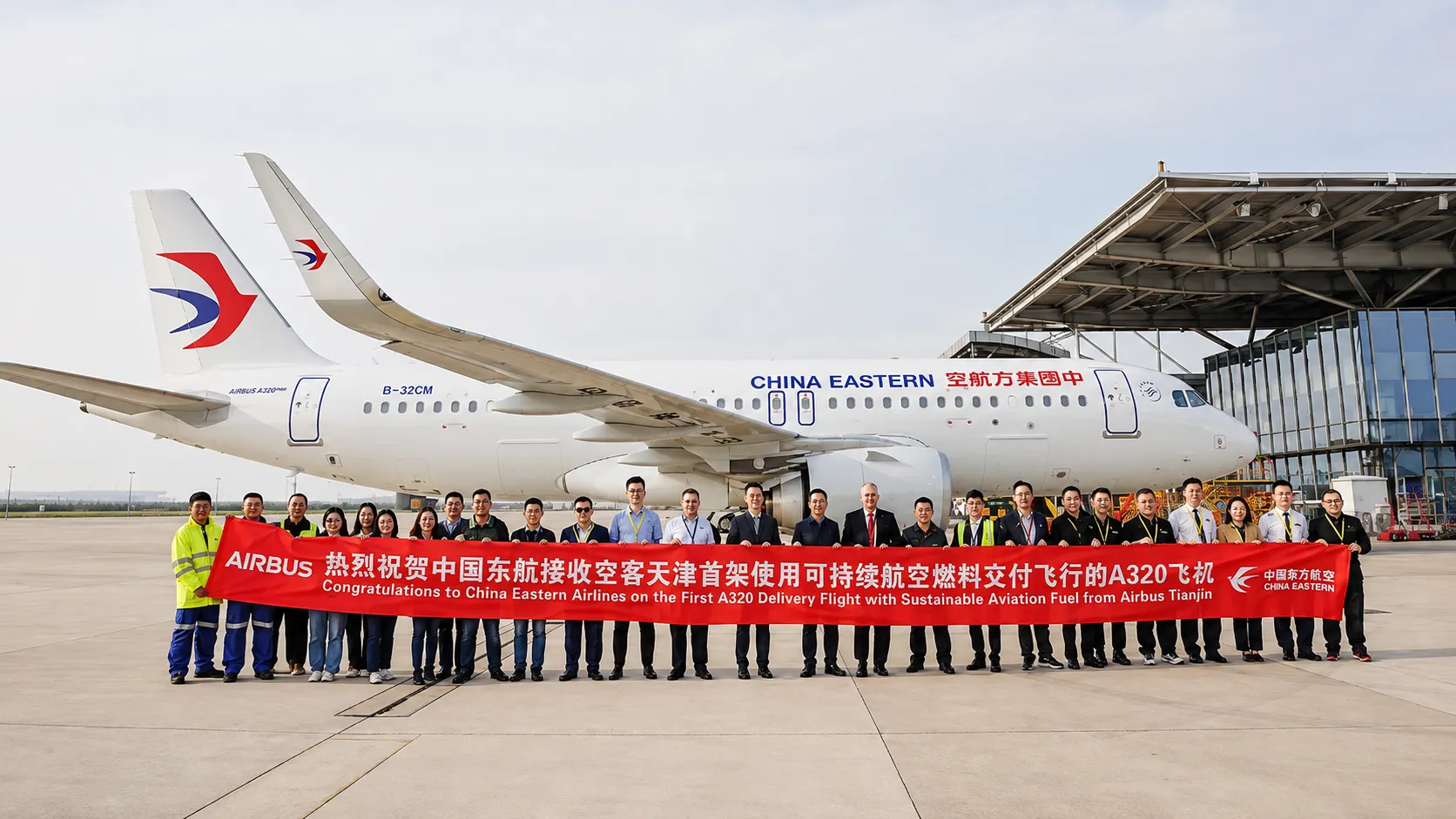
As China continues expanding its sustainable aviation fuel infrastructure, the extension of compliance services to foreign-registered business jets may prove to be an early indicator of how the country intends to integrate its broader aviation sector — beyond just its largest domestic commercial carriers — into its long-term climate commitments. For international business aviation operators, the new service offers a clearer pathway to sustainability compliance within one of the world's fastest-growing aviation markets.
Sino Jet and China Aviation Fuel have indicated the service will be expanded to cover additional airports and operator categories as demand and regulatory clarity develop further over the coming months.
Foreign business aviation operators active in China have previously described navigating the country's evolving sustainability compliance requirements as one of the more complex aspects of operating in the market, making the new joint service a notable simplification that industry representatives say could encourage greater SAF adoption among operators who had previously deferred compliance efforts due to administrative complexity alone.