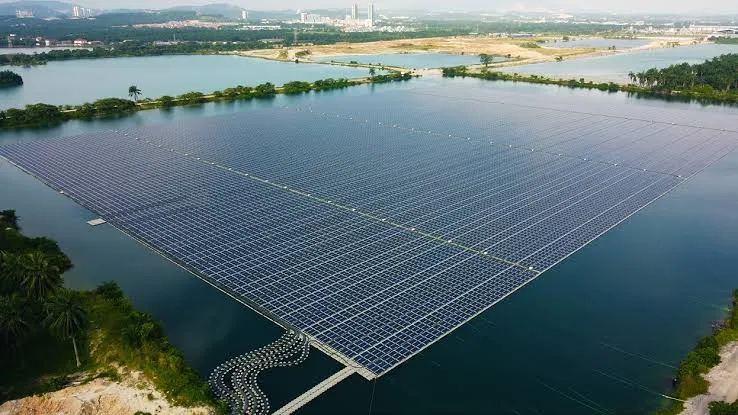
SunAsia Energy has announced plans to develop a 1 gigawatt floating solar project on Laguna Lake in the Philippines, positioning the development as one of the largest floating solar projects announced globally in 2026 and a significant addition to the country's renewable energy pipeline. Floating solar — the deployment of photovoltaic panels on water bodies rather than land — has gained increasing traction across Southeast Asia as a solution to land-scarcity constraints that often limit large-scale ground-mounted solar deployment in densely populated regions.
Laguna Lake, the largest lake in the Philippines and located near the greater Manila metropolitan area, offers a substantial water surface area that could support utility-scale floating solar generation while avoiding the land-acquisition challenges and opportunity costs associated with converting agricultural or forested land to solar development, an increasingly important consideration in a country where land for large infrastructure projects near major population centres is scarce and often contested.
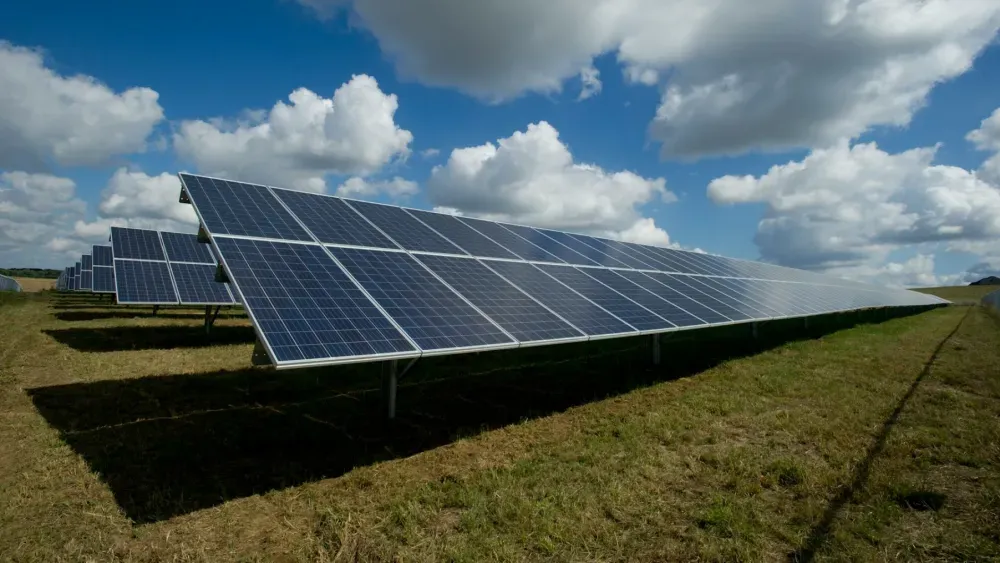
The Philippines has set ambitious renewable energy targets as part of its broader energy transition strategy, seeking to reduce dependence on imported fossil fuels while diversifying its power generation mix amid rising electricity demand driven by economic growth and industrialisation. Floating solar projects of the scale proposed by SunAsia Energy could play a meaningful role in helping the country meet these targets, particularly given the Philippines' extensive coastline and network of large freshwater lakes that offer substantial untapped potential for water-based renewable energy generation.
Floating solar technology carries some additional engineering and environmental considerations relative to conventional ground-mounted installations, including the need for specialised mooring and anchoring systems capable of withstanding wave action and water-level fluctuations, as well as careful environmental assessment to understand potential impacts on lake ecosystems, water quality and existing uses of the water body, such as fisheries and local livelihoods dependent on the lake.
Southeast Asia's floating solar sector has grown considerably over the past several years, with countries including Indonesia, Vietnam and Thailand also pursuing large-scale floating solar developments as part of their respective renewable energy strategies, reflecting a broader regional trend toward water-based solar deployment as a solution to land-use constraints common across the region's densely populated areas.
As SunAsia Energy moves the Laguna Lake project from announcement toward financial close and construction, the development will be closely watched by both regional energy investors and environmental stakeholders as a test case for how large-scale floating solar projects can be developed responsibly, balancing renewable energy generation goals against the ecological and community considerations associated with major infrastructure development on a significant freshwater body near a large metropolitan population.