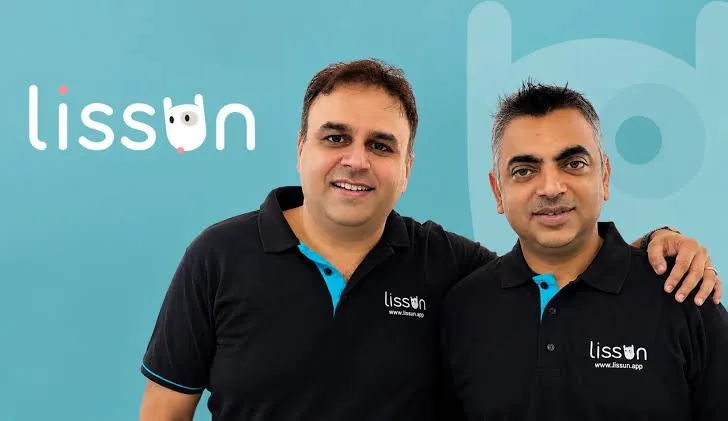
Sunshine by LISSUN, a child-focused healthtech venture, has raised ₹48 crore in fresh funding to expand its network of development centres for children with special needs and developmental delays. The round positions the company to scale a model that combines physical, clinic-based care with technology-enabled tools, addressing a persistent gap in India's paediatric mental-health and developmental-care infrastructure — a segment that has long been underserved relative to the scale of need across the country's tier-one and tier-two cities.
The round adds to a small but growing cluster of Indian healthtech deals this year that have prioritised clinically rigorous, narrowly focused care models over broad, horizontal consumer health platforms.
The company's approach centres on integrating physical child development centres with digital, AI-led diagnostic and therapeutic tools, an operating model designed to extend the reach of a limited pool of trained developmental specialists. India faces a well-documented shortage of paediatric psychologists, occupational therapists and speech-language pathologists relative to the population of children who require early intervention services. By combining in-person clinical assessment with technology-assisted monitoring and therapy planning, Sunshine by LISSUN aims to reduce the cost and geographic barriers that have historically kept structured developmental support out of reach for many Indian families.
The Series funding also arrives as Indian insurers and corporate health-benefit providers have begun showing greater willingness to include structured developmental and paediatric mental-health services within employer-sponsored health coverage, a shift that could materially expand the addressable market for companies like Sunshine by LISSUN beyond direct-to-consumer payment models. Should this trend continue, technology-enabled providers with demonstrated clinical outcomes and standardised care protocols would be particularly well positioned to secure the kind of institutional payer relationships that have historically been difficult for smaller, single-clinic developmental care providers to establish independently.
With the new capital, the company plans to expand its physical footprint across key Indian cities, while simultaneously investing in the development of AI-led diagnostic and therapy-support tools designed to improve consistency of care and enable earlier identification of developmental delays. Early intervention has consistently been shown in clinical literature to significantly improve long-term outcomes for children with developmental and special needs, making the timing and accessibility of services a critical variable — one that Sunshine by LISSUN's hybrid model is explicitly designed to address at scale.
Investors in India's paediatric and mental-health technology space have also pointed to the growing willingness of urban Indian families to proactively seek developmental support for their children, a shift in social attitudes that has gradually reduced the stigma historically associated with developmental delays and specialised paediatric care. This changing attitude, combined with rising disposable incomes among India's expanding middle class, has created more favourable underlying demand conditions for companies like Sunshine by LISSUN than existed even five years ago, providing a stronger commercial foundation for scaling clinically intensive, technology-enabled care models of this kind.
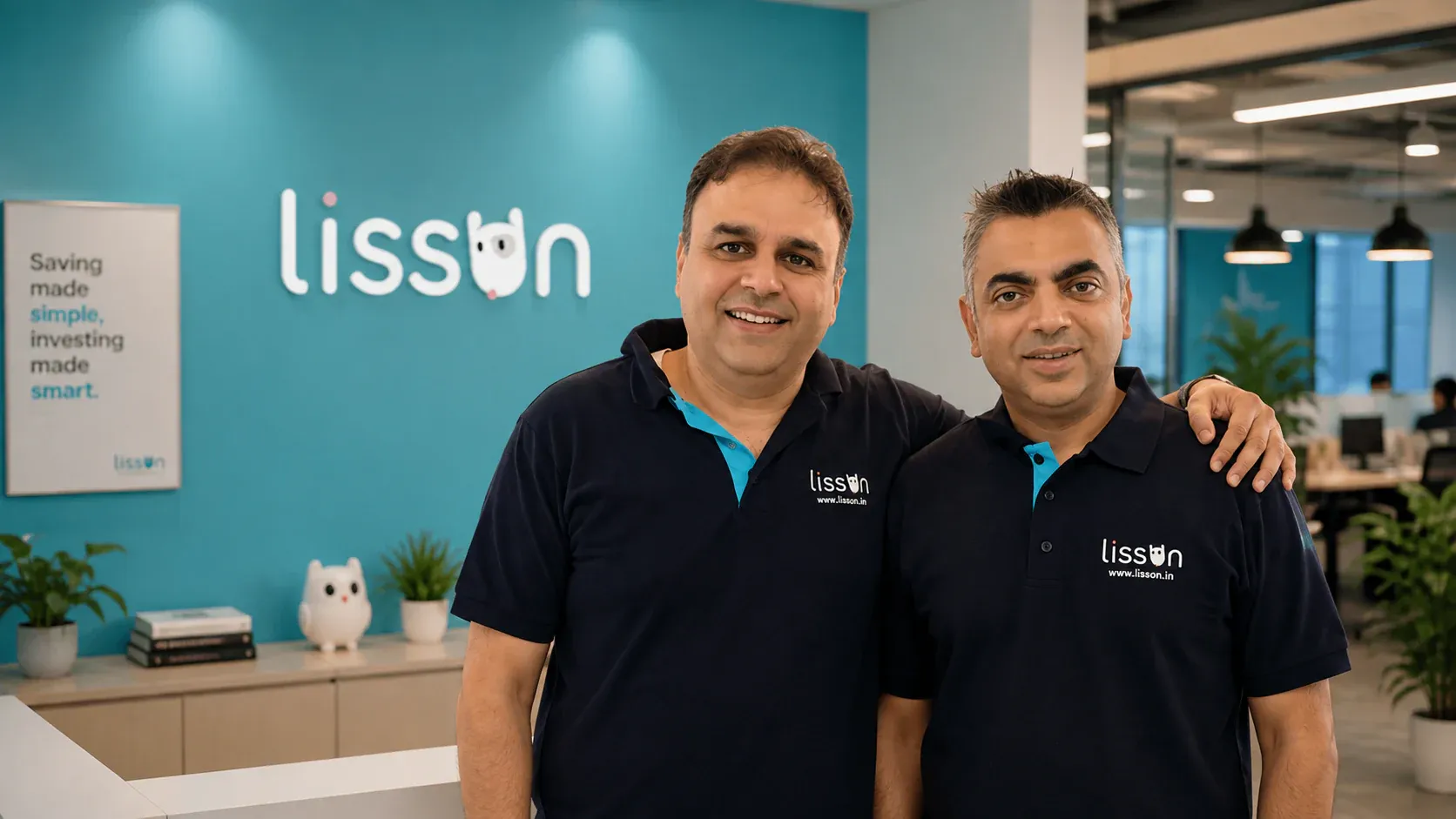
The funding also comes as investor interest in India's broader mental-health and paediatric-care technology sector continues to build, following several years in which digital health investment was concentrated primarily around adult telemedicine and diagnostics. Sunshine by LISSUN's focus on children with special needs represents a narrower, more clinically intensive niche, one that requires deeper integration between technology and in-person clinical infrastructure than typical direct-to-consumer health apps. Investors backing this round appear to be betting on the durability of that hybrid model as a differentiator in a market where trust and clinical credibility matter as much as technological sophistication.
India's broader paediatric healthcare infrastructure remains heavily concentrated in major metropolitan centres, leaving families in smaller cities and towns with limited access to specialists trained in developmental assessment and early-intervention therapy. This geographic imbalance has historically forced many families to either relocate temporarily for treatment or forgo structured intervention altogether, often at significant long-term cost to the child's development. Technology-enabled models such as Sunshine by LISSUN's hybrid approach are increasingly viewed by investors and policymakers alike as one of the more scalable mechanisms for narrowing this gap, since they do not require replicating full clinical teams in every city, but instead extend the reach of centralised expertise through structured remote monitoring and locally delivered in-person care. As the company deploys its ₹48 crore in fresh capital, its ability to maintain clinical quality while expanding into smaller cities will be a key test of whether this model can scale beyond India's largest metropolitan markets without compromising the standard of care that has underpinned its early growth.
From a policy perspective, the growth of technology-enabled paediatric care providers like Sunshine by LISSUN also intersects with India's broader public-health planning around early childhood development, an area that government health missions have increasingly prioritised given strong evidence linking early intervention to long-term educational and economic outcomes. While private providers cannot substitute for public health infrastructure at national scale, well-run hybrid models offer policymakers a potential template for public-private partnership approaches to extending specialist paediatric care into underserved regions. Should Sunshine by LISSUN's expansion prove successful in tier-two markets, similar hybrid infrastructure models could plausibly attract interest from state health departments seeking scalable approaches to closing India's persistent developmental-care access gap without the capital intensity of building specialist clinical infrastructure from scratch in every district.
As the company scales its centre network and technology platform, Sunshine by LISSUN's progress will be closely watched as an indicator of how India's healthtech sector can address underserved, clinically complex populations rather than concentrating solely on high-volume, low-complexity consumer health use cases. For families navigating limited access to developmental care, the expansion promises more localised support — and for India's broader impact-investing community, the round reinforces growing conviction that scalable, technology-enabled models can meaningfully improve outcomes in paediatric healthcare.
The company's next phase of growth will also test whether a hybrid physical-digital model can maintain consistent clinical quality as it scales beyond its current footprint into new cities with different levels of specialist availability and family awareness. Investors and clinical partners alike will be watching closely to see whether outcomes data from expansion markets matches the results achieved in the company's original centres, a benchmark that will likely determine both future fundraising prospects and the broader credibility of technology-enabled paediatric care models across India's healthtech sector.