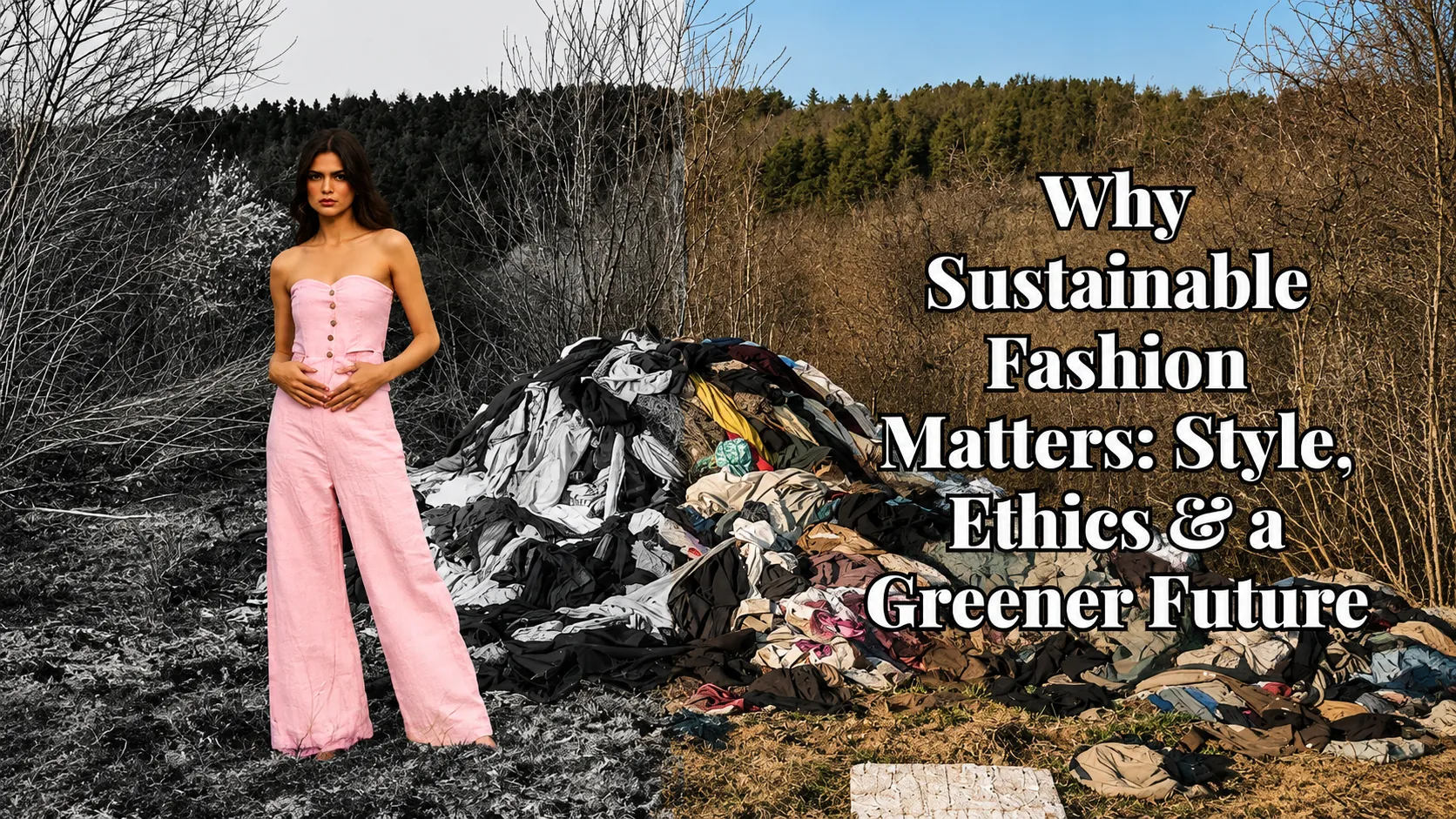
A growing body of commentary within the sustainable fashion sector is turning its focus toward a structural issue that has historically received less attention than materials innovation or end-of-life recycling: the sheer volume of garments the global fashion industry produces each year. Industry voices, including designer and sustainability advocate Sarah Ratty, have argued in recent commentary that sustainable fashion cannot meaningfully address its environmental footprint without confronting overproduction directly, rather than treating it as a secondary concern behind material substitution and recycling infrastructure.
The argument reflects a broader recalibration within the sustainable fashion movement. For much of the past decade, the dominant sustainability narrative in fashion centred on substituting conventional materials — virgin polyester, non-organic cotton, leather — with lower-impact alternatives, alongside building out recycling and take-back programmes to manage garments at the end of their usable life. Critics of that approach argue it has, in practice, allowed the industry to continue growing production volumes while presenting an increasingly sophisticated sustainability narrative that does not address the underlying scale of the problem.

The global fashion industry has, by most independent estimates, roughly doubled its garment production over the past two decades, even as the average number of times a garment is worn before disposal has declined in many markets — a combination that sustainability researchers describe as the core structural driver of the sector's environmental footprint, ahead of any single material choice. Fast fashion business models, which depend on rapid product cycles and low per-unit prices to drive volume, have drawn particular scrutiny, though critics of the overproduction framing note that ultra-fast, low-cost fashion represents only one segment of a much larger industry-wide overproduction pattern that extends into premium and luxury segments as well.
Addressing overproduction directly is, in practice, a more difficult proposition for fashion brands than adopting lower-impact materials or expanding recycling programmes, since it strikes directly at revenue models built around volume and frequent product turnover. Sustainability advocates argue that meaningful progress will require brands to fundamentally rethink growth strategies — shifting toward smaller, more considered collections, extending garment lifecycles through repair and resale programmes, and, in some cases, accepting slower revenue growth in exchange for reduced production volumes.
The overproduction conversation intersects with a broader shift in corporate sustainability more generally, where stakeholders — investors, regulators and increasingly consumers — are pushing companies across sectors to move beyond incremental efficiency gains toward addressing the structural drivers of environmental impact. In fashion specifically, that has meant growing attention to metrics such as unsold inventory rates, markdown and destruction practices for unsold stock, and the pace of new product introductions, alongside the more established focus on material composition and supply chain labour practices.
Whether the overproduction critique translates into meaningful shifts in how major fashion brands plan and price collections remains an open question. As with many structural sustainability challenges, the gap between industry commentary calling for change and the commercial incentives that continue to reward production volume and rapid product turnover is likely to persist unless matched by shifts in consumer demand, regulatory pressure, or both.