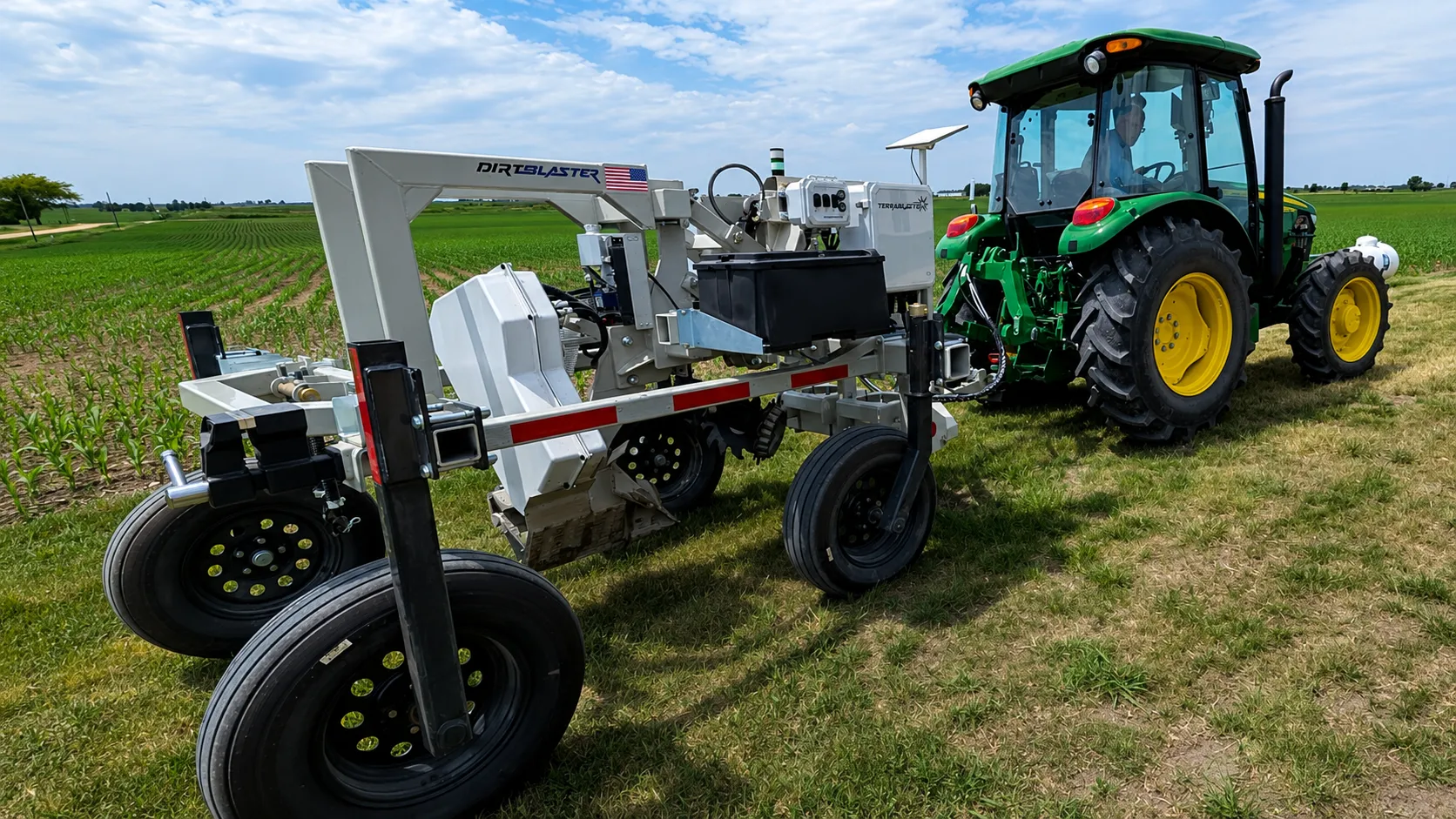
TerraBlaster, an agricultural technology start-up, has raised $12.5 million in a seed round from investors including Khosla Ventures, Bidra Innovation Ventures and Plug and Play Tech Center, to scale a platform combining Internet-of-Things soil sensors with cloud-based analytics aimed at optimising fertiliser use on commercial farms.
Fertiliser overuse remains a persistent inefficiency in commercial agriculture, contributing to both elevated input costs for farmers and significant environmental harm — including nutrient runoff into waterways and elevated greenhouse gas emissions associated with excess nitrogen application — making more precise, data-driven fertiliser management a priority for both farmers' bottom lines and broader environmental goals.
TerraBlaster's sensors are designed to provide continuous, real-time visibility into soil nutrient and moisture conditions, feeding that data into cloud analytics that can generate more precise fertiliser recommendations than the broad, field-level averages many farmers still rely on today, which frequently result in both under- and over-application across different sections of the same field.
The company's seed round investor syndicate — spanning established venture firms, agriculture-focused funds and startup accelerators — reflects the multidisciplinary nature of agtech investing, where success depends on combining hardware engineering, data science and deep domain expertise in agronomy and farm operations.
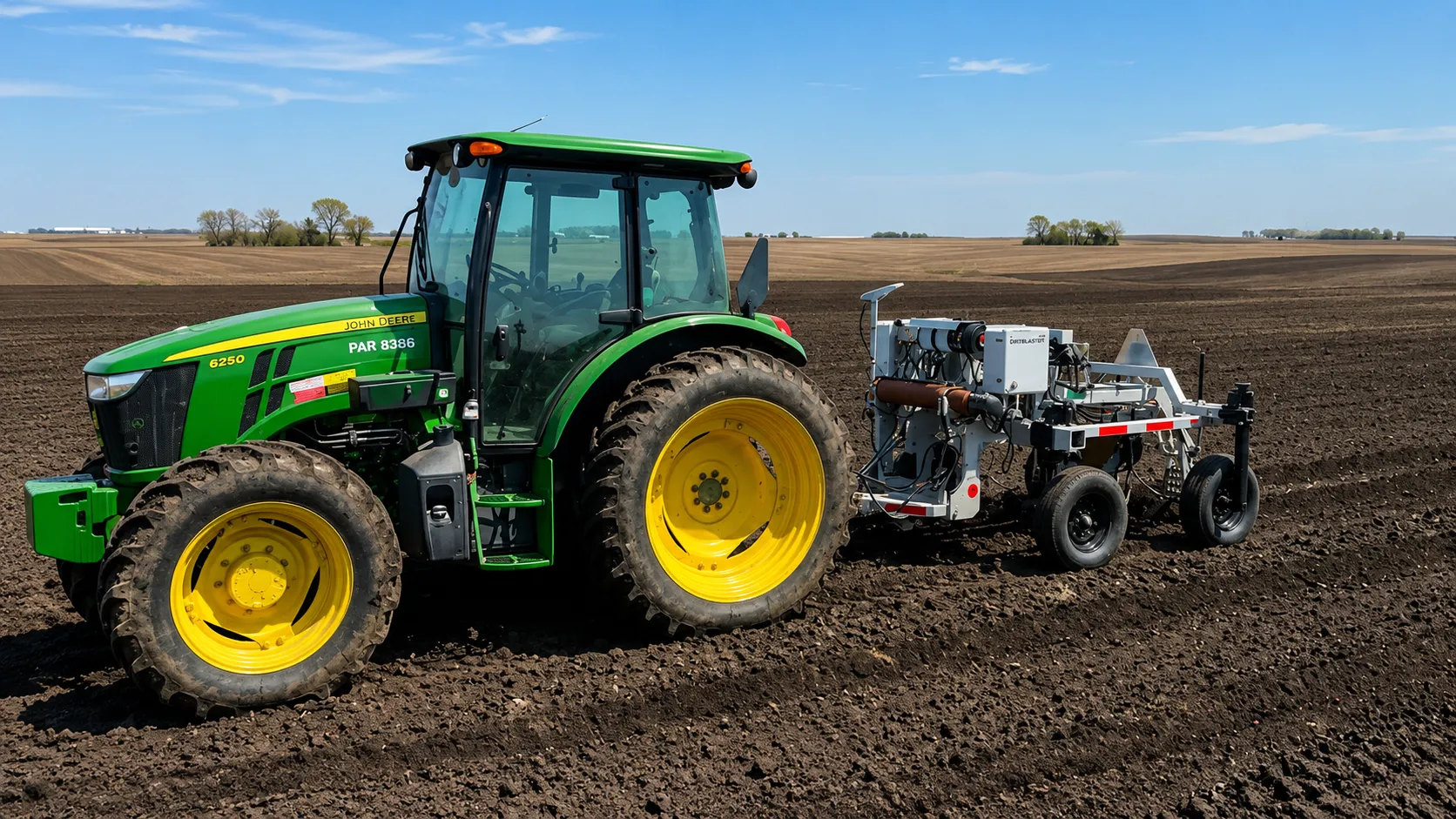
Precision agriculture technologies broadly have attracted sustained investor interest as farmers face mounting pressure to increase yields while reducing input costs and environmental impact simultaneously — a set of goals that data-driven approaches like TerraBlaster's are specifically designed to reconcile, rather than treating cost efficiency and sustainability as competing priorities.
The funding also arrives amid growing regulatory and market pressure on commercial agriculture to reduce nutrient runoff and associated emissions, creating additional commercial incentive for farmers to adopt precision fertiliser management tools beyond the direct cost savings such technology can offer.
For TerraBlaster, the fresh capital provides runway to expand sensor deployment and refine its analytics platform at a moment when precision agriculture is shifting from an early-adopter niche toward a more mainstream farm-management practice. Whether the company can achieve that scale will depend on proving, across a growing base of commercial farming customers, that its technology delivers fertiliser savings substantial enough to justify the upfront cost of sensor deployment — the central value proposition on which the entire precision-agriculture category ultimately rests.