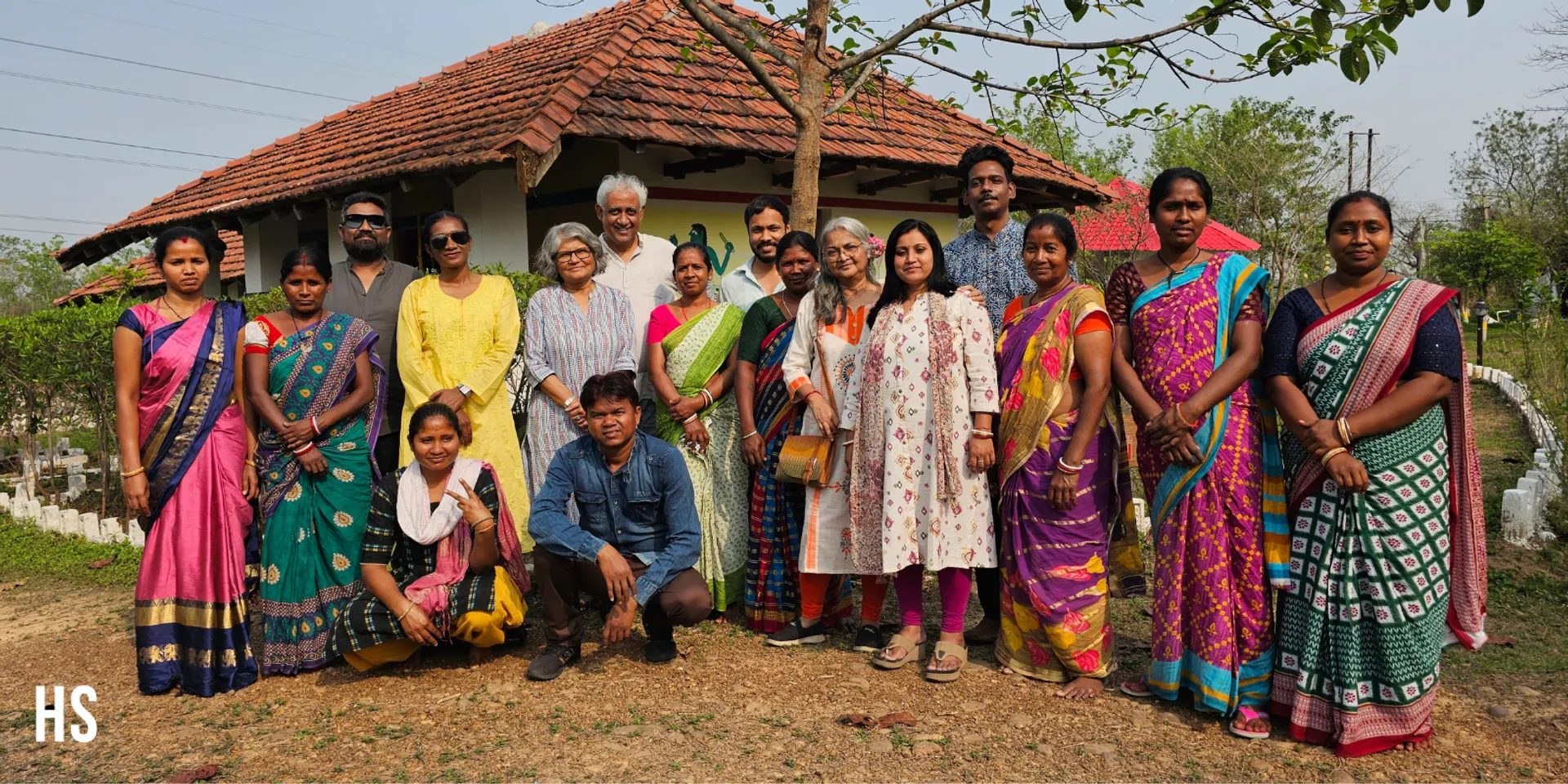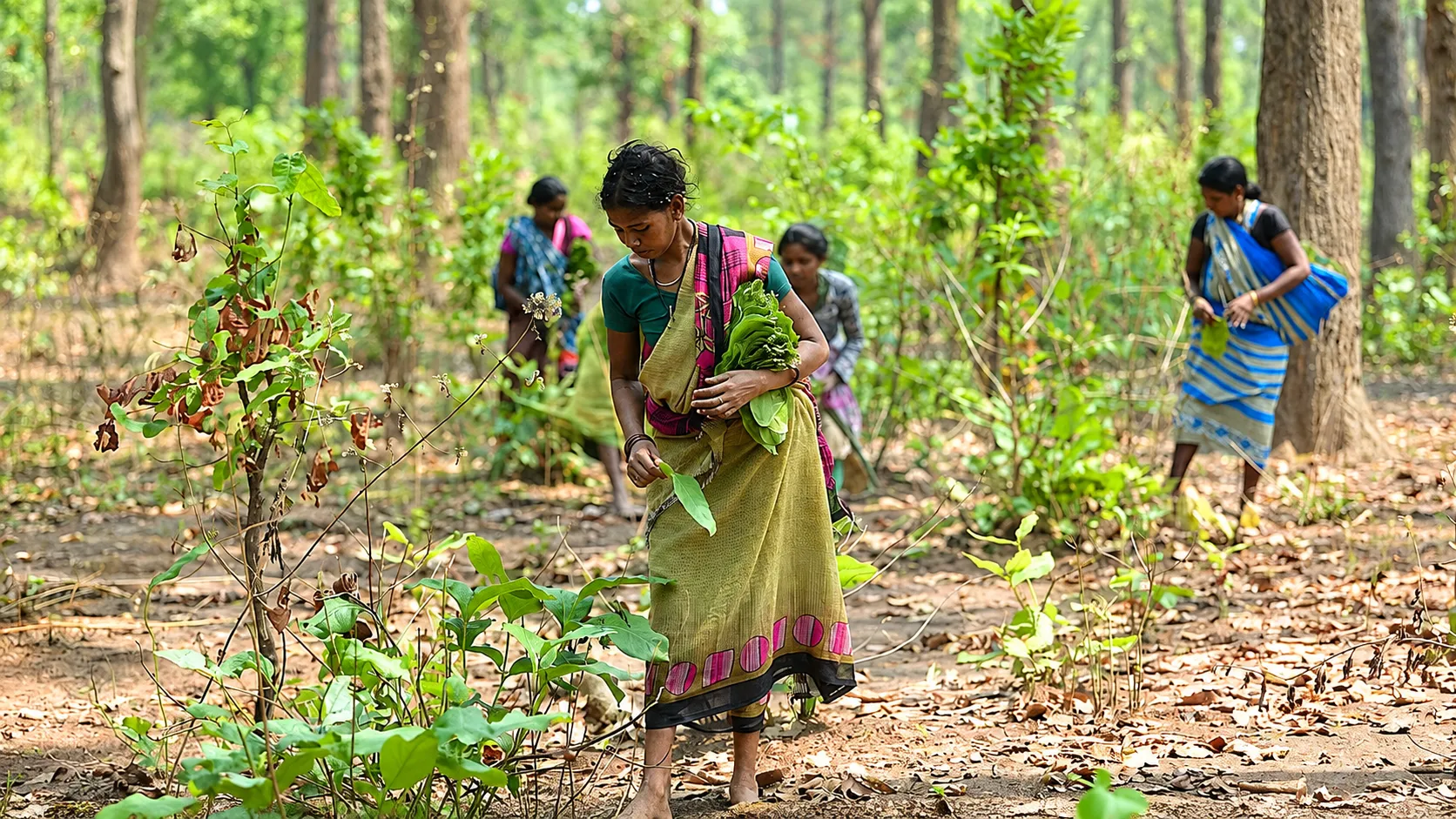
The Open Field is working directly with tribal and forest-dependent communities across Jharkhand and Chhattisgarh to formalise forest-produce value chains that have historically operated through informal, often exploitative intermediary structures. The organisation's approach centres on two complementary innovations: portable Ayan Hubs for decentralised processing of forest produce, and a data-led Forest OS platform designed to improve traceability and strengthen buyer linkages for communities that have traditionally captured only a small fraction of the final market value of the produce they harvest.
India's forest-dependent communities, numbering in the tens of millions, have long relied on non-timber forest produce, ranging from tendu leaves and mahua flowers to various medicinal plants and minor forest products, as a critical source of livelihood. Yet the value chains connecting these harvesters to end markets have historically been fragmented and dominated by multiple layers of intermediaries, meaning that the communities doing the physical harvesting often receive only a small share of the eventual retail or export value of their produce.
The portable Ayan Hubs represent an attempt to shift processing activity closer to the point of harvest, allowing communities to add value to raw forest produce, through basic processing, grading and packaging, before it enters the broader supply chain. By decentralising processing infrastructure rather than requiring produce to travel long distances to centralised facilities, the model aims to reduce spoilage, cut transportation costs, and give harvesting communities greater control over the quality and presentation of the products they bring to market.
The Forest OS platform complements this physical infrastructure with a digital layer focused on traceability and market linkage. By capturing data on where and how forest produce is harvested and processed, the platform aims to give downstream buyers, including corporate procurement teams increasingly interested in sustainably and ethically sourced raw materials, greater confidence in the provenance and quality of the products they purchase, while also creating a data trail that can support fairer pricing negotiations for harvesting communities.
Jharkhand and Chhattisgarh, the two states where The Open Field is concentrating its current efforts, are home to some of India's largest tribal populations and most extensive forest cover, making them natural focal points for interventions aimed at improving forest-produce value chains. Both states have historically struggled with the broader development challenge of translating rich natural resource endowments into sustained economic benefit for local communities, a gap that initiatives like The Open Field's are explicitly designed to help close.
The traceability and buyer-linkage elements of the Forest OS platform also position the initiative to tap into growing corporate demand for verified, ethically sourced raw materials, a trend driven both by consumer preference shifts and by increasingly stringent supply chain disclosure requirements in several export markets. By building the data infrastructure needed to credibly document sourcing practices, The Open Field's model could open new, higher-value market access for communities that have previously been confined to lower-value, informal sales channels.
For India's broader forest-based livelihoods sector, initiatives combining decentralised physical infrastructure with digital traceability tools represent a growing model for improving both economic outcomes for harvesting communities and environmental sustainability outcomes, since better-organised, better-documented value chains can also support more sustainable harvesting practices by making it easier to monitor and manage forest resource extraction over time.