The Trump administration on Monday, 28 September 2026, finalised a rollback of federal fuel-efficiency standards for new cars and trucks, significantly weakening rules set under President Joe Biden and extending a broad retreat from policies designed to cut vehicle emissions and accelerate the shift to electric vehicles.
The National Highway Traffic Safety Administration (NHTSA) rule reduces the required annual improvement in fleet-wide fuel economy from 2 per cent to 1 per cent. The practical effect is a far lower target by the end of the decade. Under the Biden-era rule, automakers were required to reach an average of about 50.4 miles per gallon by 2031. Under the new rule, the target is 34.9 miles per gallon, according to NPR.
The White House first proposed the rollback in December 2025, and a public comment period followed in January 2026.
The government's case
The administration presents the change as a cost-of-living measure and a boost for domestic manufacturing.
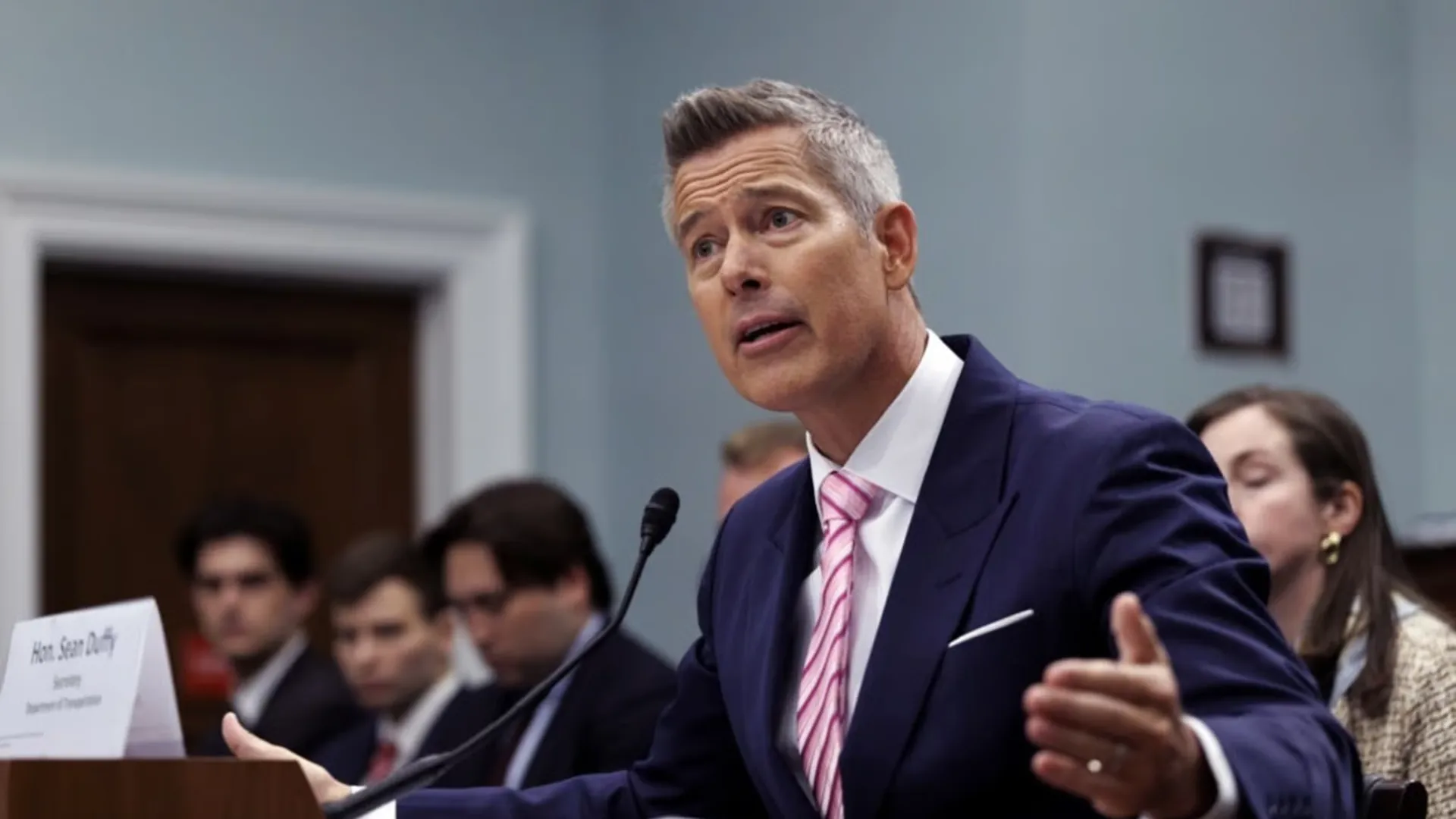
"This administration is delivering relief to families and reviving the beating heart of American manufacturing," Transportation Secretary Sean Duffy said.
The government estimates that the weaker standards will reduce the sticker price of an average new vehicle by about $1,300, by lowering the cost of the technology automakers must add to meet efficiency targets. President Donald Trump said the new standards would "take the waste out of building cars", resulting in "LOWER PRICES".
New-vehicle affordability is a real concern in the United States, where average transaction prices have risen sharply in recent years. The administration argues that fuel-economy rules, alongside emissions regulations, have pushed manufacturers to add expensive technology that consumers did not demand and forced them to sell electric vehicles at a loss to meet compliance targets.
What critics say
Environmental groups and many economists dispute that framing. Their central argument is that lower sticker prices will be offset by higher fuel costs over a vehicle's life, because less efficient cars and trucks burn more petrol and diesel.
Dan Becker of the Center for Biological Diversity said rolling back the standards would increase gasoline consumption and pollution, "costing consumers at the pump and at the doctor's office".
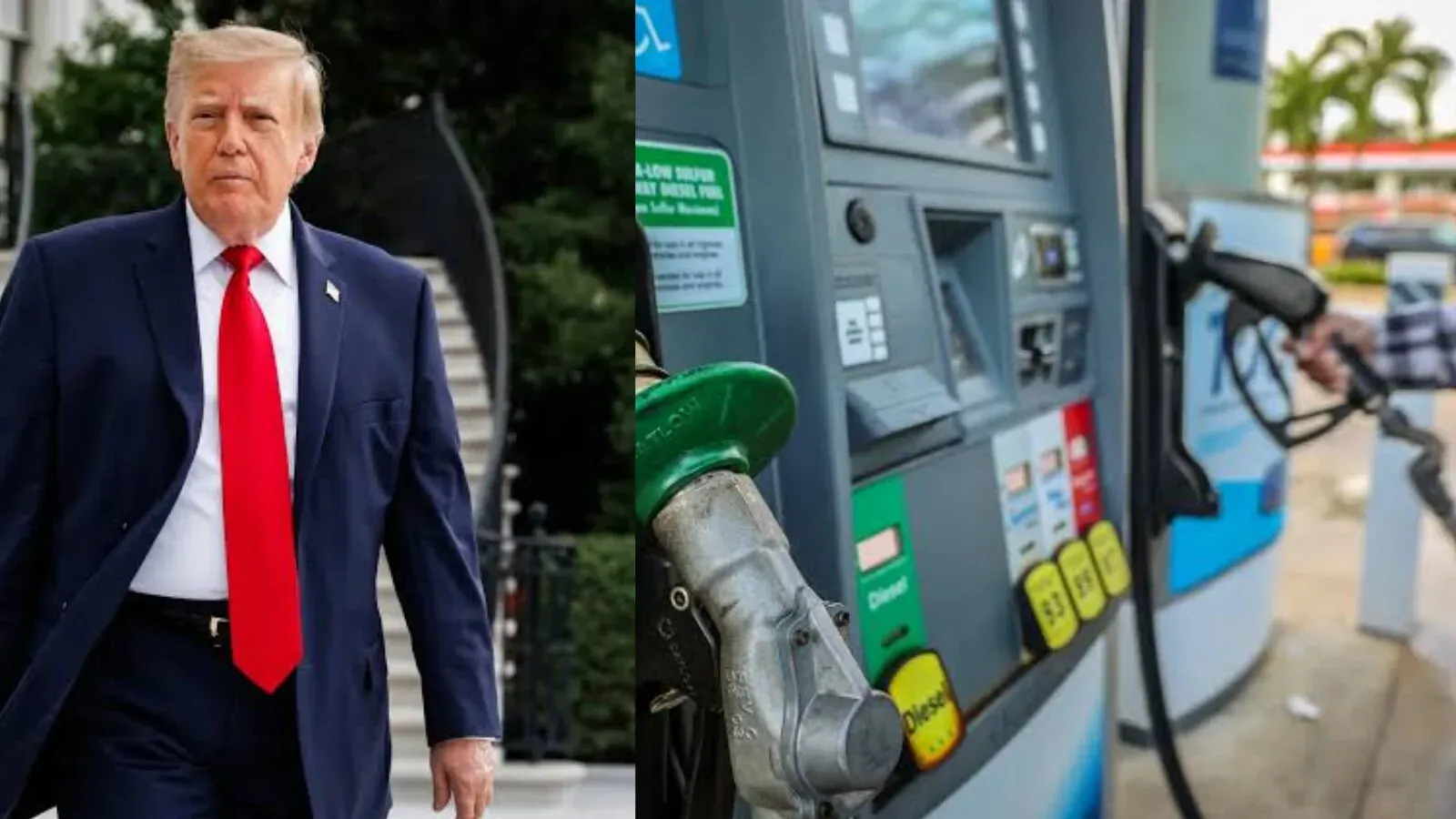
The timing adds weight to that argument. The national average price of gasoline in the United States is near $4.50 a gallon and diesel near $6.50 a gallon, according to NPR, as tensions around the Strait of Hormuz keep oil prices elevated. When fuel is expensive, the savings from efficient vehicles are larger, and so is the cost of inefficiency.
Critics also point to public health. Vehicle exhaust contributes to smog and fine particulate pollution that are linked to respiratory and cardiovascular disease, particularly in communities near major roads and freight corridors.
Part of a wider policy reversal
The fuel-economy rollback is one piece of a broader reversal of federal clean-transport policy. The administration has cut federal tax credits for electric vehicle purchases, delayed funding for a national EV charging programme and eliminated waivers that allowed California to set its own stricter vehicle pollution rules, which a number of other states had followed.
It has also removed the mechanism that allowed automakers to trade fuel-economy and emissions credits. That change has significant commercial consequences. Manufacturers that exceeded the standards, most notably pure electric carmakers, previously earned substantial revenue by selling credits to rivals that fell short. Without a market for those credits, that revenue stream disappears, while companies that relied on buying credits no longer need to.
A long history of the rules
Corporate Average Fuel Economy (CAFE) standards were introduced in the 1970s in response to the Arab oil embargo, with the aim of reducing US dependence on imported oil. They have been tightened and loosened repeatedly since then, often shifting with changes in administration.
The first Trump administration weakened standards set under President Barack Obama. The Biden administration then restored and strengthened them. The latest rule reverses course again. That cycle has created uncertainty for automakers, who design vehicles years in advance and must plan product lines around rules that may change with each election.
What it means for automakers
The immediate effect is to give manufacturers more flexibility to sell larger, less efficient vehicles such as pick-up trucks and sport utility vehicles, which are among the most profitable products for American carmakers.
Yet the industry's direction is shaped by more than US federal rules. Automakers sell globally, and markets in Europe, China and elsewhere continue to push towards electrification. Many companies have invested billions in battery plants and EV platforms that they are unlikely to abandon. Some may slow the pace of their US electric launches, while continuing to build EVs for other markets.
Legal challenges are also likely. Environmental groups and some states have challenged previous rollbacks in court, and the elimination of California's waivers in particular has been contested.
The global climate dimension
Transport is the largest source of greenhouse gas emissions in the United States. Weaker efficiency rules will increase emissions compared with the previous trajectory, making the country's climate targets harder to meet at a time when international assessments suggest that limiting global warming to 1.5°C is slipping out of reach.
The decision also affects global markets for oil. Higher US fuel consumption supports oil demand, which, at the margin, can keep prices higher for importing countries.
Lessons for India
For India, which imports most of its crude oil, the US decision is a reminder of how closely vehicle efficiency is tied to energy security. India has its own Corporate Average Fuel Efficiency norms for passenger vehicles and is moving towards tighter standards for the next phase, while also promoting electric mobility through programmes such as PM E-Drive.
Unlike the United States, India's policy direction has been towards greater efficiency and electrification, driven by concerns about oil import bills, urban air pollution and climate commitments. The contrast highlights how different countries are responding to the same pressures of high fuel prices and industrial competition.
What happens next
The new standards will now take effect, although litigation could delay or modify their implementation. Automakers will adjust their product plans, and the market will show whether lower sticker prices materialise and how consumers respond to high fuel costs.
The debate over fuel economy is ultimately a debate about who bears which costs, whether at the dealership, the fuel pump or the hospital. The Trump administration has made its choice clear. The courts, the market and future elections will decide whether it lasts.