The United Kingdom is turning revenue from its declining North Sea oil and gas industry into a fund to build the clean energy system that is meant to replace it.
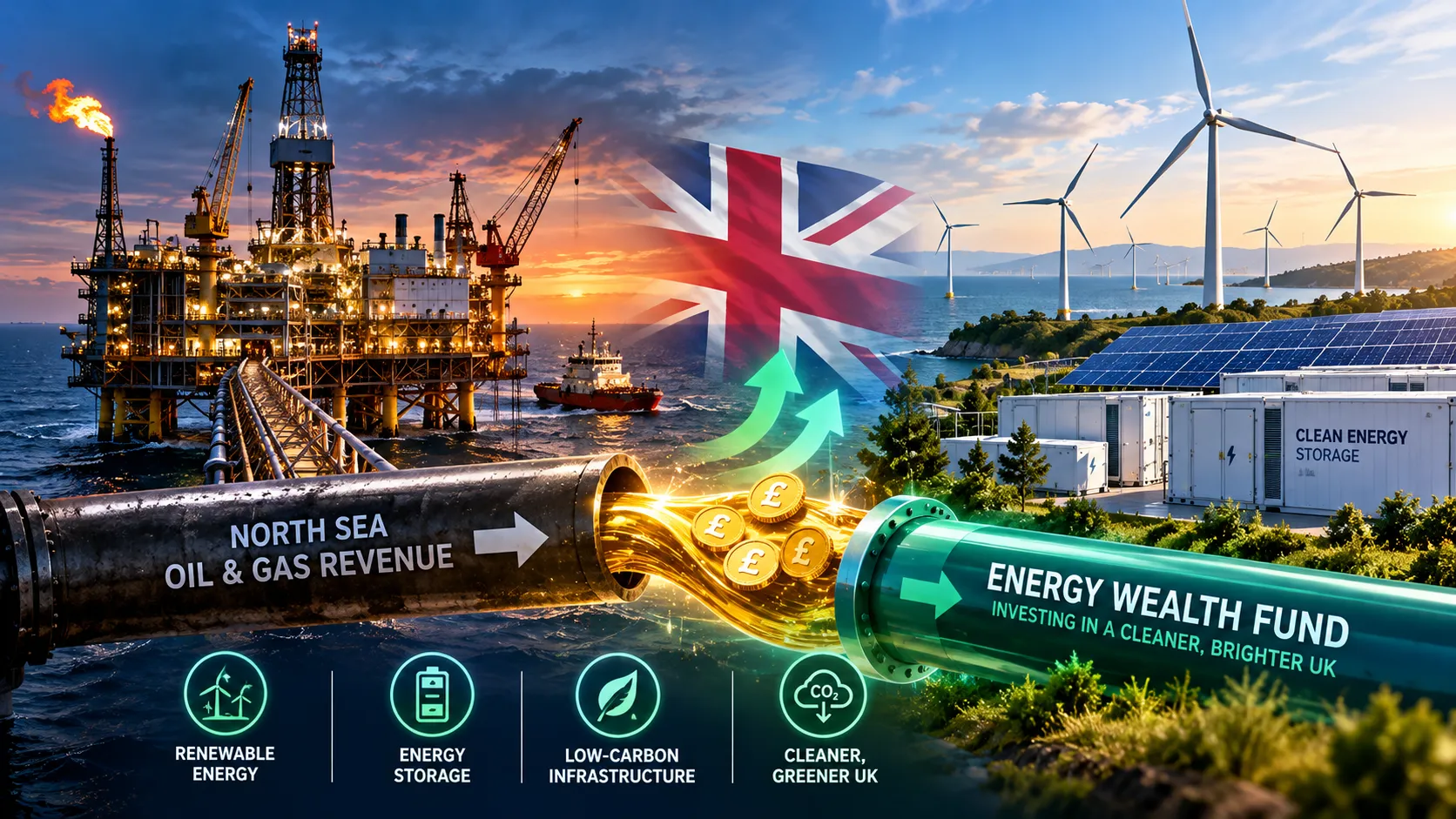
The government announced on Thursday, October 22, the creation of an Energy Wealth Fund to invest in renewable and low-carbon energy projects, financed by tax revenue from North Sea oil and gas production, ESG Today reported. The fund will launch with an initial £2 billion, with future oil and gas revenues added over time.
The fund will sit within the National Wealth Fund, the state-backed investment institution created to mobilise private capital for infrastructure and clean industries, and will invest in low-carbon energy infrastructure across the country.
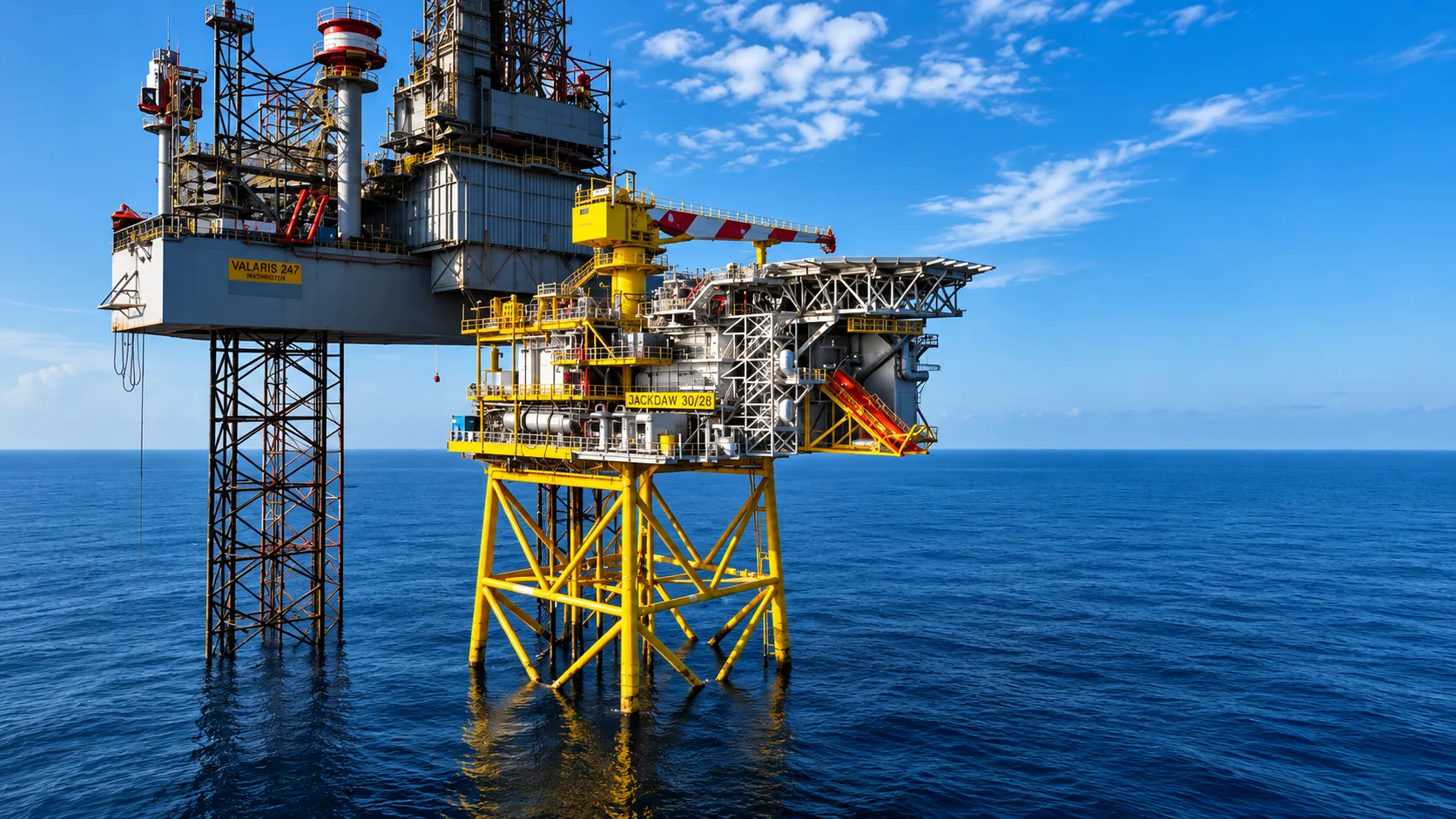
Approval for Jackdaw
The fund was announced alongside a decision that is likely to prove more controversial: approval of the long-delayed Jackdaw gas field in the North Sea. The field, operated by Shell, is expected to increase UK domestic gas production by about 6% at its peak.
Jackdaw's development had been held up by legal challenges and a change in rules requiring the climate impact of burning extracted fuels, known as scope 3 emissions, to be considered when approving new projects. Campaigners had argued that approving new fossil fuel developments was inconsistent with climate goals.
The government said the approval was consistent with its commitment not to issue new licences to explore for oil and gas, because Jackdaw involves developing an existing licensed field rather than opening new areas. It also said the project would not prevent the UK from meeting its legally binding carbon budgets or reaching net zero by 2050.
Balancing security and climate
The decisions reflect the difficult balance governments face between climate commitments, energy security and the cost of living. The UK has faced pressure over high energy prices, which surged after Russia's invasion of Ukraine in 2022 and have been pushed up again by conflict in West Asia, with Brent crude trading above $110 a barrel this week.
"Even on the path to net zero, the UK will still require oil and gas as part of our energy needs for decades to come," the government said in a statement. It added that "the heatwaves and extreme weather events experienced this year highlighted the importance of tackling the climate crisis."
By pairing approval of a gas field with a fund that uses fossil fuel revenues to invest in clean energy, the government is attempting to address both concerns: supporting domestic production and jobs in the near term while accelerating the transition.
A model from Norway
The idea of channelling hydrocarbon revenues into a long-term fund has a famous precedent. Norway's Government Pension Fund Global, built from North Sea oil and gas revenues, is now the world's largest sovereign wealth fund, worth well over a trillion dollars.
The UK, which extracted North Sea oil and gas for decades without creating a similar fund, has often been criticised for spending the windfall on day-to-day government expenditure. The new Energy Wealth Fund is far smaller in scale and has a different purpose, investing directly in the energy transition rather than saving wealth for future generations.
The National Wealth Fund
The National Wealth Fund, established in 2024, is designed to invest alongside private investors in areas such as green hydrogen, carbon capture, ports, gigafactories and green steel. By taking on some of the risk, it aims to crowd in private capital that might otherwise hesitate to invest in new or uncertain technologies.
Housing the Energy Wealth Fund within this institution allows it to draw on existing expertise and investment processes. The focus on low-carbon energy infrastructure suggests the money could support offshore wind, grid upgrades, energy storage and other projects needed to decarbonise the UK's power system.
The North Sea's future
The North Sea oil and gas industry has been in long-term decline as fields mature. Industry groups warn that the windfall tax on energy profits, the ban on new exploration licences and regulatory uncertainty have discouraged investment, threatening jobs and accelerating the decline of domestic production.
Supporters of the government's approach argue that a managed transition, with fossil fuel revenues reinvested in clean energy, offers the best path for workers and communities in regions such as Aberdeen and north-east Scotland, which depend on the industry. Skills developed in offshore oil and gas are transferable to offshore wind, carbon capture and hydrogen.
What it means for India
India faces a similar challenge on a much larger scale: meeting fast-growing energy demand while transitioning away from fossil fuels. It remains heavily dependent on coal for electricity and on imports for oil and gas, even as it builds renewable energy capacity rapidly.
The UK model of using fossil fuel revenues to fund clean energy offers a possible lesson. India collects substantial revenue from taxes on petroleum products and from coal-related levies, and debates continue about how such revenues should support the energy transition and affected communities in coal-producing regions.
India and the UK have also deepened cooperation on clean energy, including offshore wind, green hydrogen and climate finance, and their recently concluded trade agreement could open further opportunities.
The windfall tax debate
The UK introduced an Energy Profits Levy on oil and gas companies in 2022, after energy prices surged following Russia's invasion of Ukraine. The tax, which has been extended and increased, has generated significant revenue but has been criticised by the industry for deterring investment in the North Sea.
Linking North Sea tax revenue to clean energy investment through the Energy Wealth Fund gives the levy a clearer purpose, which may help the government make the case for it politically.
What comes next
The government will set out further details on how the Energy Wealth Fund will invest and how future oil and gas revenues will be allocated. Development of Jackdaw is expected to proceed, though environmental groups may challenge the decision.
For the UK, the fund represents an attempt to turn the end of the North Sea era into the beginning of a new energy economy. Whether £2 billion, and the revenues to come, are enough to make a material difference will depend on how effectively the money is deployed. Its experience will be watched by other oil-producing nations weighing similar choices.