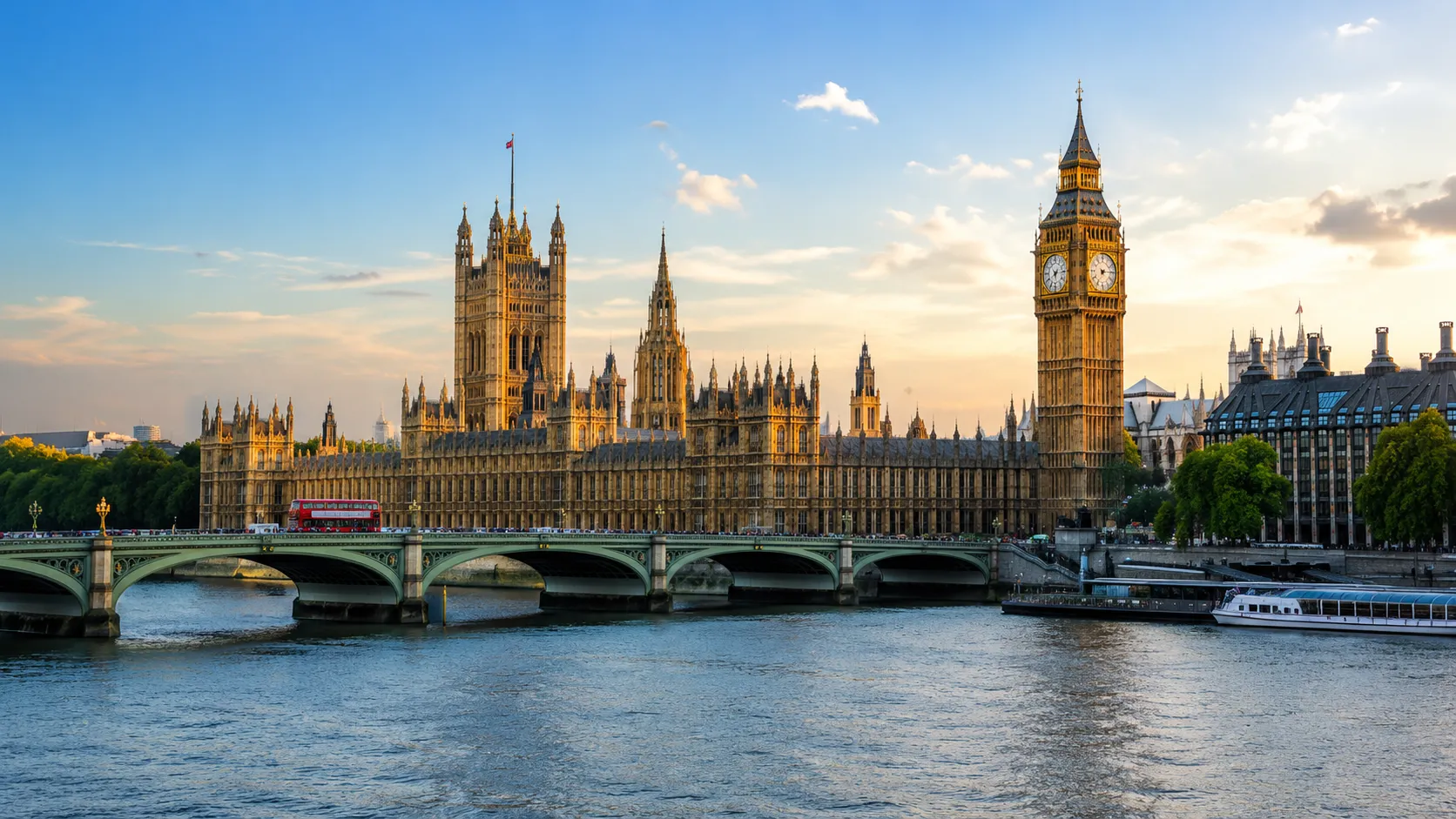
The UK Parliament has passed legislation drawing a clearer boundary around corporate liability for climate-related harm, preventing companies from being held liable in tort for damages caused by their contribution to climate change, according to reporting on the new law. The measure represents one of the more consequential legislative interventions yet in the fast-evolving and increasingly contested area of climate litigation, an arena in which courts across multiple jurisdictions have, in recent years, been asked to determine whether and how major emitters can be held financially responsible for the cumulative effects of greenhouse gas emissions on communities and ecosystems around the world.
Climate-related tort litigation has grown substantially as a legal strategy over the past decade, with campaigners, local governments and, in some cases, individual claimants pursuing damages claims against energy companies, industrial emitters and, increasingly, financial institutions accused of facilitating continued fossil-fuel extraction. Legal scholars researching the field have noted a marked rise in comparative tort-based climate litigation across multiple European jurisdictions, reflecting growing confidence among claimants and their legal teams that traditional tort principles — historically developed to address more localised, direct forms of harm — can be adapted to address the diffuse, global and long-term nature of climate damage.
The UK's own legal and regulatory framework around corporate climate responsibility has evolved considerably over recent years, even as the specific question of tort liability for climate harm has remained comparatively unsettled. Directors of UK companies already operate under statutory duties, set out in the Companies Act 2006, to have regard to the impact of their company's operations on the environment and the likely long-term consequences of corporate decisions — obligations that sit alongside a growing body of mandatory climate-related financial disclosure requirements the UK introduced as the first G20 country to make such reporting compulsory for its largest businesses, following recommendations from the Taskforce on Climate-related Financial Disclosures.
Against that backdrop, the new legislation appears designed to provide greater legal certainty for UK-based companies facing a rising volume of climate-related legal challenges, both domestically and through UK courts hearing claims connected to overseas environmental harm. English courts have, in recent years, taken an increasingly expansive view of jurisdiction in some environmental liability cases involving UK-headquartered parent companies and their overseas subsidiaries, a trend that has heightened concern among UK multinationals about their exposure to tort claims arising from environmental harm caused well outside British borders.
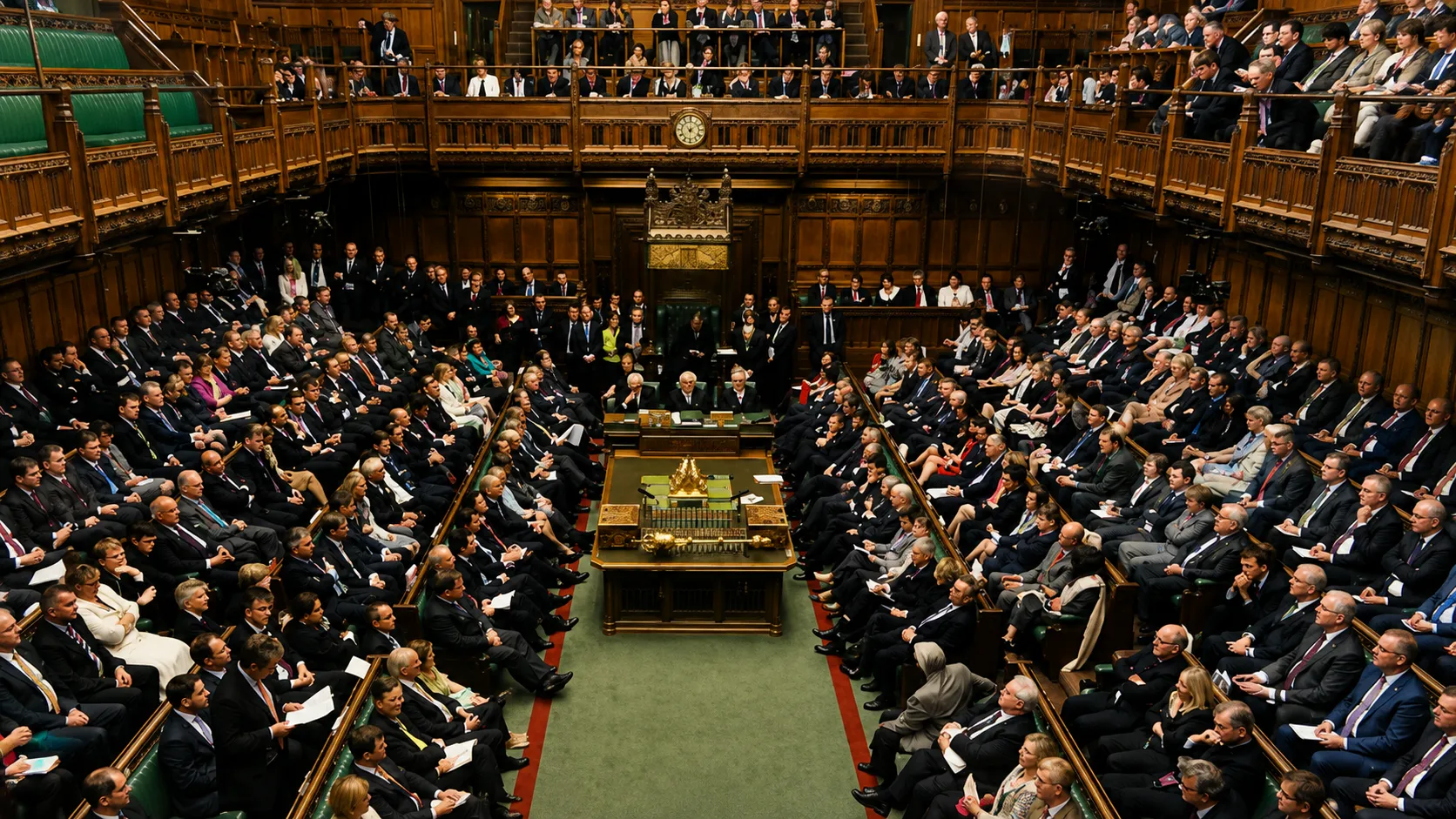
Reaction to the legislation is likely to divide sharply along familiar lines. Business groups and industry bodies have long argued that the growing threat of open-ended tort liability for climate-related harm creates damaging legal and financial uncertainty for companies attempting to plan long-term investment and transition strategies, making a clearer statutory boundary a welcome source of predictability. Climate advocacy organisations and legal campaigners, by contrast, are likely to view the measure as foreclosing an important accountability mechanism for holding major emitters financially responsible for climate harm — particularly given the comparatively slow pace at which international climate-finance commitments, including calls at COP30 for a tripling of global adaptation finance, have translated into actual capital flows to communities most affected by climate change.
The legislation arrives at a moment when the broader global landscape for climate-related corporate accountability remains notably fragmented, with different jurisdictions pursuing markedly different approaches — from expanding mandatory disclosure regimes in some regions to rolling back climate-related regulatory requirements in others. That divergence has left multinational companies navigating an increasingly complex patchwork of climate-related legal and reporting obligations depending on where they operate, a dynamic that UK policymakers appear to have had in mind in seeking to provide greater domestic legal clarity even as international consensus on climate liability remains elusive.
For companies operating in or connected to the UK market, the new legislation offers a degree of near-term legal certainty around tort exposure specifically. Whether it proves durable in the face of continued climate litigation activity, evolving case law in adjacent areas such as environmental duty of care, and ongoing political pressure from climate advocacy groups, will likely become clearer as the UK's courts and Parliament continue to grapple with corporate climate accountability in the years ahead.