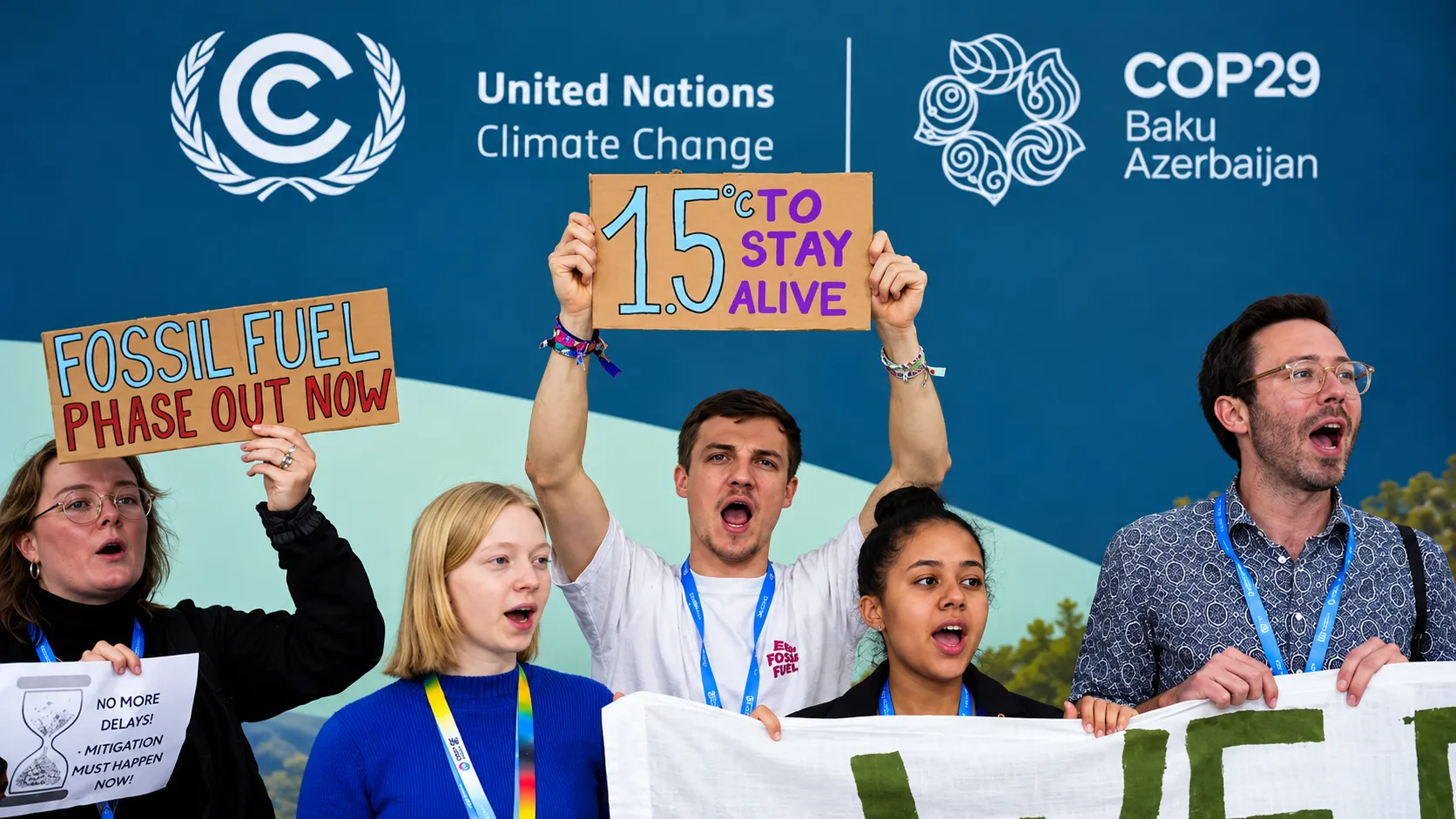
The world's climate outlook has worsened, according to the United Nations' latest assessment, which found that projected global warming is now higher than previously estimated, even under the most optimistic assumptions.
In a report released on Wednesday, October 21, the UN Environment Programme (UNEP) said that its most optimistic scenario now sees global temperatures rising 1.7°C to 1.8°C above pre-industrial levels by the middle of the century, Reuters reported. Limiting warming to 1.5°C with no or limited overshoot, the most ambitious goal of the Paris Agreement, is no longer considered possible.
The findings come weeks before the COP31 UN climate summit in Antalya, Turkey, next month, and are likely to frame negotiations over how countries can accelerate emissions cuts.
Warming projections rise
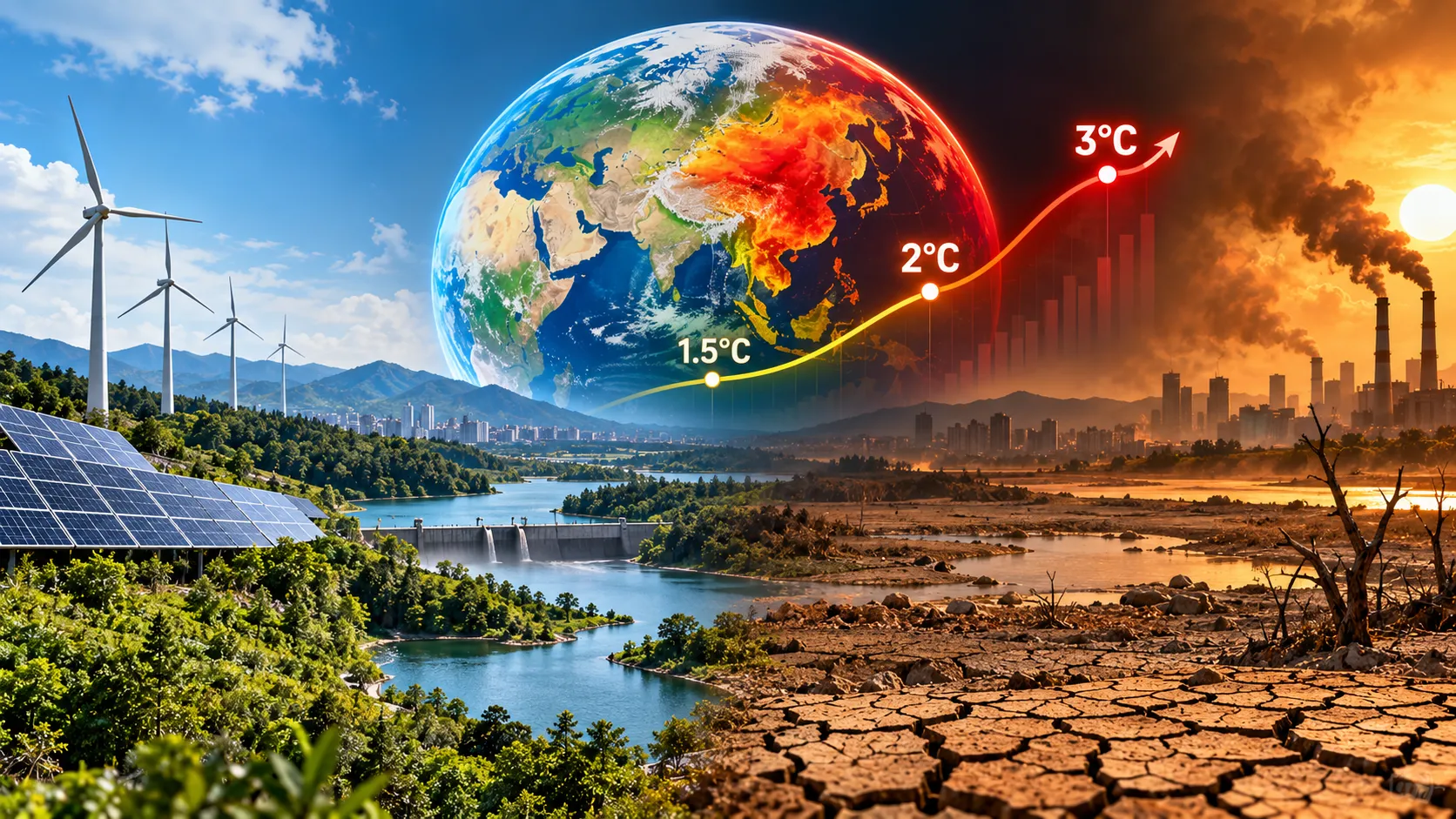
Under current policies, the world is on track for about 2.8°C of warming by 2100, according to the report. If countries fully implement their existing climate pledges, warming would be about 2.6°C. Both figures are higher than last year's projections.
UNEP attributed the increase to the withdrawal of the United States from the Paris Agreement and to revised estimates of historical emissions. Climate plans submitted by countries since last year have made virtually no difference to projected warming, the report found.
The 2015 Paris Agreement commits countries to limiting warming to well below 2°C, and to pursue efforts to limit it to 1.5°C. Scientists have warned that every fraction of a degree of additional warming increases the risks of extreme heat, droughts, floods, sea-level rise and damage to ecosystems.
The scale of the gap
The report sets out the scale of emissions cuts needed. To stay on a path consistent with the Paris goals, global emissions would need to fall 18% by 2030, 45% by 2035 and 69% by 2040, compared with 2025 levels. Existing national plans would cut emissions by only 5% to 8% by 2030 and 11% to 15% by 2035.
That gap between what is needed and what countries have pledged has been a persistent feature of UNEP's annual "emissions gap" reports. Despite rapid growth in renewable energy and emissions-cutting policies in many countries, the report says "urgent and stringent" cuts are still required.
Overshoot and return
With 1.5°C effectively out of reach without overshoot, attention is shifting to the possibility of temporarily exceeding the threshold and then bringing temperatures back down. UNEP's "lowest possible" overshoot scenario gives roughly a 50% chance of returning to 1.5°C or below by 2100.
UN Secretary-General António Guterres urged countries not to abandon their efforts. "Overshoot is not surrender," he said, adding that temperatures could be brought "back below 1.5 degrees by the end of the century."
Returning to 1.5°C after overshooting would depend heavily on large-scale carbon removal, through methods such as reforestation, bioenergy with carbon capture and direct air capture. The report noted that the feasibility of removal at the required scale remains uncertain. Countries such as Sweden have begun funding carbon removal projects, and companies including Google have signed deals to purchase carbon removal credits, but the industry remains small relative to the challenge.
The road to COP31
The report will shape discussions at COP31 in Turkey next month. China, the world's largest emitter and the dominant producer of clean energy technologies, has signalled that it wants the summit to address tariffs on clean technology imposed by the United States and the European Union. Finance for developing countries, including a roadmap to mobilise $300 billion a year agreed in 2024, is also expected to be a priority.
The US withdrawal from the Paris Agreement has weakened international climate cooperation and reduced the availability of climate finance. Other countries face pressure to increase their ambition to compensate, but many are grappling with high energy prices, slower growth and competing fiscal demands.
What it means for India
India, the world's third-largest emitter in absolute terms but with low per capita emissions, faces particular challenges. The country has committed to reaching net-zero emissions by 2070 and has expanded renewable energy capacity rapidly, with more than 220 GW of renewable capacity installed. At the same time, its energy demand is growing quickly, and coal remains the backbone of its power system.
India is also highly vulnerable to the impacts of climate change, including heatwaves, erratic monsoons, floods and cyclones. Higher warming projections increase the urgency of adaptation, from heat-resilient cities to climate-resilient agriculture and water management.
For Indian businesses, tighter global climate policies could bring both risks and opportunities. Exporters face measures such as the European Union's Carbon Border Adjustment Mechanism, while demand for clean energy, electric vehicles and green technologies is creating new markets.
What the emissions gap means
UNEP has published its Emissions Gap Report annually since 2010. The report compares where global greenhouse gas emissions are heading, based on current policies and pledges, with where they need to be to meet the temperature goals of the Paris Agreement. The difference is the "gap."
Each country submits climate plans, known as nationally determined contributions or NDCs, setting out its targets for reducing emissions. Under the Paris Agreement, countries are expected to update their NDCs every five years with increasing ambition. A new round of plans, covering targets to 2035, was due in 2025, but many countries submitted late or offered limited increases in ambition.
The costs of higher warming
Each increment of warming brings greater risks. Scientists have found that at 2°C of warming, compared with 1.5°C, many more people would be exposed to extreme heat, coral reefs would suffer near-total losses, and the risk of crossing tipping points, such as the collapse of major ice sheets, would rise. At warming approaching 3°C, the impacts on food production, water supply, health and economies would be far more severe. Developing countries, including India, would bear a disproportionate share of these costs despite contributing relatively little to historical emissions.
What comes next
UNEP's report is likely to intensify calls for stronger national climate plans and greater climate finance at COP31. Whether governments respond with new commitments will depend on domestic politics, economic conditions and international dynamics.
For now, the message from the UN is stark: the world is heading for more warming than it hoped, and the window to limit the damage is narrowing. But as Guterres emphasised, overshooting 1.5°C does not mean giving up. Every tonne of emissions avoided still matters.