WomenVoices6 MIN READ

UN Marks First-Ever International Day of the World's Indigenous Women and Girls

The United Nations observed the first-ever International Day of the World's Indigenous Women and Girls on September 5, recognising their role in preserving culture, biodiversity and community knowledge.

By Nisha Omkumar · Author5 September 2026New
UN Marks First-Ever International Day of the World's Indigenous Women and Girls

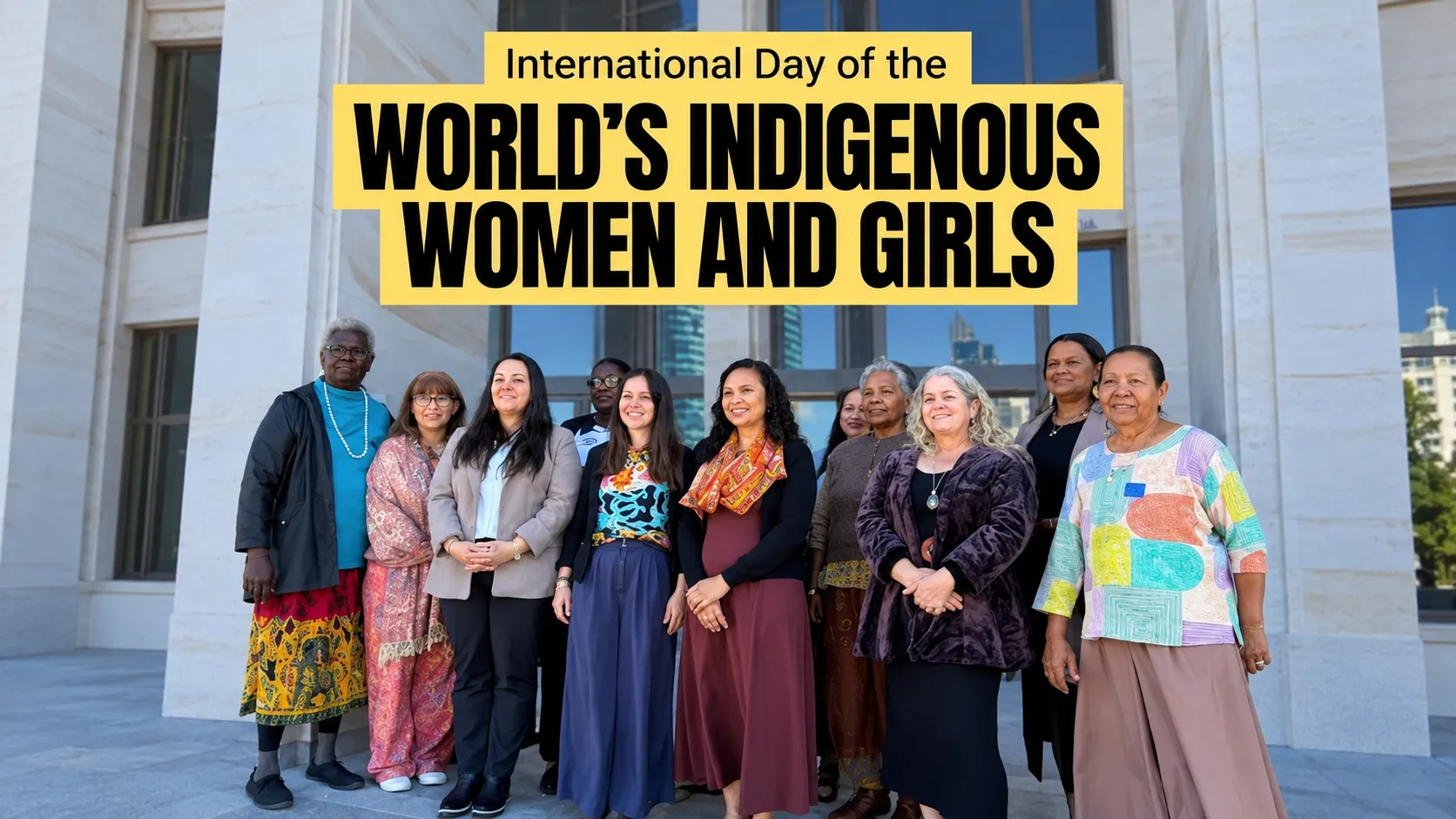
The United Nations observed the first-ever International Day of the World's Indigenous Women and Girls on September 5, a newly designated global observance intended to recognise the rights, voices and contributions of indigenous women worldwide while drawing attention to the deep-rooted inequalities and barriers to participation they continue to face across health, education, land rights and political representation.

Indigenous women play a distinct and often underrecognised role in sustaining their communities, preserving indigenous languages and cultural practices, protecting land and biodiversity, and passing down traditional knowledge across generations, functions that carry growing relevance as global institutions increasingly recognise indigenous stewardship as central to effective biodiversity conservation and climate resilience strategies.

The inaugural observance also arrives at a moment when the United Nations General Assembly's upcoming eighty-first session is set to place renewed emphasis on gender equality and women's leadership globally, with the organisation warning that progress toward women's equal participation in power and decision-making has stalled, and in some measures reversed, across multiple countries and regions in recent years.

Development policy professionals note that dedicated international observance days, while sometimes criticised as largely symbolic gestures within an already crowded United Nations calendar, have historically proven effective at mobilising sustained multi-year advocacy campaigns and funding commitments when civil society organisations use the annual moment strategically to coordinate policy pressure, a pattern indigenous rights advocates are already working to replicate around this newly established observance.

Despite that central role, indigenous women globally continue to face compounding structural disadvantages, often experiencing the intersection of gender-based discrimination with broader systemic marginalisation faced by indigenous communities as a whole, a combination that frequently results in disproportionately limited access to healthcare, formal education, economic opportunity and meaningful representation in decision-making bodies that directly affect their communities and territories.

The inaugural observance arrives amid a broader United Nations push to sharpen its focus on gender equality and women's leadership globally, with the organisation set to release its landmark Gender Snapshot report later this month, an annual assessment that has consistently found progress toward women's equal participation in political and institutional leadership losing momentum in recent years across multiple regions.

Indigenous communities globally have increasingly gained recognition within international climate and biodiversity policy circles for the effectiveness of traditional land stewardship practices, with numerous studies finding that biodiversity outcomes on indigenous-managed lands frequently outperform comparable areas under other forms of management, a body of evidence that has strengthened calls for greater indigenous, and specifically indigenous women's, participation in environmental decision-making processes at both national and international levels.

United Nations data on indigenous populations globally estimates several hundred million people across more than ninety countries identify as indigenous, with women within these communities frequently facing the compounded effects of gender-based and ethnic or cultural discrimination simultaneously, a dual burden that specialised international observances and targeted policy attention are specifically designed to address more effectively than broader, less targeted development programming.

For indigenous rights advocates, the establishment of a dedicated international observance day represents an important, if largely symbolic, milestone, one that creates a formal annual moment for governments, multilateral institutions and civil society organisations to highlight both the achievements and ongoing struggles of indigenous women specifically, rather than folding their experiences into broader, less targeted observances focused on indigenous peoples or women generally.
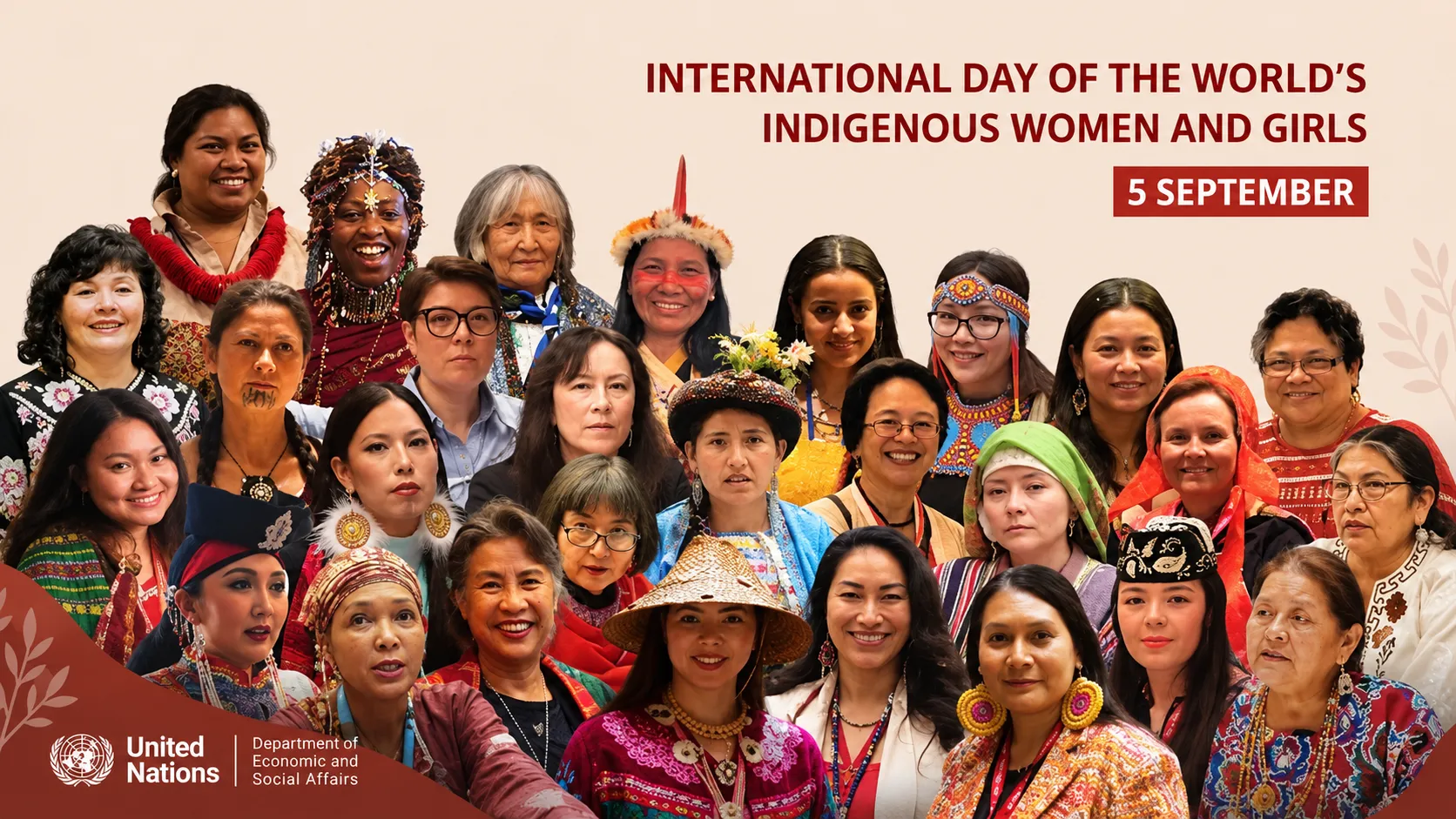

Indigenous women sit at the intersection of two of the world's most persistent equity gaps, which is exactly why a dedicated observance day matters beyond symbolism.
TIGI Women Desk

The timing also intersects meaningfully with growing global attention to what UN Women has termed feminist climate justice, an emerging framework examining how climate change disproportionately affects women, and indigenous women in particular, given their close relationship to land-based livelihoods and their frequent exclusion from the formal decision-making processes that shape climate adaptation and mitigation policy at both national and international levels.

ChatGPT Image Sep 5, 2026, 03_26_48 PM.png

Despite that growing policy recognition, indigenous women continue to be significantly underrepresented in the formal governance structures, from local land management bodies to national and international climate negotiation delegations, that determine how indigenous territories and resources are managed, a persistent representation gap that advocates argue undermines the effectiveness of policies ostensibly designed to protect indigenous rights and knowledge.

For business leaders and impact investors focused on sustainable development, growing international recognition of indigenous women's role in effective environmental stewardship strengthens the case for directing more corporate sustainability and biodiversity investment funding specifically toward initiatives designed, led and governed by indigenous women's organisations rather than external programmes that engage indigenous communities only peripherally.

As the observance moves from its inaugural year into an established annual fixture, its long-term significance will depend on whether it translates into concrete policy commitments, funding allocations and representation gains for indigenous women, rather than remaining a purely commemorative gesture disconnected from measurable improvements in the material conditions indigenous women and girls face across health, education, land rights and political voice.

For the global development and philanthropic community, the new observance offers a useful annual touchpoint for evaluating progress on commitments specifically targeted at indigenous women, a population whose needs have often been addressed only indirectly through broader indigenous rights or gender equality programming that fails to fully capture the specific, intersecting challenges this group faces worldwide.

Development organisations focused on indigenous rights have generally welcomed the new observance while cautioning that its ultimate value will be measured by whether it catalyses concrete increases in funding, representation and policy attention directed specifically at indigenous women, rather than functioning as a purely symbolic addition to the calendar of international observance days that already number in the dozens across the United Nations system.

Policymakers and multilateral institution leaders will likely face growing pressure to translate the new observance into concrete funding and representation commitments over the coming years, particularly as the United Nations' own upcoming Gender Snapshot report is expected to reinforce the broader finding that women's leadership progress globally has stalled, adding further urgency to calls for targeted action specifically benefiting indigenous women and girls.

The bottom line for TIGI's readers: this inaugural observance will matter only if it drives concrete funding and representation gains for indigenous women, rather than becoming another symbolic addition to the UN calendar.

Civil society organisations focused on indigenous rights say they intend to use the inaugural observance to formally request specific funding commitments from major multilateral institutions, aiming to secure concrete pledges before the day's second annual observance arrives in September 2027.

TagsUnited NationsIndigenous WomenGlobal ImpactWomen's RightsSustainability

Reader reviews

Sign in to rate and review this article.
Loading reviews…

