The United Nations Global Compact's Private Sector Forum convened in New York on September 20, 2026, bringing together more than 100 chief executives, government leaders and UN representatives to issue a coordinated call for faster public-private investment in clean energy, grid infrastructure and energy access globally, according to reports of the gathering published the following day.
The forum, held alongside the UN General Assembly's annual high-level week, has become a recurring venue for corporate and government leaders to align on the practical financing mechanisms needed to accelerate the global energy transition — a conversation that has grown increasingly urgent as climate-related capital commitments made in earlier years face mounting pressure to translate into actual deployed infrastructure, particularly across emerging and developing markets where financing costs remain structurally higher than in wealthier economies.
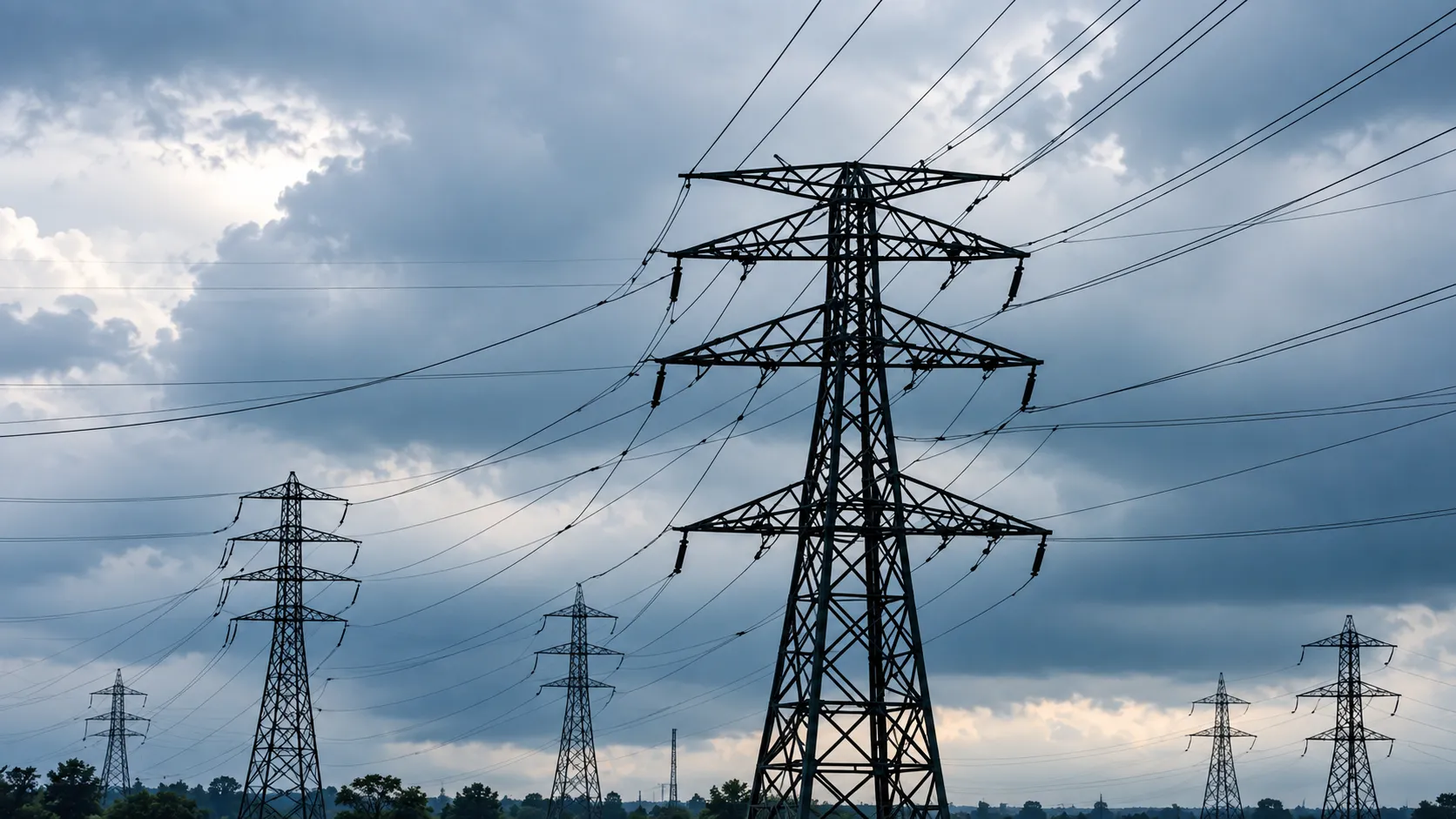
Participants at the forum specifically identified grid constraints, elevated financing costs, regulatory uncertainty and limited energy access as the primary barriers preventing faster clean-energy deployment, a diagnosis that has become increasingly consistent across similar international gatherings through 2026 even as the specific policy prescriptions for addressing these barriers remain contested among different stakeholder groups. Discussions at the forum centred heavily on blended-finance structures and risk-sharing mechanisms designed specifically for emerging markets, reflecting a growing recognition among both public and private financial institutions that conventional project-finance structures, calibrated for developed-market risk profiles, have proven insufficient to mobilise capital at the pace and scale required in lower-income countries.
The emphasis on blended finance — combining concessional public or philanthropic capital with commercial investment to reduce risk for private investors — reflects lessons drawn from several years of experience showing that clean-energy investment has consistently concentrated in wealthier markets with more established regulatory and financial infrastructure, even though the potential emissions-reduction and development impact of renewable deployment is often greatest in less-developed markets facing both energy-access gaps and rapidly growing electricity demand.
The forum's emphasis on blended finance also reflected growing recognition among development-finance institutions that purely commercial capital, absent some form of risk-sharing or concessional support, has consistently struggled to flow at scale into the emerging-market clean-energy projects that most urgently need investment. Multilateral development banks and philanthropic funders attending the New York gathering have increasingly positioned themselves as providers of exactly this kind of catalytic, first-loss capital, designed specifically to unlock larger pools of private institutional capital that would otherwise remain reluctant to bear emerging-market project risk independently.
The forum's discussions arrive at a moment when global climate-finance commitments face intensified scrutiny over their actual translation into deployed capital. Corporate net-zero commitments made in earlier years are increasingly being measured against demonstrable capital expenditure and emissions-reduction outcomes rather than aspirational targets alone, a shift that has placed growing pressure on forums such as this one to produce concrete financing mechanisms rather than restated commitments to previously announced goals.
For corporate participants specifically, the New York forum offered a venue to align on shared language and shared financing frameworks ahead of what many climate-finance practitioners expect will be an increasingly consequential period for translating pledged climate capital into actual infrastructure, particularly as several major economies continue to debate the appropriate balance between public subsidy, private capital and regulatory mandate in accelerating their own domestic energy transitions.
Corporate participants at the forum also faced growing pressure from investors and civil-society observers alike to move beyond restating previously announced climate commitments toward demonstrating concrete, measurable progress against those targets — a shift in expectation that has reshaped how forums of this kind are increasingly covered and scrutinised by both financial media and dedicated climate-accountability watchdog organisations.
As the Private Sector Forum's discussions conclude, the practical test will lie in whether the blended-finance mechanisms and risk-sharing structures discussed in New York translate into measurable increases in clean-energy capital flows to the emerging markets that stand to benefit most — a question that will likely only be answerable through the deployment data emerging over the coming year, rather than through the commitments and discussions of any single forum.