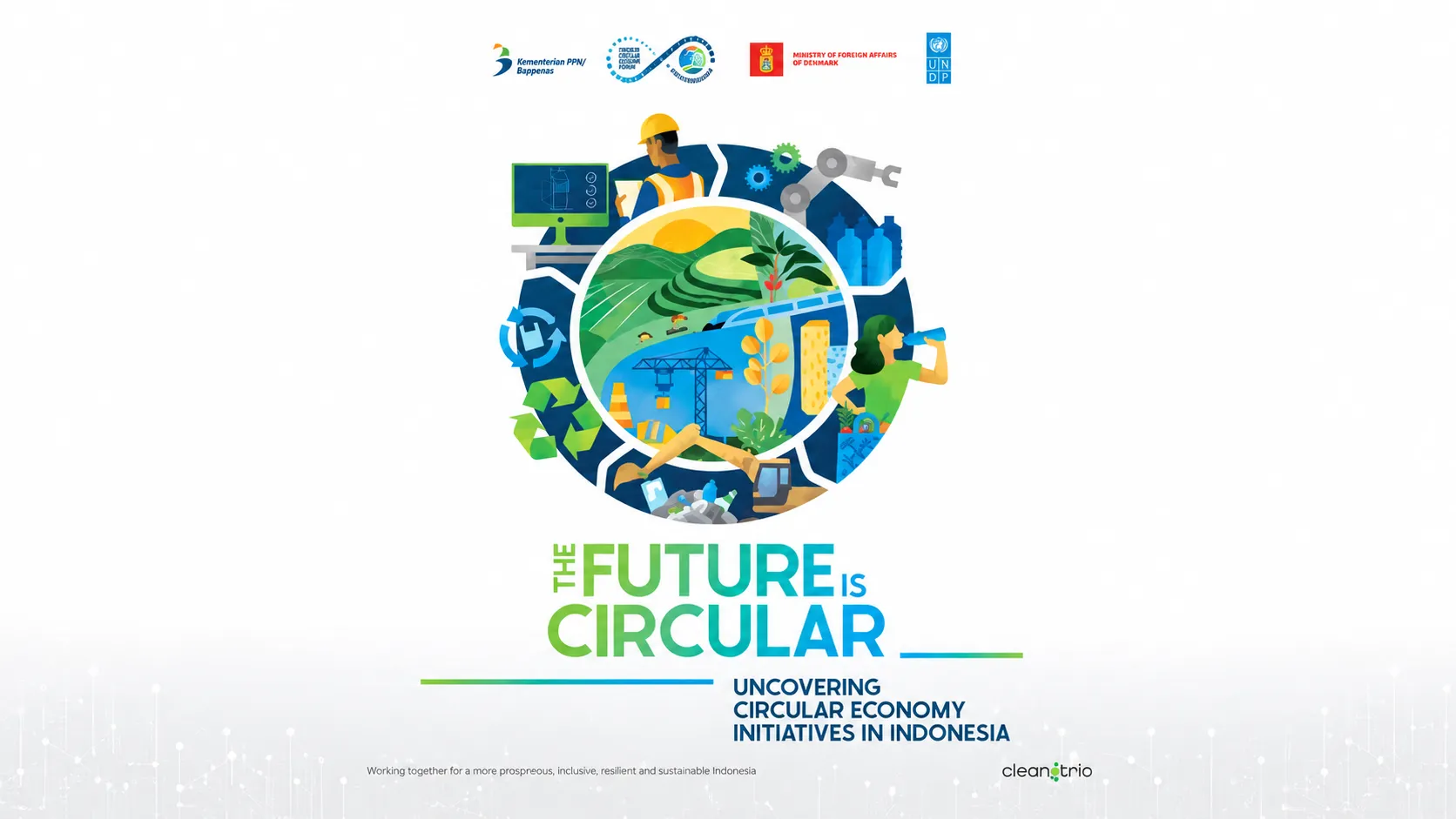
The United Nations Development Programme (UNDP) has published a new report titled 'The Future is Circular,' examining circular-economy activity across the Asia-Pacific region, according to a release dated September 7, 2026. The publication catalogues initiatives aimed at addressing resource inefficiency, environmental degradation and climate change through circular approaches — models that prioritise reuse, recycling and resource-loop closure over the traditional linear take-make-dispose pattern of industrial production and consumption.
UNDP said the report is intended to inform stakeholders including governments, private-sector actors and the public about the agency's efforts to drive innovation, policy development and sustainable business models that contribute to reducing waste, conserving resources and fostering inclusive growth across the region. Asia-Pacific, home to some of the world's fastest-growing consumer markets alongside significant waste-management and resource-efficiency challenges, has increasingly been positioned by international development agencies as a critical battleground for circular-economy adoption, given both the scale of the region's resource consumption and its growing manufacturing base.
Circular-economy frameworks have gained traction among policymakers and corporates globally in recent years as a complement to, rather than a replacement for, decarbonisation strategies focused narrowly on emissions reduction — recognising that resource extraction and waste generation carry their own significant environmental and economic costs, distinct from carbon output alone. For countries across Asia-Pacific navigating rapid industrialisation alongside rising environmental pressure, the report's emphasis on eco-design, material innovation and resource efficiency offers a policy and business framework that ties sustainability objectives more directly to economic development goals than purely emissions-focused approaches typically do.
As governments and private-sector actors across the region look for models to balance continued economic growth against mounting resource and waste pressures, reports like UNDP's are likely to feed directly into national policy planning cycles and corporate sustainability strategies alike. The practical impact will depend on how effectively the report's findings translate into concrete investment and regulatory changes across the diverse economies that make up the Asia-Pacific region, from advanced manufacturing hubs to rapidly urbanising emerging markets.