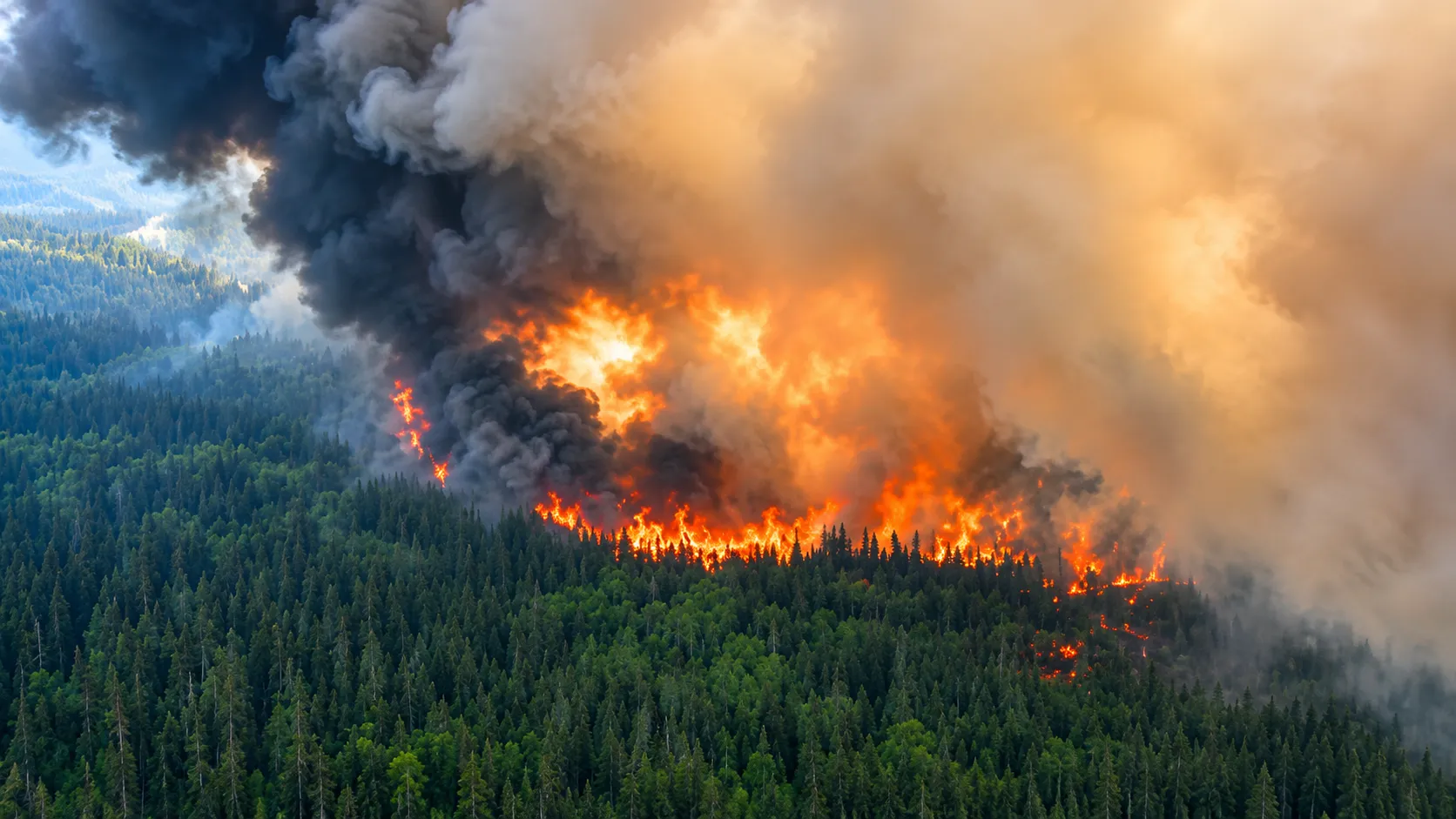
The world is falling far short of what it needs to do to protect people and economies from the effects of climate change, according to a new report from the United Nations Environment Programme (UNEP).
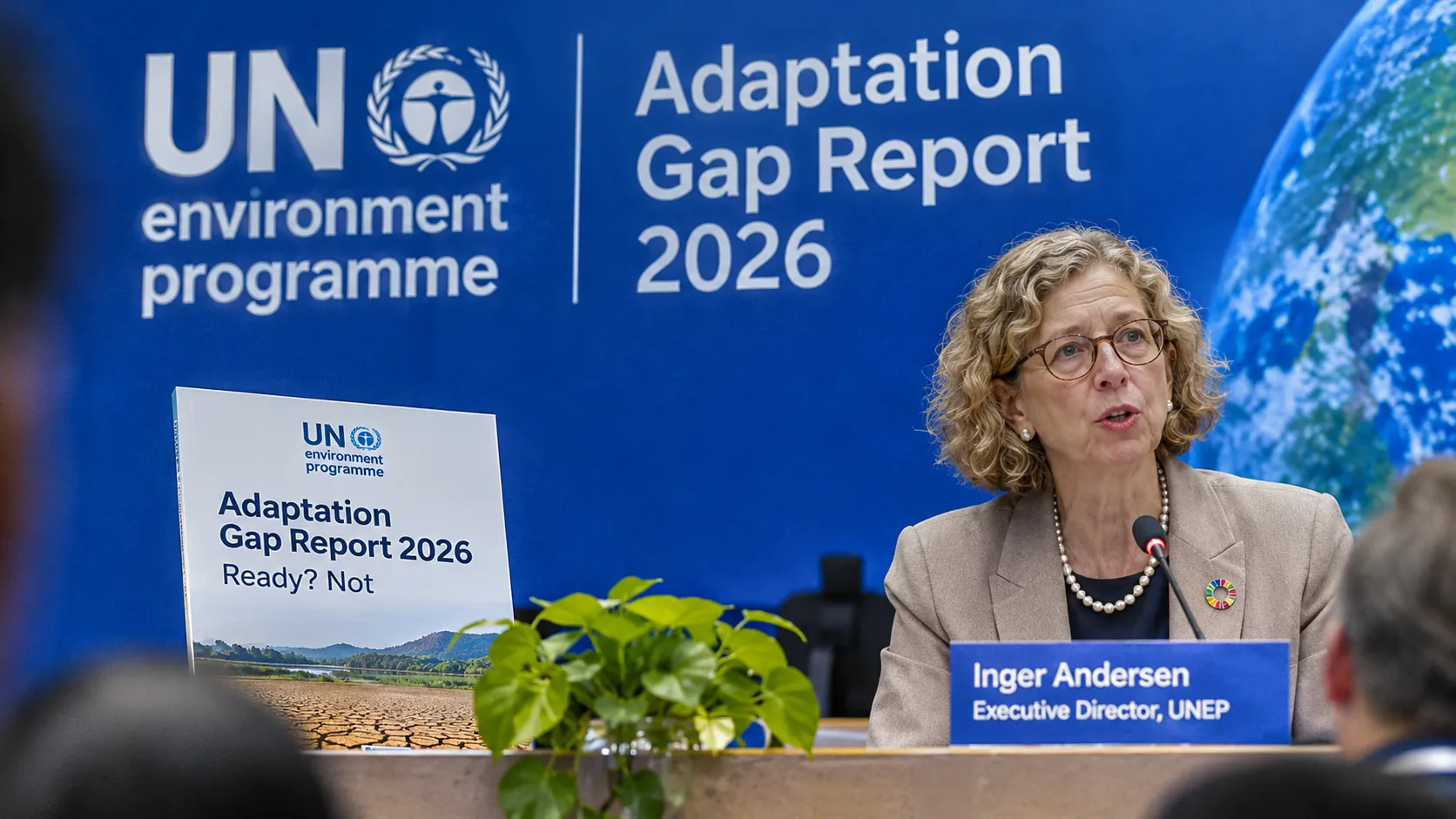
The Adaptation Gap Report 2026, titled "Ready? Not", was released in Nairobi on Wednesday, November 4. It found that developing countries will need about $305 billion a year by 2035 to adapt to a changing climate. Adjusted for inflation, that rises to roughly $420 billion a year.
By contrast, international public finance for adaptation in developing countries was between $28.2 billion and $31.7 billion in 2024. That was an increase of only about $1 billion on 2023. The gap between what is needed and what is being provided remains enormous, and it is widening as climate impacts intensify.
A stark warning from UNEP
UNEP's executive director, Inger Andersen, delivered a blunt assessment of the world's preparedness. "The world is not ready to adapt to current climatic conditions, never mind what overshoot of 1.5°C will bring," she said.
Her warning reflects a growing consensus among scientists that the world is likely to exceed the 1.5°C warming threshold set out in the Paris Agreement, at least temporarily. Each additional fraction of a degree of warming increases the frequency and severity of heatwaves, floods, droughts and storms.
Adaptation covers measures that help communities cope with climate impacts. These include building flood defences, developing drought-resistant crops, improving early warning systems, strengthening infrastructure and protecting water supplies.
Even tripling finance would not be enough
One of the report's most striking findings is that even a large increase in finance would leave a significant gap. UNEP calculated that tripling international public adaptation finance would cover only about 20% to 29% of developing countries' needs.
The private sector is often presented as a source of additional climate finance, but the report suggested its potential role in adaptation is limited. UNEP estimated that private finance could reduce the gap by only about 15% to 20%.
Adaptation projects often do not generate the kind of direct financial returns that attract private investors. A sea wall or an early warning system can save lives and prevent large economic losses, but it may not produce revenue that can be used to repay investors.
Why adaptation is falling behind
International climate finance has historically focused more on mitigation, which means reducing greenhouse gas emissions, than on adaptation. Mitigation projects such as solar farms and wind parks can often generate revenue, making them easier to finance through a mix of public and private money.
Developing countries have long argued that they need more support for adaptation, because they are often the most exposed to climate impacts despite having contributed relatively little to historical emissions. Small island states, low-lying coastal nations and countries with large agricultural populations are particularly vulnerable.
The report shows that the slow growth of adaptation finance has left many countries unable to implement the plans they have developed. Many have prepared national adaptation plans that identify their needs, but lack the funding to put them into practice.
Looking towards COP31
The report's release comes ahead of COP31, the UN climate conference that will take place in Antalya, Türkiye, later in November. Climate finance, including for adaptation, is expected to be one of the central issues at the talks.
At previous conferences, countries agreed to new climate finance goals, but developing countries have criticised the amounts as insufficient. The report adds weight to calls for a significant increase in adaptation funding and for a clearer pathway to meet developing countries' needs.
Negotiators will also discuss how to measure progress on adaptation and how to ensure that finance reaches the communities that need it most.
The South Asian perspective
For India and South Asia, the report's findings are directly relevant. The region is among the most exposed to climate change, with large populations living in areas vulnerable to heatwaves, floods, cyclones and changes in monsoon patterns.
India has experienced record-breaking heatwaves in recent years, with temperatures in some regions exceeding 45°C for extended periods. Floods and landslides, particularly in the Himalayan states, have caused significant loss of life and damage to infrastructure. Changes in rainfall patterns affect agriculture, which employs a large share of the country's workforce.
Sanjay Vashist of Climate Action Network South Asia also commented on the report, highlighting the urgency of increasing adaptation support for vulnerable communities in the region.
India has argued in international negotiations that developed countries must provide more finance for both adaptation and mitigation in developing nations. It has also invested domestically in adaptation, including in early warning systems for cyclones, which have helped reduce deaths from storms significantly over the past two decades.
Economic costs of inaction
The report highlights the economic case for adaptation. Investing in resilience before disasters strike is generally far cheaper than paying for recovery afterwards. Climate-related disasters already cause hundreds of billions of dollars in damage each year globally, and these costs are expected to rise.
For businesses, climate risks are increasingly material. Extreme weather can disrupt supply chains, damage facilities and affect workers' productivity. Investors are paying more attention to climate risk in their portfolios, and regulators in many countries are requiring companies to disclose their exposure.
Innovation and new financing models
The size of the gap has prompted calls for new approaches to adaptation finance. These include blended finance structures that combine public and private money, insurance mechanisms that help countries recover from disasters, and debt-for-climate swaps that allow countries to redirect debt payments towards adaptation.
Technology also has a role. Improved weather forecasting, satellite monitoring and data analytics can help governments and communities prepare for climate impacts. Indian startups and research organisations are developing tools in areas such as climate-resilient agriculture, water management and heat action planning.
However, the report suggests that innovative financing alone will not close the gap. Significantly larger public funding commitments from developed countries will be needed.
What it means for the diaspora and investors
For the global Indian diaspora, many of whom have family and business ties in climate-vulnerable regions, the report underlines the importance of climate resilience for India's future. Diaspora investors, philanthropists and professionals can play a role in supporting adaptation projects, from community-level initiatives to large infrastructure.
For investors more broadly, the report highlights both risks and opportunities. Climate impacts pose risks to assets and supply chains, while growing demand for adaptation solutions creates opportunities in areas such as resilient infrastructure, water technology and climate-smart agriculture.
The road ahead
UNEP's message is clear: adaptation efforts are not keeping pace with the growing impacts of climate change. Without a substantial increase in finance and action, vulnerable communities in developing countries will face growing losses.
As world leaders prepare to gather in Antalya, the report sets out the scale of the challenge. Whether negotiators can agree on meaningful steps to close the adaptation gap will be one of the key tests of COP31.