WomenEntrepreneurship5 MIN READ

Vrinda Kapoor's Bharat Semi Raises $24 Million Seed Round to Build AI Image Sensors That Could Cut System Costs by 70%

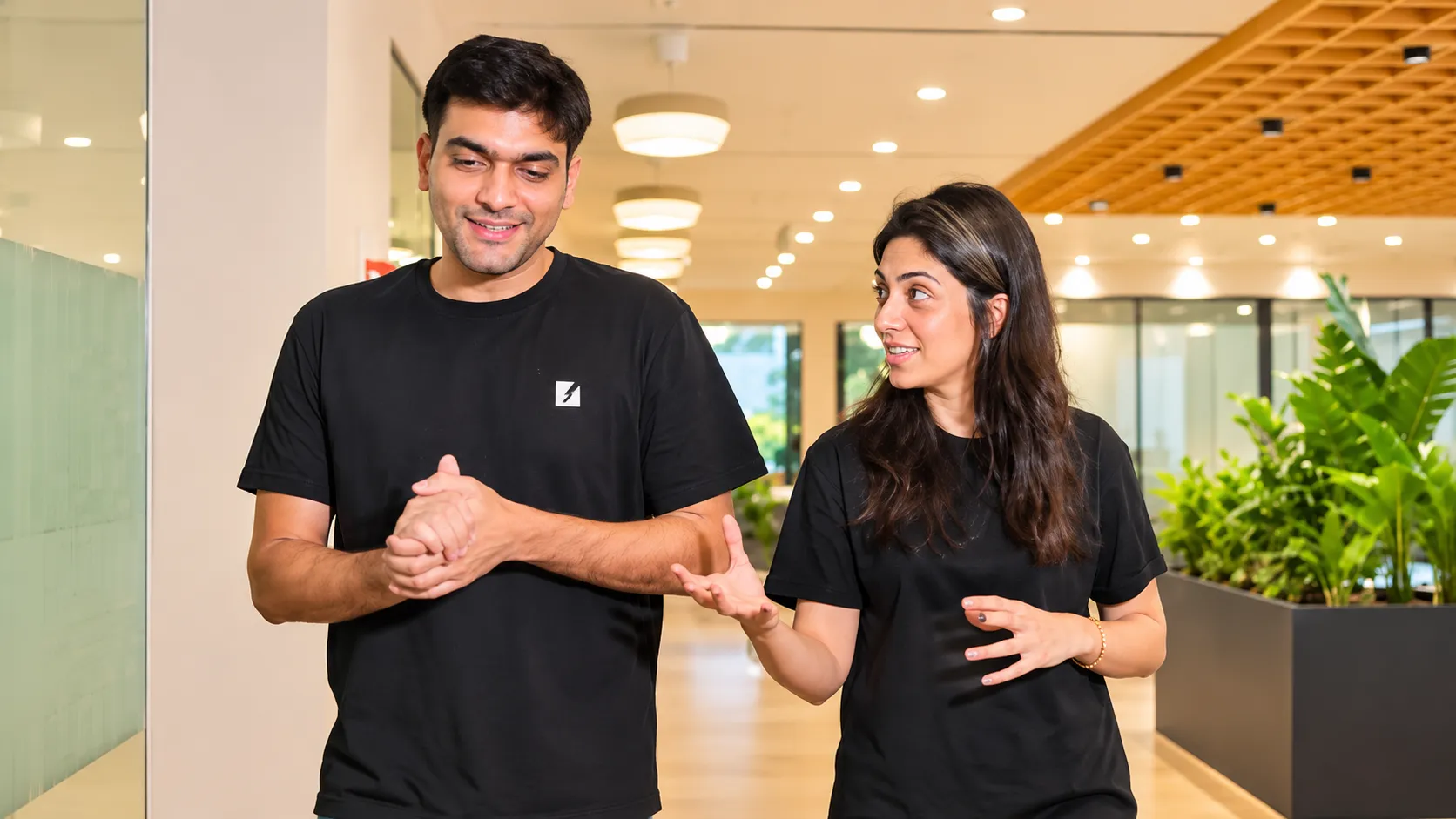
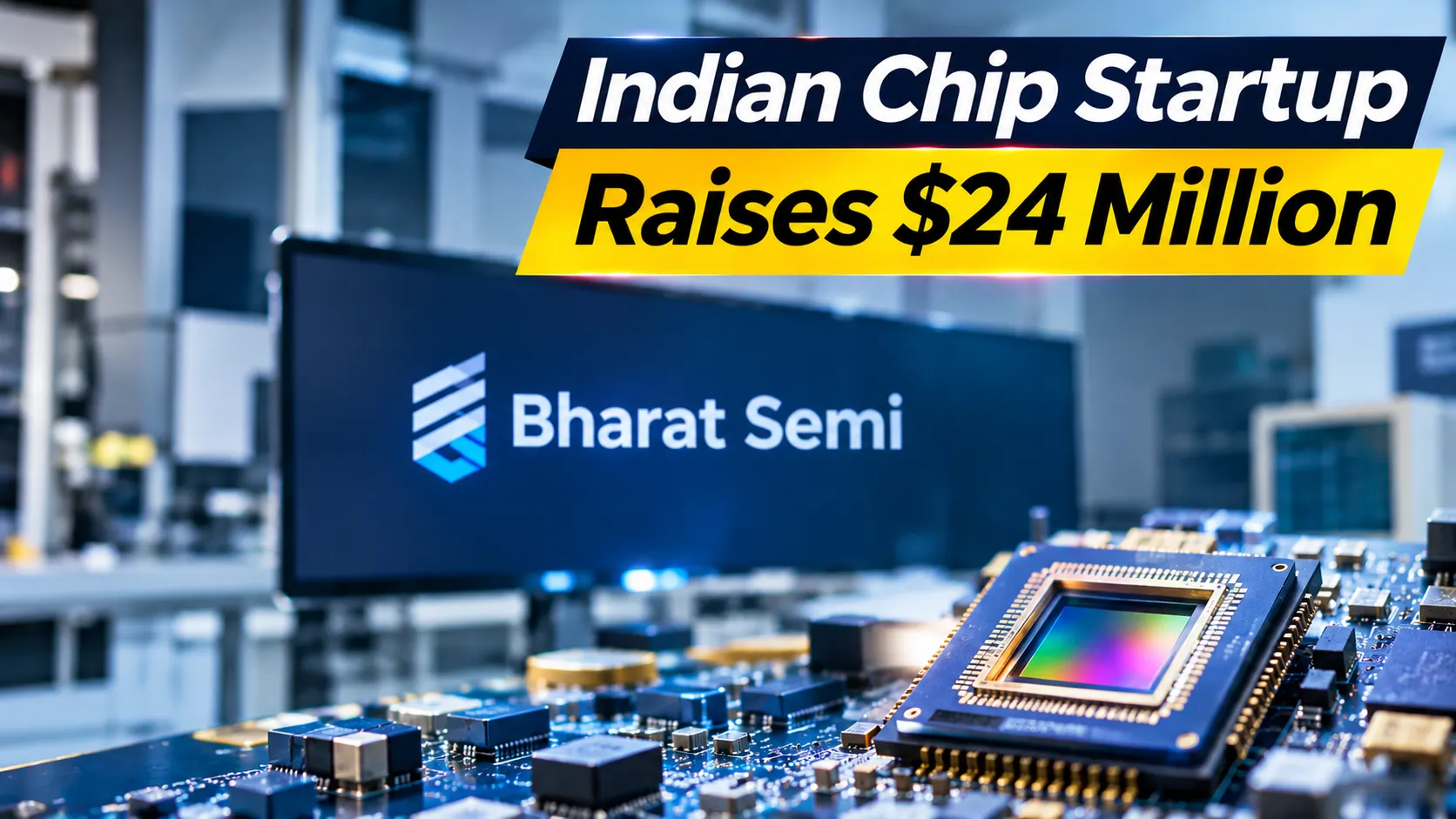
New Delhi-based semiconductor startup Bharat Semi, co-founded by Vrinda Kapoor and Vinayak Dalmia, has raised $24 million in an all-equity seed round led by Info Edge Group, South Park Commons and Indus Bridge Ventures. The fabless company is building AI-enabled image sensors on a single chip, already has design wins with General Atomics and Kaynes Semicon, and targets commercial production in 2027.

By Nisha Omkumar · Author16 November 2026New
Vrinda Kapoor's Bharat Semi Raises $24 Million Seed Round to Build AI Image Sensors That Could Cut System Costs by 70%

In an industry where women founders remain rare and seed rounds are typically measured in a few million dollars, a New Delhi chip startup has just made a statement on both counts.

Bharat Semi, a semiconductor design company co-founded by Vrinda Kapoor and Vinayak Dalmia, has raised $24 million in an all-equity seed round, according to Entrepreneur India, which reported the deal on November 16. The round was led by Info Edge Group, South Park Commons and Indus Bridge Ventures, with participation from Valour Capital, Micromax, Gaingels and individual investors.

The company is building image sensors with artificial intelligence capabilities integrated on a single chip, technology it says could cut system costs by at least 70%. It remains pre-revenue, nearly five years after it was founded in late 2021.

From sensors to sense-making

"Our aim here is to move from sensors to sense-making solutions," Kapoor said, according to Entrepreneur India.

Traditional camera systems typically use a separate image sensor to capture light and a separate processor to analyse the images. Bharat Semi's approach is to combine sensing and AI processing on one chip, which could reduce the number of components, power consumption and cost, while allowing devices to interpret what they see more quickly.

Such sensors are increasingly important for what the industry calls physical AI: robots, drones, vehicles, industrial machines and security systems that must perceive and respond to the physical world in real time. As these devices proliferate, demand for efficient, intelligent vision chips is expected to grow rapidly.

Design wins before revenue

Although the company has not yet generated revenue, it has secured design wins with General Atomics, the US defence and energy technology company, and Kaynes Semicon, the semiconductor unit of Indian electronics manufacturer Kaynes Technology, according to Entrepreneur India. A design win means a customer has chosen to incorporate a chip into its product, an important milestone for a semiconductor startup.

Bharat Semi is targeting initial commercial production in 2027. Its second-generation sensors are expected to reach the prototype stage by mid-2027 and customers by the end of that year.

Use of funds

The company plans to use the money to expand its engineering team, complete product development and bring its sensors to market. It will remain fabless, meaning it designs chips but relies on outside manufacturers to produce them, the model used by companies such as Nvidia, Qualcomm and AMD.

Bharat Semi has a separate semiconductor fabrication project in India, which is not funded by this round, according to Entrepreneur India.

A woman leading in deep tech

Kapoor's role as co-founder of a well-funded chip startup is notable in a sector where women remain significantly under-represented, both in India and globally. Women make up a small share of engineers in semiconductor design and an even smaller share of founders of hardware and deep tech companies, which typically require long development cycles and large amounts of capital.

Kapoor is also a fellow of South Park Commons, the San Francisco-based founder community and investor that co-led the round. Her success in raising a large seed round could encourage more women to build companies in deep technology, a field where role models remain few.

Research has repeatedly shown that women-led startups receive a small fraction of venture capital funding worldwide. In India, women-founded companies have attracted growing investor interest in consumer brands, healthcare and education, but remain rare in hardware and semiconductors.

“Our aim here is to move from sensors to sense-making solutions.”
— Vrinda Kapoor, Co-founder, Bharat Semi

Why the round size matters

A $24 million seed round is unusually large by Indian standards, where seed rounds are often a few million dollars. The size reflects the high costs of semiconductor development, which include expensive design software, specialised engineers and the cost of producing prototype chips through foundries.

The round is also many times larger than the support available under India's chip design incentive scheme, which offers subsidies to semiconductor design startups. Private capital at this scale suggests investors see Bharat Semi's technology as globally competitive rather than dependent on government support.

Info Edge, the parent company of job portal Naukri and an early investor in Zomato and PolicyBazaar, has been one of India's most successful technology investors. Its decision to lead a deep tech round signals growing interest among Indian investors in hardware and semiconductors.

India's semiconductor push

The funding comes as India pursues an ambitious strategy to build a semiconductor industry, supported by the India Semiconductor Mission. The government has approved several fabrication and packaging projects, including facilities by Tata Electronics, Micron and Kaynes, and has offered incentives to design startups.

India already has a large base of chip design engineers, many working for global companies such as Intel, Qualcomm, Nvidia and Texas Instruments. Startups like Bharat Semi aim to turn that expertise into Indian-owned intellectual property and products.

80fce296-ad6b-471d-93c0-2a3dd7540606.png

The challenges ahead

Semiconductor startups face significant risks. Developing chips is expensive and time-consuming, and products can fail to meet performance targets or be overtaken by competitors. Bharat Semi will compete with established image sensor makers such as Sony, Samsung and OmniVision, which dominate the global market, as well as startups developing AI vision chips.

Securing manufacturing capacity, building a sales network and achieving the volumes needed for profitability will all be critical tests. The company's ability to convert its design wins into commercial orders will be closely watched.

What it means for the diaspora

For the global Indian diaspora, many of whom work in semiconductor companies in the United States, Europe and Asia, the rise of Indian chip startups offers new opportunities to return home, invest or collaborate. Bharat Semi's investor base, which spans India and the United States, reflects the cross-border networks that increasingly shape India's deep tech ecosystem.

The talent question

Building chips requires rare skills, from analog and mixed-signal circuit design to verification and physical design. India has a large pool of such engineers, but most work for multinational companies. Startups like Bharat Semi must compete with global firms for talent, offering equity and the chance to build products from scratch. A large seed round gives the company resources to recruit experienced engineers, which is often the biggest constraint for deep tech startups.

What comes next

Bharat Semi will focus on completing development of its first sensors and preparing for commercial production in 2027. If it succeeds, it could become one of the first Indian companies to sell AI-enabled image sensors to global customers, and Kapoor one of the most prominent women in India's semiconductor industry.

TagsBharat SemiVrinda KapoorVinayak Dalmiawomen in techwomen founderssemiconductor startupfabless chip designimage sensorsphysical AIInfo EdgeSouth Park CommonsIndus Bridge VenturesMicromaxGeneral AtomicsKaynes SemiconIndia Semiconductor Missiondeep techseed fundingIndian startupsinvestors

Reader reviews

Sign in to rate and review this article.
Loading reviews…

