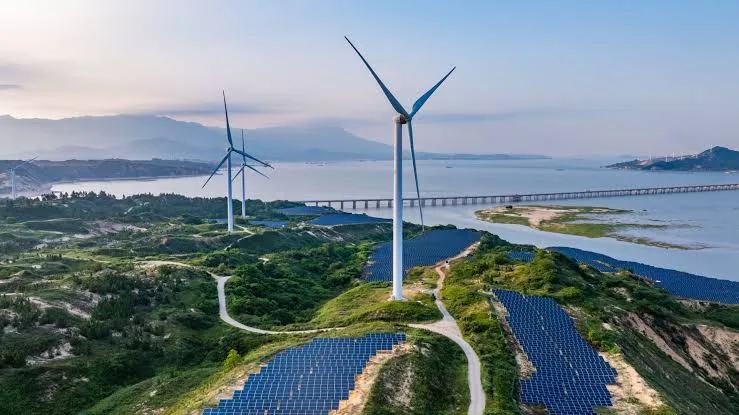
Wind and solar power have together overtaken natural gas in global electricity generation for the first time, according to energy-sector data cited by sustainability and climate publications tracking the global power mix through 2026. The milestone marks a symbolically significant moment in the decades-long transition away from fossil fuels, even as the world continues to grapple with rising overall energy demand driven in part by the expansion of AI data centres and electrification of transport.
For much of the past two decades, natural gas held a structural advantage over renewables in electricity generation: it offered dispatchable, on-demand power that could be ramped up or down to match grid demand, a capability that intermittent renewable sources like wind and solar have historically struggled to match without accompanying battery storage or grid-balancing infrastructure. That combined wind and solar output has now overtaken gas generation globally reflects both the falling cost of renewable generation capacity and significant improvements in grid-scale storage and forecasting technology.
The shift has been most pronounced in markets that have combined supportive policy frameworks with abundant renewable resources. The European Union recorded wind and solar generation exceeding fossil fuel output for the first time on a regional basis in 2025, a milestone that policymakers and climate advocates described at the time as a major achievement in the continent's energy transition. That regional achievement has now been echoed at a global level, suggesting the trend is not confined to Europe's relatively renewables-friendly regulatory environment.
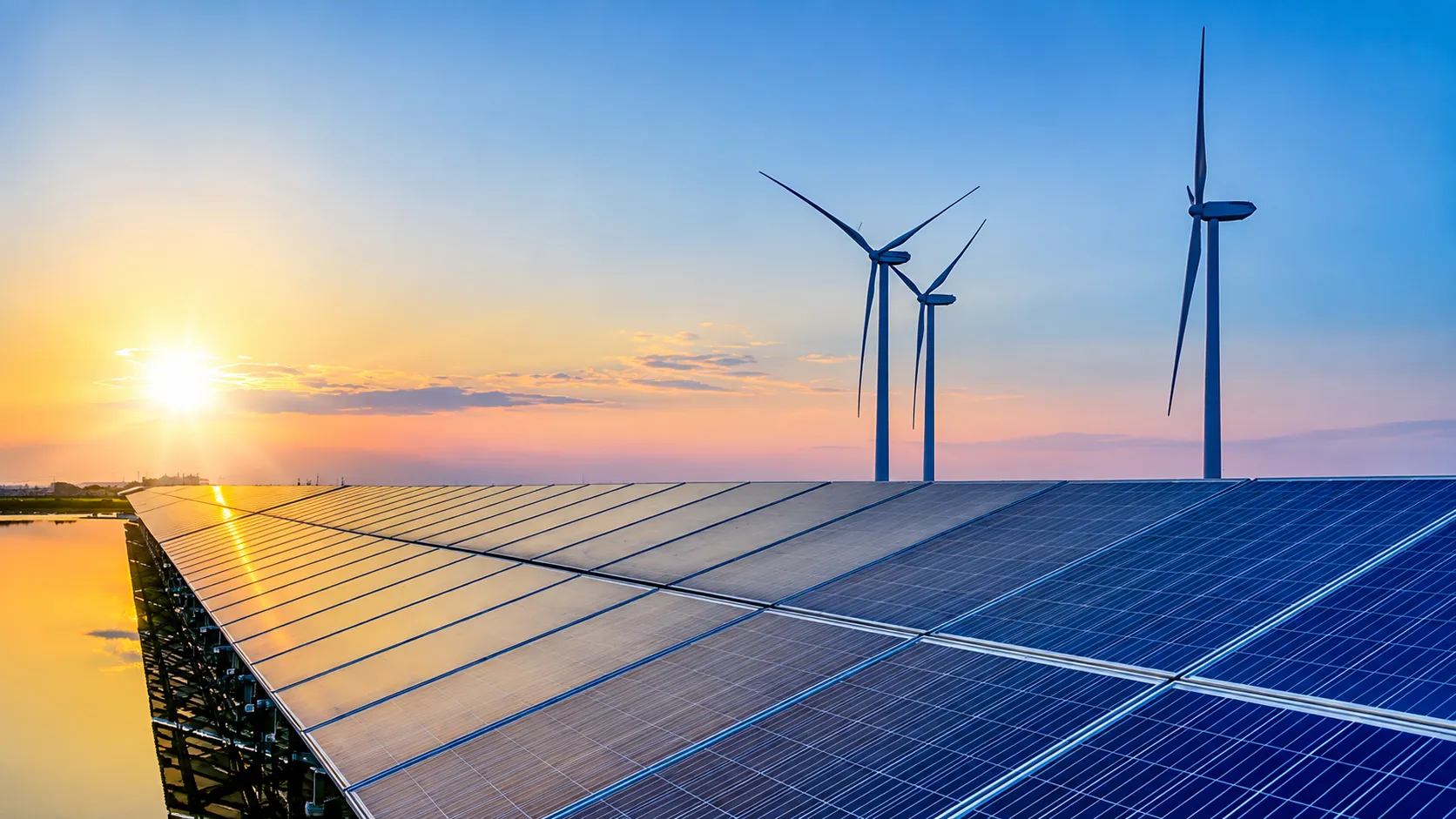
China and the United States, the world's two largest electricity markets, have both been central to the shift, albeit through different pathways. China has installed renewable generation capacity at a scale unmatched by any other country, driven by an industrial policy that has made it the dominant global manufacturer of solar panels, wind turbines and battery storage systems. The United States, meanwhile, has seen renewable additions accelerate even amid policy uncertainty, driven largely by underlying economics: in many US markets, new wind and solar capacity is now cheaper to build and operate than new natural gas generation, independent of subsidy support.
The milestone arrives at a complicated moment for global energy demand. The rapid build-out of AI data centres worldwide has introduced a significant new source of electricity consumption, with technology companies increasingly competing for grid capacity and, in some cases, entering into direct power purchase agreements — including with nuclear and geothermal providers — to secure reliable, carbon-free electricity for their facilities. This dynamic has created both a challenge and an opportunity for the renewable sector: surging data centre demand risks straining grids, but technology companies with net-zero commitments have also become some of the largest corporate purchasers of renewable power, financing new capacity through long-term offtake agreements.
Climate researchers caution against reading the milestone as evidence that the broader energy transition is on track to meet global climate targets. Even as renewables gain ground in electricity generation, global emissions have continued to rise on the back of high overall energy demand growth, and the Paris Agreement's goal of limiting warming to 1.5 degrees Celsius above pre-industrial levels is now widely regarded by climate scientists as likely to be temporarily exceeded.
Grid stability remains a persistent concern even as renewable penetration increases, with countries carrying the highest shares of renewable generation in some cases becoming more vulnerable to localised outages during periods of low wind or solar output — underscoring continued underinvestment in grid-stabilising technology such as long-duration storage and demand response systems. For sustainability-focused investors and corporates, the milestone nonetheless reinforces the underlying investment thesis behind the renewable build-out: that wind and solar are no longer a policy-dependent niche but have become a structurally competitive, and in many markets dominant, source of new electricity generation capacity.