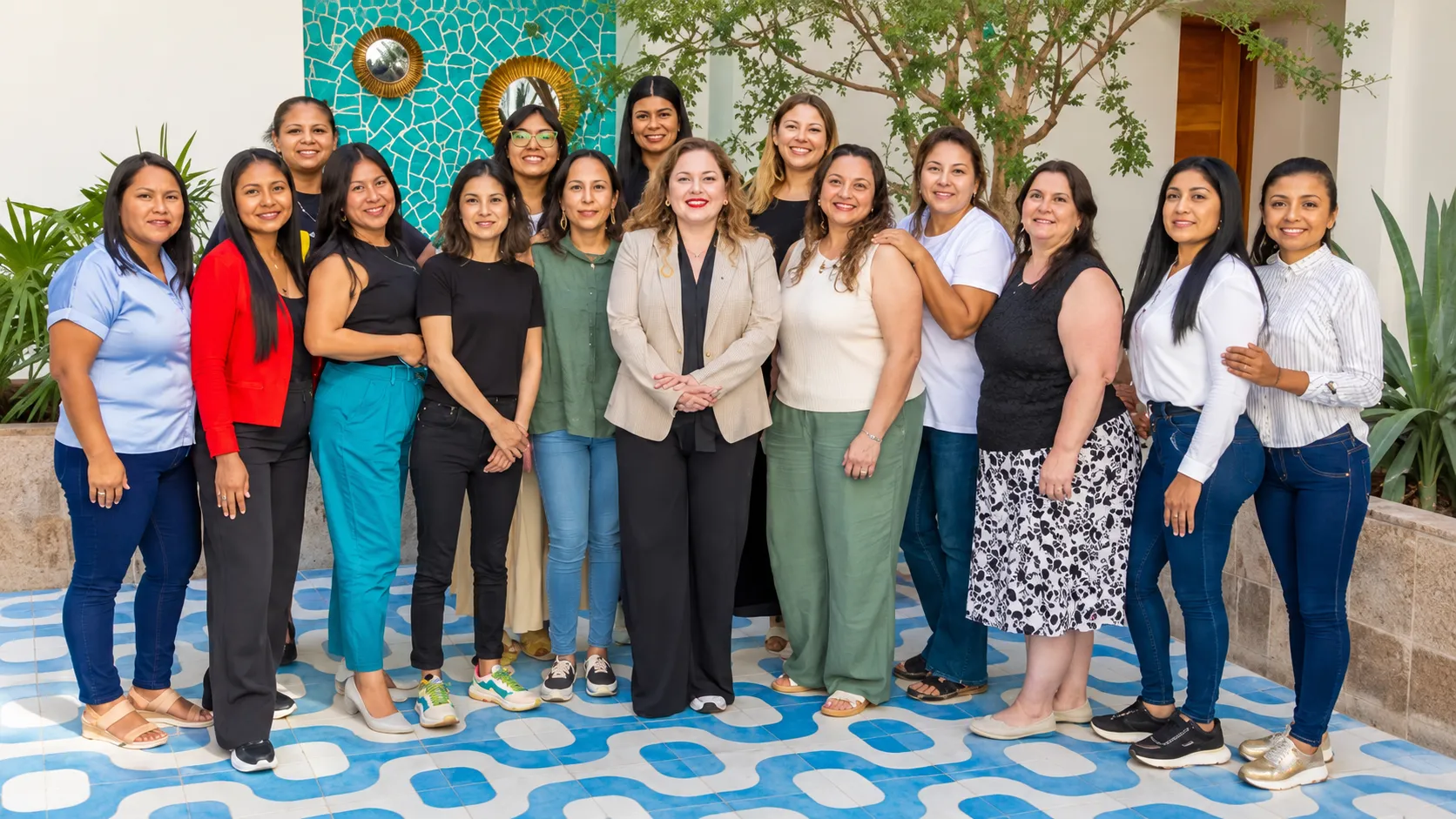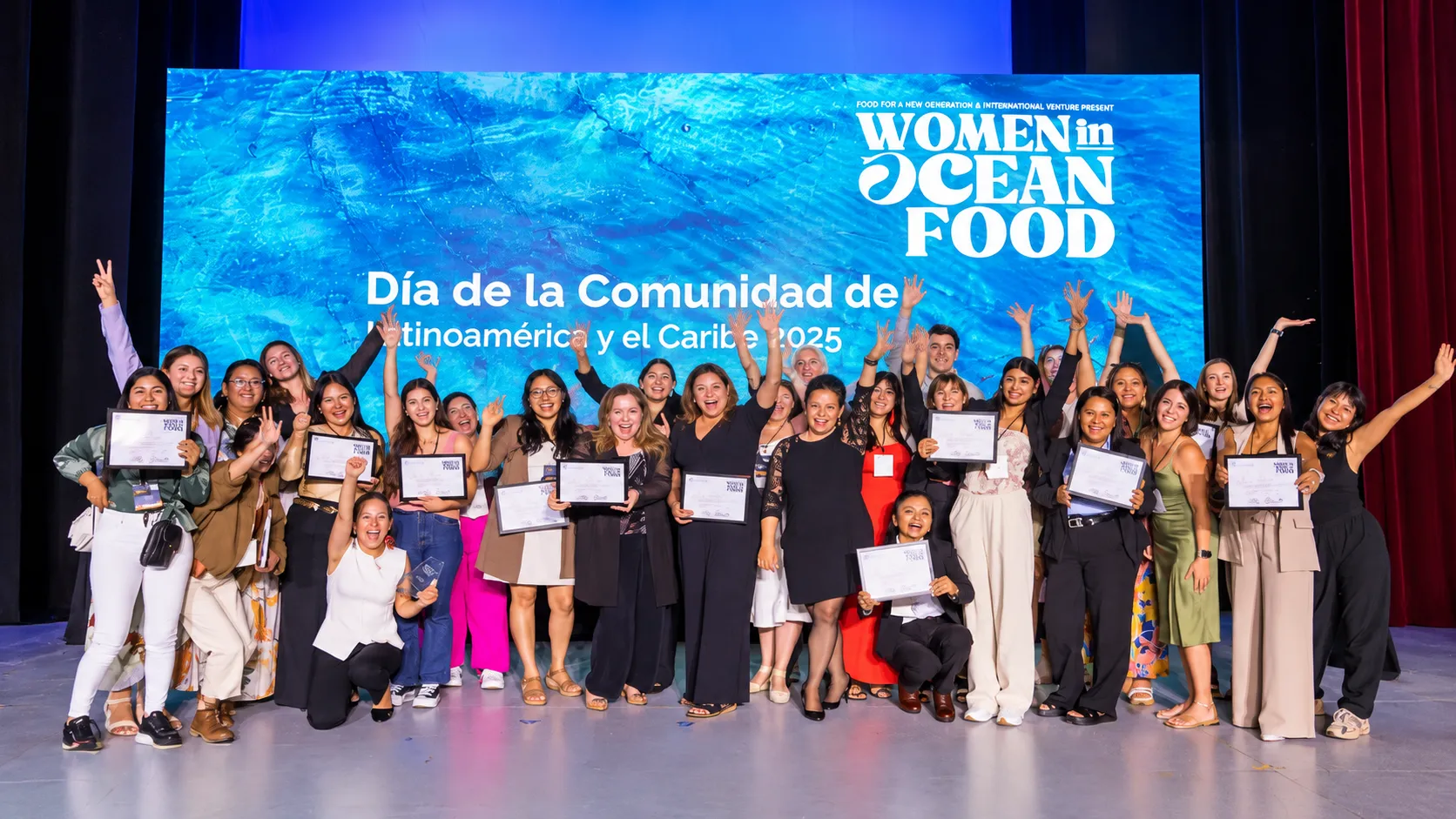
Hatch Blue and Conservation International Ventures have opened applications for the 2027 Women in Ocean Food Innovation Studio in Latin America and the Caribbean, an equity-free programme that supports women-led businesses working to make the ocean economy more sustainable.
The announcement, made on 29 September 2026, came with a notable milestone. Companies led by alumni of the programme's first three Latin American and Caribbean cohorts have collectively raised $11.7 million in funding, according to the organisers. The 2026 cohort alone brought together participants from eight countries and ten companies.
The 2027 edition will be the fourth regional cohort. Applications close on 7 November 2026, and the programme will begin with an in-person session in La Paz, Mexico, on 25 January 2027.
How the programme works
The Women in Ocean Food Innovation Studio combines an intensive in-person experience with a year of structured support. Participants spend nine days together in La Paz, followed by 12 months of remote support covering market intelligence, go-to-market strategy, fundraising and investment readiness. The programme also offers introductions to investors, industry visits and mentorship.
Crucially, it is equity-free. Participants do not give up ownership in their companies in exchange for support, a feature that matters for founders in early stages who want to preserve control and future fundraising flexibility, and for businesses such as cooperatives that do not fit the conventional venture capital model.
The programme is open to a broad range of applicants. Women founders and women in decision-making roles at startups and scaling companies are eligible, as are research teams with a proof of concept and a route to market, and cooperatives and associations. That breadth reflects the reality of the ocean food sector, where innovation comes from fishing communities and research institutions as well as from startups.
Focus areas
The studio targets businesses in sustainable and regenerative aquaculture, marine biotechnology, aquaculture technology, seafood value chains, seafood waste revalorisation and blue carbon. Each of those areas addresses a significant challenge in how the world produces food from the sea.
Aquaculture now supplies a large share of the fish and seafood consumed globally, and its share is expected to grow as wild fisheries face limits. But poorly managed fish and shrimp farming can pollute waters, damage coastal ecosystems such as mangroves and spread disease. Regenerative approaches, including the farming of seaweed and shellfish that can improve water quality, offer more sustainable alternatives.
Seafood processing generates large volumes of waste, including shells, heads and skins, that can be turned into valuable products such as fertilisers, animal feed, collagen and biomaterials. Blue carbon refers to carbon captured and stored by coastal and marine ecosystems, including mangroves, seagrasses and salt marshes, whose protection and restoration can generate climate benefits and, potentially, carbon credits.
Alumni success stories
The organisers highlighted several alumni companies. Aqua Viridi from Brazil has secured $1.25 million in grants and $250,000 in investment. MareaRosa from Ecuador has achieved Aquaculture Stewardship Council certification, an internationally recognised standard for responsible farming, positioning it to target premium markets in the United States.
Such milestones matter because access to capital and markets remains a major barrier for women-led businesses in the sector. Certification, in particular, can open doors to buyers in high-value markets who increasingly require proof of sustainable and ethical practices.
Why women in ocean food matter
Women play a central but often invisible role in the global seafood industry. They make up a large share of the workforce in fish processing, marketing and small-scale fishing activities, from gleaning shellfish to trading fish in local markets. Yet they are significantly under-represented in ownership, leadership and access to finance.
That gap has economic and social consequences. Women-led businesses often face greater difficulty securing loans and investment, limiting their ability to grow. Their perspectives may also be missing from decisions about how coastal resources are managed. Programmes that support women founders aim to address both issues: expanding economic opportunity and bringing more diverse leadership to an industry that must transform itself to be sustainable.
Hatch Blue, an aquaculture-focused investment and innovation firm, and Conservation International Ventures, the impact investment arm of the global conservation organisation, have designed the programme to build a pipeline of investable, sustainable businesses led by women. The model has expanded to other regions, including a forum for women seafood founders in Africa hosted in Tanzania.
## Closing the finance gap
Access to capital is one of the most persistent barriers for women entrepreneurs in food and agriculture. Globally, women-led businesses receive a small fraction of venture capital, and the gap is often wider in sectors perceived as traditional or capital-intensive, such as fisheries and aquaculture. Lenders may also require collateral, such as land or boats, that women are less likely to own in their own names.
The Innovation Studio's emphasis on investment readiness is designed to address that gap. By helping founders prepare financial models, pitch materials and impact metrics, and by introducing them directly to investors, the programme aims to shorten the path from idea to funding. The alumni results suggest that approach is working. For grant-makers and impact investors seeking credible opportunities in sustainable ocean food, a pipeline of well-prepared, women-led businesses also reduces the cost and risk of finding deals.
Lessons for India's blue economy
The programme's approach carries lessons for India, which has one of the world's longest coastlines and is among the largest producers of farmed shrimp and fish. India's seafood exports are a significant source of foreign exchange, and the government has promoted fisheries and aquaculture through the Pradhan Mantri Matsya Sampada Yojana. Women form a large part of the workforce in fish processing and marketing in coastal states such as Kerala, Tamil Nadu, Andhra Pradesh and Gujarat.
Yet, as in Latin America, women in India's fisheries often lack access to capital, technology and markets on equal terms. Initiatives that combine business training, investor access and equity-free support could help women-led fisheries enterprises, self-help groups and cooperatives in India scale sustainable practices and move up the value chain.
As applications open for the 2027 cohort, the Women in Ocean Food programme offers a model of how targeted support can help women build businesses that protect ocean ecosystems while generating income. With $11.7 million raised by alumni so far, the results suggest that investing in women's leadership in the blue economy is fair and also good business.