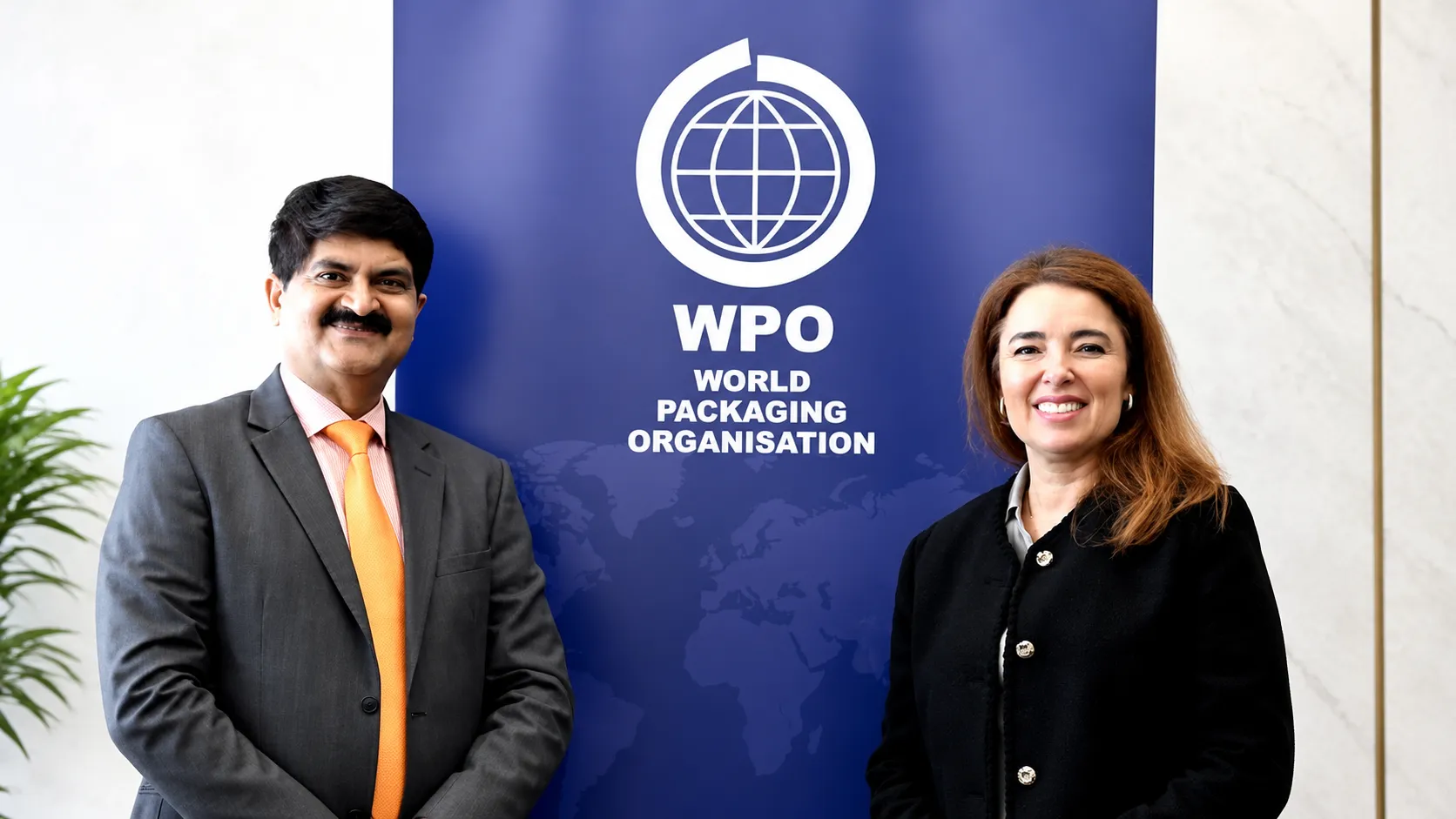
The World Packaging Organisation marked September 6, 2026 as the inaugural World Packaging Day, with activities centred on packaging's role in food-waste prevention, economic activity and circularity, according to a statement from the organisation. The initiative is designed to promote collaboration between industry, academia, policymakers and other stakeholders on eco-design, material innovation and resource efficiency across the global packaging sector.
Packaging occupies an unusually contested position within sustainability debates: it is simultaneously one of the most visible sources of plastic and material waste in modern consumer economies, and, when designed well, a critical tool for preventing the far larger environmental footprint associated with food spoilage and waste. The World Packaging Organisation's framing — positioning packaging as enabling economic, social and environmental positive impact rather than treating it purely as a waste-reduction problem — reflects a broader industry effort to reposition packaging innovation as integral to sustainability solutions rather than solely their source.
The inaugural day's focus on food-waste prevention specifically speaks to a significant, if underappreciated, sustainability lever: global food loss and waste is estimated by international agencies to account for a substantial share of overall greenhouse-gas emissions, with poor or inadequate packaging contributing meaningfully to spoilage losses across supply chains, particularly in regions with less-developed cold-chain and logistics infrastructure. Better-designed packaging, even where it increases material use in the short term, can in some cases deliver a net environmental benefit by extending shelf life and reducing spoilage-driven waste, a nuance that industry advocates argue is often missed in simplified anti-packaging sustainability narratives.
As the World Packaging Organisation looks to establish World Packaging Day as a recurring fixture, the initiative's success will likely be measured less by the awareness-raising event itself and more by whether it catalyses concrete collaboration between the industry, academic and policymaking stakeholders it is designed to bring together — particularly around eco-design standards and material innovation that could meaningfully shift the environmental calculus of packaging at global scale.