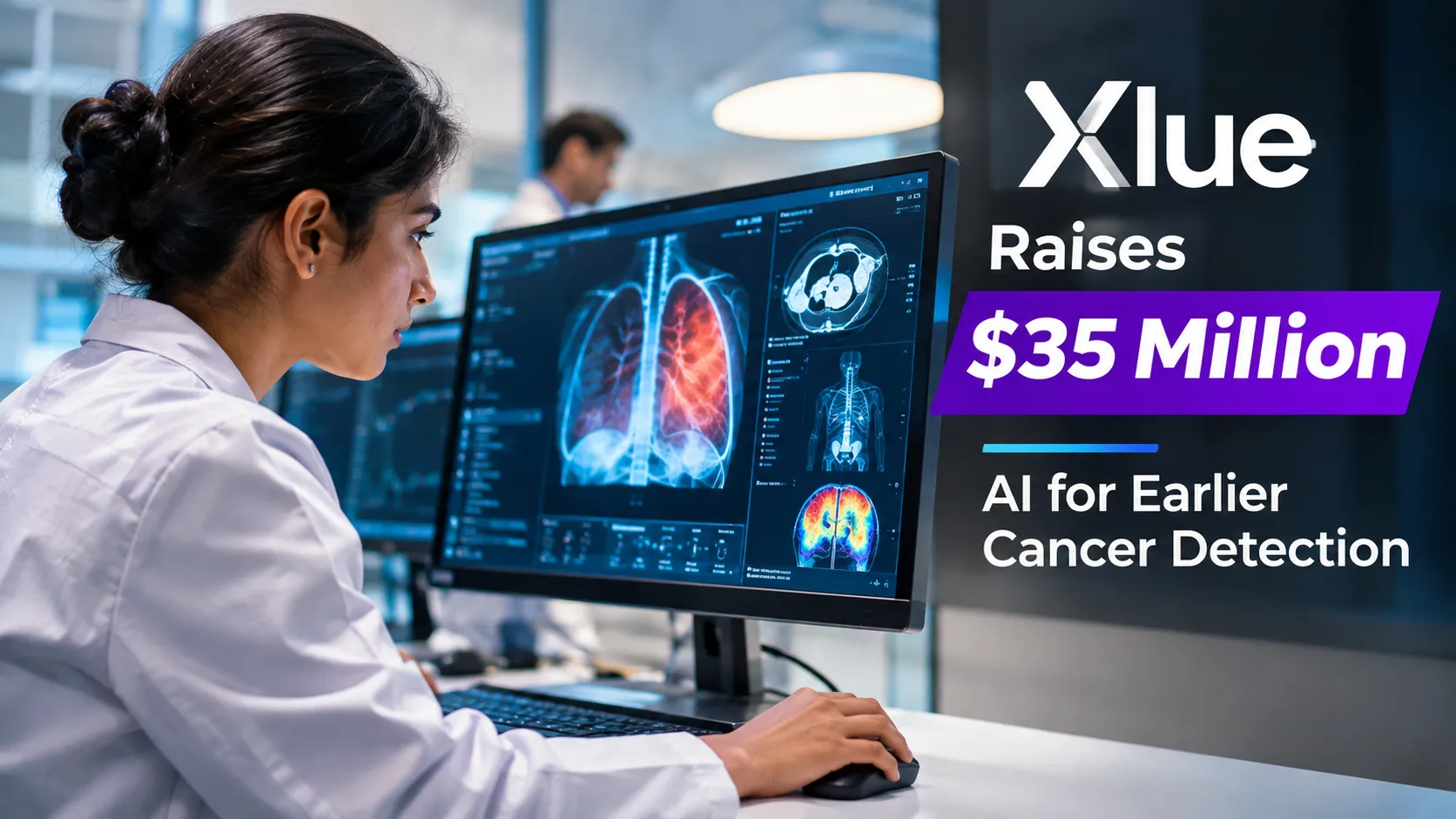
Many cancers are diagnosed too late, when treatment is more difficult and survival rates are lower. A young startup believes the warning signs may already be hidden in patients' medical histories.
Xlue, a Pittsburgh-based company spun out of Carnegie Mellon University in 2025, has raised a $35 million seed round led by Conviction, according to funding data compiled by AI Funding Tracker for the 24 hours to Thursday, November 19.
The round is unusually large for a seed-stage company, reflecting strong investor interest in AI applications in healthcare.
Predicting cancer before symptoms
Xlue's core technology is a foundation model called CATCH-FM, designed to predict a patient's risk of developing cancer based on their electronic health records. Health records contain information such as diagnoses, prescriptions, lab results and hospital visits over time. Patterns in this data can indicate an elevated risk of cancer, even before symptoms appear.
By identifying high-risk patients, the model could help doctors prioritise screening, such as scans or blood tests, for those most likely to benefit, leading to earlier diagnosis.
The model was trained on Taiwan's National Health Insurance Research Database, one of the world's largest health insurance databases, which covers almost the entire population of Taiwan.
In a study involving about 30,000 patients, 50% to 70% of those flagged by the model as high-risk were later diagnosed with cancer, according to information compiled by AI Funding Tracker.
Clinical trials
Xlue's model is being tested in a trial at Kaohsiung Medical University Hospital in Taiwan, focusing on lung and liver cancer. The company is also in talks with UPMC, the University of Pittsburgh Medical Center, one of the largest health systems in the US.
Clinical validation is essential for AI health tools, which must demonstrate that they are accurate, safe and useful in real-world settings before they can be widely adopted by hospitals and approved by regulators.
The founders
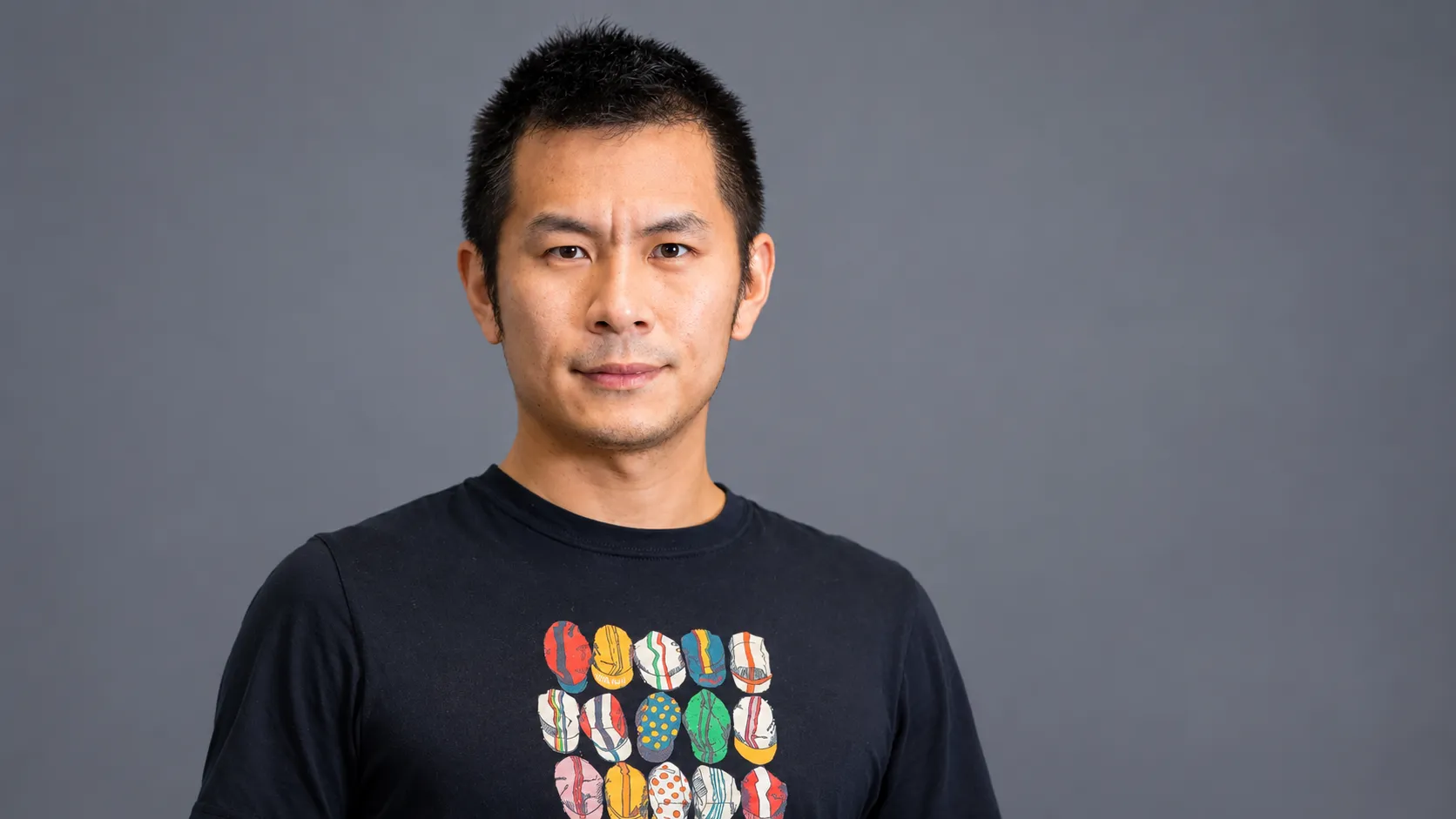
Xlue was founded by Carnegie Mellon researchers Ophir Frieder, Hao-Ren Yao and Chenyan Xiong, who serves as chief executive. Before the seed round, the company raised $1.5 million through a SAFE, a type of early-stage investment agreement.
Carnegie Mellon is one of the world's leading universities for computer science and AI research, and Pittsburgh has become a hub for AI, robotics and healthcare technology.
The investor
Conviction is a venture capital firm founded by Sarah Guo, a prominent AI investor and former partner at Greylock. The firm focuses on AI-native companies across infrastructure and applications.
The promise of AI in cancer care
AI is being applied across cancer care, from analysing medical images to detect tumours to predicting how patients will respond to treatment and accelerating drug discovery. Early detection is one of the most promising areas, because cancers caught early are often far more treatable.
Lung and liver cancers are among the deadliest forms of cancer, partly because they are often diagnosed at advanced stages. Lung cancer screening using low-dose CT scans is recommended for high-risk groups, such as heavy smokers, but many people who develop the disease do not fit these criteria. Better risk prediction could expand screening to people who would otherwise be missed.
The challenges
AI health prediction tools face significant challenges. Models trained on data from one population may not perform as well in others with different demographics, healthcare systems or record-keeping practices. False positives could lead to unnecessary tests and anxiety, while false negatives could provide false reassurance.