ImpactSustainability5 MIN READ

Zelio E-Mobility's H1 Profit Jumps 2.6 Times to ₹31 Crore as Revenue More Than Doubles, Riding Demand for Low-Speed Electric Scooters

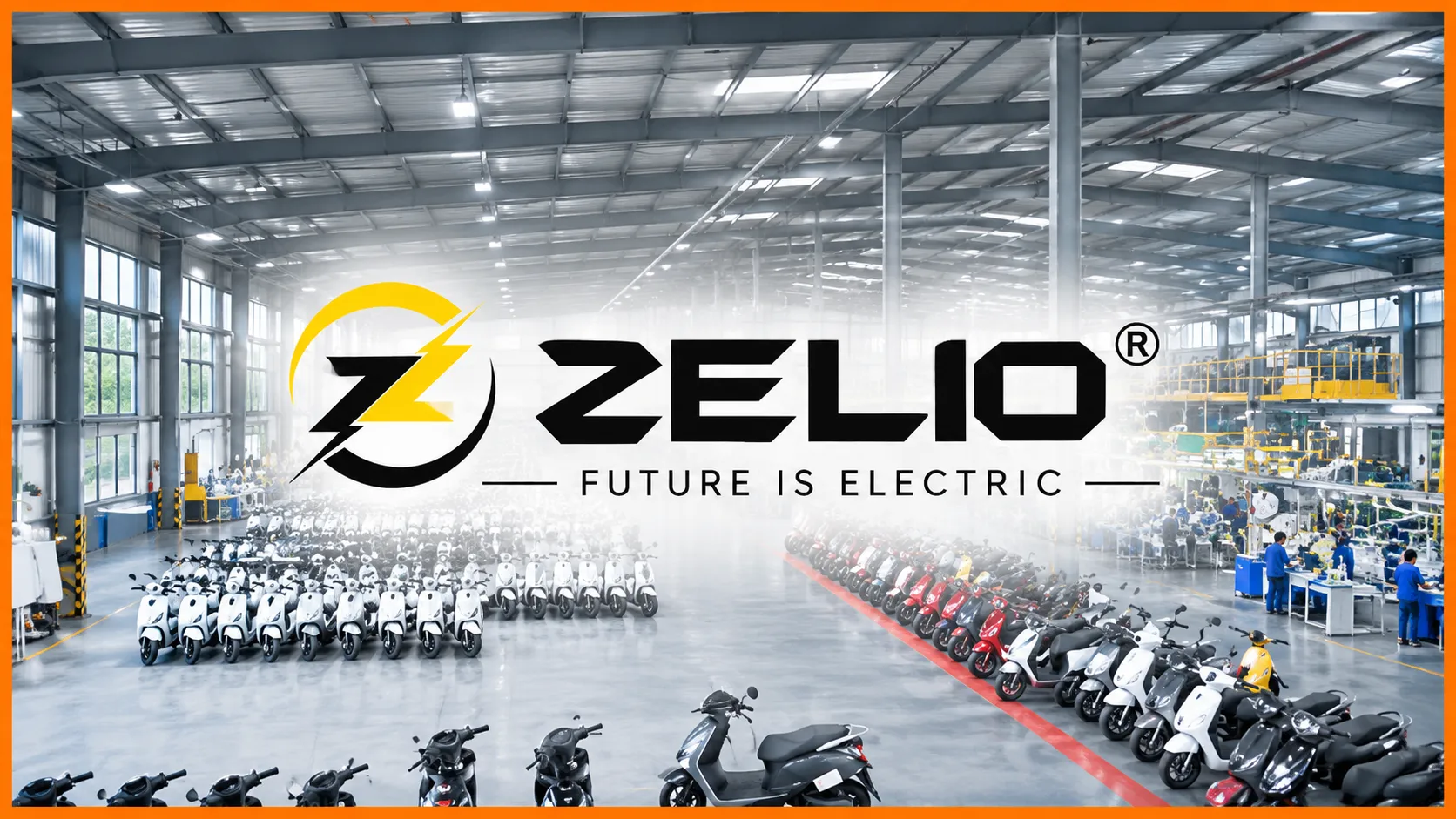
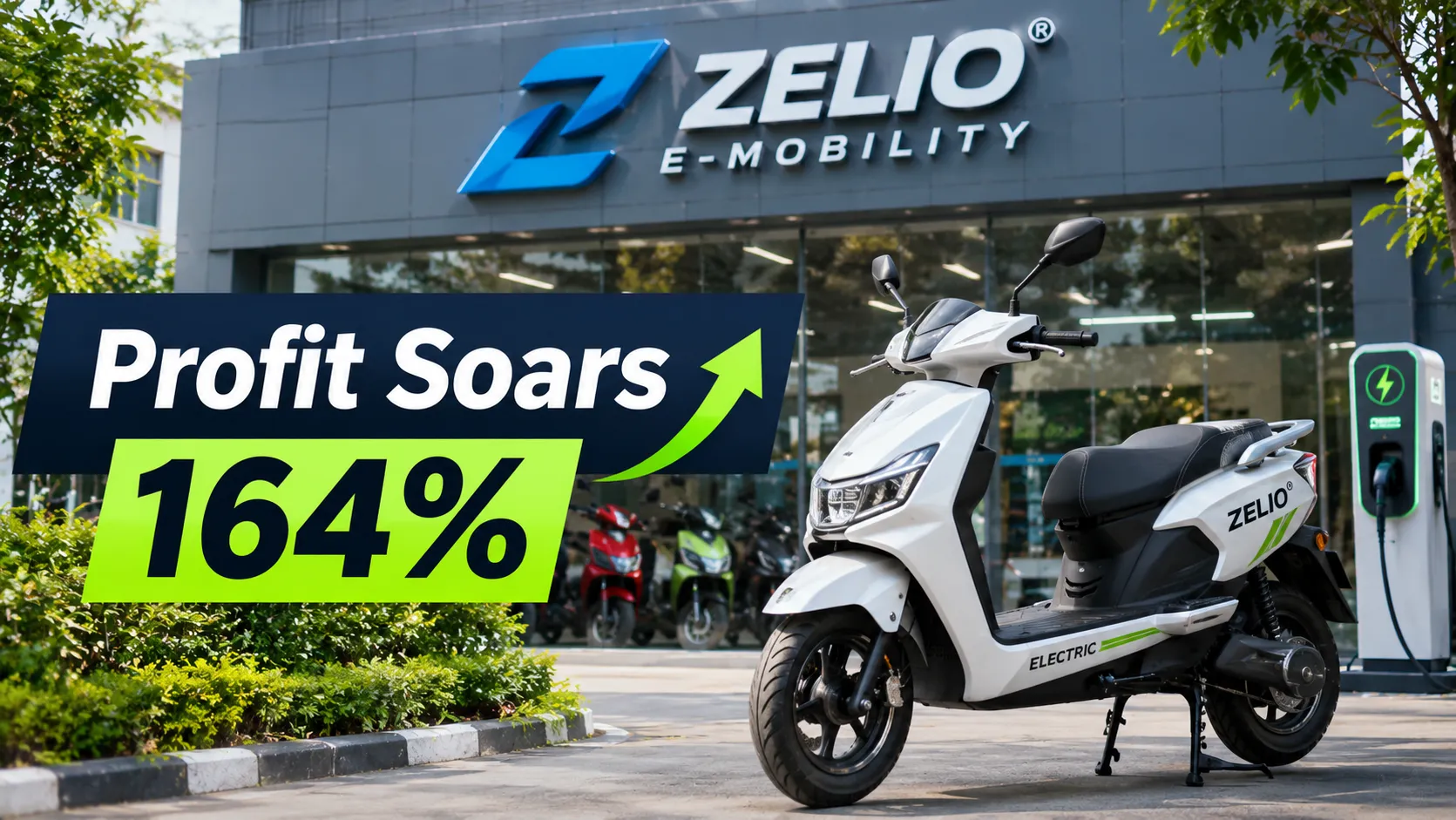
BSE SME-listed electric two-wheeler maker Zelio E-Mobility reported a 164% jump in consolidated net profit to ₹31.4 crore for the six months to September 2026, Inc42 reported on November 14, as operating revenue rose 120% to ₹296.7 crore. Total expenses more than doubled to ₹261.5 crore as the company scaled up production.

By Prathista Lazar · Author14 November 2026New
Zelio E-Mobility's H1 Profit Jumps 2.6 Times to ₹31 Crore as Revenue More Than Doubles, Riding Demand for Low-Speed Electric Scooters

While India's largest electric scooter makers dominate the headlines, a smaller company focused on affordable, low-speed electric two-wheelers is quietly delivering rapid growth.

Zelio E-Mobility, an electric vehicle maker listed on the BSE SME platform, reported a consolidated net profit of ₹31.4 crore for the first half of the 2026-27 financial year, the six months ended September 2026, up 164.3% from ₹11.9 crore a year earlier, according to Inc42, which reported the results on Saturday, November 14. That is roughly 2.6 times the year-earlier figure.

Net profit was also up 90.1% from ₹16.5 crore in the second half of the 2025-26 financial year.

Revenue more than doubles

Operating revenue rose 120% to ₹296.7 crore from ₹134.8 crore, according to Inc42. Other income was ₹3.1 crore, bringing total revenue to ₹299.8 crore.

Total expenses more than doubled to ₹261.5 crore from ₹121.4 crore, as the company scaled up production and sales. Tax expenses were ₹6.9 crore, including ₹6.6 crore of current tax and ₹23.2 lakh of deferred tax.

The fact that profit grew faster than revenue suggests the company is benefiting from economies of scale, with fixed costs spread over a larger volume of sales.

Who is Zelio?

Zelio E-Mobility is based in Hisar, Haryana, and makes electric scooters, including low-speed models that do not require a driving licence or registration under Indian rules. Low-speed electric scooters, with top speeds of up to 25 km per hour, are popular among students, older riders and people making short trips in towns and cities.

The company listed on the BSE SME platform, a stock exchange segment for small and medium-sized enterprises with simpler listing requirements than the main board. SME listings have become increasingly popular in India as a way for smaller companies to raise capital.

The affordable EV segment

India's electric two-wheeler market is dominated by companies such as TVS Motor, Bajaj Auto, Ather Energy, Ola Electric and Hero MotoCorp, which focus largely on high-speed scooters. But a significant segment of the market is made up of smaller, cheaper vehicles sold by regional manufacturers, often in smaller towns and rural areas.

Low-speed electric scooters are particularly attractive because they are cheaper to buy and do not require licences or registration, making them accessible to a wider range of users. They are well suited to short trips, such as commuting within a town, running errands or travelling to school or college.

Running costs advantage

Electric scooters cost much less to run than petrol scooters. With petrol prices high, the savings on fuel can be significant for daily users. Maintenance costs are also lower, since electric motors have fewer moving parts than combustion engines.

Higher oil prices this year, linked to conflict in the Middle East, may have made electric scooters even more attractive to cost-conscious buyers.

Environmental benefits

Electric two-wheelers produce no tailpipe emissions, improving air quality in towns and cities. Two-wheelers are the most common form of private transport in India, so electrifying them is crucial for reducing air pollution and greenhouse gas emissions from transport.

As India adds more renewable energy to its electricity grid, the climate benefits of electric vehicles will increase.

Regulatory scrutiny of low-speed EVs

Low-speed electric scooters have faced scrutiny over safety and compliance. Some manufacturers have been accused of selling vehicles that exceed the speed or power limits for exemption from registration, and authorities have taken action against non-compliant products. Battery safety is another concern, following incidents of electric scooter fires in recent years.

“India's EV transition is not only being built in Bengaluru. It is also being built in towns like Hisar.”
— TIGI Sustainability Desk

Companies in this segment will need to ensure compliance with safety standards and regulations to maintain consumer trust and avoid regulatory action.

e4d1a788-1386-4ebb-8182-28d39831771d.png

Policy support

The government has supported electric vehicle adoption through the PM E-DRIVE scheme, which offers incentives for electric two-wheelers, three-wheelers, buses and charging infrastructure, and through production-linked incentives for manufacturers. Low-speed vehicles are generally not eligible for purchase subsidies, which are aimed at higher-performance vehicles that meet specific standards.

The SME listing boom

Zelio's growth highlights the opportunities in India's SME segment. Many small companies have listed on SME platforms in recent years, raising capital for expansion. However, regulators have warned about risks in the SME segment, including speculative trading and governance concerns, and have tightened rules for SME listings.

The economics of low-speed scooters

Low-speed electric scooters, which have top speeds below a regulatory threshold, do not require registration or a driving licence in India, making them attractive to students, older riders and people making short trips in towns and smaller cities. They are typically cheaper than high-speed models and can be charged at home, reducing running costs compared with petrol scooters.

However, the segment has faced criticism over safety and over some manufacturers selling vehicles that exceed the permitted speed limits after modification. Regulators have tightened scrutiny, and compliance will be important for companies seeking long-term growth.

Beyond the big cities

Much of the demand for affordable electric scooters comes from smaller towns and rural areas, where distances are short and buyers are highly sensitive to price. Dealers in these markets often play a key role in educating customers about electric vehicles and providing after-sales service, which remains a challenge for many EV makers.

Companies that can build strong dealer networks and reliable service in these regions may have an advantage as electric adoption spreads beyond metropolitan areas.

Investor appetite for SME listings

Strong results from companies listed on SME platforms have helped sustain investor interest in the segment, but regulators have warned about the risks of speculative trading in small, thinly traded stocks. Investors are advised to study company disclosures carefully before investing.

Zelio's results also show how smaller EV makers are carving out niches that larger manufacturers have been slower to target. While established two-wheeler companies and well-funded startups compete fiercely in the high-speed electric scooter segment, companies focused on affordable, low-speed models have found demand among buyers for whom price and convenience matter more than performance. Sustaining that growth will depend on product quality, regulatory compliance and the ability to expand distribution.

What comes next

Investors will watch whether Zelio can sustain its growth, expand its distribution network and maintain profitability. The company may also consider migrating to the main board of the stock exchange as it grows. Its performance offers evidence that India's EV transition is broadening beyond large manufacturers to smaller players serving diverse markets.

TagsZelio E-Mobilityelectric scooterselectric two-wheelerslow-speed EVsEVBSE SMEH1 FY27 resultsHisarHaryanaclean mobilityPM E-DRIVEbatterylithium-ionsmall townsOla ElectricAther EnergyTVS iQubeBajaj Chetaksustainabilityinvestors

Reader reviews

Sign in to rate and review this article.
Loading reviews…

