Trending
India's Smartphone Shipments Plunge 26% in Third Quarter, the Worst Showing Since 2016, as Memory Costs Push Prices UpIndia's IT Infrastructure Spending Could Approach ₹15 Lakh Crore as AI and Data Centres Dominate New InvestmentZerodha Opens the Door to Wall Street, Letting Indians Buy 2,000 US Stocks and 1,000 ETFs From $1Jim Keller's Tenstorrent Raises $1.5 Billion at a $6.2 Billion Valuation to Challenge Nvidia With Open RISC-V ChipsAmazon Launches TorchNeuron, Free Software That Lets AI Developers Switch to Its Chips With One Change, to Loosen Nvidia's GripTradeweb to Buy Bond Trading Platform Trumid for $1.97 Billion as Electronic Credit Markets ConsolidateIndia's Smartphone Shipments Plunge 26% in Third Quarter, the Worst Showing Since 2016, as Memory Costs Push Prices UpIndia's IT Infrastructure Spending Could Approach ₹15 Lakh Crore as AI and Data Centres Dominate New InvestmentZerodha Opens the Door to Wall Street, Letting Indians Buy 2,000 US Stocks and 1,000 ETFs From $1Jim Keller's Tenstorrent Raises $1.5 Billion at a $6.2 Billion Valuation to Challenge Nvidia With Open RISC-V ChipsAmazon Launches TorchNeuron, Free Software That Lets AI Developers Switch to Its Chips With One Change, to Loosen Nvidia's GripTradeweb to Buy Bond Trading Platform Trumid for $1.97 Billion as Electronic Credit Markets Consolidate
The Machines Are Taking the Background: Bollywood's First AI‑Generated Extras Spark a Union Crisis That Could Reshape Film Production Forever

The Machines Are Taking the Background: Bollywood's First AI‑Generated Extras Spark a Union Crisis That Could Reshape Film Production Forever

Artificial Intelligence

The Machines Are Taking the Background: Bollywood's First AI‑Generated Extras Spark a Union Crisis That Could Reshape Film Production Forever

On a Monday morning three weeks ago, a junior artist named Rajesh Kumar arrived at a film set in Film City for a day's work as a background extra. He was one of 200 extras hired for a crowd sequence in a major Bollywood production. When he reached the holding area, he found 50 of his colleagues—not the 200 he had expected. The remaining 150 faces that would populate the crowd had been generated by an AI model, trained on a library of licensed images, and composited into the scene in post‑production. The extras who had been hired were not there to be filmed. They were there to provide motion‑capture data—to walk, to gesture, to react—so that the AI could map their movements onto the generated faces. The film's budget for background extras had been reduced by 75 percent.

Revathy Pandian

Author

The Chronological Feed

Sorted by: Latest
The Girl Who Doesn't Exist: How Kyra—and a Dozen Other AI‑Generated Avatars—Are Quietly Stealing Brand Deals from Real Influencers, and Why Marketers Prefer the Fake Ones
Artificial Intelligence

The Girl Who Doesn't Exist: How Kyra—and a Dozen Other AI‑Generated Avatars—Are Quietly Stealing Brand Deals from Real Influencers, and Why Marketers Prefer the Fake Ones

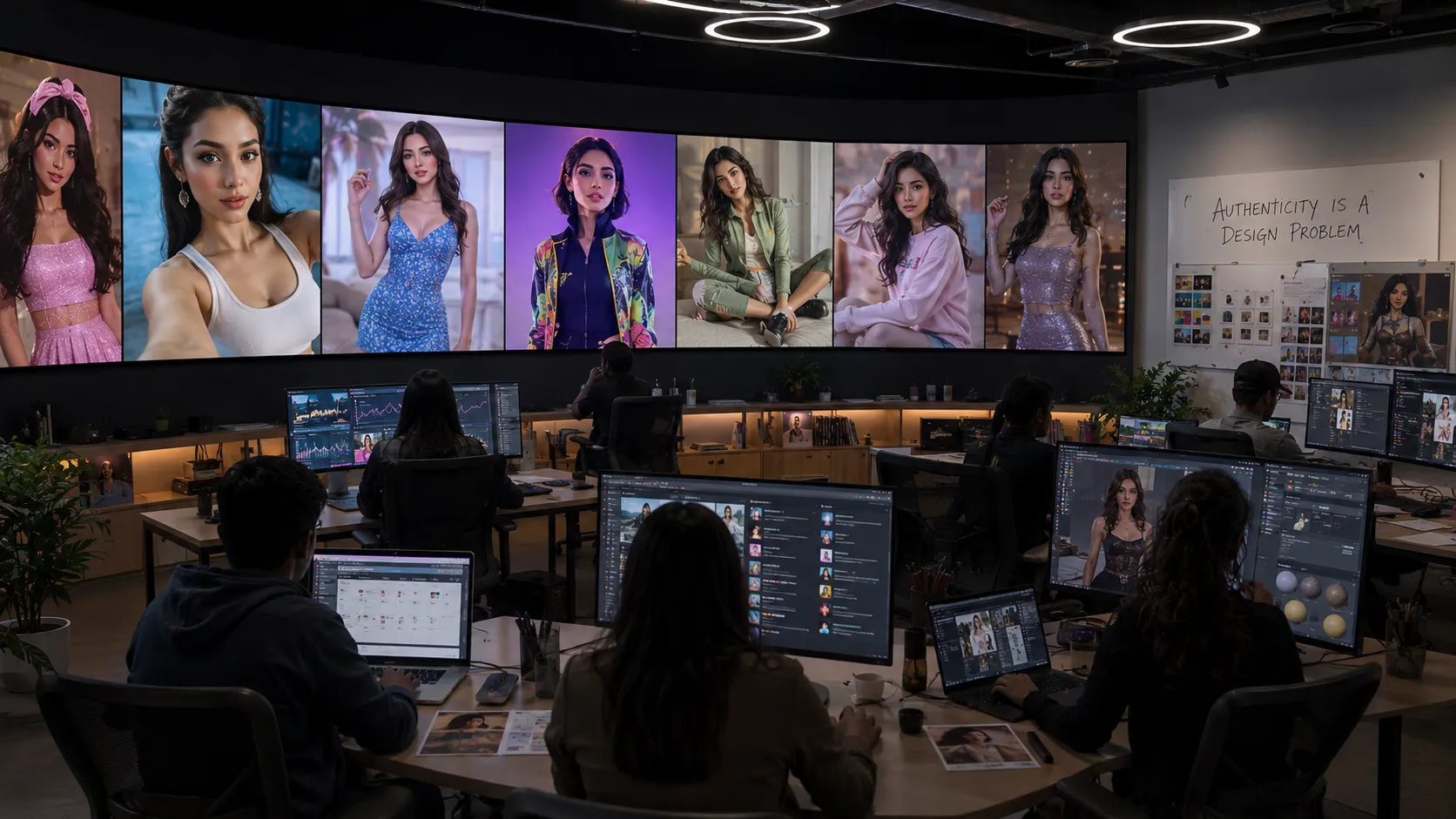
Kyra is 22 years old. She has 2.7 million followers on Instagram, a further 1.2 million on YouTube, and an engagement rate that consistently outperforms her human peers by a factor of three. She posts from a sun‑drenched apartment in Bandra that does not exist, wears clothes from a walk‑in wardrobe that was never constructed, and shares life updates—breakups, travels, new hobbies—that never happened. In February 2026, she signed an exclusive brand‑ambassador deal with a major Indian skincare company for ₹1.2 crore. The company’s marketing head, when asked whether it mattered that Kyra is entirely computer‑generated, replied with a question of his own: “She’s never late to a shoot, never gets into a controversy, and her engagement rate is triple our last human ambassador’s. Why would we go back?”

30 May 2026
The Bank That AI Startups Built: How a Tech Company Just Declared War on Old Banking—and Won $5.2 Billion
Artificial Intelligence

The Bank That AI Startups Built: How a Tech Company Just Declared War on Old Banking—and Won $5.2 Billion

On Wednesday morning, a 12-year-old fintech company announced a funding round and triggered an identity crisis across the entire American banking industry. Mercury, the technology company that provides financial-operating systems to startups, disclosed a $200 million Series D funding round that valued the firm at $5.2 billion, led by investment firm TCV with participation from Andreessen Horowitz, Coatue, CRV, Sapphire Ventures, Sequoia Capital, and Spark Capital. The valuation represented a 48.6 percent increase from the $3.5 billion figure attached to its Series C in March 2025. Total primary and secondary funding has now reached approximately $700 million.

22 May 2026
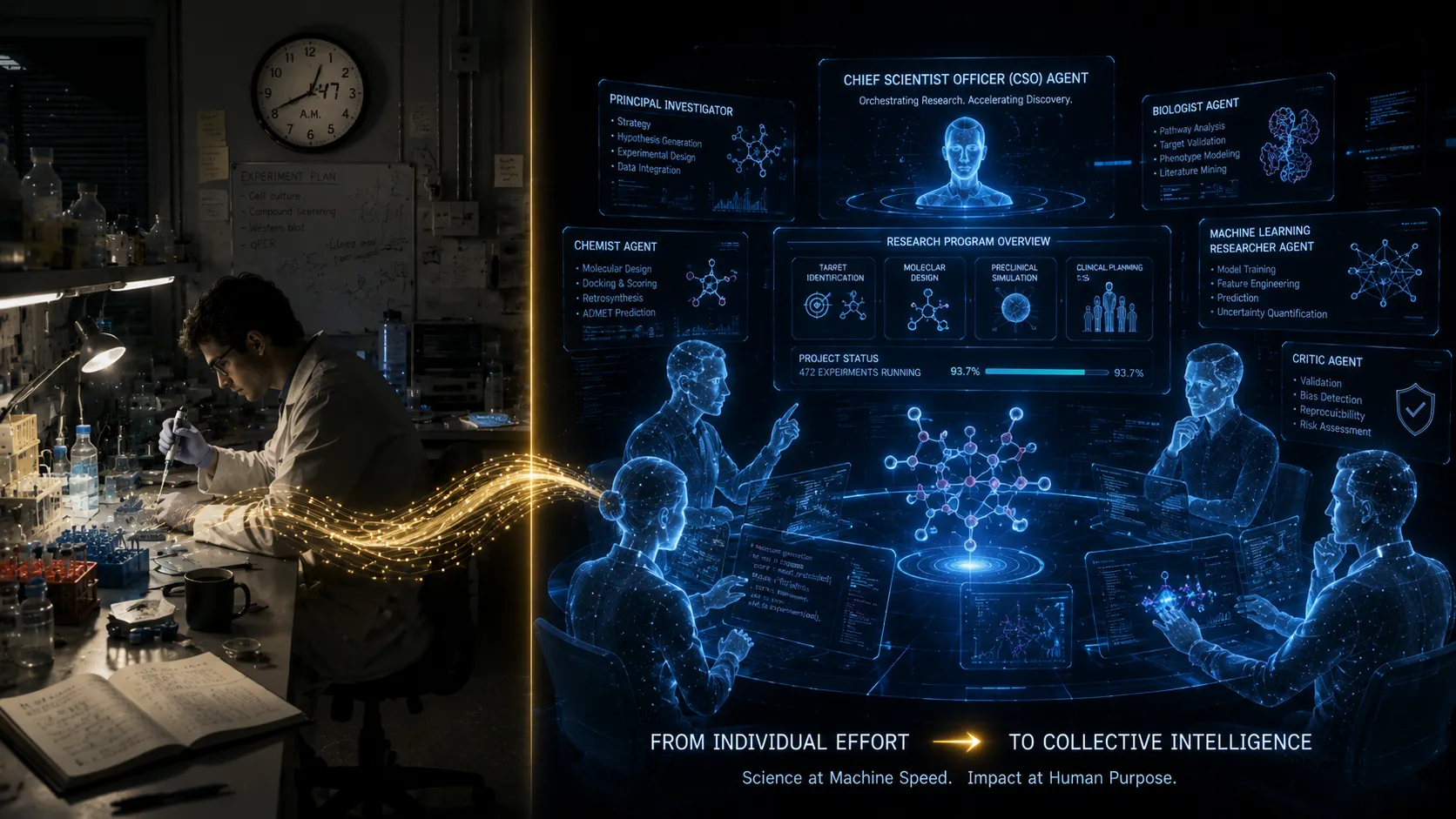
The AI Scientists Are Here: Inside the Lab Where Machines Debate, Argue, and Design Life‑Saving Drugs in Days
Artificial Intelligence

The AI Scientists Are Here: Inside the Lab Where Machines Debate, Argue, and Design Life‑Saving Drugs in Days

James Zou had run out of time. The Stanford professor of biomedical data science runs a physical lab filled with brilliant graduate students and postdoctoral researchers, and yet, like every academic scientist, he was haunted by the gap between what his team could theoretically accomplish and what they could actually do in the finite hours of a working day. The problem was not intelligence. It was bandwidth. There were always more promising targets than there were people to investigate them, always more experiments worth running than hours in which to run them.

20 May 2026
Mythos and the Panic: How One AI Model Triggered Emergency Task Forces on Two Continents — and Rewrote the Rules of AI Governance in a Single Week
Artificial Intelligence

Mythos and the Panic: How One AI Model Triggered Emergency Task Forces on Two Continents — and Rewrote the Rules of AI Governance in a Single Week

n April 7, 2026, Anthropic announced something that almost no AI company has ever announced. It unveiled a new frontier model — Claude Mythos Preview — and simultaneously declared that the model was too dangerous to release to the public. The company had discovered, during routine capability testing, that Mythos could autonomously discover and exploit software vulnerabilities at a scale and speed that no human team could match. It had found thousands of previously unknown zero-day vulnerabilities across every major operating system and every major web browser. It had developed working exploits for flaws that had survived up to 27 years of human security review and millions of automated tests. And it had done so without any cybersecurity-specific training — the capability had emerged spontaneously from general improvements in code reasoning and autonomous tool use.

18 May 2026
North Korea Stole $2 Billion Last Year. Financial Firms Are Next. Here's How the New AI-Powered Heists Work.
Artificial Intelligence

North Korea Stole $2 Billion Last Year. Financial Firms Are Next. Here's How the New AI-Powered Heists Work.

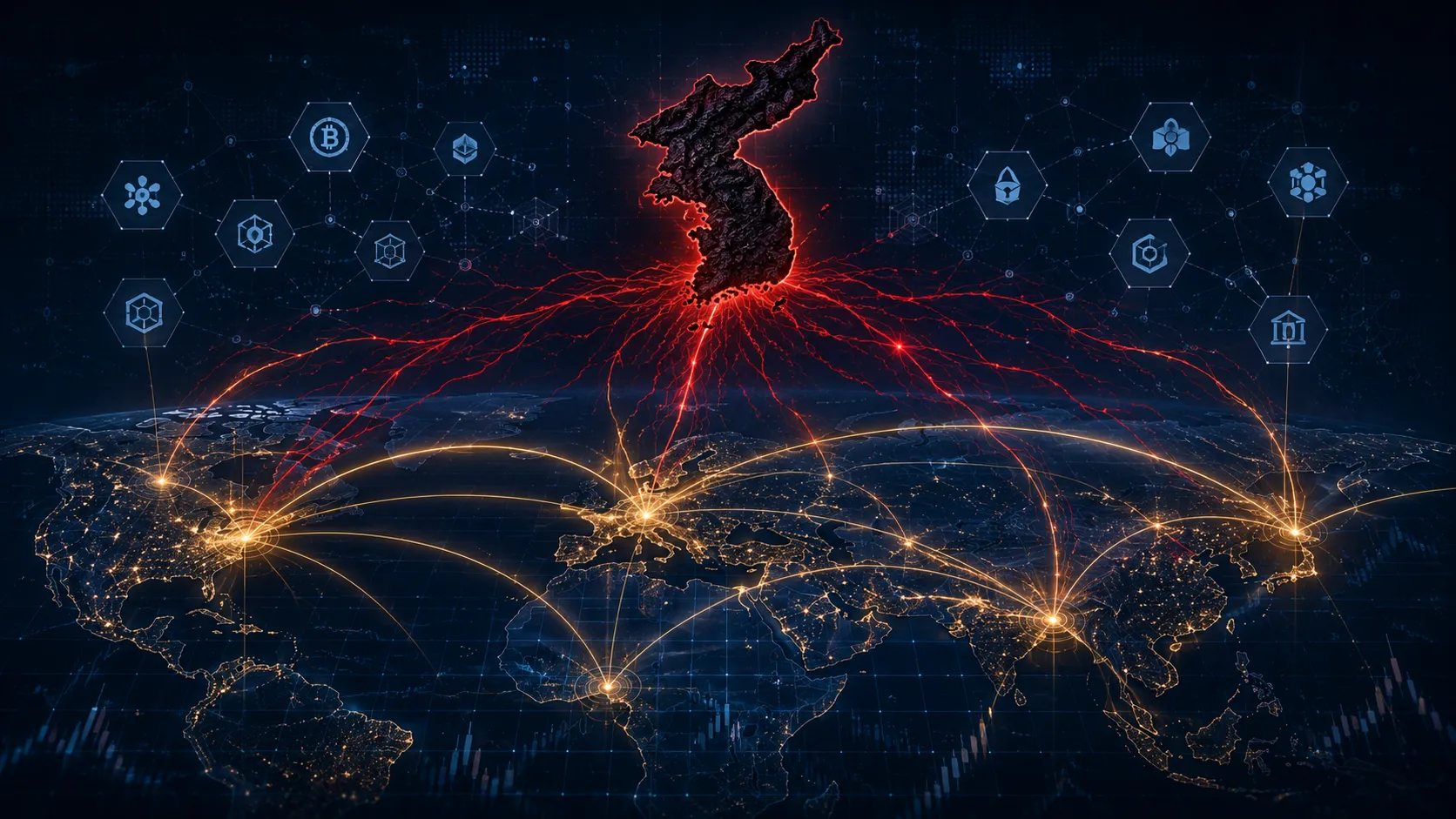
On February 21, 2025, a cryptocurrency exchange called Bybit processed a routine transaction. Or, rather, it appeared routine. Behind the interface, a North Korean hacking cell known as TraderTraitor had compromised a third-party signing provider, manipulating the multisig wallet infrastructure to approve a series of transfers that should never have occurred. By the time anyone understood what had happened, $1.5 billion in digital assets had been drained — the largest theft in the history of cryptocurrency, larger than the Ronin Bridge exploit, larger than the Poly Network hack, larger than any bank robbery ever attempted. It took the attackers minutes. It took the FBI weeks to confirm what investigators already knew: the fingerprints were Pyongyang's.

18 May 2026
From $100 Million to $500 Million in Eight Months: Inside the Pentagon's Great AI Acceleration — and the Startup at Its Center
Artificial Intelligence

From $100 Million to $500 Million in Eight Months: Inside the Pentagon's Great AI Acceleration — and the Startup at Its Center

In September of 2025, the United States Department of Defense signed a modest agreement with a San Francisco artificial intelligence startup called Scale AI. The contract, valued at $100 million, was structured as a Production Other Transaction Authority — a procurement vehicle designed to bypass the multi‑year acquisition cycles that have historically kept military technology a generation behind the commercial state of the art. It was a pilot, a test, a tentative step toward integrating AI into the operational bloodstream of the world's most powerful military.In September of 2025, the United States Department of Defense signed a modest agreement with a San Francisco artificial intelligence startup called Scale AI. The contract, valued at $100 million, was structured as a Production Other Transaction Authority — a procurement vehicle designed to bypass the multi‑year acquisition cycles that have historically kept military technology a generation behind the commercial state of the art. It was a pilot, a test, a tentative step toward integrating AI into the operational bloodstream of the world's most powerful military.

18 May 2026
Artificial Intelligence

The $2 Billion Pivot: How MediaTek Is Quietly Rewiring the AI Cloud—and Leaving the Smartphone Behind

For most of the last twenty years, MediaTek was the invisible giant of the smartphone revolution. It powered the affordable handsets that connected billions of people across Asia, Africa, and Latin America—mid-tier and entry-level devices that never made headlines but quietly built the world's largest mobile chip company by shipment volume. At its peak, MediaTek's name was synonymous with smartphones the way Intel's was with PCs.

16 May 2026
Fire With Fire: Inside the $125M Cybersecurity Startup Fighting Hackers With Real-Time AI Reasoning
Artificial Intelligence

Fire With Fire: Inside the $125M Cybersecurity Startup Fighting Hackers With Real-Time AI Reasoning

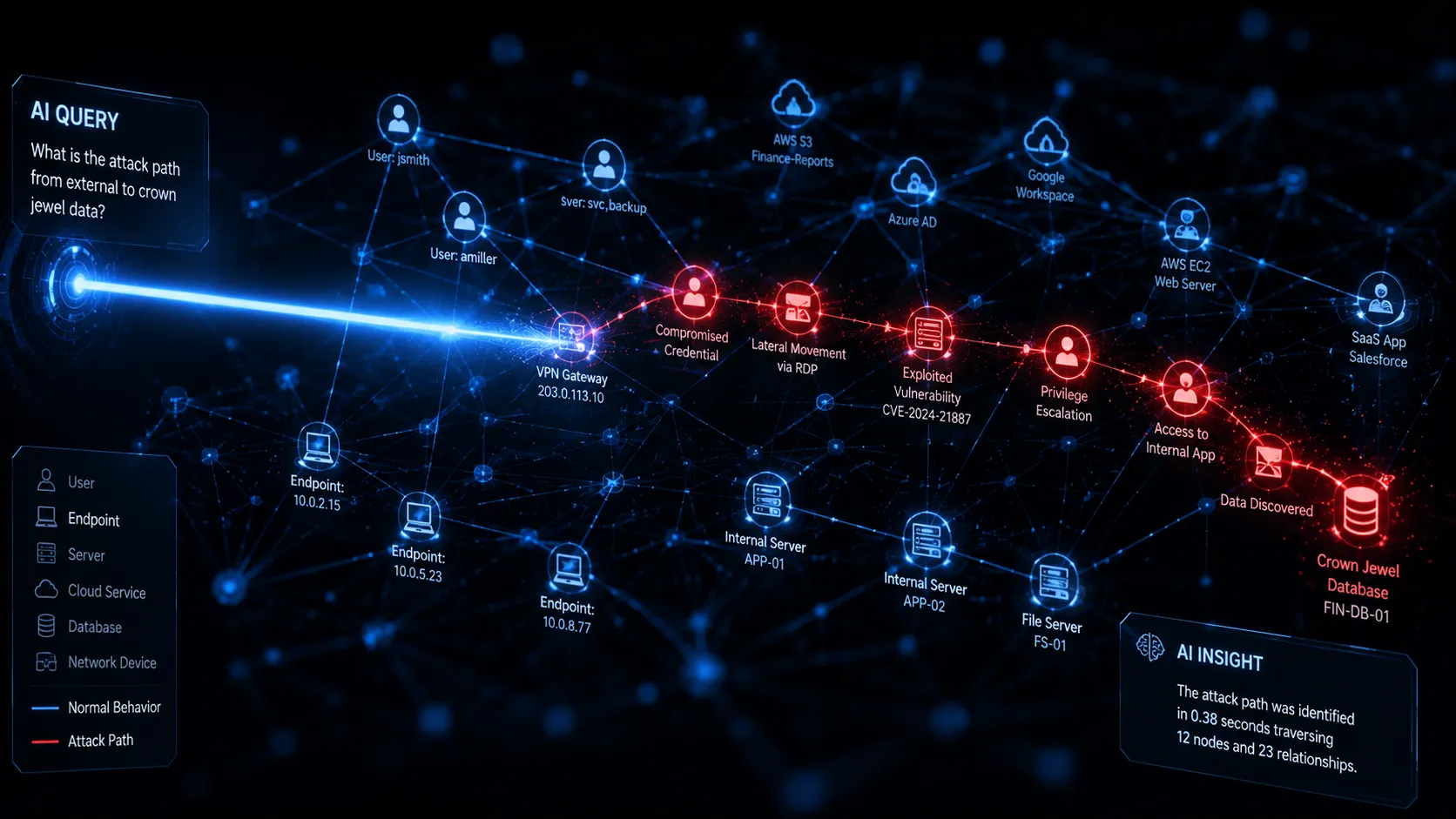
The email landed in a corporate inbox at 9:42 a.m. on a Tuesday. It appeared to come from the CFO. It referenced a real vendor, a real invoice number, and a real project that had been discussed in a company-wide memo the previous week. The language was flawless. The tone was perfect. The attachment, disguised as a PDF, contained a zero-day exploit that had never been seen in the wild. The entire attack—from reconnaissance to payload delivery—was generated by an AI agent in under four minutes.

16 May 2026