Trending
India's Smartphone Shipments Plunge 26% in Third Quarter, the Worst Showing Since 2016, as Memory Costs Push Prices UpIndia's IT Infrastructure Spending Could Approach ₹15 Lakh Crore as AI and Data Centres Dominate New InvestmentZerodha Opens the Door to Wall Street, Letting Indians Buy 2,000 US Stocks and 1,000 ETFs From $1Jim Keller's Tenstorrent Raises $1.5 Billion at a $6.2 Billion Valuation to Challenge Nvidia With Open RISC-V ChipsAmazon Launches TorchNeuron, Free Software That Lets AI Developers Switch to Its Chips With One Change, to Loosen Nvidia's GripTradeweb to Buy Bond Trading Platform Trumid for $1.97 Billion as Electronic Credit Markets ConsolidateIndia's Smartphone Shipments Plunge 26% in Third Quarter, the Worst Showing Since 2016, as Memory Costs Push Prices UpIndia's IT Infrastructure Spending Could Approach ₹15 Lakh Crore as AI and Data Centres Dominate New InvestmentZerodha Opens the Door to Wall Street, Letting Indians Buy 2,000 US Stocks and 1,000 ETFs From $1Jim Keller's Tenstorrent Raises $1.5 Billion at a $6.2 Billion Valuation to Challenge Nvidia With Open RISC-V ChipsAmazon Launches TorchNeuron, Free Software That Lets AI Developers Switch to Its Chips With One Change, to Loosen Nvidia's GripTradeweb to Buy Bond Trading Platform Trumid for $1.97 Billion as Electronic Credit Markets Consolidate
Explaining The 15-Minute Saree: Quick Commerce's Unlikely Fashion Hero
NEW

Explaining The 15-Minute Saree: Quick Commerce's Unlikely Fashion Hero

Future Tech

Explaining The 15-Minute Saree: Quick Commerce's Unlikely Fashion Hero

On a Friday evening in Delhi, a groom's sister scrambled for a last-minute wedding saree—her order arrived in 14 minutes. That impulsive tap now fuels India's fastest-growing fashion segment. With 8-10% of all quick-commerce orders now being apparel, TIGI chronicles how sarees, kurtis, and blouses became the unexpected heroes of India's instant delivery obsession.

Revathy Pandian

Author

The Chronological Feed

Sorted by: Latest
Future Tech

From Hyderabad to Orbit: How Skyroot Became India's First Spacetech Unicorn — And Why $44 Billion Is Just Liftoff

Excerpt: In May 2026, Hyderabad‑based Skyroot Aerospace crossed the billion‑dollar mark after locking in $60 million in fresh funding led by Sherpalo Ventures and GIC. The startup, preparing for the maiden launch of its Vikram‑1 orbital rocket, became India's first space‑tech unicorn — but it will not be the last. With India's space economy estimated at $8.4 billion and projected to grow to $44 billion by 2033, a new space race is underway.

05 Jun 2026
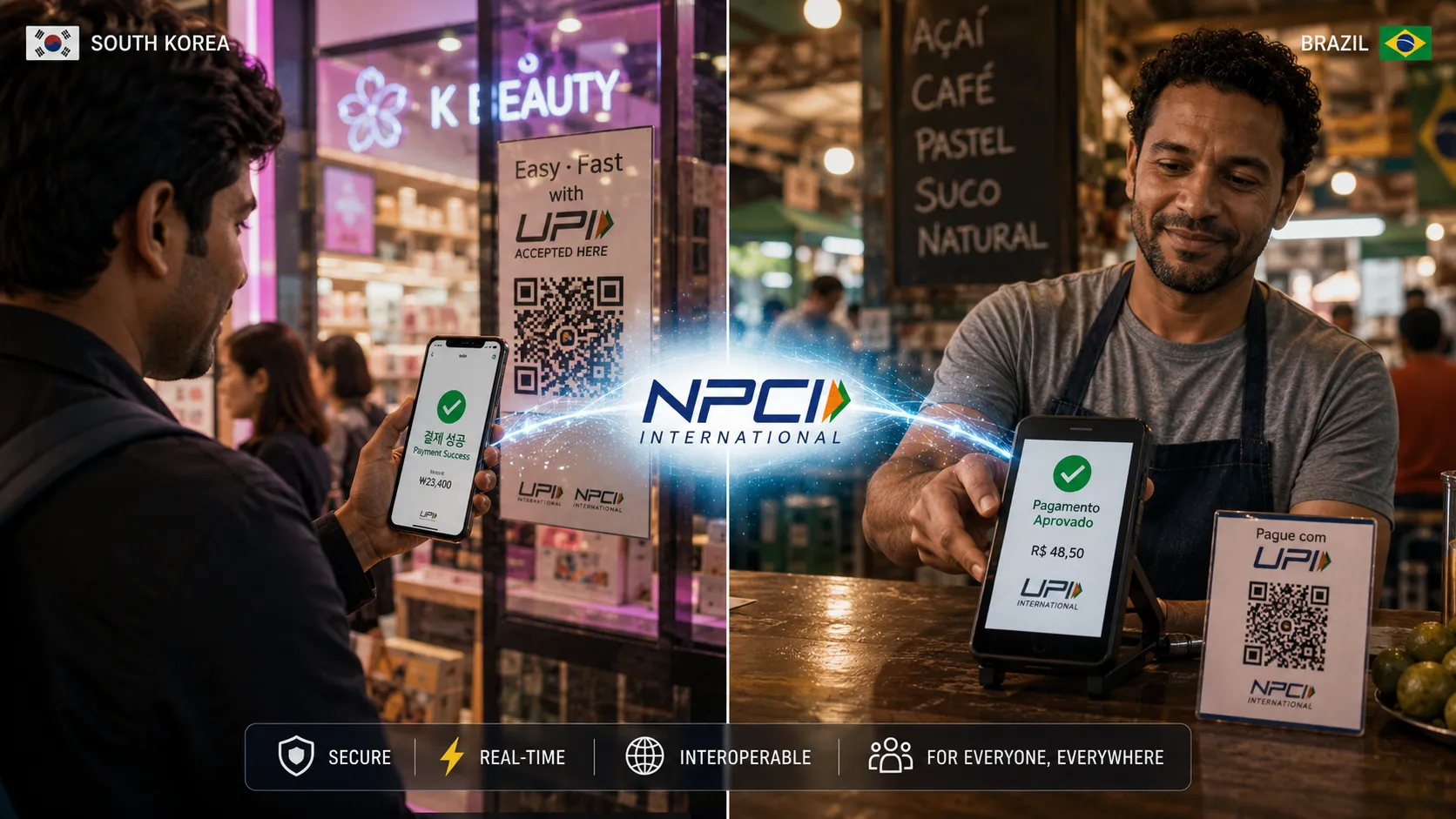
The UPI Express: How India’s Payment Rail Became Faster Than Visa (And What America Can Learn)
Future Tech

The UPI Express: How India’s Payment Rail Became Faster Than Visa (And What America Can Learn)

This month in Paris, a tourist from Mumbai paid for a croissant by scanning a QR code with their phone—no chip, no signature, no foreign transaction fee. Meanwhile, across the Atlantic, many Americans are still waiting for 3-5 business days for a check to clear. India’s UPI isn’t just a faster way to pay; it’s a public infrastructure revolution that has overtaken Visa in daily transactions. Here’s what the world can learn from the world’s most successful payment rail.

03 Jun 2026
The Agritech Unicorn Harvest: Four Indian Startups Just Crossed the Billion‑Dollar Mark—And Technology Is Finally Reaching the Farm
Future Tech

The Agritech Unicorn Harvest: Four Indian Startups Just Crossed the Billion‑Dollar Mark—And Technology Is Finally Reaching the Farm

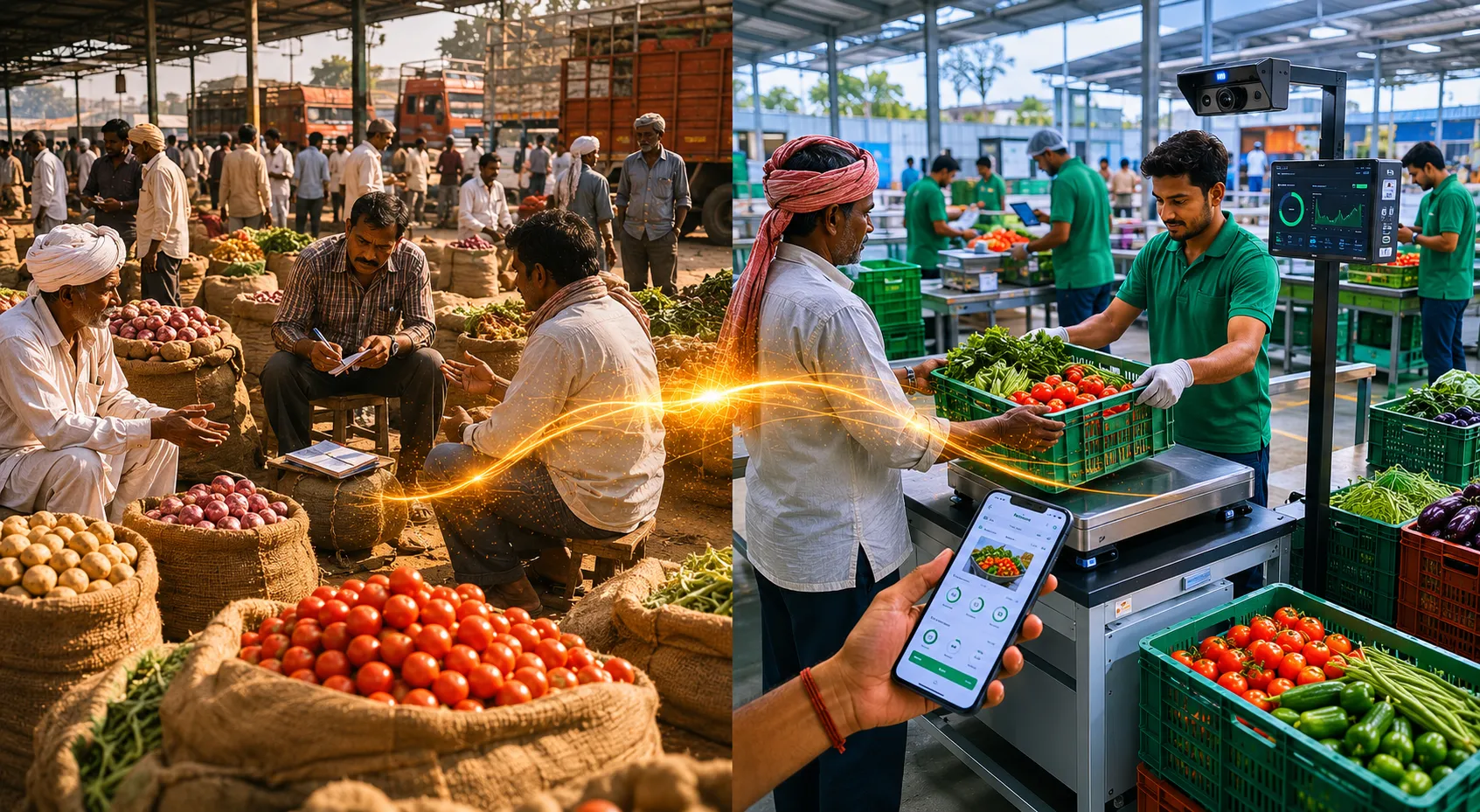
For decades, the Indian agricultural economy has been defined by a single, stubborn paradox. It employs more than 40 percent of the country's workforce, sustains the livelihoods of approximately 150 million households, and generates a gross value added of over ₹50 lakh crore annually. And yet, the technology that has transformed every other sector of the Indian economy—the digital platforms, the data analytics, the supply‑chain automation—has barely touched the farm. The farmer who buys inputs at the local mandi, who depends on the monsoon, who sells his harvest to a middleman at a price he cannot control, is participating in an economy that has remained largely unchanged for a century. The venture capitalists who poured billions into food‑delivery apps and quick‑commerce platforms showed almost no interest in the agricultural supply chain that fed those platforms. The agritech sector was treated as a niche—too small, too difficult, too dependent on the monsoon and the Minimum Support Price to be worth the attention of serious investors.

30 May 2026
The 30,000‑Drone Army: After Years of Regulatory Paralysis, Delivery Drones Are Finally Taking Over Indian Skies—And the Logistics Industry Will Never Be the Same
Future Tech

The 30,000‑Drone Army: After Years of Regulatory Paralysis, Delivery Drones Are Finally Taking Over Indian Skies—And the Logistics Industry Will Never Be the Same

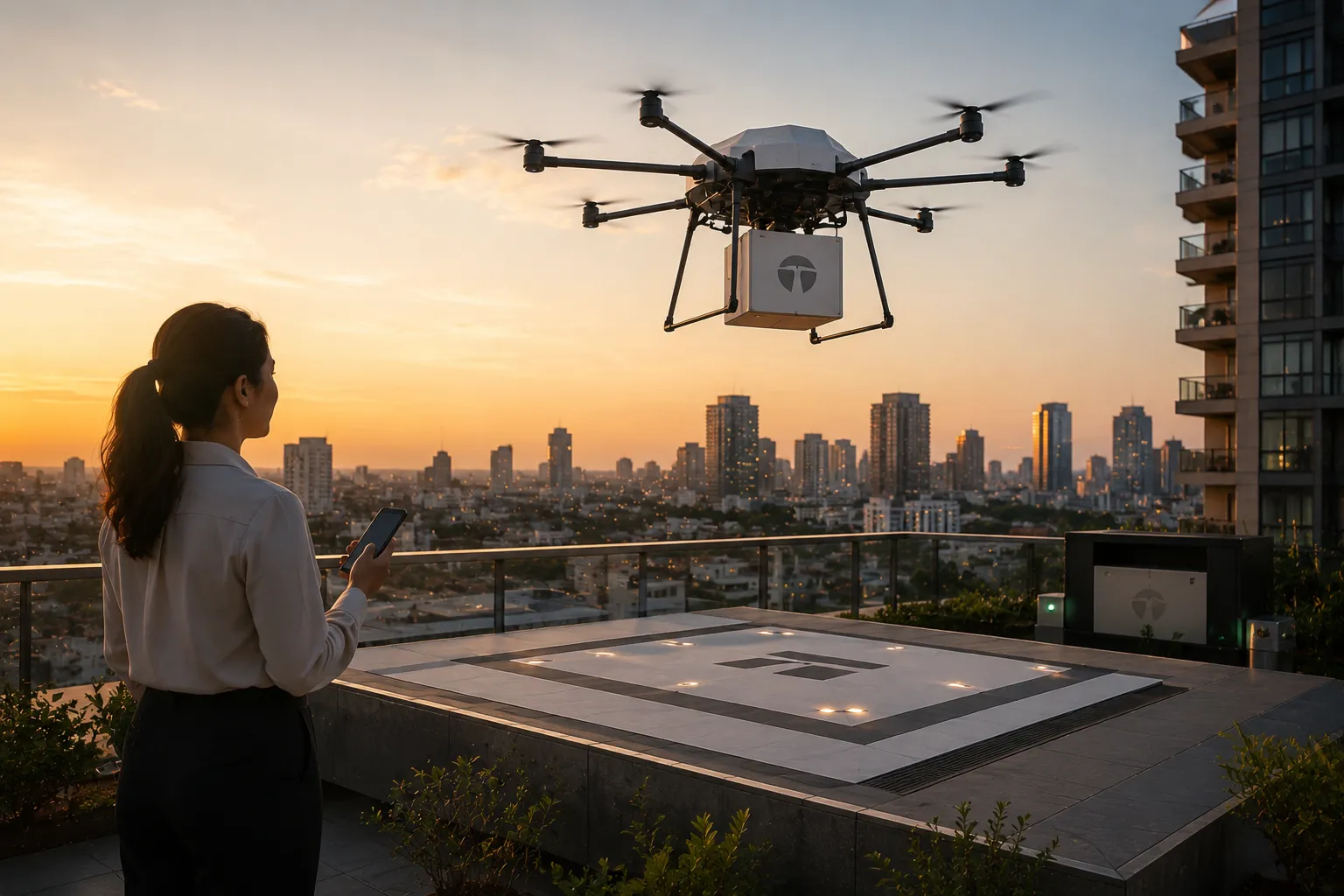
In the summer of 2022, a hexacopter carrying a small package of medicines lifted off from a government hospital in the Vikarabad district of Telangana and flew approximately 15 kilometres to a primary health centre in a remote village that was inaccessible by road during the monsoon. The flight, conducted under a special exemption from the Directorate General of Civil Aviation, was a proof‑of‑concept: a demonstration that an unmanned aerial vehicle could deliver essential medical supplies to a population that was cut off from the conventional logistics network. The drone was operated by a Bengaluru‑based startup called Skye Air Mobility. The flight took 18 minutes. The same delivery by road would have taken four hours. The proof of concept was, by any measure, a success. And then, for three years, nothing happened. The regulatory framework that would allow such flights to scale did not exist. The startups that had developed the technology waited, their drones grounded, their investors impatient, their potential customers—the hospitals, the e‑commerce platforms, the food‑delivery companies—frustrated by the gap between what was technically possible and what was legally permissible.

30 May 2026
The ₹300 Crore Bonfire: How a Once‑Promising Bollywood Mini‑Studio Burned Through a Fortune in 18 Months—And What Its Collapse Reveals About the Industry's Broken Economics
Future Tech

The ₹300 Crore Bonfire: How a Once‑Promising Bollywood Mini‑Studio Burned Through a Fortune in 18 Months—And What Its Collapse Reveals About the Industry's Broken Economics

The studio had been founded by a successful talent manager who had spent two decades building relationships with the biggest stars in Bollywood, and who had convinced a consortium of high‑net‑worth investors—industrialists, real‑estate developers, a Gulf‑based family office—to back his vision of a new kind of film company: lean, talent‑first, data‑driven, built for the streaming era. The initial capital commitment was ₹300 crore. The slate, announced at a glamorous launch event at a five‑star hotel, included six films—a mix of star‑driven event movies, mid‑budget content‑driven dramas, and a web series for a major streaming platform. The talent manager, now the studio's CEO, told the assembled journalists that his company would be profitable within two years and would challenge the dominance of the legacy studios that had, in his view, grown complacent and inefficient.

30 May 2026
The Pan‑Indian Dubbing Economy: How a ₹3 Crore Malayalam Film Earned ₹120 Crore in Hindi—And Why Every Studio Is Now Building a Dubbing Division
Future Tech

The Pan‑Indian Dubbing Economy: How a ₹3 Crore Malayalam Film Earned ₹120 Crore in Hindi—And Why Every Studio Is Now Building a Dubbing Division

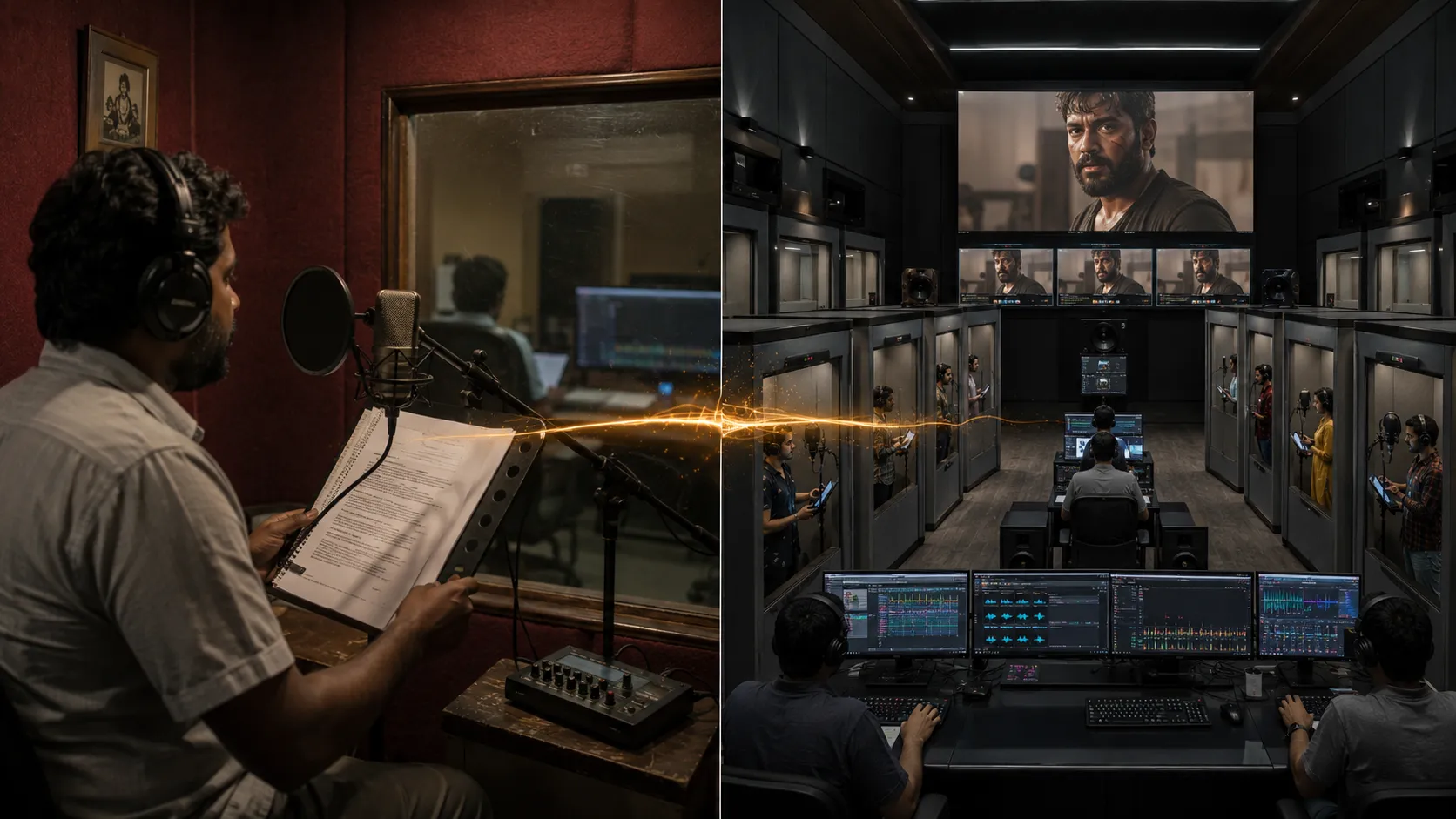
In the winter of 2025, a Malayalam‑language survival thriller called Manjummel Boys was released in Kerala to strong reviews and a respectable ₹35 crore theatrical run. The film—about a group of friends trapped in a cave—was culturally specific, linguistically rooted, and designed primarily for a Malayalam‑speaking audience. Its producers had budgeted approximately ₹3 crore for the Hindi dubbed version, which they assumed would generate modest returns on the satellite and streaming after‑markets. They were wrong. The Hindi dubbed version, released simultaneously with the original, earned ₹120 crore at the North Indian box office—nearly four times the film’s domestic Malayalam gross. The dubbed version accounted for 63 percent of the film’s total all‑India revenue. The producers, who had treated the Hindi dub as an afterthought, are now building an in‑house dubbing division. The Malayalam film that was never supposed to travel has become the most profitable dubbed release in Indian cinema history—and the industry is scrambling to replicate its success.

30 May 2026
The ₹5,000 Crore Battery Swap: How Sun Mobility Built a 600‑Station Network, Changed the Way India Charges Its EVs—and Became a Unicorn While Nobody Was Looking
Future Tech

The ₹5,000 Crore Battery Swap: How Sun Mobility Built a 600‑Station Network, Changed the Way India Charges Its EVs—and Became a Unicorn While Nobody Was Looking

In the autumn of 2022, a tiny electric three‑wheeler pulled into a brightly coloured station on the outskirts of Bengaluru, its battery pack nearly depleted after a morning of ferrying passengers. The driver, who had been operating an electric auto‑rickshaw for approximately six months, did not plug the vehicle into a charger and wait. He removed the drained battery, lifted a fully charged replacement from a locker, slid it into the vehicle, and was back on the road in under two minutes. The station was operated by Sun Mobility, a Bengaluru‑based startup that had been founded five years earlier by Chetan Maini—the man who had built India's first electric car, the Reva—and Uday Khemka, a vice‑chairman of the SUN Group. The company's proposition was simple: electric‑vehicle batteries should be swapped, not charged. The swap should take less time than filling a tank of petrol. And the battery should be owned by the company, not by the driver, reducing the upfront cost of the vehicle and eliminating the single largest barrier to EV adoption in India.

30 May 2026
The Consciousness Upload: Why Brain‑Computer Interfaces Are About to Redefine Being Human
Future Tech

The Consciousness Upload: Why Brain‑Computer Interfaces Are About to Redefine Being Human

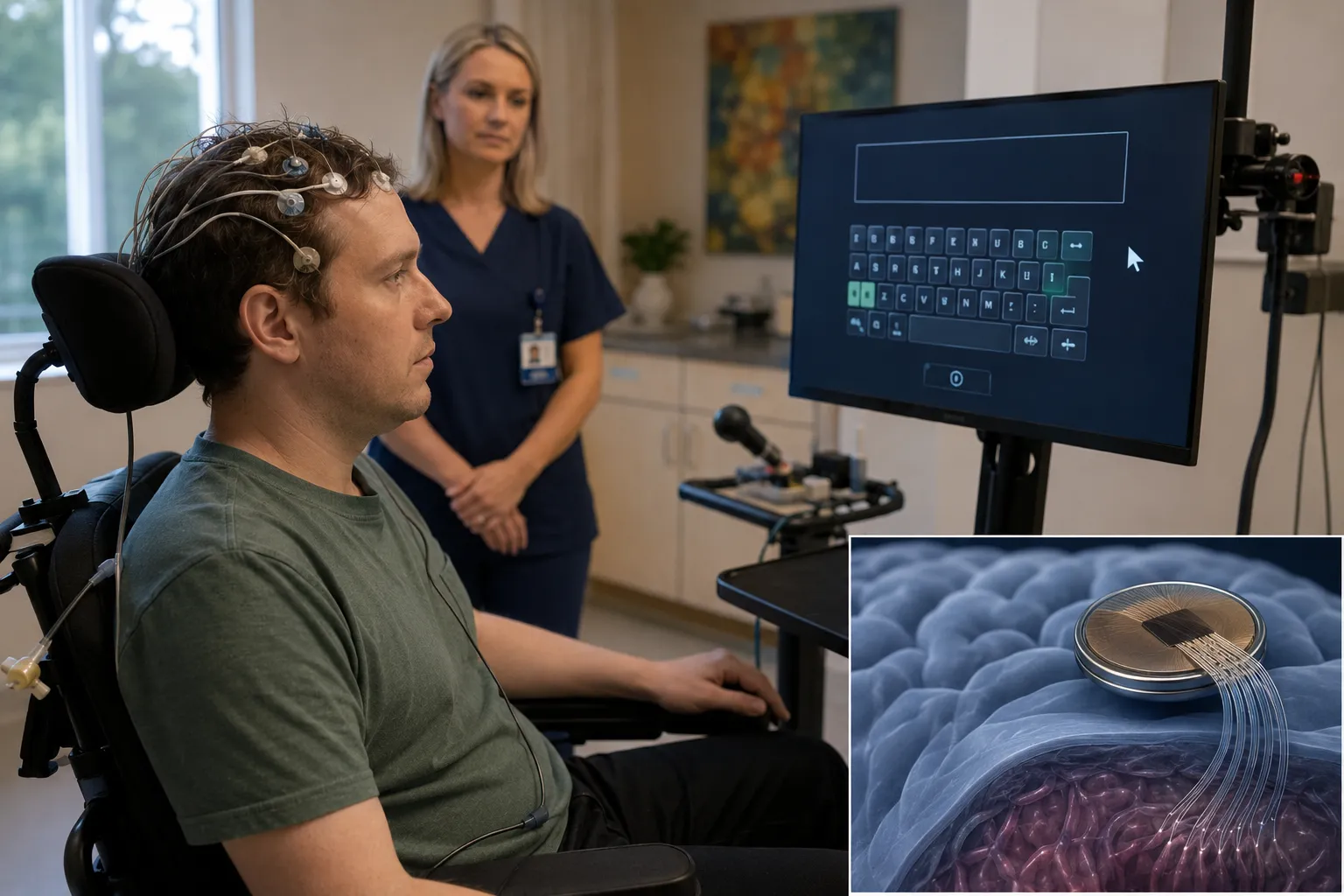
The patient is a 29‑year‑old man named Alex. Four years ago, a diving accident left him paralyzed from the neck down. He cannot move his arms or legs. He cannot feed himself. He breathes with a ventilator. But he can think. And thinking, it turns out, is enough. Implanted in his motor cortex is a coin‑sized device with 1,024 flexible electrodes, thinner than a human hair, each listening to the faint electrical chatter of his neurons. The device, from Elon Musk's Neuralink, transmits that chatter wirelessly to a small receiver on his chest, which relays it to a nearby computer. An AI model, trained on months of Alex's attempted movements, decodes his neural firing patterns into commands: move cursor up, click, type letter. Alex can now browse the web, send emails, play chess, and control a robotic arm. He does all of this with his thoughts alone.

26 May 2026