
Trending
India's Smartphone Shipments Plunge 26% in Third Quarter, the Worst Showing Since 2016, as Memory Costs Push Prices UpIndia's IT Infrastructure Spending Could Approach ₹15 Lakh Crore as AI and Data Centres Dominate New InvestmentZerodha Opens the Door to Wall Street, Letting Indians Buy 2,000 US Stocks and 1,000 ETFs From $1Jim Keller's Tenstorrent Raises $1.5 Billion at a $6.2 Billion Valuation to Challenge Nvidia With Open RISC-V ChipsAmazon Launches TorchNeuron, Free Software That Lets AI Developers Switch to Its Chips With One Change, to Loosen Nvidia's GripTradeweb to Buy Bond Trading Platform Trumid for $1.97 Billion as Electronic Credit Markets ConsolidateIndia's Smartphone Shipments Plunge 26% in Third Quarter, the Worst Showing Since 2016, as Memory Costs Push Prices UpIndia's IT Infrastructure Spending Could Approach ₹15 Lakh Crore as AI and Data Centres Dominate New InvestmentZerodha Opens the Door to Wall Street, Letting Indians Buy 2,000 US Stocks and 1,000 ETFs From $1Jim Keller's Tenstorrent Raises $1.5 Billion at a $6.2 Billion Valuation to Challenge Nvidia With Open RISC-V ChipsAmazon Launches TorchNeuron, Free Software That Lets AI Developers Switch to Its Chips With One Change, to Loosen Nvidia's GripTradeweb to Buy Bond Trading Platform Trumid for $1.97 Billion as Electronic Credit Markets Consolidate
25 Microseconds vs. 10⁴² Years: Inside China's Jiuzhang 4.0 — the Quantum Machine That Just Redrew the Map of Global Computing Power
new

25 Microseconds vs. 10⁴² Years: Inside China's Jiuzhang 4.0 — the Quantum Machine That Just Redrew the Map of Global Computing Power

Future Tech

25 Microseconds vs. 10⁴² Years: Inside China's Jiuzhang 4.0 — the Quantum Machine That Just Redrew the Map of Global Computing Power

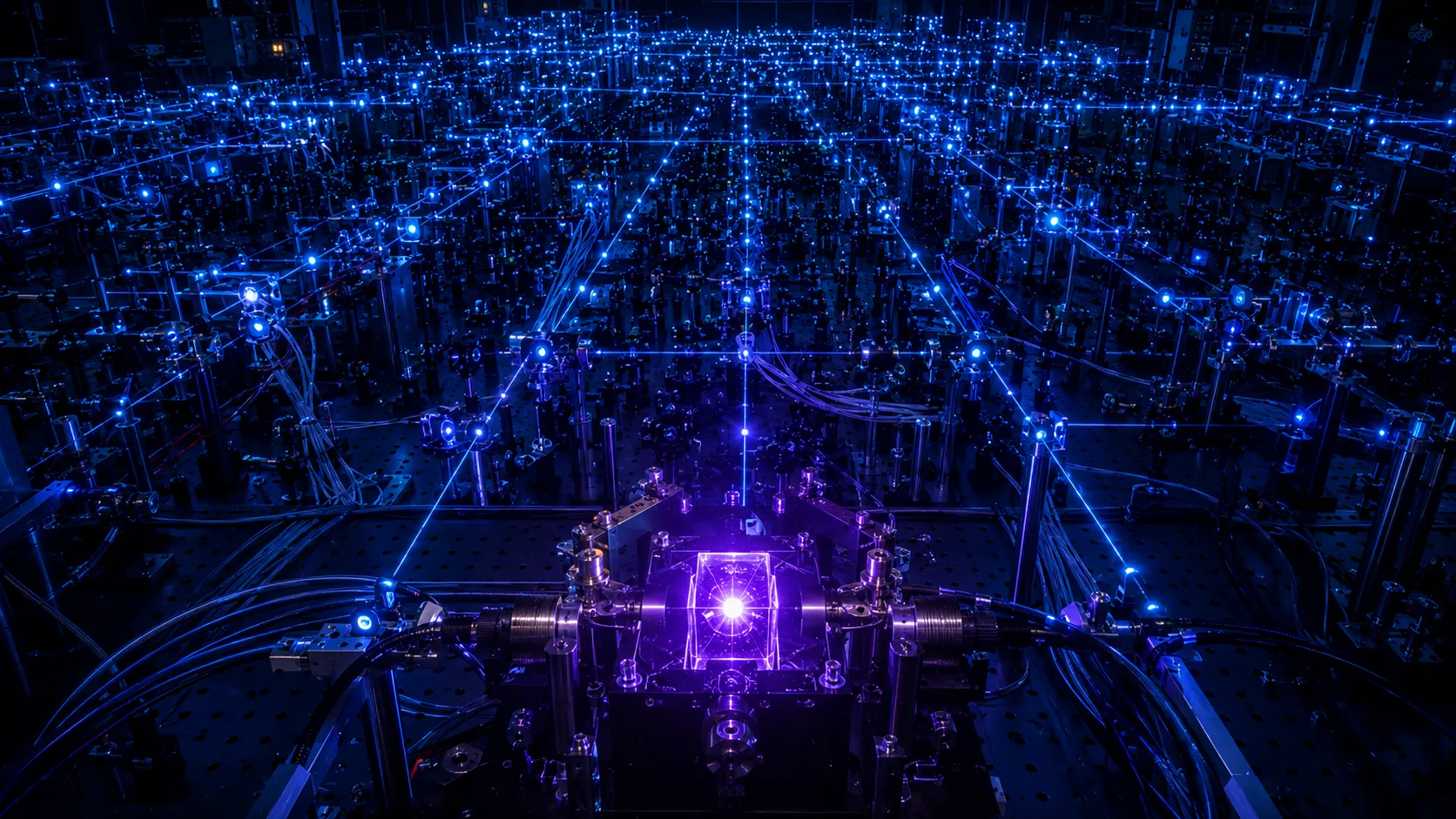
On May 13, 2026, the international journal Nature published a paper whose central claim was so extreme that it required a moment of cognitive recalibration. A team of Chinese scientists, led by quantum physicist Pan Jianwei at the University of Science and Technology of China, reported that their newest photonic quantum computer — Jiuzhang 4.0 — had completed a Gaussian boson sampling calculation in 25 microseconds. The same task, the researchers estimated, would require El Capitan, currently the world's most powerful classical supercomputer housed at Lawrence Livermore National Laboratory in California, more than 10⁴² years to finish. That is a trillion trillion trillion trillion years — a span of time roughly 10³² times longer than the current age of the universe.

Revathy Pandian

Author

The Chronological Feed

Sorted by: Latest
The 270-Meter Miracle: How a Photon Just Crossed Rome Without Moving — and What It Means for the Quantum Internet
Future Tech

The 270-Meter Miracle: How a Photon Just Crossed Rome Without Moving — and What It Means for the Quantum Internet

Two university buildings in Rome, separated by 270 meters of open air, a busy street, and the accumulated atmospheric chaos of an ancient city. In one building, a quantum dot — a semiconductor particle small enough to be governed by the strange laws of quantum mechanics — emitted a single photon. In the other building, a second quantum dot, physically different from the first, waited. What happened next, measured by instruments sensitive enough to detect the polarization state of a single particle of light, was something no one had ever done before: the quantum state of the first photon was teleported to the second, across the open-air gap, without either photon ever physically crossing the space between them.

18 May 2026

The Great AI Flip: Why 50-Year-Olds Are Suddenly More Valuable Than 25-Year-Olds
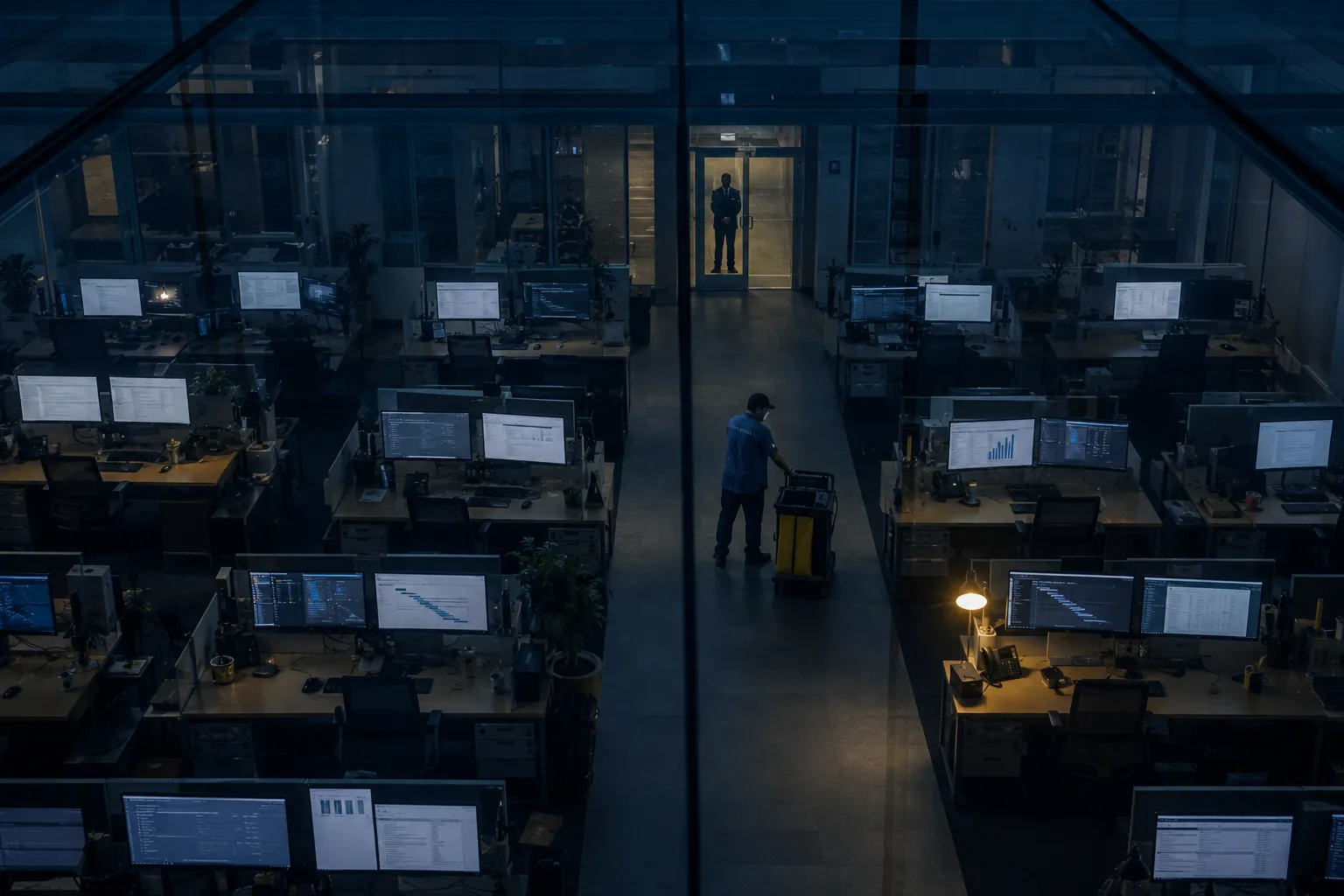
Future Tech

The Great AI Flip: Why 50-Year-Olds Are Suddenly More Valuable Than 25-Year-Olds

or as long as anyone can remember, the arithmetic of the modern workplace has been built on a single, unchallenged assumption: younger workers are the future. They are cheaper, faster to train on new technology, and native to the digital world in ways their older colleagues will never be. Companies have spent decades optimizing their hiring pipelines, their office layouts, and their cultural messaging around this premise. Age discrimination — quiet, systemic, and largely unchallenged — became the background radiation of the American career. If you were over 50 and still employed, you were lucky. If you were over 50 and looking, you were invisible.

18 May 2026
The 18‑Month Countdown: When Microsoft’s AI Chief Predicted the End of Office Work as We Know It
Future Tech

The 18‑Month Countdown: When Microsoft’s AI Chief Predicted the End of Office Work as We Know It

In early February, Mustafa Suleyman sat down for an interview with the Financial Times and said something that has been ricocheting through boardrooms, universities, and dinner tables ever since. The CEO of Microsoft AI, a man who oversees one of the largest artificial intelligence research organizations on Earth, looked into the camera and delivered a timeline so precise, so sweeping, and so close that it landed with the force of a thunderclap. Within 12 to 18 months, he said, artificial intelligence would achieve “human‑level performance on most, if not all professional tasks.” The lawyer reviewing contracts. The accountant reconciling ledgers. The project manager coordinating workflows. The marketer drafting campaigns. All of them, he argued, are performing work that “will be fully automated by AI within the next year or 18 months.”

10 mins read18 May 2026
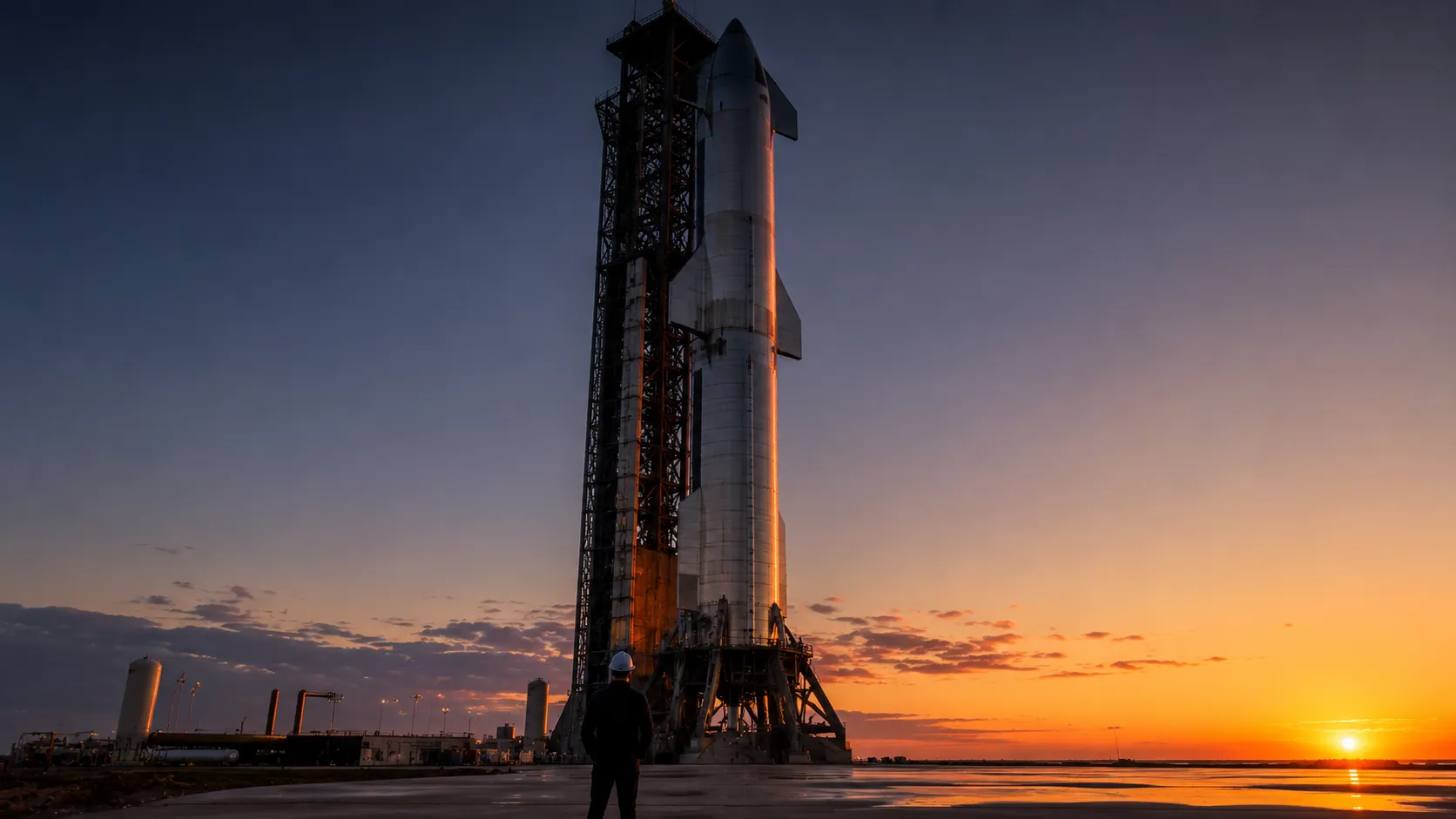
SPCX: SpaceX Sets June 12 Nasdaq Listing — The Most Audacious IPO in Wall Street History Is Now Three Weeks Away
Future Tech

SPCX: SpaceX Sets June 12 Nasdaq Listing — The Most Audacious IPO in Wall Street History Is Now Three Weeks Away

On June 12, barring a last‑minute delay, Elon Musk's SpaceX will list on the Nasdaq under the ticker SPCX. The company will price its shares the night before — June 11 — and begin trading the following morning, opening an auction that will almost certainly become the largest initial public offering in the history of global capital markets. The target: $75 billion raised at a valuation of roughly $1.75 trillion, with some price talk racing as high as $2 trillion. Either number eclipses Saudi Aramco's $29 billion raise at $1.7 trillion in 2019 — the current record holder — and does so with a margin so wide it feels less like a market event than a rewriting of financial gravity.

18 May 2026
Fire on the Nasdaq: Inside Cerebras' $95 Billion Debut — and the Geopolitical Chip War It Just Ignited
Future Tech

Fire on the Nasdaq: Inside Cerebras' $95 Billion Debut — and the Geopolitical Chip War It Just Ignited

On a Thursday morning in mid‑May, a chip company most Americans had never heard of became worth more than Ford, more than GM, more than any automaker or airline that anchors the Main Street imagination. Cerebras Systems went public on the Nasdaq at $185 per share. By the closing bell, it had surged 68 percent to $311.07, giving it a market capitalization just shy of $95 billion on a fully diluted basis. The $5.55 billion raised made it the largest U.S. technology IPO since Snowflake in 2020. The offering was 20 times oversubscribed.

18 May 2026
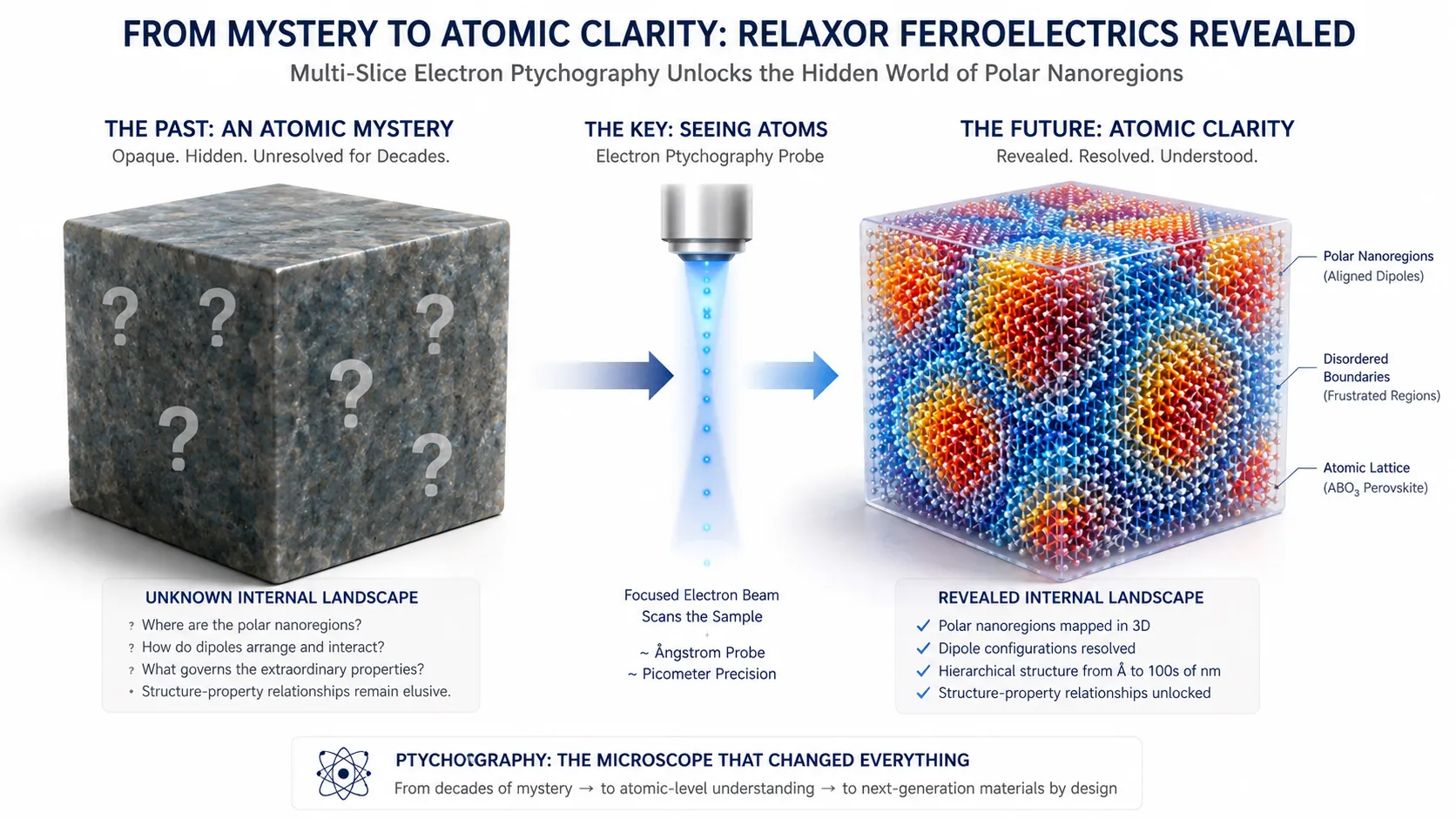
The Decades-Old Mystery Inside Your Ultrasound Machine—Solved by a 3D Atomic Map
Future Tech

The Decades-Old Mystery Inside Your Ultrasound Machine—Solved by a 3D Atomic Map

For decades, a class of materials called relaxor ferroelectrics has powered technologies that touch nearly every human life. Ultrasound machines that image unborn children. Sonar systems that navigate submarines. Precision microphones that capture sound. Actuators that move with nanometer precision. These materials are everywhere, hidden inside devices that work so reliably that no one thinks to ask how.

16 May 2026
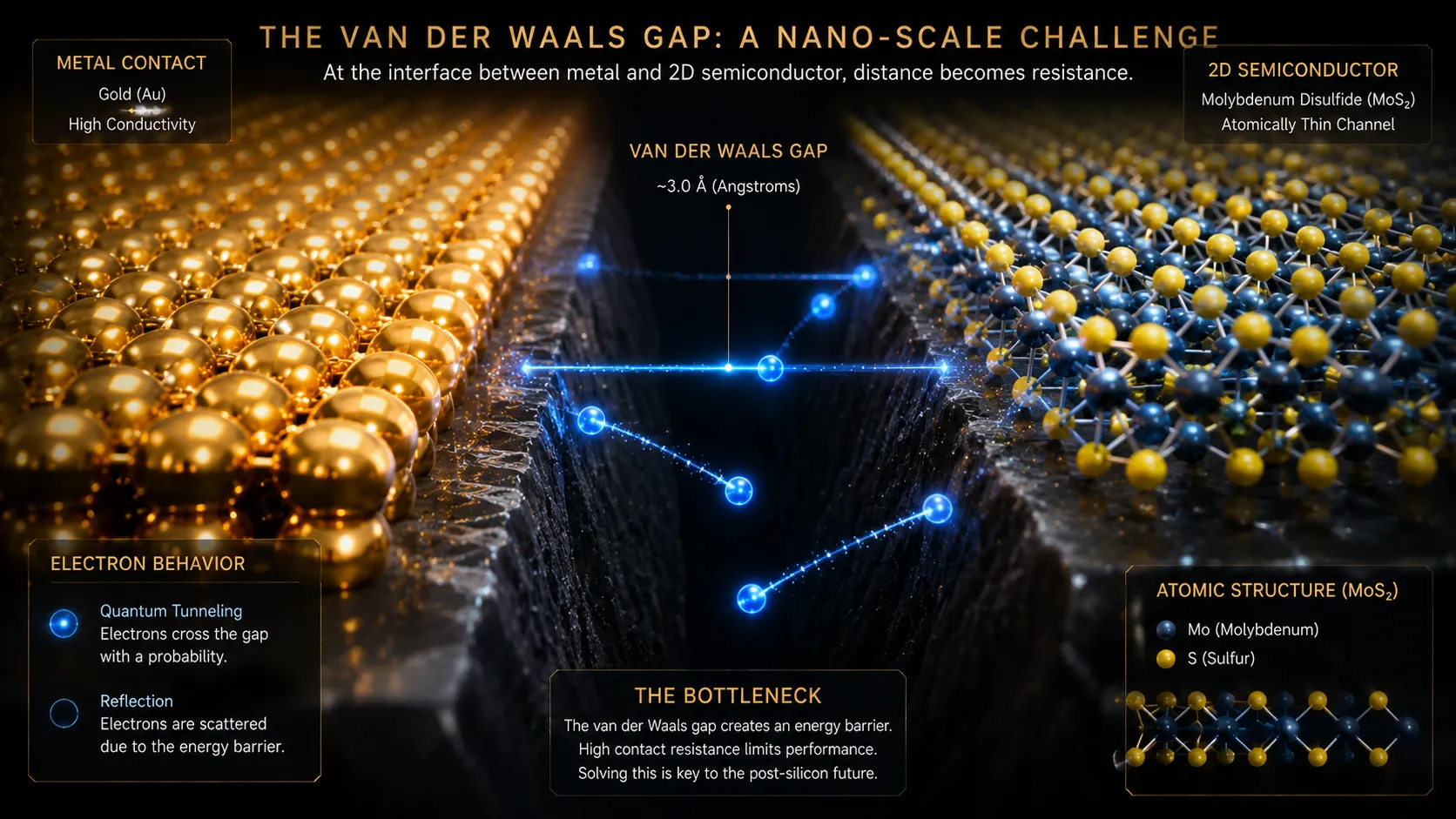
The Hidden Gap That Could Break Moore's Law—And the Global Race to Close It
Future Tech

The Hidden Gap That Could Break Moore's Law—And the Global Race to Close It

For half a century, the semiconductor industry has been governed by a single, relentless principle: make the transistor smaller, and everything gets better. Smaller transistors switch faster, consume less power, and pack more densely onto a chip. Moore's Law, the observation that transistor density doubles roughly every two years, has been the drumbeat of progress, and the industry has marched to it with extraordinary discipline.

16 May 2026
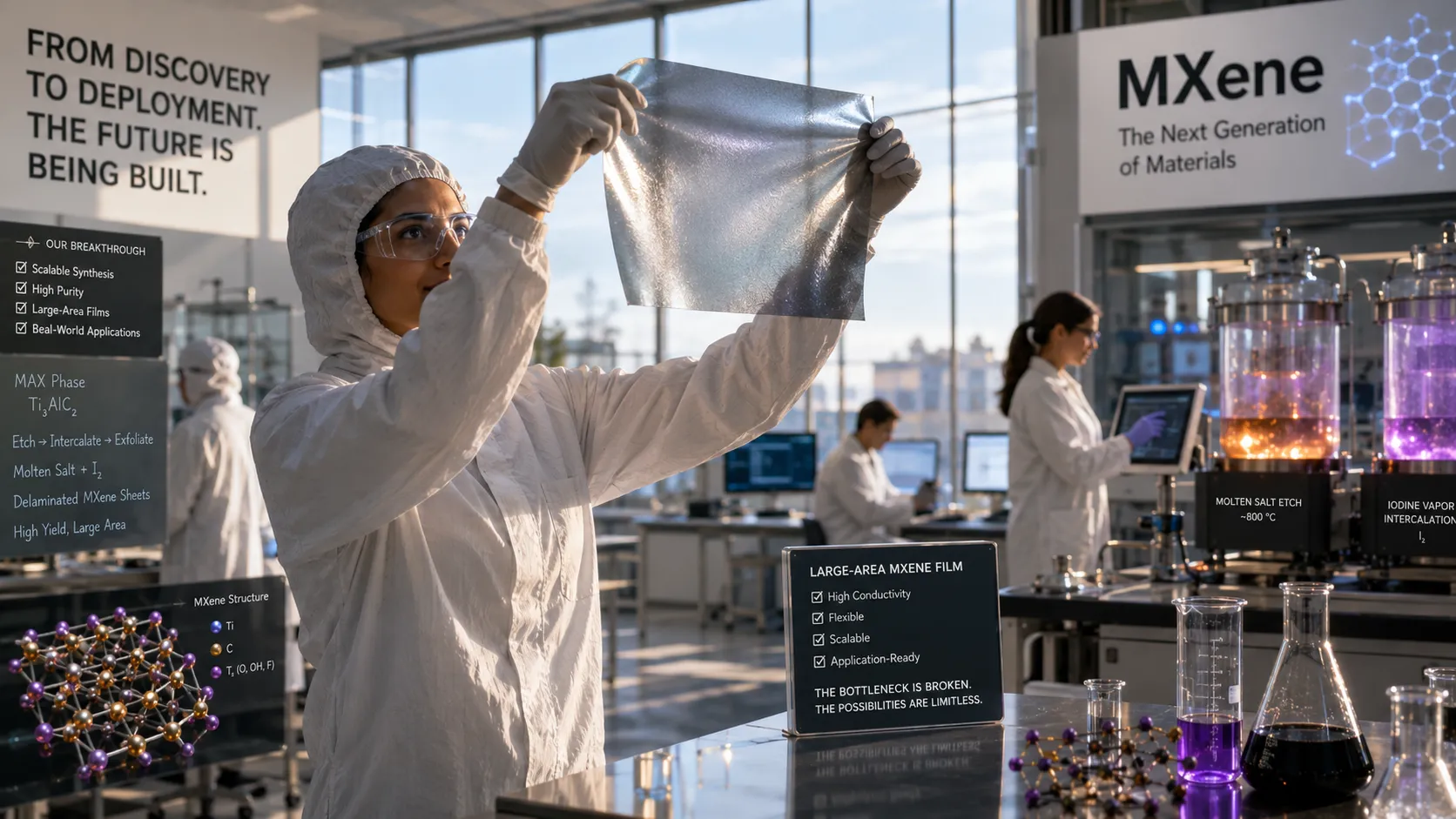
The Molten Salt Alchemy: How a 160x Conductivity Breakthrough Just Unleashed the Next Generation of Ultra-Thin Materials
Future Tech

The Molten Salt Alchemy: How a 160x Conductivity Breakthrough Just Unleashed the Next Generation of Ultra-Thin Materials

In 2011, a team of materials scientists at Drexel University discovered a new family of ultra-thin materials that seemed almost too good to be true. Called MXenes, these atomically thin layers of transition metal carbides and nitrides promised extraordinary electrical conductivity, mechanical strength, and chemical versatility. They were touted as candidates for next-generation batteries, supercapacitors, electromagnetic shields, water purification membranes, and more. Papers proliferated. Patents were filed. Excitement built.

16 May 2026