Trending
India's Smartphone Shipments Plunge 26% in Third Quarter, the Worst Showing Since 2016, as Memory Costs Push Prices UpIndia's IT Infrastructure Spending Could Approach ₹15 Lakh Crore as AI and Data Centres Dominate New InvestmentZerodha Opens the Door to Wall Street, Letting Indians Buy 2,000 US Stocks and 1,000 ETFs From $1Jim Keller's Tenstorrent Raises $1.5 Billion at a $6.2 Billion Valuation to Challenge Nvidia With Open RISC-V ChipsAmazon Launches TorchNeuron, Free Software That Lets AI Developers Switch to Its Chips With One Change, to Loosen Nvidia's GripTradeweb to Buy Bond Trading Platform Trumid for $1.97 Billion as Electronic Credit Markets ConsolidateIndia's Smartphone Shipments Plunge 26% in Third Quarter, the Worst Showing Since 2016, as Memory Costs Push Prices UpIndia's IT Infrastructure Spending Could Approach ₹15 Lakh Crore as AI and Data Centres Dominate New InvestmentZerodha Opens the Door to Wall Street, Letting Indians Buy 2,000 US Stocks and 1,000 ETFs From $1Jim Keller's Tenstorrent Raises $1.5 Billion at a $6.2 Billion Valuation to Challenge Nvidia With Open RISC-V ChipsAmazon Launches TorchNeuron, Free Software That Lets AI Developers Switch to Its Chips With One Change, to Loosen Nvidia's GripTradeweb to Buy Bond Trading Platform Trumid for $1.97 Billion as Electronic Credit Markets Consolidate
The Clock That Never Loses a Second: How Quantum Timekeeping Is Breaking GPS's Monopoly on Navigation
new

The Clock That Never Loses a Second: How Quantum Timekeeping Is Breaking GPS's Monopoly on Navigation

Future Tech

The Clock That Never Loses a Second: How Quantum Timekeeping Is Breaking GPS's Monopoly on Navigation

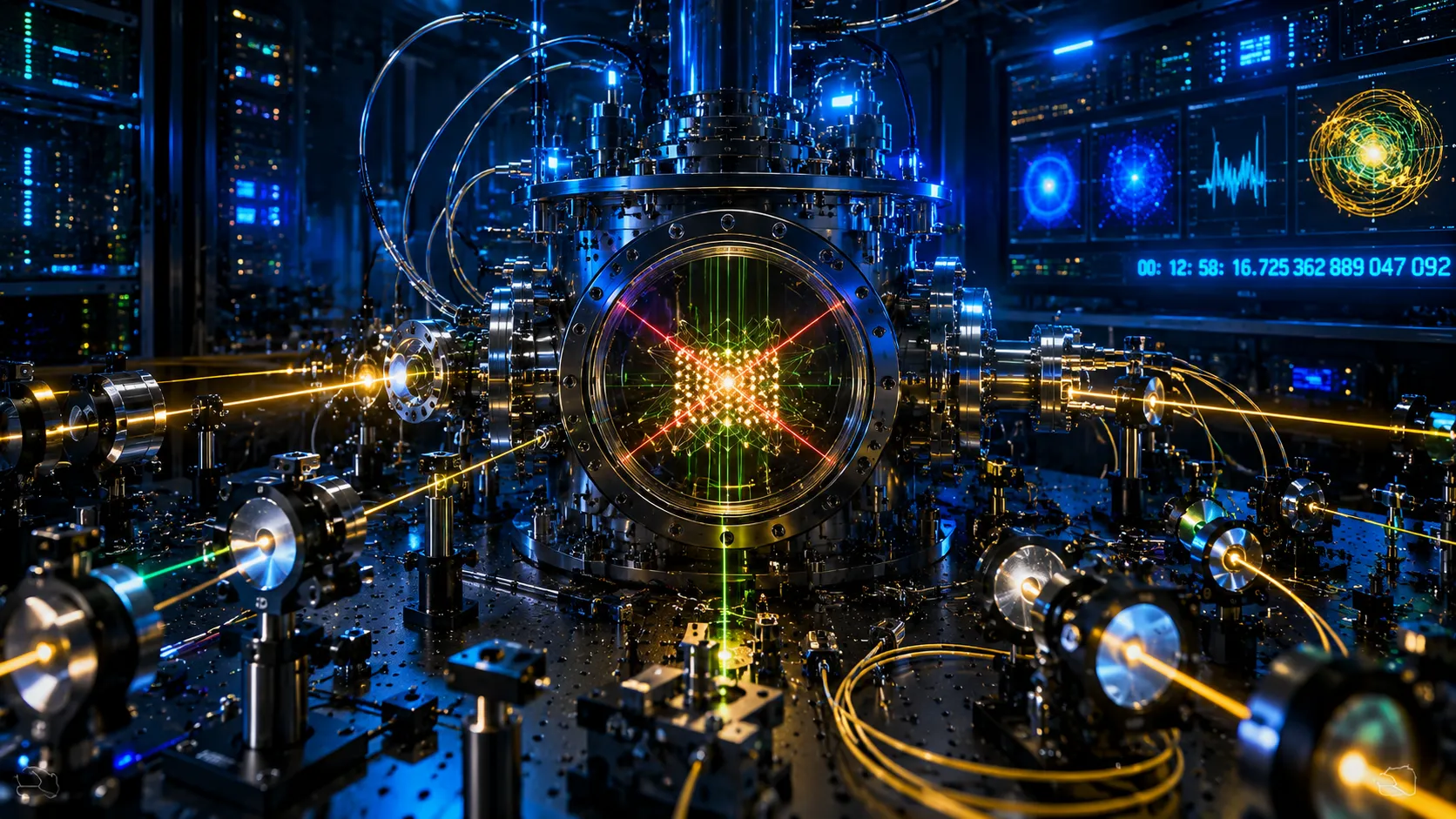
The clock lives in a room that does not exist on any public blueprint. It is housed in a windowless laboratory deep inside the National Institute of Standards and Technology, behind three layers of electromagnetic shielding and a steel door that weighs two tons. The room is kept at a temperature variation of less than one millionth of a degree Celsius. The floor is isolated from seismic vibrations by pneumatic legs that adjust themselves forty times per second. Inside, suspended in an ultra‑high vacuum chamber and chilled by lasers to a few billionths of a degree above absolute zero, a cloud of strontium atoms ticks back and forth between two quantum states at a rate of 430 trillion times per second. This is the optical lattice atomic clock, and it is the most precise measuring device ever built.

Revathy Pandian

Author

The Chronological Feed

Sorted by: Latest
The Ocean's Lungs Are Changing: How Underwater Forests Are Being Rebuilt by Robot Hands and Ancient Seeds
Future Tech

The Ocean's Lungs Are Changing: How Underwater Forests Are Being Rebuilt by Robot Hands and Ancient Seeds

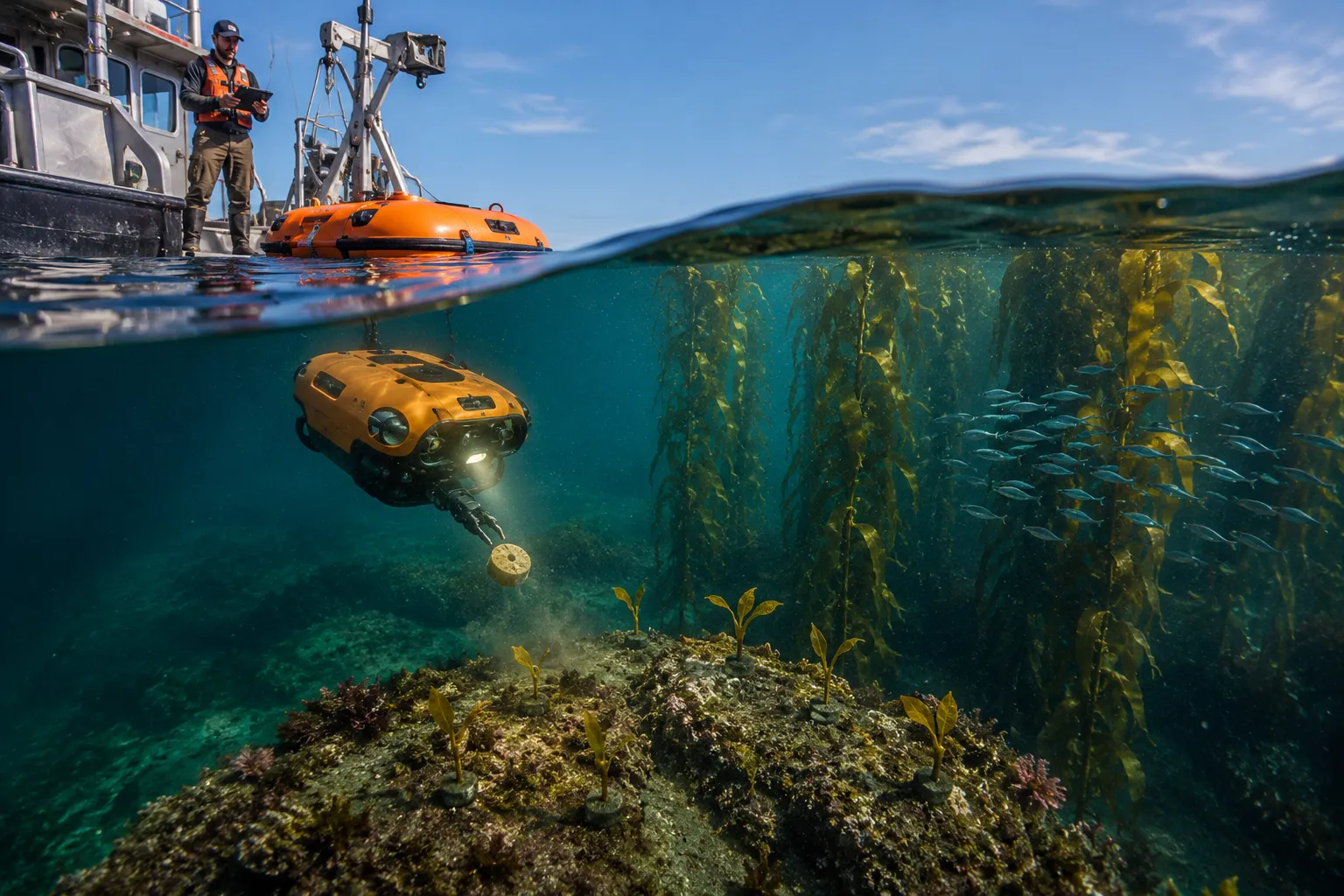
The robot dives without hesitation. It is shaped like a torpedo, painted bright orange, and guided by a single onboard camera and a set of inertial sensors. Thirty feet below the surface, in water so cold it aches, the robot reaches its target: a bare rock outcrop on a seafloor that was once a dense, swaying forest of sugar kelp. From a storage bay, the robot releases a small biodegradable disk. The disk contains a young kelp sporophyte, no larger than a grain of rice, attached to a short length of twine. The robot presses the disk against the rock, fires a single biodegradable nail, and moves to the next coordinate. In six hours, it will plant 10,000 of these disks. In three months, if all goes well, the rocks will be covered in golden-brown fronds, and the fish will begin to return.

26 May 2026
The Mycelium Underground: How Fungal Networks Are Becoming the World's Smartest Infrastructure
Future Tech

The Mycelium Underground: How Fungal Networks Are Becoming the World's Smartest Infrastructure

The largest living organism on Earth is not a blue whale. It is not a sequoia tree. It is a fungus. In the Blue Mountains of Oregon, a single individual of Armillaria ostoyae covers nearly four square miles and weighs an estimated 35,000 tons. It has been growing for at least 2,400 years. You would never know it is there, because almost all of it is underground—a vast, interconnected web of thread-like hyphae that collectively form what scientists call the mycelium

26 May 2026
The Living Battery: How Scientists Are Turning Bacteria into Power Plants for Your Devices
Future Tech

The Living Battery: How Scientists Are Turning Bacteria into Power Plants for Your Devices

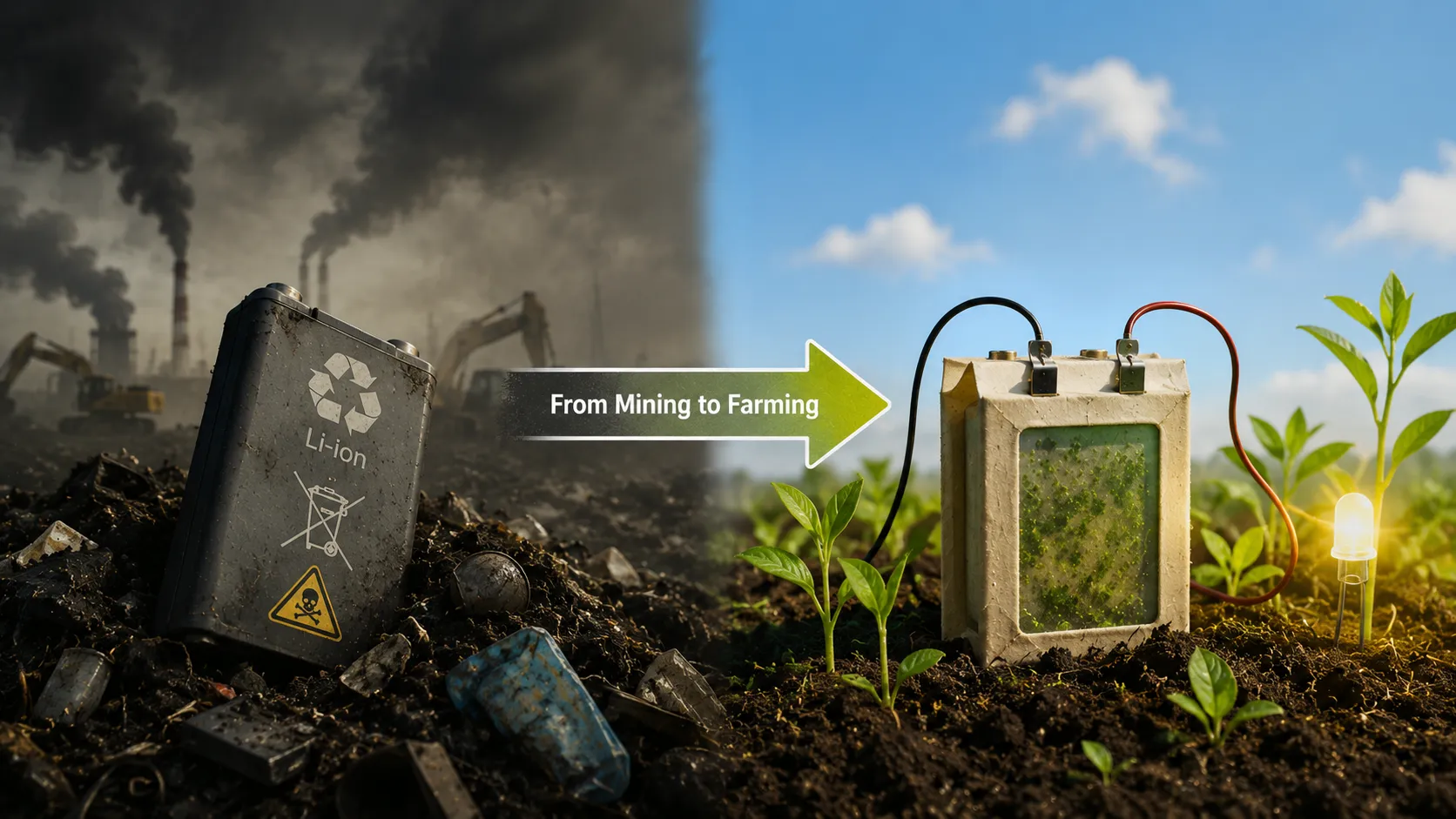
The battery is alive. You cannot see it with the naked eye—its power source is a single drop of water containing billions of Shewanella oneidensis, a bacterium that breathes metal the way humans breathe oxygen. The battery sits on a laboratory bench, connected by thin copper wires to a small LED. The LED glows a steady, faint green. It has been glowing for three months, powered entirely by the metabolic waste of microbes that cost less than a dollar to grow. When the light finally dims, the researchers will add a few drops of wastewater—the bacterial equivalent of a sugar rush—and the LED will brighten again.

26 May 2026
The Silent Network: How Underground Mesh Radio Is Becoming America's Backup Internet
Future Tech

The Silent Network: How Underground Mesh Radio Is Becoming America's Backup Internet

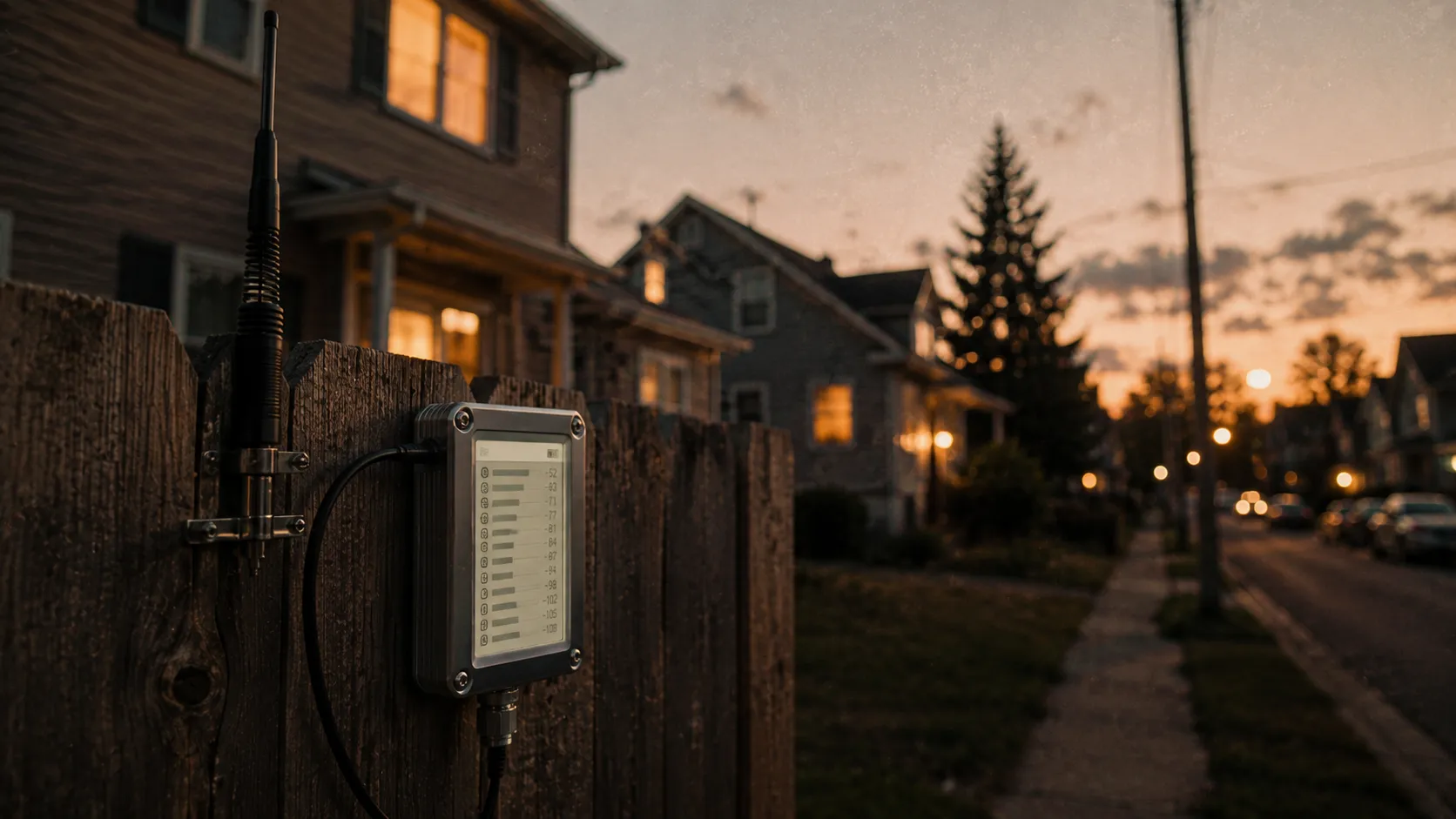
The first thing you notice is the antenna. It is not the sleek, white plastic of a Starlink dish or the black mast of a cellular repeater. It is a collapsible, military‑surplus whip antenna, clamped to a balcony railing with a hardware‑store bracket, connected by a thick coax cable to a small metal box no larger than a paperback novel. The box contains a LoRa radio chip—a low‑power, long‑range transceiver originally designed for agricultural sensors and smart meters—running custom firmware. The screen shows a list of nodes: KF7XYZ (range 4.2 miles), WA6ABC (range 7.8 miles), N8DEF (range 11.3 miles). No internet. No cellular. No central server. Just a mesh of neighbors, passing text messages and small files from one antenna to another, hop by hop, until they reach their destination.

26 May 2026
The Physicist Who Quit IBM to Build India's First Quantum Computer: How Dr. Nagendra Nagaraja Is Racing to Take His 25-Qubit Machine Public—Before the Americans and Chinese Lock Up the Market
Future Tech

The Physicist Who Quit IBM to Build India's First Quantum Computer: How Dr. Nagendra Nagaraja Is Racing to Take His 25-Qubit Machine Public—Before the Americans and Chinese Lock Up the Market

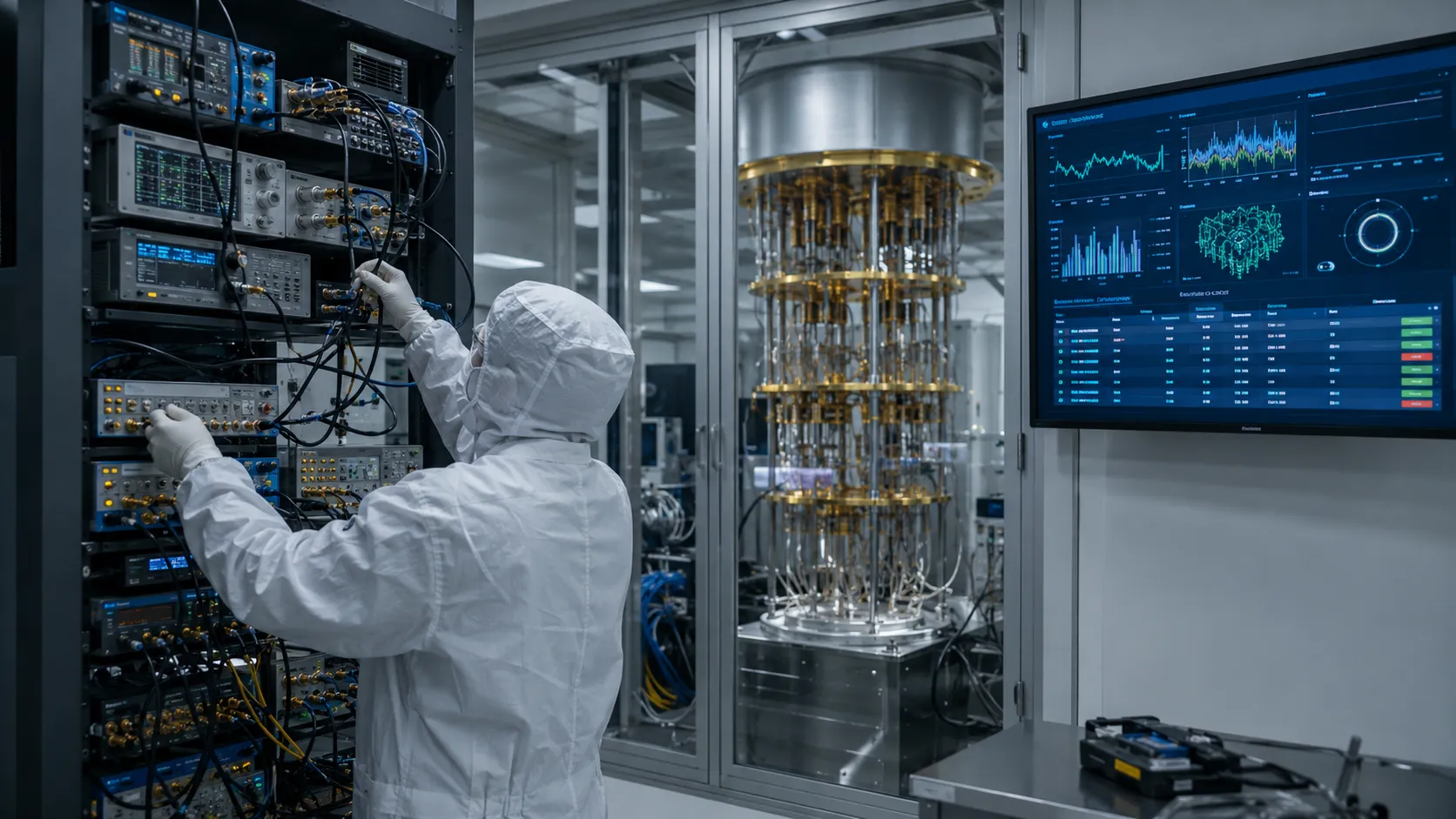
In 2019, Dr. Nagendra Nagaraja was a senior quantum scientist at IBM Research, working on some of the world's most advanced superconducting quantum processors at the company's Thomas J. Watson Research Center in Yorktown Heights, New York. He had a comfortable salary, a prestigious position, and a front-row seat to the development of the hardware that would eventually power the world's largest quantum computing network. He was exactly where any ambitious quantum physicist would want to be—and he was restless. The machines he was building would be deployed everywhere except the country he came from. India, with its deep pool of scientific talent and its virtually nonexistent quantum hardware industry, was invisible in the quantum computing revolution. Nagaraja could not change that from Yorktown Heights. So he quit.

25 May 2026
The Two Dropouts Who Spent a Decade Building a Battery Nobody Believed In: How Gegadyne Energy Just Launched a Lithium-Free Power Pack That Charges in Minutes—and Is Already on European Factory Floors
Future Tech

The Two Dropouts Who Spent a Decade Building a Battery Nobody Believed In: How Gegadyne Energy Just Launched a Lithium-Free Power Pack That Charges in Minutes—and Is Already on European Factory Floors

In 2014, two mechatronics engineering students at Mumbai's Narsee Monjee Institute of Management Studies set out to build an electric vehicle for their final-year project. Jubin Varghese was a car enthusiast. Ameya Gadiwan was a hard-tech tinkerer. Together, they combed through Mumbai's junkyards, collecting spare parts, convinced that they could assemble a working EV from the discarded remnants of the internal-combustion age. They built the chassis. They built the drivetrain. And then they discovered that the battery required to power their creation would cost three times as much as everything else combined. They dropped out of college soon after and started Gegadyne Energy in 2015. They began with lead-acid batteries, which were cheap but charged painfully slowly. They switched to lithium-ion, which charged faster but degraded with every cycle. They experimented with supercapacitors—quick to charge, long-lasting, but low on energy density. Nothing worked. "There was scope to build incremental battery tech instead of creating something from scratch," Varghese said. "Since India doesn't have an established battery supply chain, we decided to work on materials that are widely available in nature."

25 May 2026
The Software Company That Bet 8 Years on a Battery: How KPIT Built India's First Indigenous Sodium-Ion Power Pack—and Handed It to a Manufacturer to Take on Lithium
Future Tech

The Software Company That Bet 8 Years on a Battery: How KPIT Built India's First Indigenous Sodium-Ion Power Pack—and Handed It to a Manufacturer to Take on Lithium

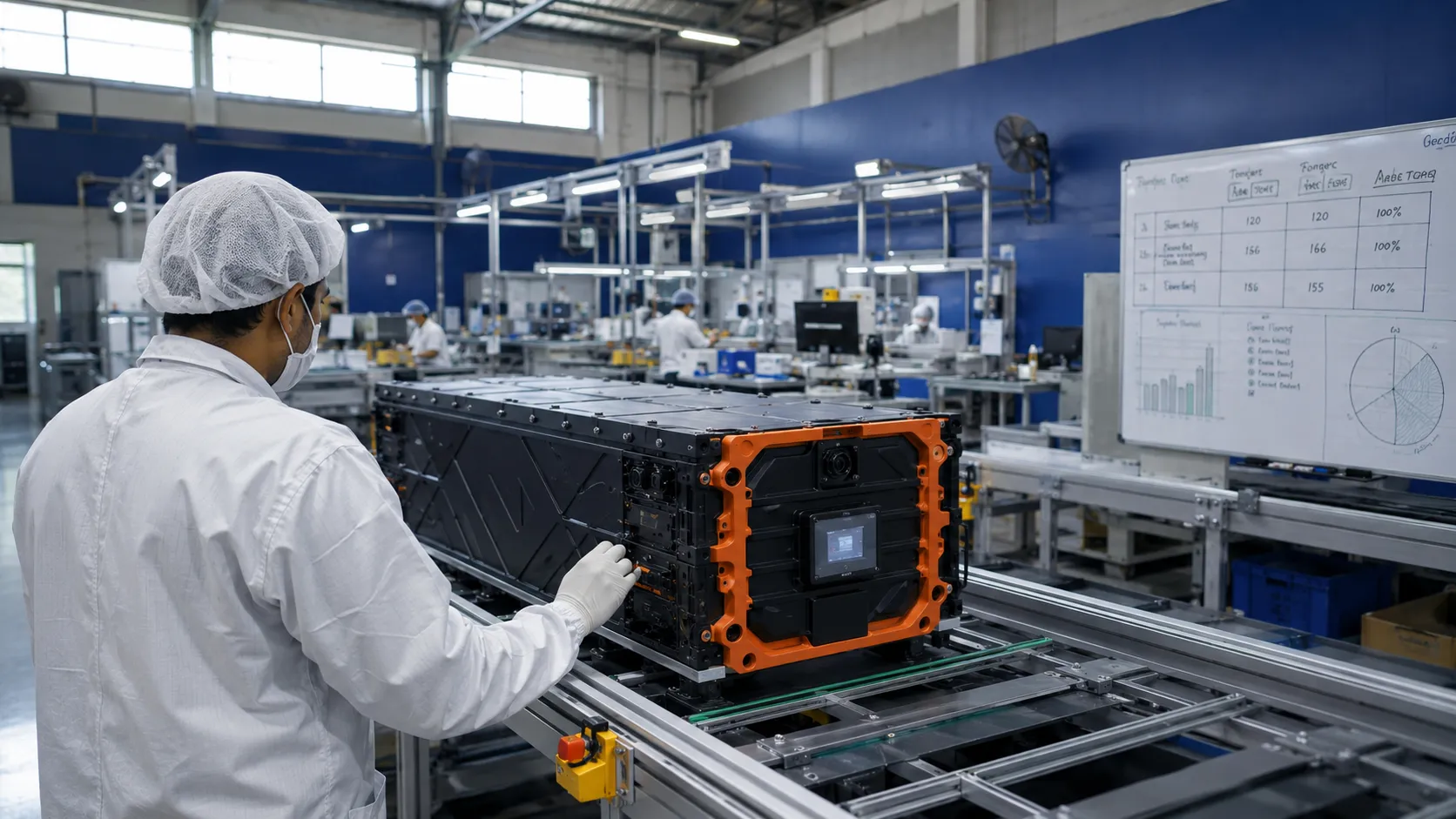
In December 2023, a publicly listed automotive software company with no prior history in electrochemistry unveiled a battery technology that it had been developing, quietly and without fanfare, for eight years. The company was KPIT Technologies, a Pune-headquartered mobility solutions firm with a market capitalisation of roughly ₹45,000 crore, over 12,000 employees, and a client roster that includes some of the largest automakers on Earth. It was not a battery startup. It was not a research laboratory. It was a software company that had decided, in 2015, that India's electric vehicle revolution would never reach scale unless someone built a battery that did not depend on lithium—and that it was willing to be the company that tried.

25 May 2026
The Five Friends Who Bet Everything on Building the World's First Hybrid Satellite Eye
Future Tech

The Five Friends Who Bet Everything on Building the World's First Hybrid Satellite Eye

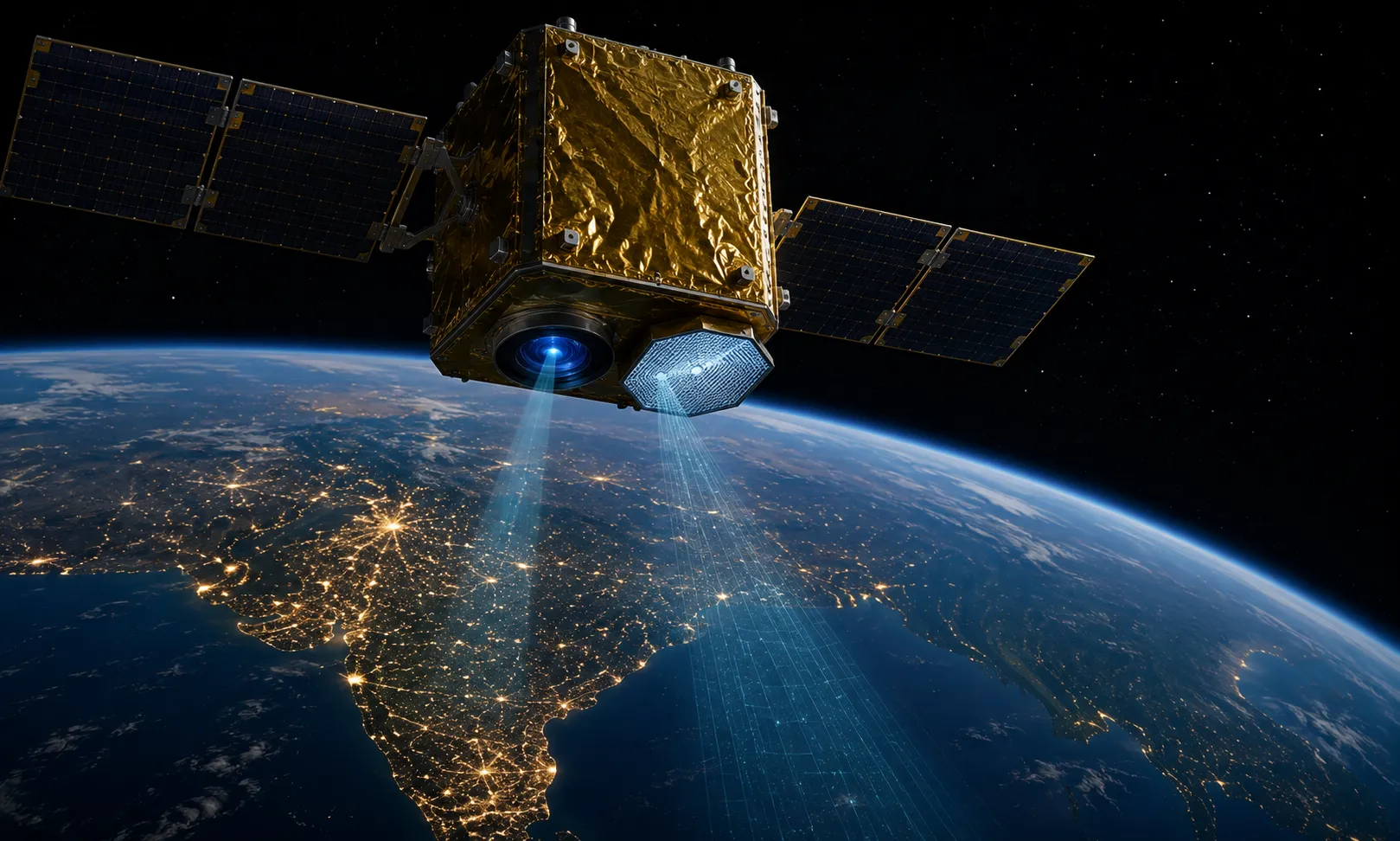
In 2020, five final-year students at IIT Madras sat in a hostel room and asked themselves a question that most aerospace engineers spend entire careers avoiding. What if you could put two completely different kinds of cameras on the same satellite? Not one optical camera that takes beautiful pictures in daylight and goes blind the moment a cloud passes over. Not one radar sensor that can see through storms and darkness but produces images that look like a grainy ultrasound. Both. On one platform. Working together. The question was technically elegant and commercially insane—the kind of problem that had defeated every satellite manufacturer for a generation because the two sensors interfered with each other, the data streams were incompatible, and the engineering complexity was orders of magnitude greater than building two separate satellites.

25 May 2026