Trending
India's Smartphone Shipments Plunge 26% in Third Quarter, the Worst Showing Since 2016, as Memory Costs Push Prices UpIndia's IT Infrastructure Spending Could Approach ₹15 Lakh Crore as AI and Data Centres Dominate New InvestmentZerodha Opens the Door to Wall Street, Letting Indians Buy 2,000 US Stocks and 1,000 ETFs From $1Jim Keller's Tenstorrent Raises $1.5 Billion at a $6.2 Billion Valuation to Challenge Nvidia With Open RISC-V ChipsAmazon Launches TorchNeuron, Free Software That Lets AI Developers Switch to Its Chips With One Change, to Loosen Nvidia's GripTradeweb to Buy Bond Trading Platform Trumid for $1.97 Billion as Electronic Credit Markets ConsolidateIndia's Smartphone Shipments Plunge 26% in Third Quarter, the Worst Showing Since 2016, as Memory Costs Push Prices UpIndia's IT Infrastructure Spending Could Approach ₹15 Lakh Crore as AI and Data Centres Dominate New InvestmentZerodha Opens the Door to Wall Street, Letting Indians Buy 2,000 US Stocks and 1,000 ETFs From $1Jim Keller's Tenstorrent Raises $1.5 Billion at a $6.2 Billion Valuation to Challenge Nvidia With Open RISC-V ChipsAmazon Launches TorchNeuron, Free Software That Lets AI Developers Switch to Its Chips With One Change, to Loosen Nvidia's GripTradeweb to Buy Bond Trading Platform Trumid for $1.97 Billion as Electronic Credit Markets Consolidate
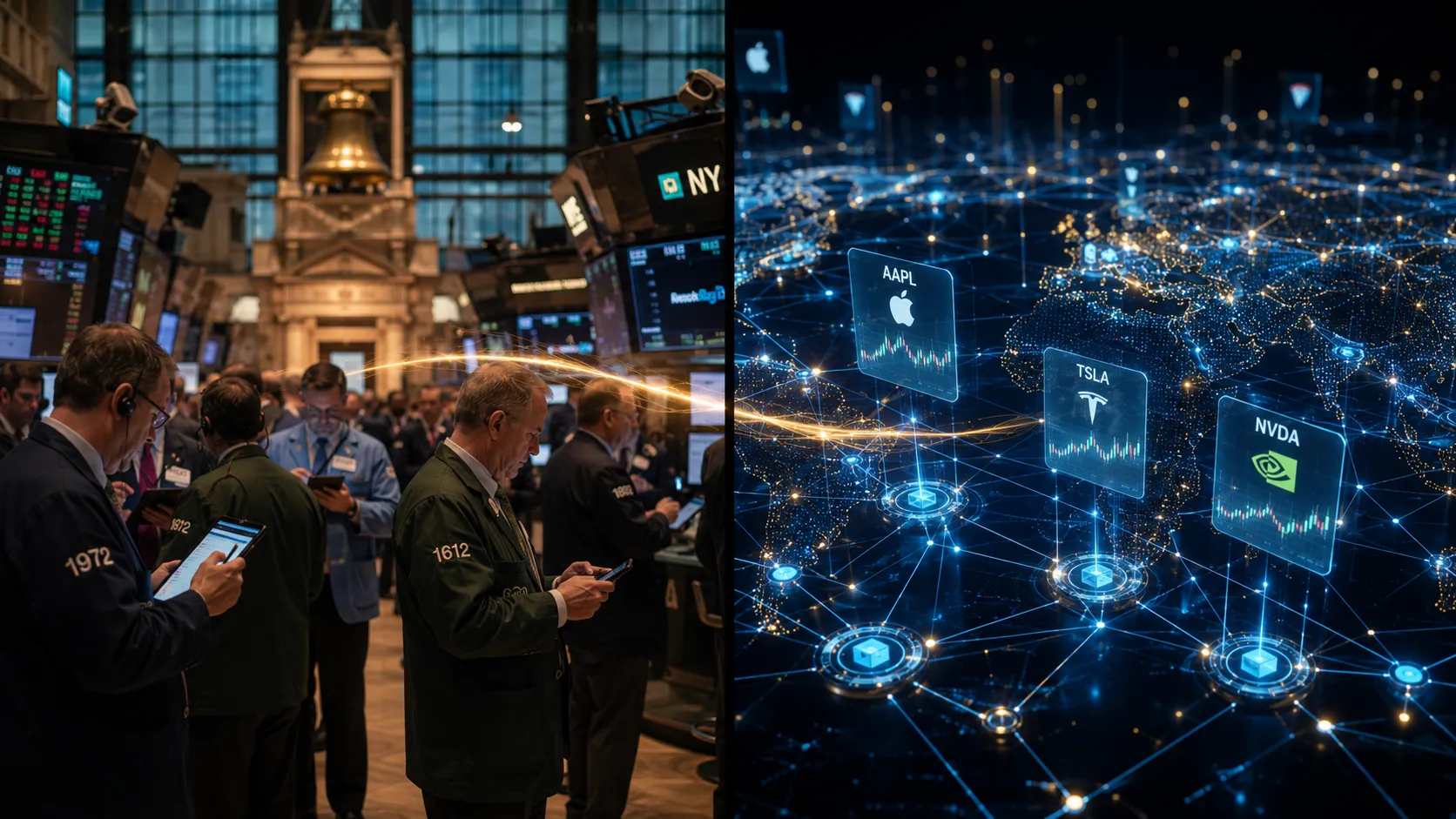
America Is About to Have Two Stock Markets for the Same Company: Inside the SEC's $15.1 Billion Tokenized Stock Gamble
new

America Is About to Have Two Stock Markets for the Same Company: Inside the SEC's $15.1 Billion Tokenized Stock Gamble

Future Tech

America Is About to Have Two Stock Markets for the Same Company: Inside the SEC's $15.1 Billion Tokenized Stock Gamble

Sometime this week, the U.S. Securities and Exchange Commission is expected to publish a document that will do something no American financial regulator has ever done. It will create a legal framework for two parallel stock markets to trade the same shares of Apple, Tesla, and Nvidia—one running on the century-old infrastructure of the New York Stock Exchange, the other on crypto rails that settle instantly, operate 24 hours a day, and require no permission from the companies whose shares they track. The document is called an "innovation exemption," and it is the most significant regulatory experiment in the structure of American equity markets since the creation of the SEC itself in 1934.

Revathy Pandian

Author

The Chronological Feed

Sorted by: Latest
The €180 Million Bet That Went Quietly Wrong: Inside the Metacore Meltdown—and Supercell's Gamble to Salvage It
Future Tech

The €180 Million Bet That Went Quietly Wrong: Inside the Metacore Meltdown—and Supercell's Gamble to Salvage It

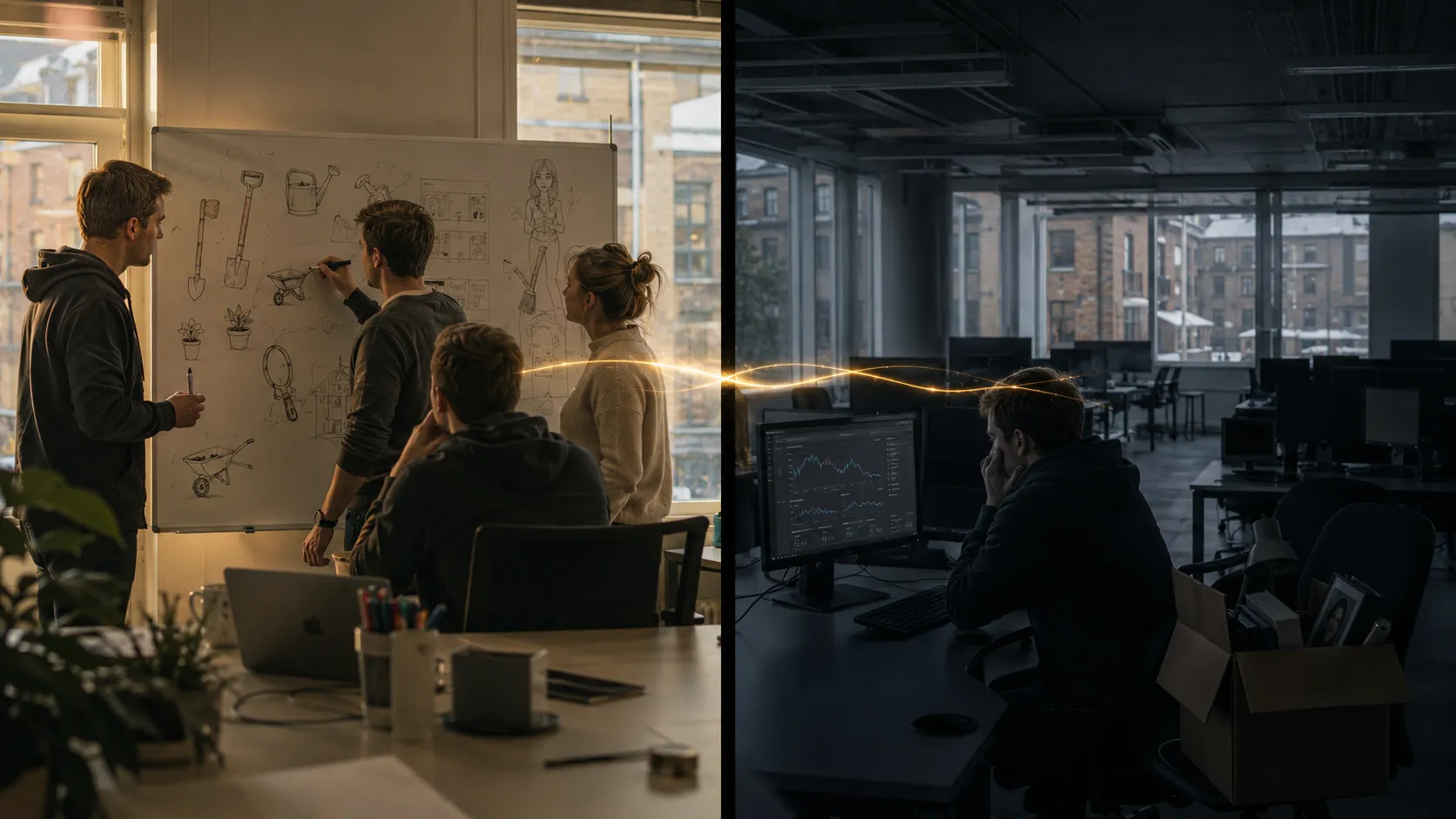
In the autumn of 2020, a small Finnish game studio released a mobile puzzle title that should not have worked. The game involved no shooting, no racing, no combat of any kind. Its central mechanic was merging—dragging one garden tool onto another to create a slightly better garden tool, then using that tool to renovate a crumbling mansion. The protagonist was a grandmother. The story, such as it was, involved a family mystery buried somewhere in the estate. The name, Merge Mansion, sounded like a retirement-home hobby.

22 May 2026
The Five-Week Software Upgrade That Could Save Your Next Flight: How a Romanian Startup Is Rewriting the Code That Keeps 10 Million Planes a Year From Colliding
Future Tech

The Five-Week Software Upgrade That Could Save Your Next Flight: How a Romanian Startup Is Rewriting the Code That Keeps 10 Million Planes a Year From Colliding

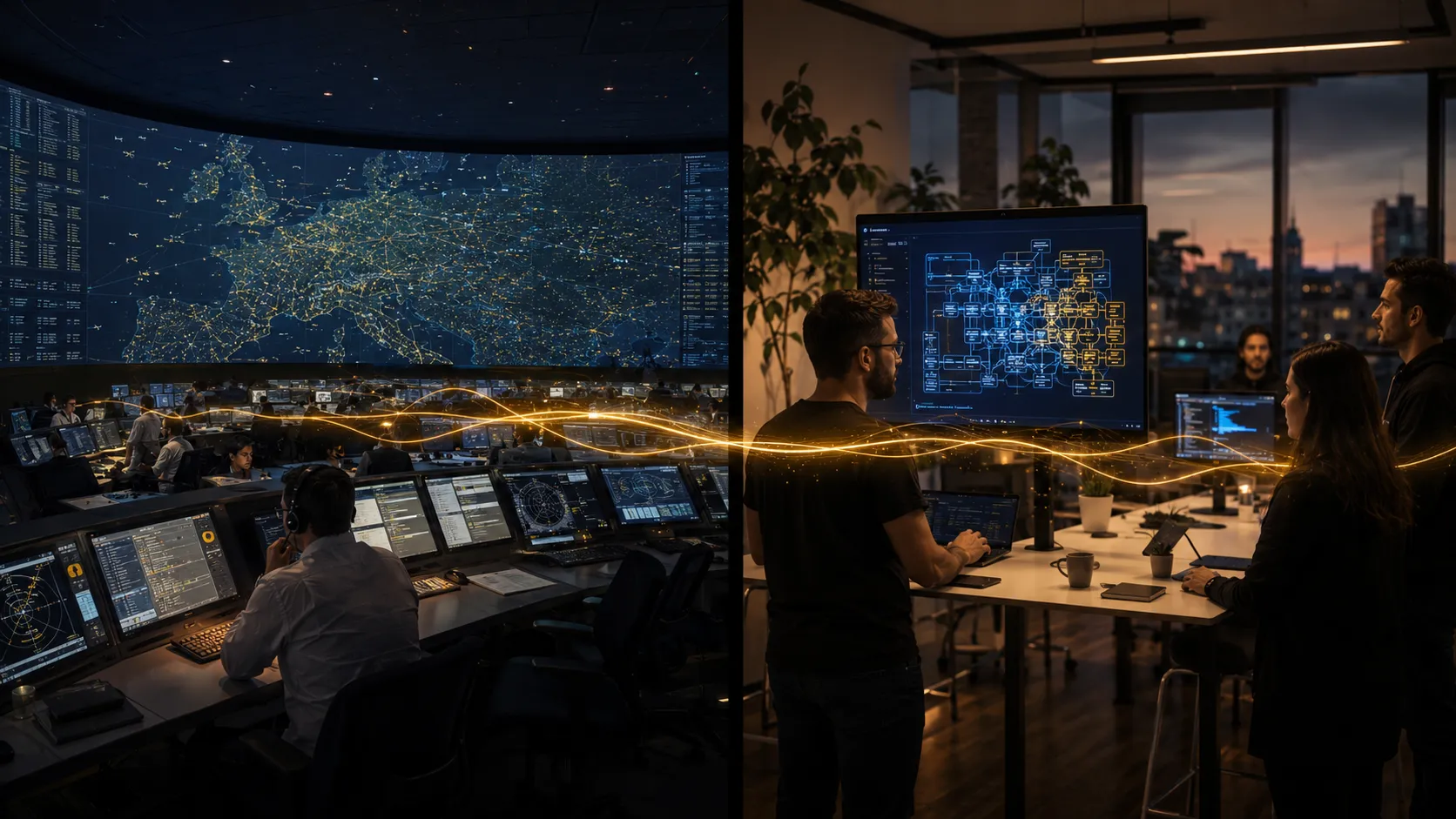
In a modest office in Romania's capital, a team of engineers has spent the past year doing something that the global aviation industry has spent decades trying to avoid: they rewrote the software that coordinates air traffic across an entire continent. Not a prototype. Not a simulation. The actual production software that underpins aviation systems used in airports and air traffic control operations across Europe, contributing to successful journeys for tens of millions of airline passengers every year.

22 May 2026
The Payment Rail That Ate India Just Swallowed Greece: How UPI's Silent Global Takeover Is Redrawing the Map of Money
Future Tech

The Payment Rail That Ate India Just Swallowed Greece: How UPI's Silent Global Takeover Is Redrawing the Map of Money

On a quiet Wednesday morning in Athens, a Greek software engineer named Dimitris opened his Eurobank app and sent €200 to his freelance contractor in Bengaluru. The money left his account in euros, converted to rupees at a rate that was near-interbank, and landed in the contractor's Indian bank account approximately twelve seconds later. The fee was 0.07 percent. Dimitris did not need to enter a SWIFT code, an IBAN number, or any of the arcane alphanumeric identifiers that have made cross-border payments a multi-day ordeal for half a century. He typed a UPI ID—a virtual payment address that looks like an email address—and pressed send.

22 May 2026
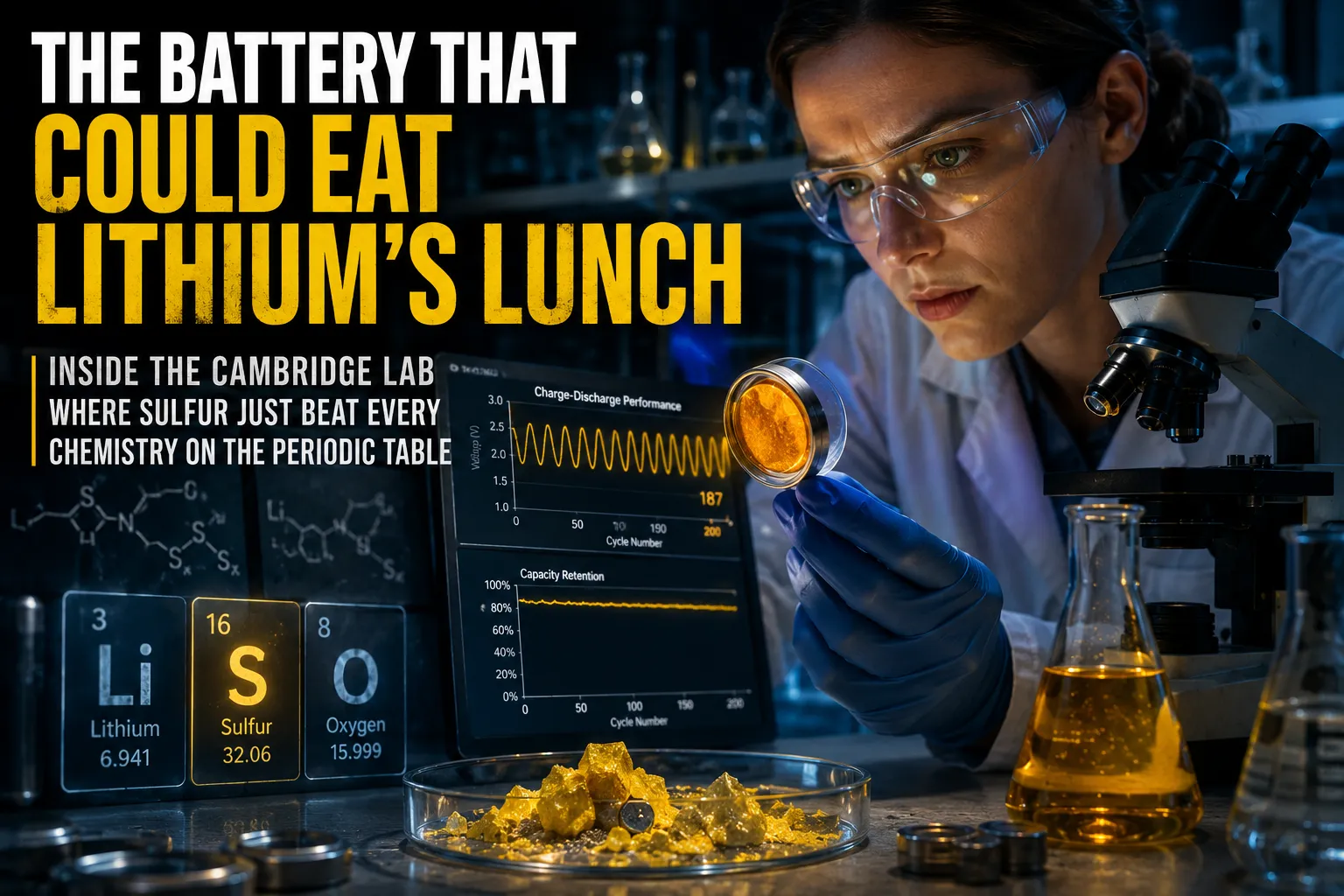
The Battery That Could Eat Lithium's Lunch: Inside the Cambridge Lab Where Sulfur Just Beat Every Chemistry on the Periodic Table
Future Tech

The Battery That Could Eat Lithium's Lunch: Inside the Cambridge Lab Where Sulfur Just Beat Every Chemistry on the Periodic Table

The quest for a better battery has consumed more capital, more scientific talent, and more failed promises than almost any other technology in the modern era. Solid-state lithium-metal batteries. Lithium-air batteries. Sodium-ion batteries. Graphene supercapacitors. Flow batteries. Each has arrived with breathless claims and departed with quiet disappointment, unable to match the relentless, incremental improvement of the lithium-ion cells that power everything from smartphones to electric vehicles to the grid storage facilities that are beginning to replace natural gas peaker plants.

21 May 2026
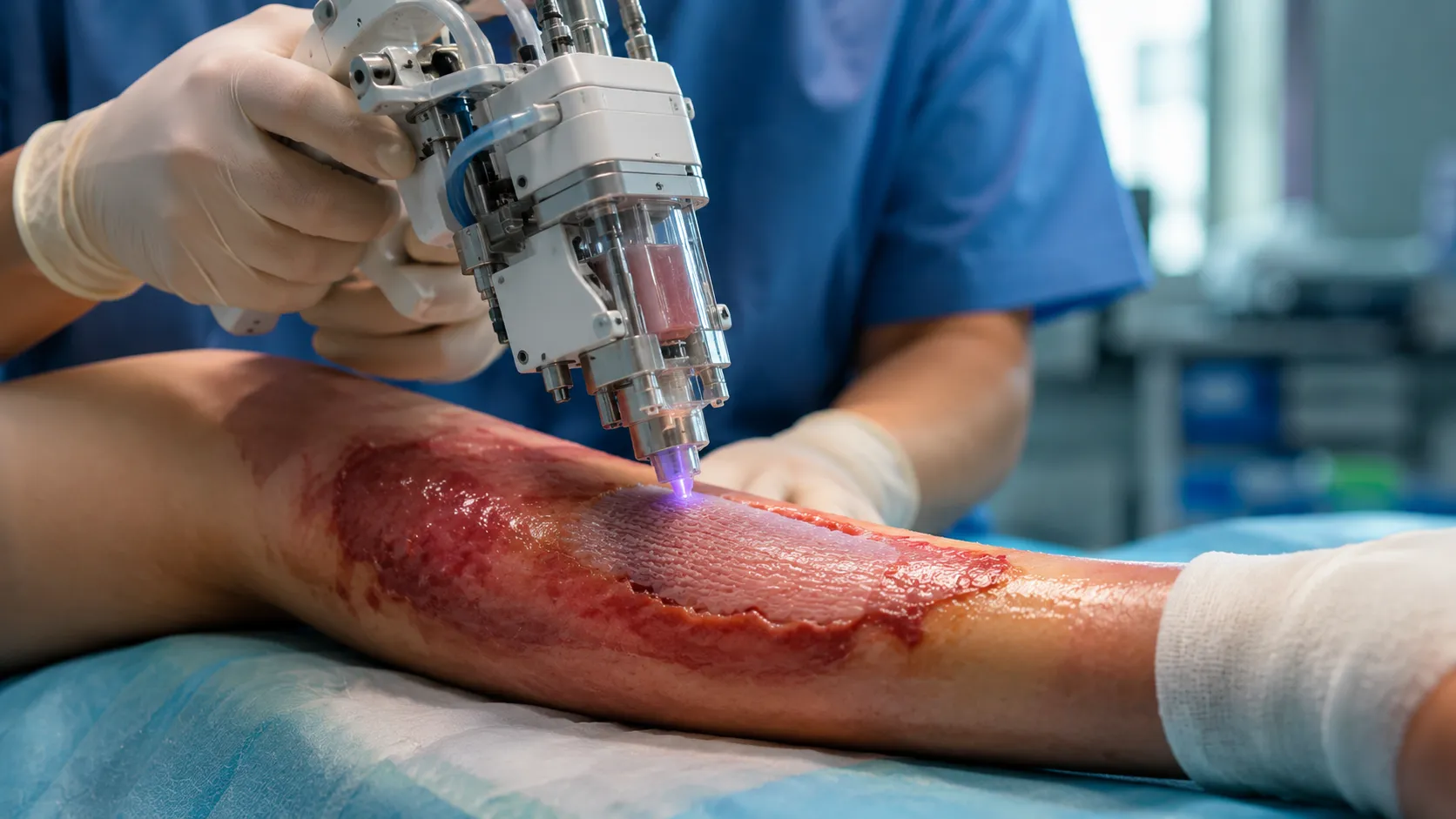
The Handheld Device That Paints New Skin: How a 2-Kilogram Bioprinter Could Make Burn Centers Obsolete
Future Tech

The Handheld Device That Paints New Skin: How a 2-Kilogram Bioprinter Could Make Burn Centers Obsolete

On the third floor of the Stanford University School of Medicine, a team of bioengineers has built a machine that sounds like science fiction and looks like a hot glue gun. It weighs less than 2 kilograms. It fits in a paramedic's backpack. It uses living human cells—fibroblasts, keratinocytes, the building blocks of skin—as its ink. And it prints new skin directly onto wounds, layer by layer, without grafts, without donors, without the painful, scarring, months-long process that has been the standard of care for severe burns and deep wounds since the invention of the skin graft in the 19th century.

21 May 2026
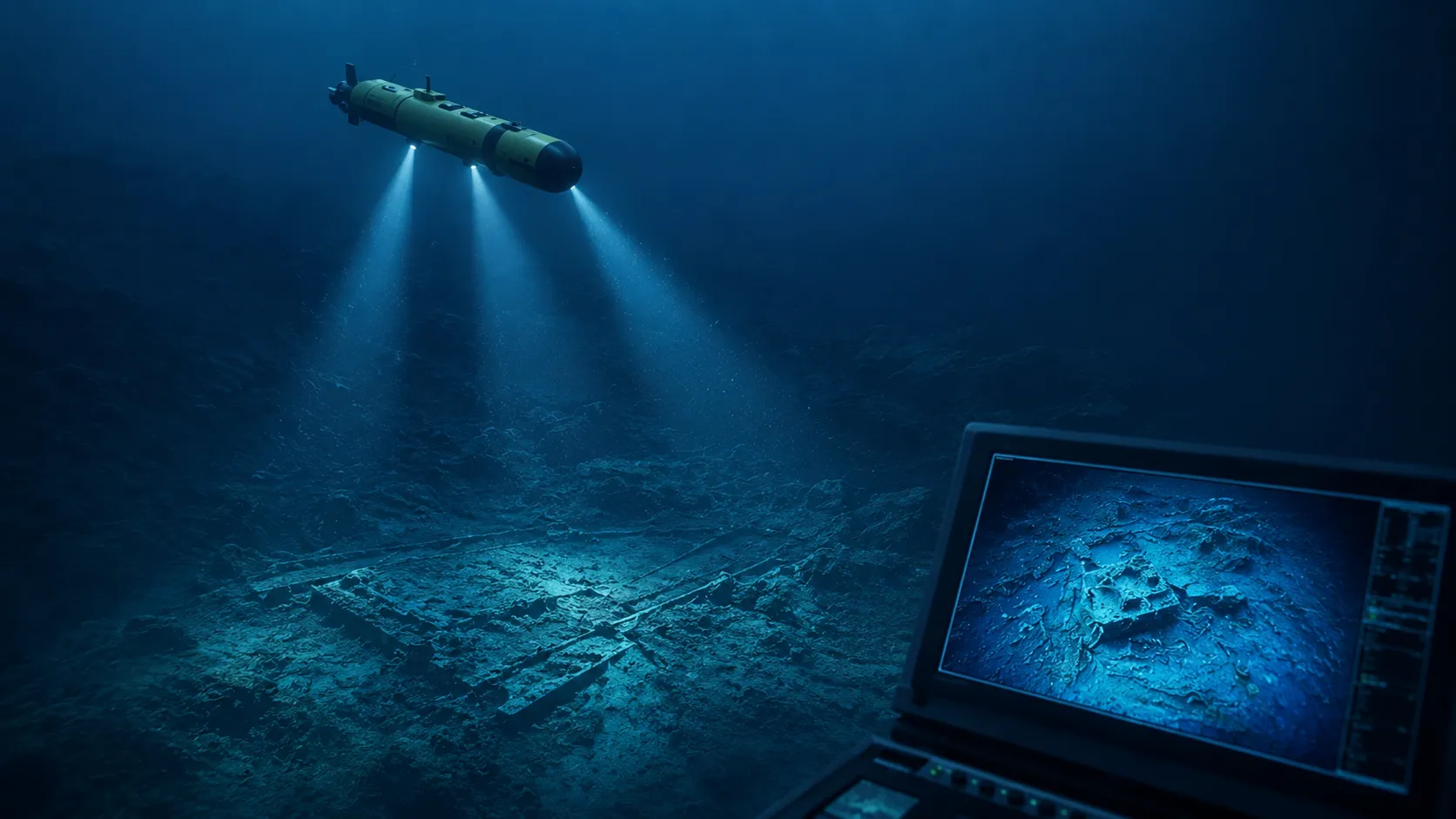
The Drone That Found MH370? How a New Seabed Scanning Technology Mapped 28% of the Missing Search Zone in 6 Days
Future Tech

The Drone That Found MH370? How a New Seabed Scanning Technology Mapped 28% of the Missing Search Zone in 6 Days

On March 8, 2014, Malaysia Airlines Flight 370 departed Kuala Lumpur International Airport bound for Beijing with 239 people aboard. Thirty-eight minutes into the flight, the aircraft's transponder went silent. Military radar tracked it deviating westward across the Malay Peninsula, then north up the Strait of Malacca, before it disappeared entirely. In the twelve years since, the search for MH370 has become the most expensive and most frustrating aviation investigation in history. It has covered more than 120,000 square kilometers of the southern Indian Ocean. It has cost hundreds of millions of dollars. It has found fragments of wreckage washed ashore on the coasts of Africa and islands in the Indian Ocean, confirming that the aircraft crashed into the sea. But the main wreckage—the fuselage, the black boxes, the answers that the families of the 239 have been waiting for—has never been found.

21 May 2026
The Wave Machine That Wouldn't Die: How a Dutch Engineer Built an Energy Device That Survived a Hurricane—and Could Power 10 Million Homes
Future Tech

The Wave Machine That Wouldn't Die: How a Dutch Engineer Built an Energy Device That Survived a Hurricane—and Could Power 10 Million Homes

For more than a century, engineers have looked at the ocean and seen the same thing: an impossibly powerful, endlessly renewable source of energy, waiting to be harnessed. The math is seductive. The theoretical potential of wave energy is estimated at 29,500 terawatt-hours per year—roughly double the total global electricity consumption. The waves never stop. They are predictable days in advance. They are dense with energy, carrying a thousand times more kinetic power than wind over the same area. And yet, for decade after decade, wave energy has been the graveyard of engineering ambition, littered with the wreckage of prototypes that worked beautifully in computer simulations and failed catastrophically the moment they hit real water.

21 May 2026