Trending
India's Smartphone Shipments Plunge 26% in Third Quarter, the Worst Showing Since 2016, as Memory Costs Push Prices UpIndia's IT Infrastructure Spending Could Approach ₹15 Lakh Crore as AI and Data Centres Dominate New InvestmentZerodha Opens the Door to Wall Street, Letting Indians Buy 2,000 US Stocks and 1,000 ETFs From $1Jim Keller's Tenstorrent Raises $1.5 Billion at a $6.2 Billion Valuation to Challenge Nvidia With Open RISC-V ChipsAmazon Launches TorchNeuron, Free Software That Lets AI Developers Switch to Its Chips With One Change, to Loosen Nvidia's GripTradeweb to Buy Bond Trading Platform Trumid for $1.97 Billion as Electronic Credit Markets ConsolidateIndia's Smartphone Shipments Plunge 26% in Third Quarter, the Worst Showing Since 2016, as Memory Costs Push Prices UpIndia's IT Infrastructure Spending Could Approach ₹15 Lakh Crore as AI and Data Centres Dominate New InvestmentZerodha Opens the Door to Wall Street, Letting Indians Buy 2,000 US Stocks and 1,000 ETFs From $1Jim Keller's Tenstorrent Raises $1.5 Billion at a $6.2 Billion Valuation to Challenge Nvidia With Open RISC-V ChipsAmazon Launches TorchNeuron, Free Software That Lets AI Developers Switch to Its Chips With One Change, to Loosen Nvidia's GripTradeweb to Buy Bond Trading Platform Trumid for $1.97 Billion as Electronic Credit Markets Consolidate
The Superconductor That Won't Die: Inside the Room-Temperature Claim That Could Change Civilization—If Anyone Can Replicate It
new

The Superconductor That Won't Die: Inside the Room-Temperature Claim That Could Change Civilization—If Anyone Can Replicate It

Future Tech

The Superconductor That Won't Die: Inside the Room-Temperature Claim That Could Change Civilization—If Anyone Can Replicate It

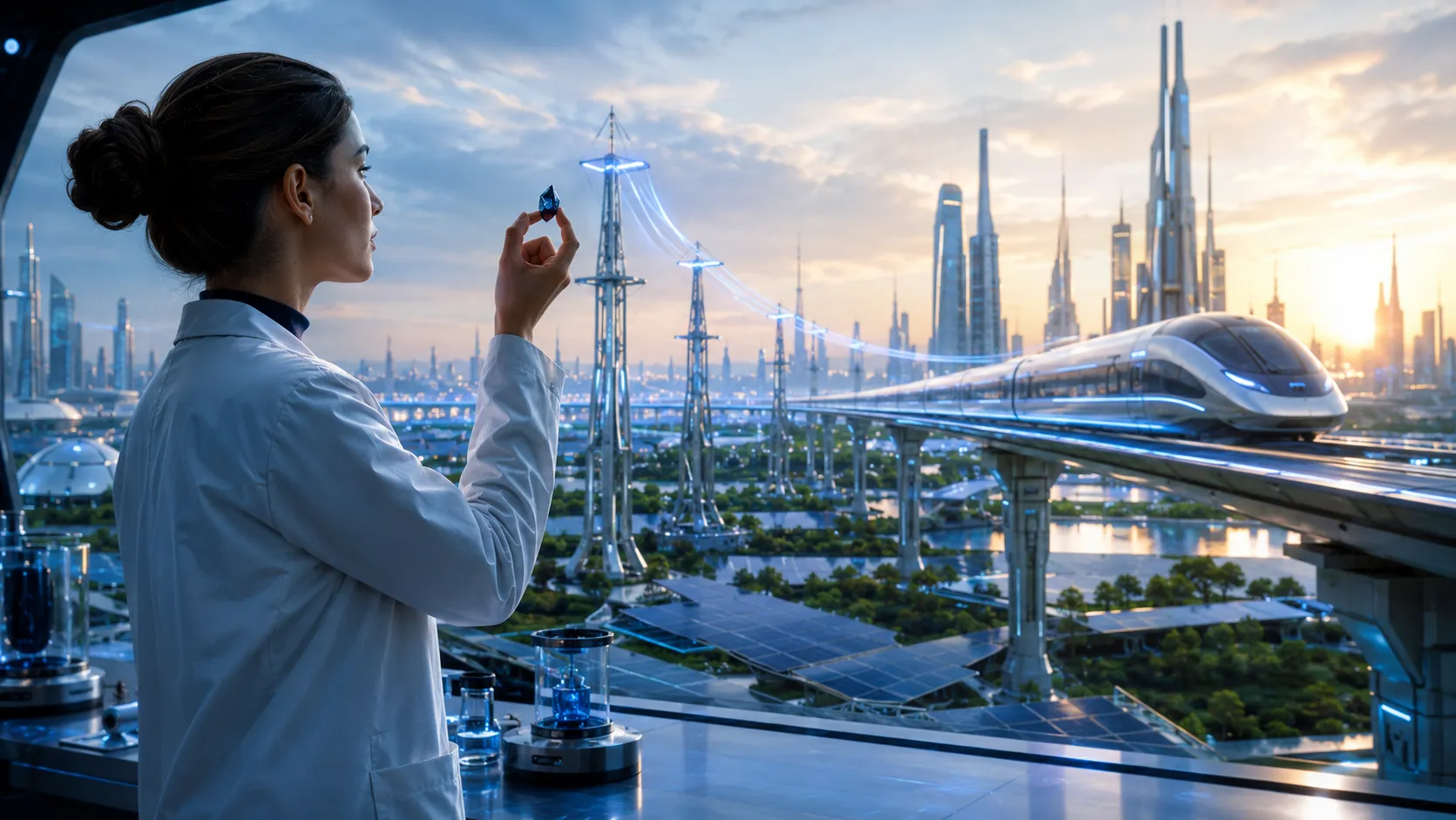
On the afternoon of May 12, 2026, a paper appeared in the journal Nature that sent a tremor through the global physics community. A team at the University of Houston, led by Professor Liangzi Deng, claimed to have achieved room-temperature superconductivity at 24 degrees Celsius—roughly the temperature of a comfortable living room—under moderate pressure in a nitrogen-doped lutetium hydride compound. The material, a blue-black crystal synthesized in a diamond anvil cell, carried electrical current with zero measurable resistance while expelling magnetic fields in the unmistakable signature of the Meissner effect. The data, at least in the paper, was clean. The resistivity dropped to zero at 294 Kelvin. The magnetic susceptibility showed a sharp diamagnetic transition. The graphs looked like textbook examples of superconductivity, except for one detail that made them extraordinary: they were recorded at room temperature

Revathy Pandian

Author

The Chronological Feed

Sorted by: Latest
The Bacteria That Build Buildings: How a Concrete Pill That Heals Cracks Could Double the Life of Every Bridge in America
Future Tech

The Bacteria That Build Buildings: How a Concrete Pill That Heals Cracks Could Double the Life of Every Bridge in America

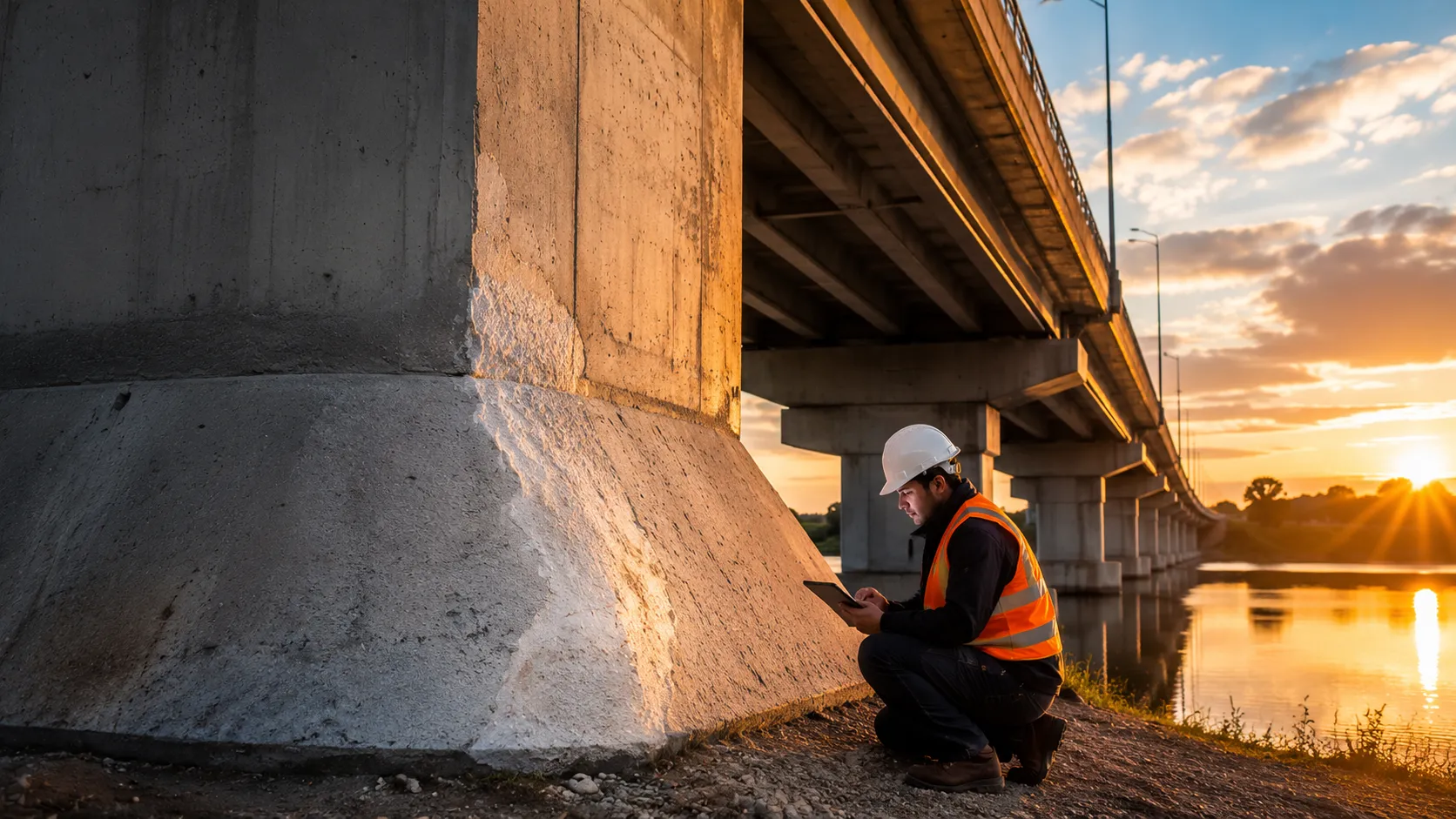
On a test platform at MIT's Civil and Environmental Engineering laboratory, a block of concrete has been sitting under a drip-feed of salt water for eight months. The block is cracked—intentionally, with a hydraulic press that opened a fissure half a millimeter wide and three centimeters deep. In ordinary concrete, that crack would be a death sentence. Water would seep in, reach the steel reinforcement bars inside, and begin the slow, inexorable process of rust that causes concrete to spall, crumble, and eventually fail. The bridge would need repair. The building would need reinforcement. The bill would arrive, eventually, in the millions.

21 May 2026
The Algorithm That Humiliated 12 Master Sommeliers: How AI Learned to Taste Wine—and What It Means for the Future of Food
Future Tech

The Algorithm That Humiliated 12 Master Sommeliers: How AI Learned to Taste Wine—and What It Means for the Future of Food

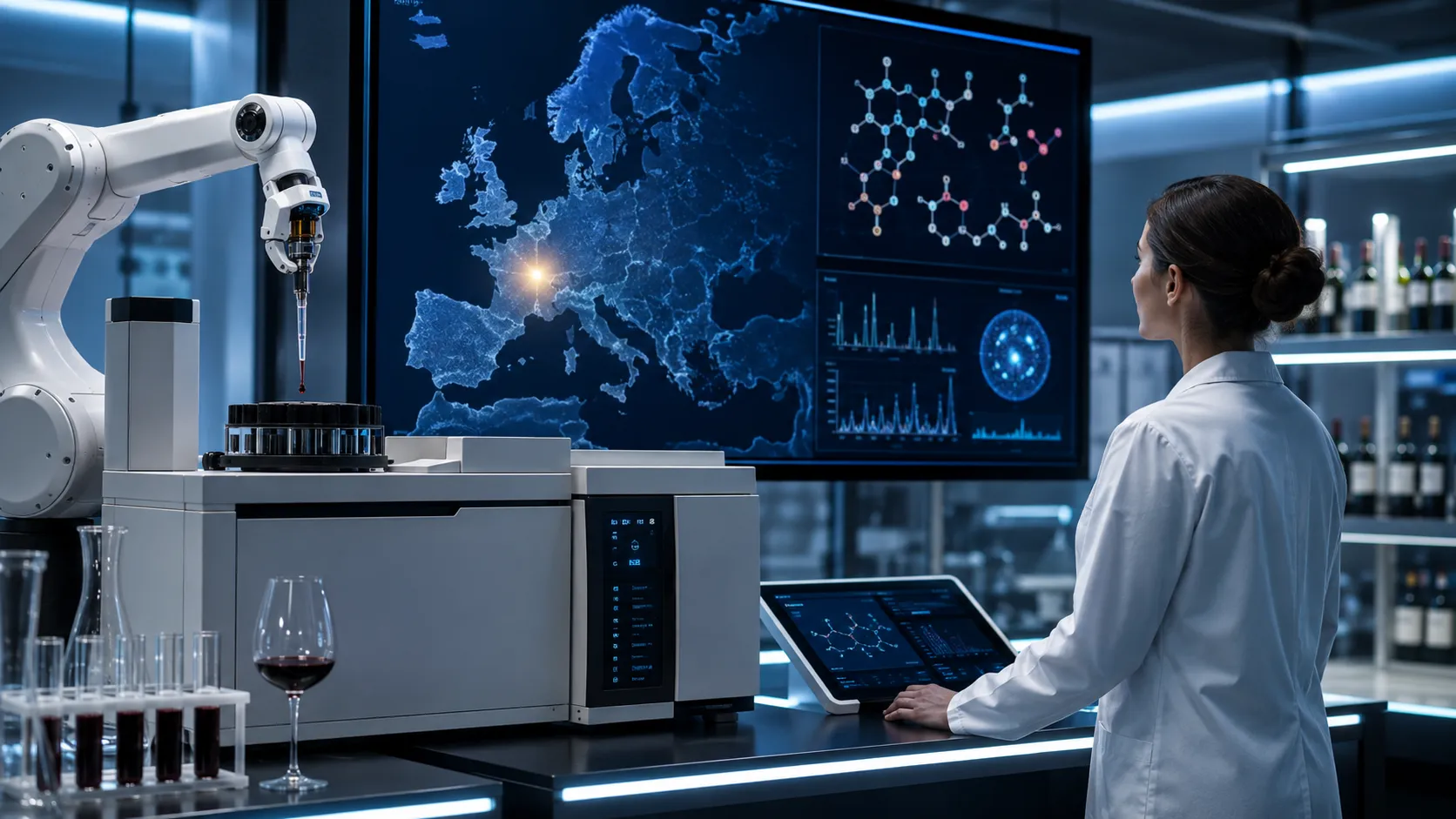
In a conference room at ETH Zurich, twelve of Europe's most accomplished wine experts sat at a long table, glasses arrayed before them, tasting notes at the ready. They were master sommeliers, wine critics, and seasoned winemakers—people who had spent decades training their palates to detect the faintest traces of oak, the subtlest hints of blackcurrant, the almost imperceptible whisper of graphite that distinguishes a Pauillac from a Pomerol. They were the best in the world at what they did. And on this particular afternoon, they lost.

21 May 2026
The Atomic Engine That Never Stops: Inside China's 10-Newton Thruster That Could Cut the Mars Trip in Half
Future Tech

The Atomic Engine That Never Stops: Inside China's 10-Newton Thruster That Could Cut the Mars Trip in Half

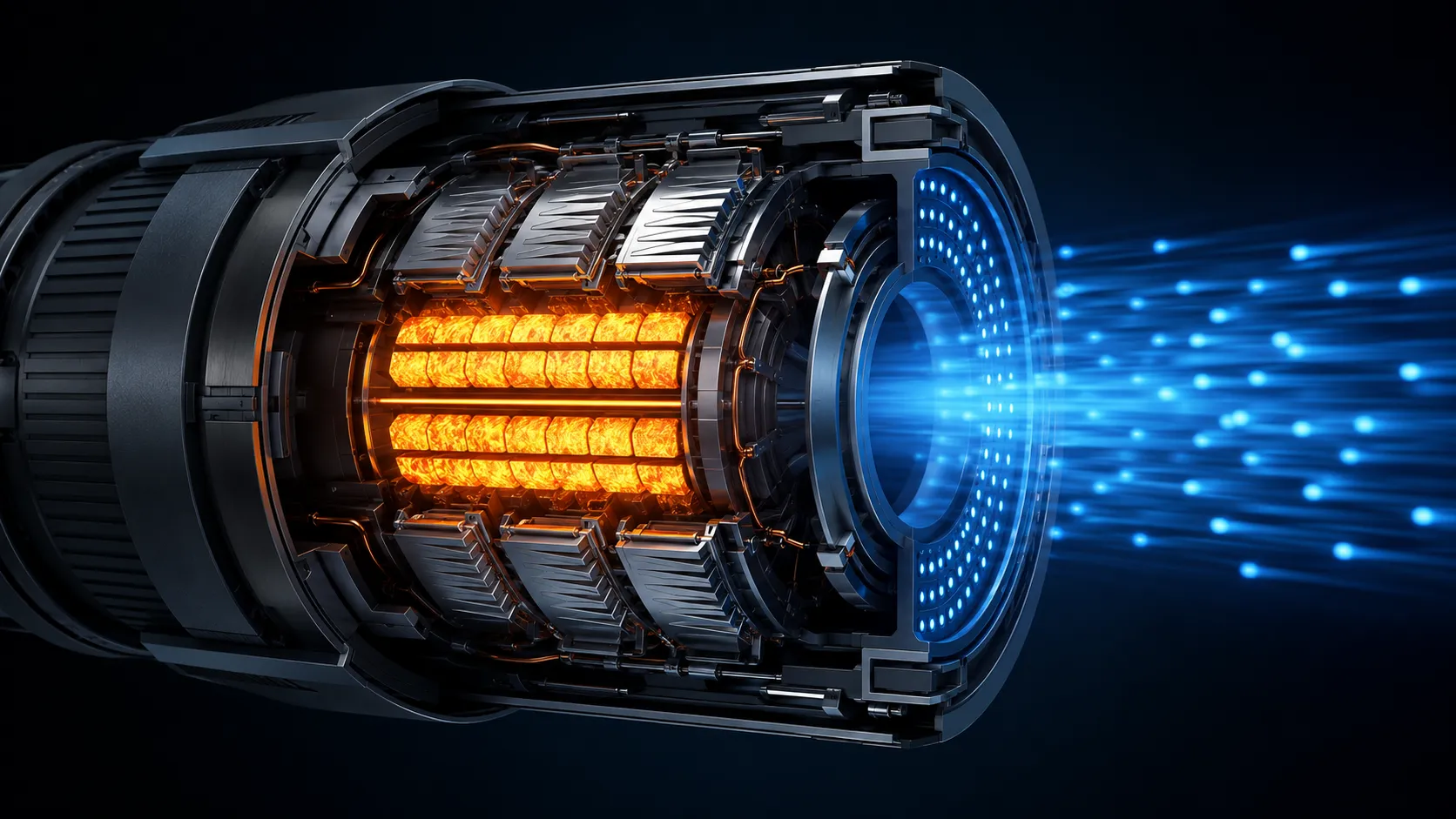
In the vacuum of space, a small metal cylinder has been firing continuously for eleven months. It produces no flame, no roar, no dramatic plume of exhaust. It emits a faint blue glow—the Cherenkov radiation of particles moving faster than light through water—and it pushes forward with a force equivalent to the weight of a single apple resting on a table. Ten newtons. That is the thrust. That is the entire thrust.

21 May 2026
The Flower That Glows in the Dark: How a $29.99 Petunia Is Rewriting the Future of Light—and the Rules of Genetic Engineering
Future Tech

The Flower That Glows in the Dark: How a $29.99 Petunia Is Rewriting the Future of Light—and the Rules of Genetic Engineering

On a quiet suburban street in central Nebraska, Sarah Kleiner walks out of her front door at 10 p.m. and looks at her garden. There, among the petunias, something impossible is happening. The flowers are glowing. Not metaphorically, not in the way that poets describe flowers under moonlight, but literally, physically, emitting a soft green-white light from their petals and stems, visible to the naked eye, requiring no electricity, no UV lamp, no special conditions. Just a plant, doing what no plant on Earth has ever done in four billion years of evolution.

21 May 2026
The ₹67 Crore Bet That India Can Design Its Own Appliances—Not Just Assemble Them
Future Tech

The ₹67 Crore Bet That India Can Design Its Own Appliances—Not Just Assemble Them

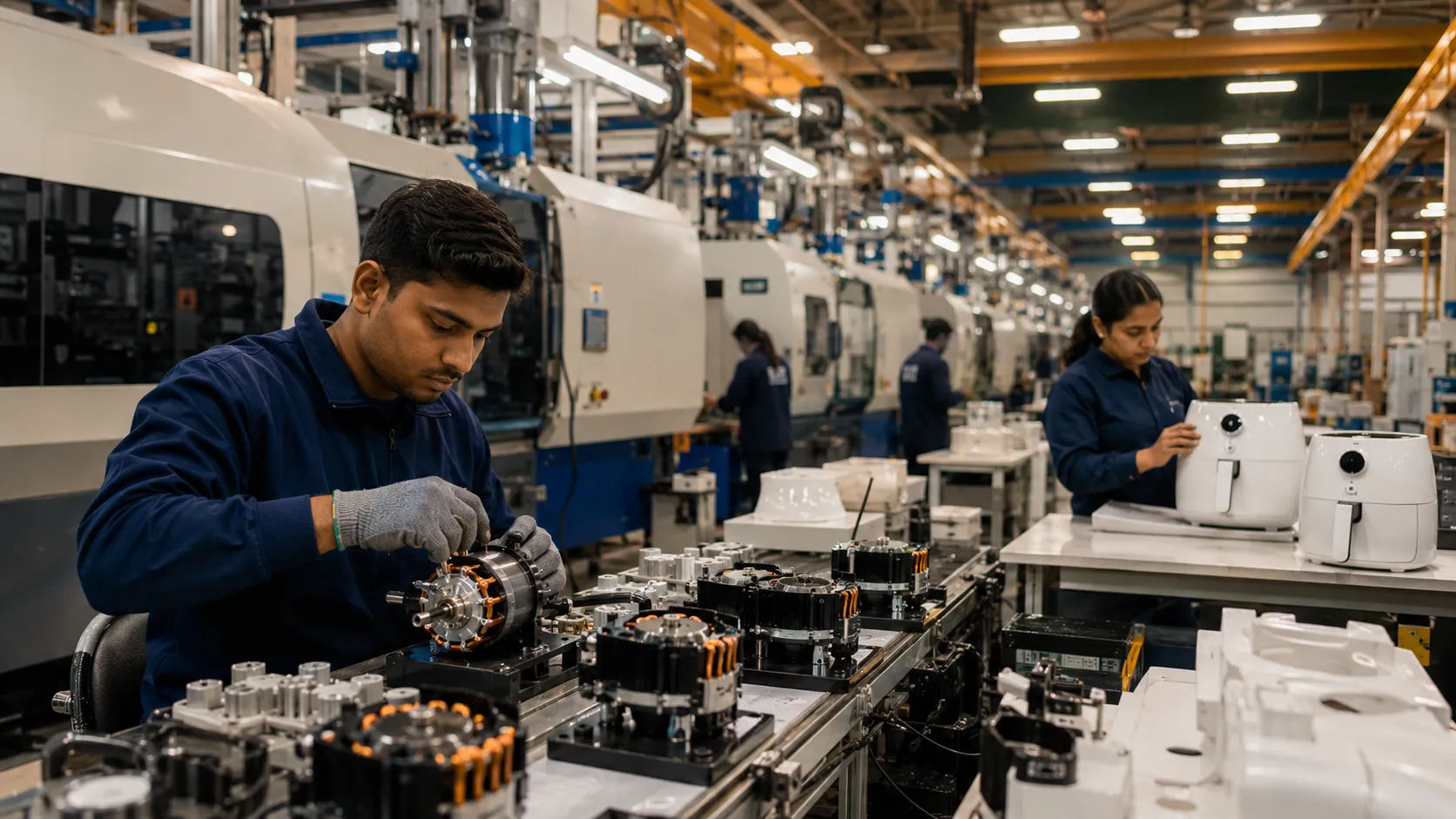
For decades, the Indian consumer electronics industry has operated on a simple, humbling premise: design overseas, assemble in India. The air fryer in your kitchen, the juicer on your counter, the car vacuum in your trunk—the outer shell may carry an Indian brand, but the motors, the precision gears, the heating elements, and the load cells that make it work were almost certainly designed and manufactured somewhere else. India's ₹40,000-crore small-appliance market runs largely on imported components, and the companies that sell to Indian consumers have accepted this as the cost of doing business.

20 May 2026
The Microwave Plasma Maverick: How a Belagavi Martial Artist Is Turning Natural Gas Into Clean Hydrogen and Nanocarbon—at the Same Time
Future Tech

The Microwave Plasma Maverick: How a Belagavi Martial Artist Is Turning Natural Gas Into Clean Hydrogen and Nanocarbon—at the Same Time

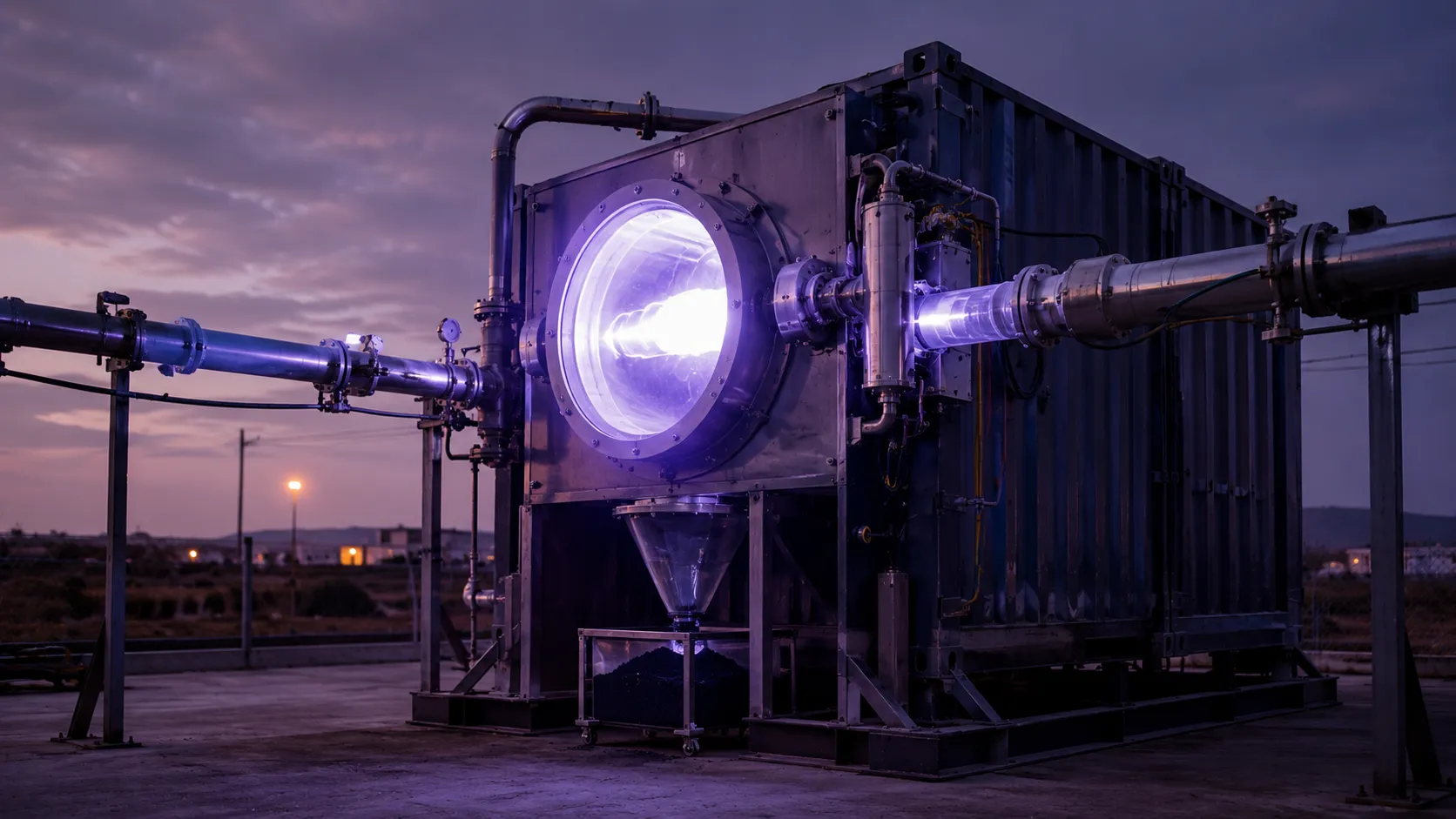
Prakash Mugali did not build his first microwave plasma reactor in a pristine cleanroom or a university laboratory. He built it on the outskirts of Belagavi, a tier-2 city in northern Karnataka, surrounded by foundries, hydraulic shops, and the quiet hum of small-scale manufacturing that most venture capitalists never see. He is a scientist, an engineer, a third-degree black belt in Bruce Lee's martial arts discipline, and—as of this summer—the founder of a company that may have solved one of the hardest dual-output problems in clean energy.

20 May 2026
The $65,000 Cancer Cure: Inside the Indian Lab That Is Taking on a Half‑Million‑Dollar Industry — and Winning
Future Tech

The $65,000 Cancer Cure: Inside the Indian Lab That Is Taking on a Half‑Million‑Dollar Industry — and Winning

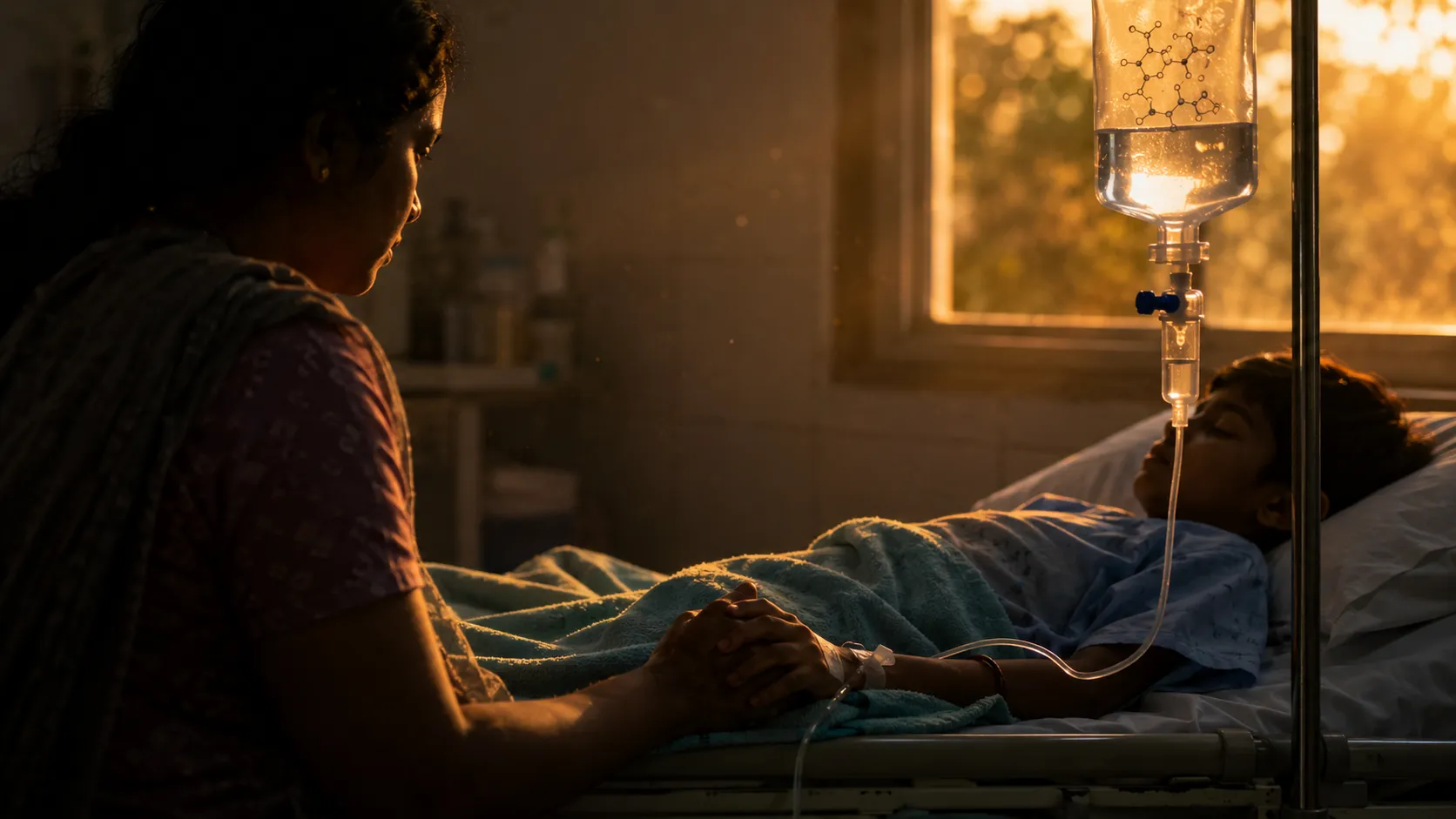
On a Tuesday morning in March, a child in Vellore who had exhausted every option became the first patient in India to receive a CAR‑T therapy designed in a Delhi laboratory. The treatment took less than an hour. The child went home. The cost of the infusion — the cells, the engineering, the quality control, the cold‑chain logistics — was roughly one‑eighth of what the same therapy would have cost at a major American cancer center.

20 May 2026
The Photon Breakthrough: How Caltech Taught Silicon to Behave Like Fiber Optic Cable — and What It Means for Everything from AI to Quantum Computing
Future Tech

The Photon Breakthrough: How Caltech Taught Silicon to Behave Like Fiber Optic Cable — and What It Means for Everything from AI to Quantum Computing

In a cramped basement laboratory at the California Institute of Technology, a slab of silicon sits on an optical table, no larger than a fingernail. A beam of red light, no thicker than a human hair, enters one end of a microscopic channel carved onto its surface. It snakes through a maze of bends and splitters, bounces off a series of precisely angled mirrors, and exits the other side — not as a dimmed, scattered whisper of its former self, but nearly as bright and coherent as when it began. The loss, measured in decibels per meter, is so low that it flirts with the physical limits set by the material itself.

20 May 2026