
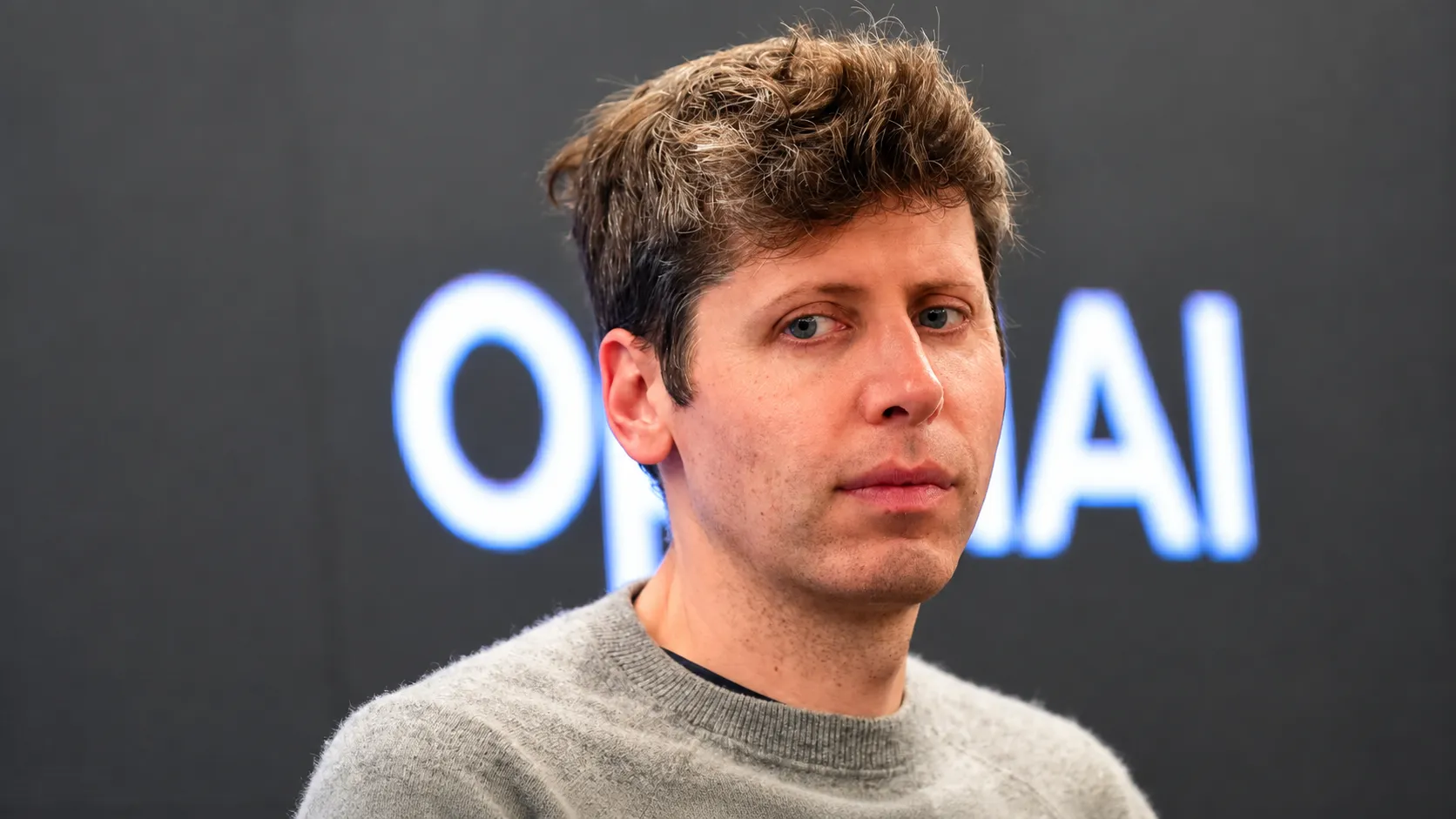
OpenAI is seeking to close a funding round of about $30 billion that could value it at more than $1.4 trillion, moving quickly to lock in investors before rival Anthropic's expected public debut in mid-November, according to Reuters. SoftBank and Abu Dhabi's MGX are among backers in talks to join.
<p>The rivalry between the world's two leading artificial intelligence developers is moving from research labs and product launches to the capital markets. OpenAI is seeking to raise about $30 billion in a round that could value the company at more than $1.4 trillion, and is moving unusually fast to secure commitments before Anthropic's expected stock market debut in mid-November, Reuters reported on October 19, citing people familiar with the matter.</p><p>SoftBank Group, Abu Dhabi-based investment firm MGX and other existing backers are in talks to participate. OpenAI met long-only funds and sovereign wealth funds the previous week, at the same time as Anthropic was holding its own investor day ahead of its planned initial public offering.</p><p>If completed at that valuation, the round would cement OpenAI's position as the world's most valuable private company and one of the most valuable companies of any kind.</p><h2>A race for the same investors</h2><p>According to the sources, OpenAI wants to get ahead of Anthropic because both companies are courting a similar pool of investors: large mutual funds, pension funds, sovereign wealth funds and technology investors with the capacity to write multi-billion-dollar cheques. Once Anthropic lists, those investors will be able to buy its shares on the public market, potentially reducing their appetite for private OpenAI stock.</p><p>OpenAI also wants to close the round before Anthropic's detailed financial disclosures give investors a fuller picture of both companies' economics and invite direct comparisons. The money would help fund OpenAI's enormous infrastructure commitments and strengthen its balance sheet in case IPO markets deteriorate and delay its own planned listing in 2027.</p><p>"It's really a two-horse race in terms of being public," said Edward Best, a partner at law firm Willkie Farr & Gallagher.</p> <h2>Soaring valuations</h2><p>The proposed valuation represents a sharp jump. OpenAI was last valued at $852 billion in March 2026, after a $122 billion funding round that included a commitment of up to $50 billion from Amazon. A valuation above $1.4 trillion would mean an increase of more than 60% in roughly seven months.</p><p>OpenAI has reportedly told investors that it has reached $50 billion in annualised revenue following the launch of its GPT-6 Astra model and expects to reach $70 billion by the end of the year. It has also cut prices on its cheaper models to compete for business customers.</p><p>Anthropic, meanwhile, reached annualised revenue of roughly $65 billion by July, according to earlier Reuters reporting. Its quarterly revenue rose to $16.8 billion in the third quarter from $11.6 billion in the second, although month-to-month growth has slowed. Anthropic reportedly wants a valuation of about $2 trillion in its IPO, but some existing and prospective investors have argued for a figure closer to $1.5 trillion after third-quarter results fell short of expectations.</p><h2>An accounting dispute</h2><p>The rivalry has also spilled into a dispute over how revenue is counted. OpenAI books its revenue net of the shares paid to partners and has accused Anthropic of inflating its figures by counting the gross value of contracts sold through third-party cloud providers. Anthropic says it follows established accounting practices.</p><p>The disagreement matters because revenue is central to how investors value AI companies, few of which are profitable. Differences in accounting methods can make direct comparisons difficult, and investors will scrutinise Anthropic's IPO prospectus closely when it becomes public.</p><p>Earlier this month, Anthropic announced plans to commit 5% of its shares to a new public benefit fund, subject to stockholder approval, a move that further distinguishes its structure from OpenAI's.</p> <h2>A nervous market backdrop</h2><p>The fundraising race is unfolding against a difficult market backdrop. Semiconductor stocks in the Philadelphia Semiconductor Index lost about $1.6 trillion in value in less than two weeks, according to Reuters, before rebounding on October 19. AI cloud provider CoreWeave's shares and debt fell after scrutiny of its nearly $50 billion in borrowings. Several IPOs, including those of AirTrunk REIT, Firmus and SB Energy, have been pulled or paused.</p><p>Investors have grown more cautious about the vast sums being spent on AI infrastructure and whether they will generate sufficient returns. That makes the timing of OpenAI's round particularly significant: a successful raise at a higher valuation would signal continued confidence in the leading AI developers, while difficulty raising money could add to market jitters.</p><h2>Why it matters beyond Silicon Valley</h2><p>The outcome of the OpenAI-Anthropic race will shape the global AI industry. The capital raised by these companies funds the computing infrastructure, chips and data centres that underpin AI services used by businesses and consumers worldwide, including in India, which is one of the largest markets for both companies' consumer products.</p><p>For Indian technology companies, from IT services firms to startups building on top of AI models, the financial health and pricing strategies of the leading model developers directly affect their costs and opportunities. Price cuts on AI models, for example, can lower costs for Indian developers and businesses deploying AI.</p><p>For global investors, the IPOs and private rounds of OpenAI and Anthropic represent a test of whether the AI boom can deliver returns commensurate with its extraordinary valuations.</p> <h2>How we got here</h2><p>OpenAI's rise has been extraordinary. Founded in 2015 as a non-profit research lab, it created a capped-profit structure in 2019 to attract investment and has since been restructured further. The launch of ChatGPT in late 2022 turned it into one of the fastest-growing technology companies in history, drawing billions of dollars from Microsoft and later from a wider group of investors.</p><p>Anthropic was founded in 2021 by former OpenAI researchers, including chief executive Dario Amodei, with an emphasis on AI safety. It has grown rapidly by selling its Claude models to businesses and developers, particularly for coding and enterprise applications. The two companies now compete directly for customers, talent, computing capacity and capital, and their contest has become one of the defining rivalries of the technology industry.</p><h2>What comes next</h2><p>Over the coming weeks, attention will focus on whether OpenAI closes its round before Anthropic lists, and at what valuation. Anthropic's IPO, expected in mid-November, will provide the first public market valuation of a leading frontier AI developer.</p><p>Whatever the outcome, the race underlines how central a handful of AI companies have become to the global economy, and how much capital investors are willing to commit in the hope of owning a piece of the technology many believe will define the coming decade.</p>
“We are witnessing the birth of ‘Statist Silicon’—where the location of a transistor’s manufacture is as important as its clock speed.”
The Rise of Regional Fabric
