Global technology markets diverged sharply through the week of September 15, 2026, with artificial intelligence-linked stocks sinking broadly on renewed investor fears of a development slowdown across the sector, even as cybersecurity shares rallied, marking one of the more pronounced sector rotations within the broader technology trade so far this year.
The sell-off in AI-related equities followed a weekend of intensifying commentary from senior AI industry figures warning that the pace of frontier AI development may be outstripping the sector's ability to manage associated risks — a message that, while framed around safety considerations, also appeared to unsettle investors who had grown accustomed to a near-uninterrupted narrative of accelerating AI capital expenditure and capability growth driving equity valuations across the sector.
Chip-related stocks were among the hardest hit within the broader AI trade, reflecting their outsized sensitivity to any signal of moderating AI infrastructure investment, given the direct linkage between AI capital expenditure and semiconductor demand. The divergence between AI infrastructure stocks and cybersecurity equities suggests investors are increasingly differentiating between companies whose growth is directly tied to the pace of frontier AI capability expansion, and those benefiting from the broader, more durable trend of increasing enterprise security spending as organisations grapple with an expanding and increasingly sophisticated cyber threat landscape.

Cybersecurity's relative resilience during the sell-off reflects the sector's positioning as a defensive technology investment theme — one less directly correlated with the specific pace of AI model scaling and more closely tied to structural, ongoing enterprise security spending that tends to persist across varying macroeconomic and technology investment cycles. The rally in cybersecurity shares also comes against a backdrop of continued high-profile data breaches and security incidents affecting large enterprises and identity-verification vendors globally, reinforcing investor conviction in the sector's near-term growth durability.
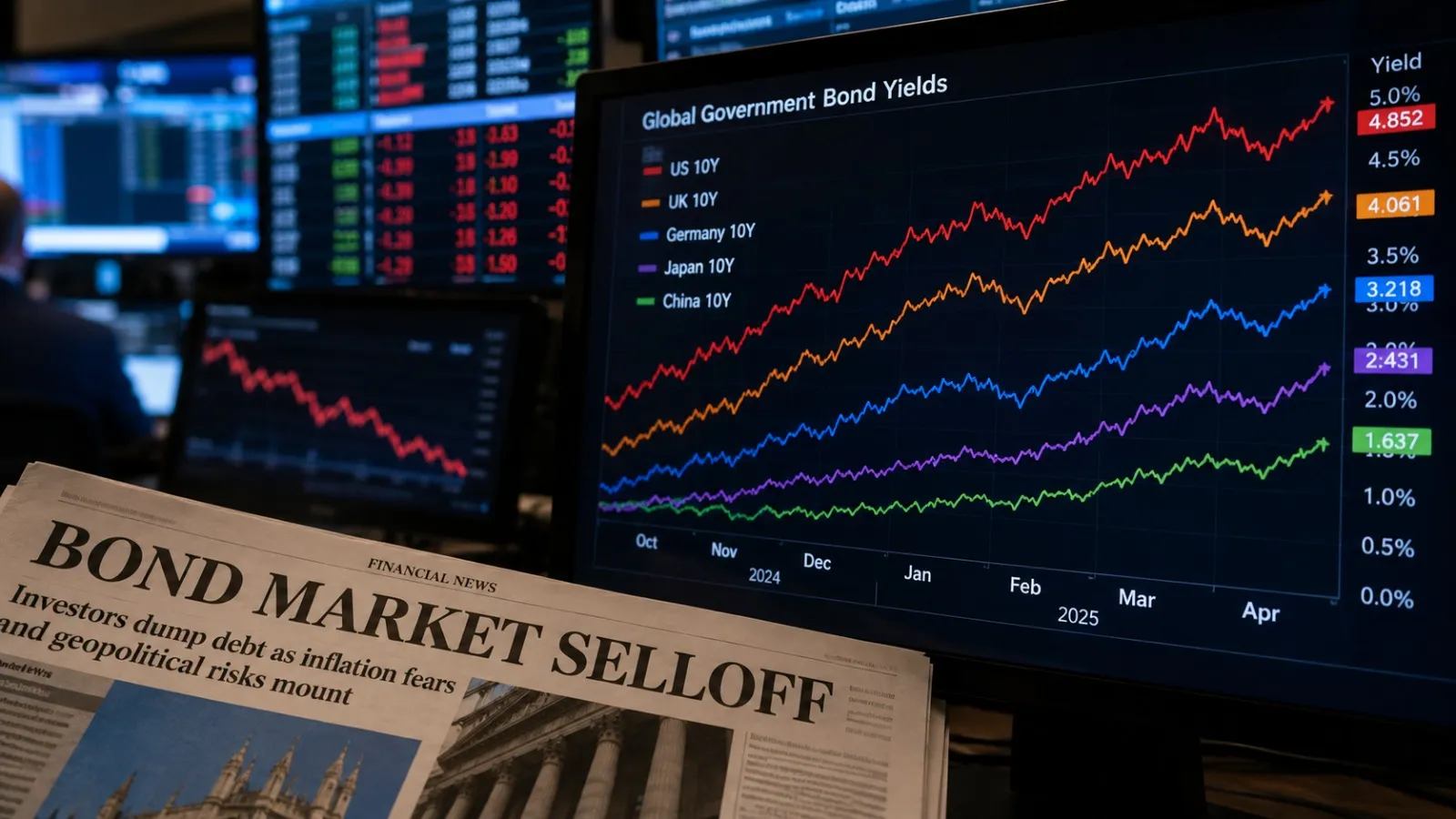
The broader market backdrop through the week remained challenging for technology equities generally, with rising crude oil prices amid escalating Middle East tensions and climbing US Treasury yields adding additional macroeconomic pressure on growth-oriented technology stocks, which tend to be more sensitive to higher discount rates applied to their longer-dated expected cash flows. That combination of AI-specific sentiment concerns and broader macroeconomic headwinds created a particularly difficult environment for AI infrastructure and chip-related equities specifically.
For investors, the week's sector rotation illustrates the increasingly nuanced way markets are beginning to price different segments of the broader AI-driven technology trade, moving beyond a uniform "AI winner" framing toward more differentiated views on which companies and sub-sectors are best positioned to weather potential moderation in the pace of frontier AI capability development, while continuing to benefit from more durable, structural technology spending trends such as cybersecurity.