Startups

Unicorns

The latest unicorns stories from the Startups desk.

India's AI Startups Cross a Historic $50 Billion in Global Funding — And This Is Only the Beginning
New
Startups5 MIN READ

India's AI Startups Cross a Historic $50 Billion in Global Funding — And This Is Only the Beginning

n a watershed moment for the nation's technology narrative, Indian AI startups have collectively attracted $50 billion in global investment — a milestone that cements India's position as the world's third-largest AI innovation hub.

Square Yards Just Became India's 131st Unicorn. The Real Story Is What It Built Before Asking for the Billion
Startups

Square Yards Just Became India's 131st Unicorn. The Real Story Is What It Built Before Asking for the Billion

Square Yards was founded in 2014. The last equity round before this one was in 2019. The company spent seven years building profitability, assembling a full real estate value chain platform, and growing revenue at a 51% four-year CAGR — before asking for its first billion. That discipline is the most important thing about this unicorn story. The ₹900 crore is the consequence. The decade of building is the cause.

The Day 100+ Companies Reported: Inside India's Biggest Single-Day Earnings Blitz of Q1 FY27
Startups

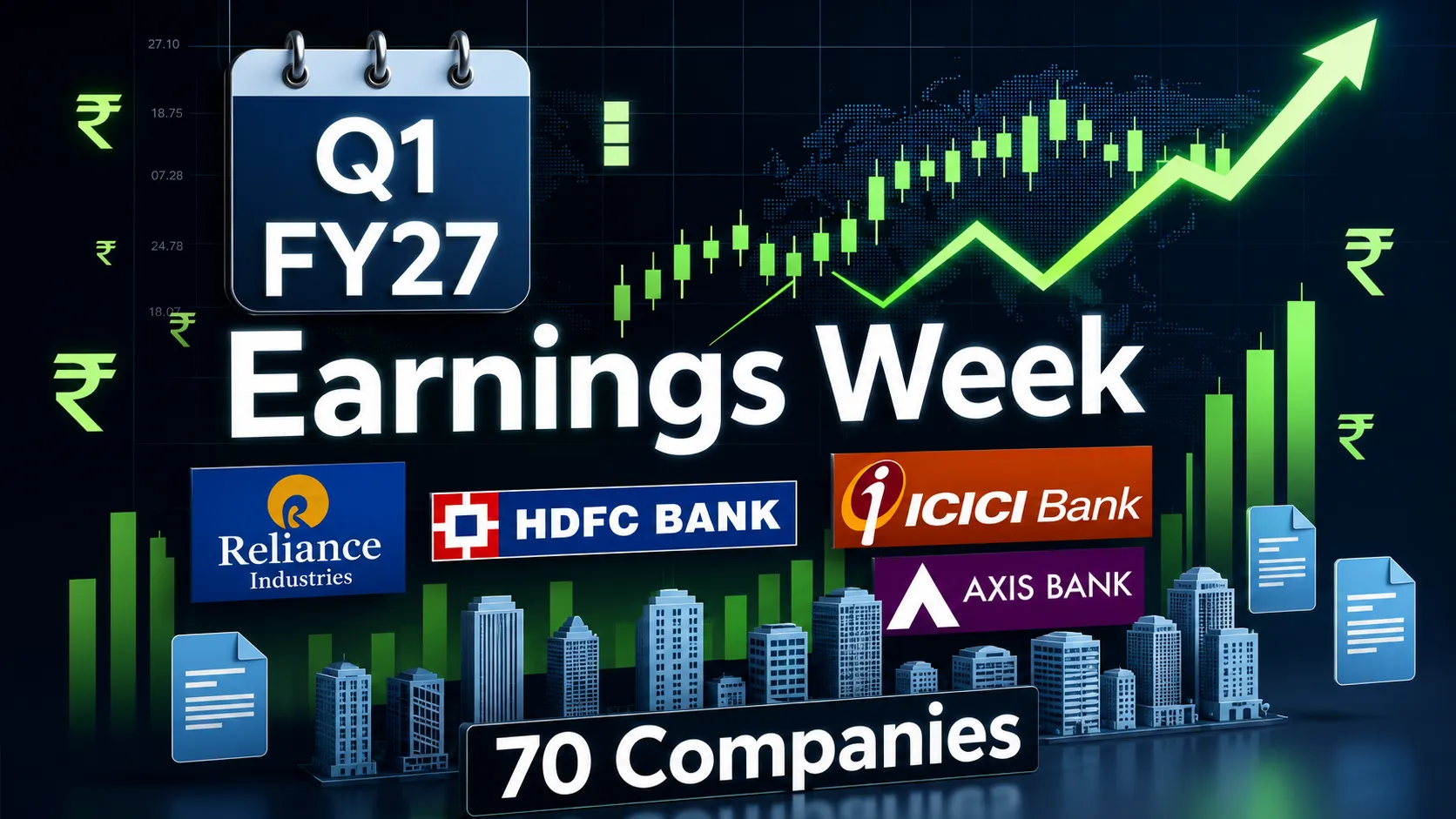
The Day 100+ Companies Reported: Inside India's Biggest Single-Day Earnings Blitz of Q1 FY27

From Adani Ports to Bajaj Finance to Mazagon Dock, July 30 saw one of the most crowded single-day corporate results calendars in recent memory — a look at how India's biggest names fared, and what the aggregate picture tells us about the health of India Inc

Mazagon Dock's Golden Quarter: Profit Jumps 22% as India's Defence Shipbuilding Boom Accelerates
Startups

Mazagon Dock's Golden Quarter: Profit Jumps 22% as India's Defence Shipbuilding Boom Accelerates

Fresh off a June-quarter net profit of ₹550 crore, India's premier state-owned shipbuilder is emerging as one of the standout beneficiaries of the country's ambitious naval modernisation and defence indigenisation push — and the numbers suggest the momentum is far from a one-off

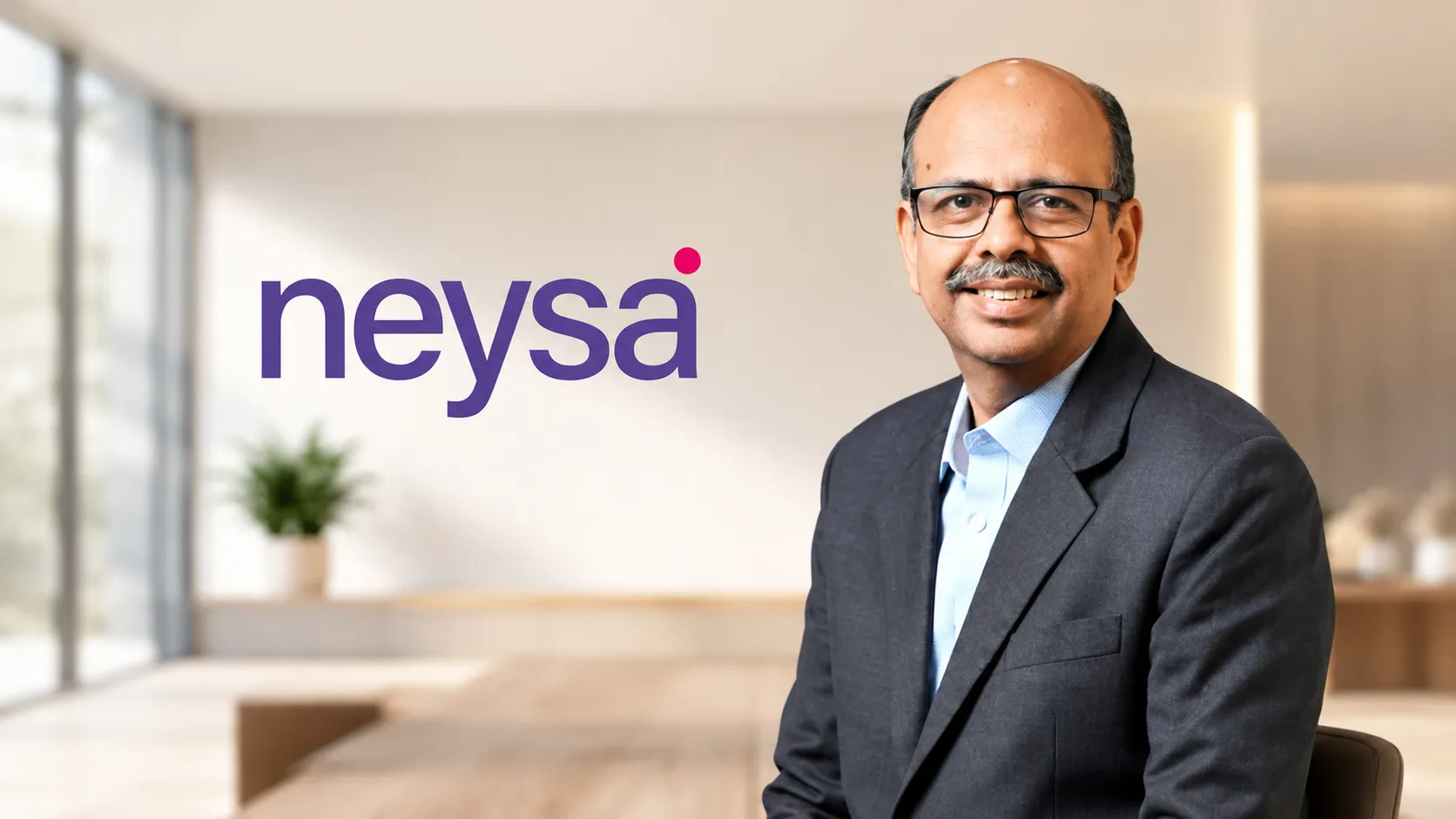
cloud platform Neysa became India’s second unicorn of 2026 after securing a $1.2 billion funding
Startups

cloud platform Neysa became India’s second unicorn of 2026 after securing a $1.2 billion funding

India had fewer than 60,000 GPUs deployed when Neysa raised $1.2 billion in February 2026. The country needs 2 million to realise its AI ambition — a 30x increase that requires sovereign infrastructure, not just hyperscaler access. Sharad Sanghi built Netmagic, sold it, and came back to build the compute layer India needs. Blackstone holds a majority stake.

India's Unicorn Class of 2026: Four New Billion-Dollar Babies and a Startup Ecosystem Coming of Age
Startups

India's Unicorn Class of 2026: Four New Billion-Dollar Babies and a Startup Ecosystem Coming of Age

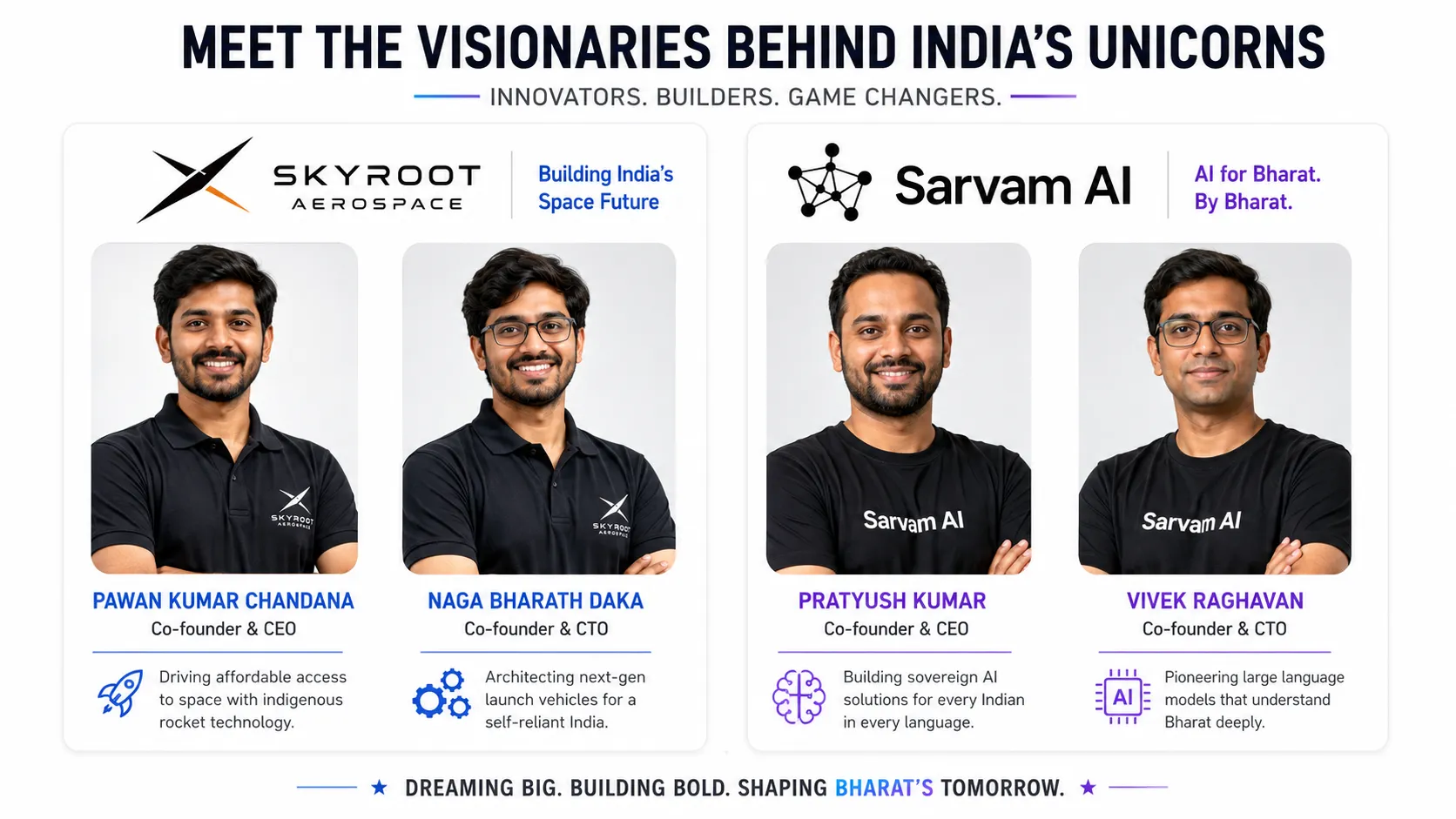
India has added four new unicorns in 2026 — Skyroot Aerospace (first space-tech unicorn, $1.1B), Sarvam AI ($1.5B), KreditBee, Neysa, and Juspay — taking the total to 131. The billion-dollar club is no longer an anomaly

The Unicorn That Never Raised a Rupee of Venture Capital: How Two Brothers Built a ₹5,000 Crore Profit Machine—and a ₹1,500 Crore Startup Fund That Asks for Nothing in Return
Startups

The Unicorn That Never Raised a Rupee of Venture Capital: How Two Brothers Built a ₹5,000 Crore Profit Machine—and a ₹1,500 Crore Startup Fund That Asks for Nothing in Return

Nithin Kamath was 17 years old when he lost everything. He had been trading stocks with money saved from odd jobs—a few thousand rupees, painstakingly accumulated—and in a single session, the market took it all. The loss was not a setback. It was an education. Most teenagers who blow their savings on the stock market either quit trading or spend years chasing their losses. Kamath did neither. He studied what went wrong. He learned about risk management, position sizing, and the psychological discipline that separates traders from gamblers. He rebuilt his capital, trade by trade, and by the time he was in his early twenties, he was managing money for other people. The boy who lost everything at 17 would eventually become the co-founder of Zerodha, India's largest stockbroker—a company that has never raised a rupee of venture capital, has been profitable since inception, and now generates annual revenue exceeding ₹8,500 crore with a profit approaching ₹5,000 crore.