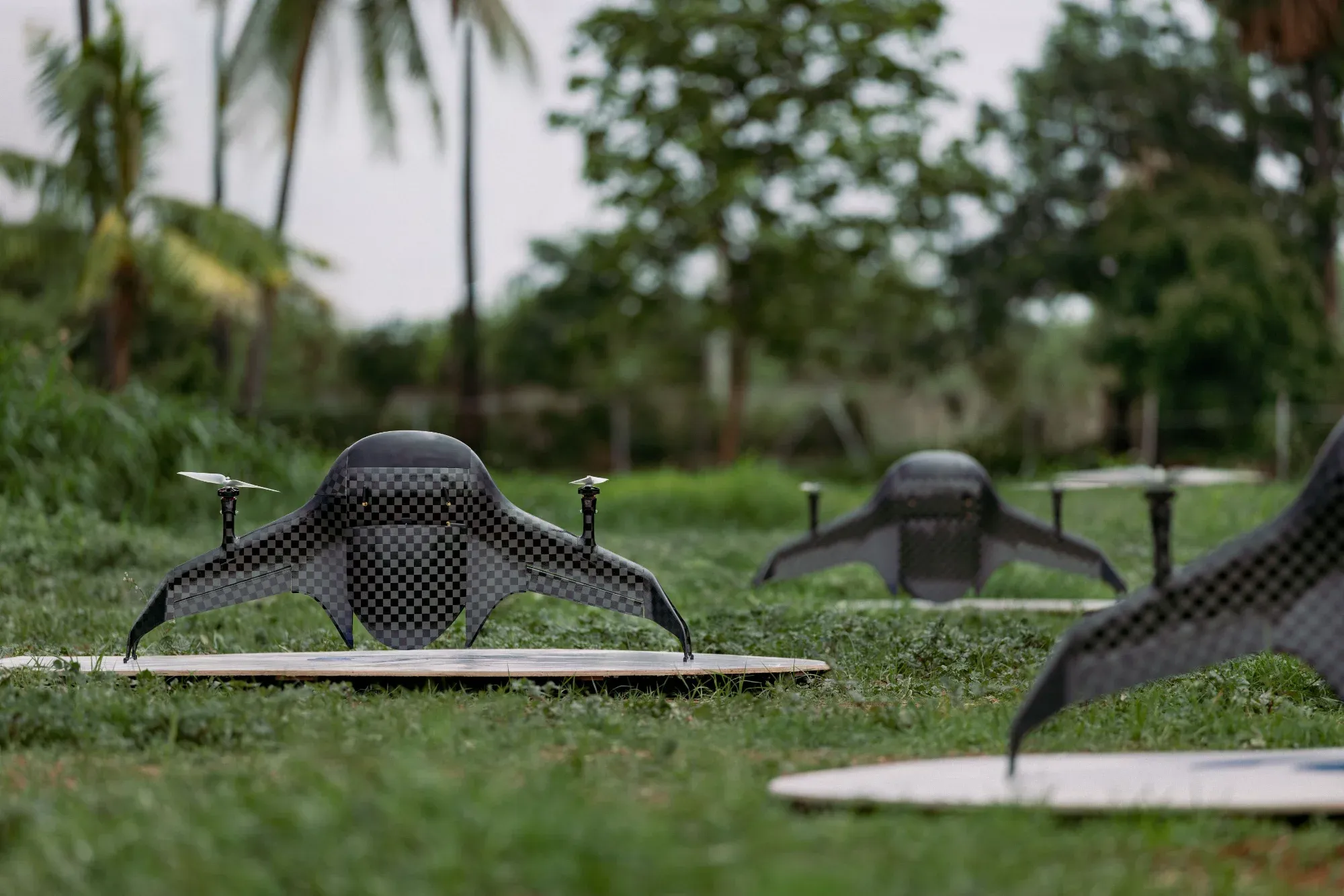
Airbound, the Bengaluru-headquartered autonomous cargo aircraft company, has raised $37 million in a Series A round led by Greenoaks, with participation from DoorDash, Lachy Groom, Lightspeed and Humba Ventures. The round, announced on August 25, 2026, marks one of the more closely watched aerial-logistics raises of the year and signals continuing investor appetite for hardware-heavy startups tackling last-mile and middle-mile delivery bottlenecks.
The size and investor composition of the round place Airbound among a small cohort of aerospace startups that have managed to attract both dedicated venture capital and strategic operating partners in the same financing event, a combination that has become increasingly common as logistics-focused technology companies look to pair capital with real-world deployment relationships.
The company builds autonomous fixed-wing aircraft designed to move cargo over short and medium distances without a human pilot on board, a category that has drawn growing interest as e-commerce and quick-commerce operators look for ways to bypass congested road networks. DoorDash's participation in the round is notable: the food-delivery giant has been experimenting with a range of last-mile technologies globally, and its presence alongside venture investors such as Greenoaks and Lightspeed suggests the strategic as well as financial value being placed on aerial cargo networks.
Autonomous fixed-wing designs differ meaningfully from the multirotor drones more commonly associated with delivery pilots elsewhere in the world; fixed-wing aircraft typically offer longer range and greater payload efficiency, at the cost of requiring more structured takeoff and landing infrastructure. That trade-off has shaped how companies in this category approach initial deployment, often prioritising defined point-to-point corridors -- such as inter-warehouse or inter-hub routes -- over the more distributed, doorstep-level delivery models associated with smaller consumer drones.
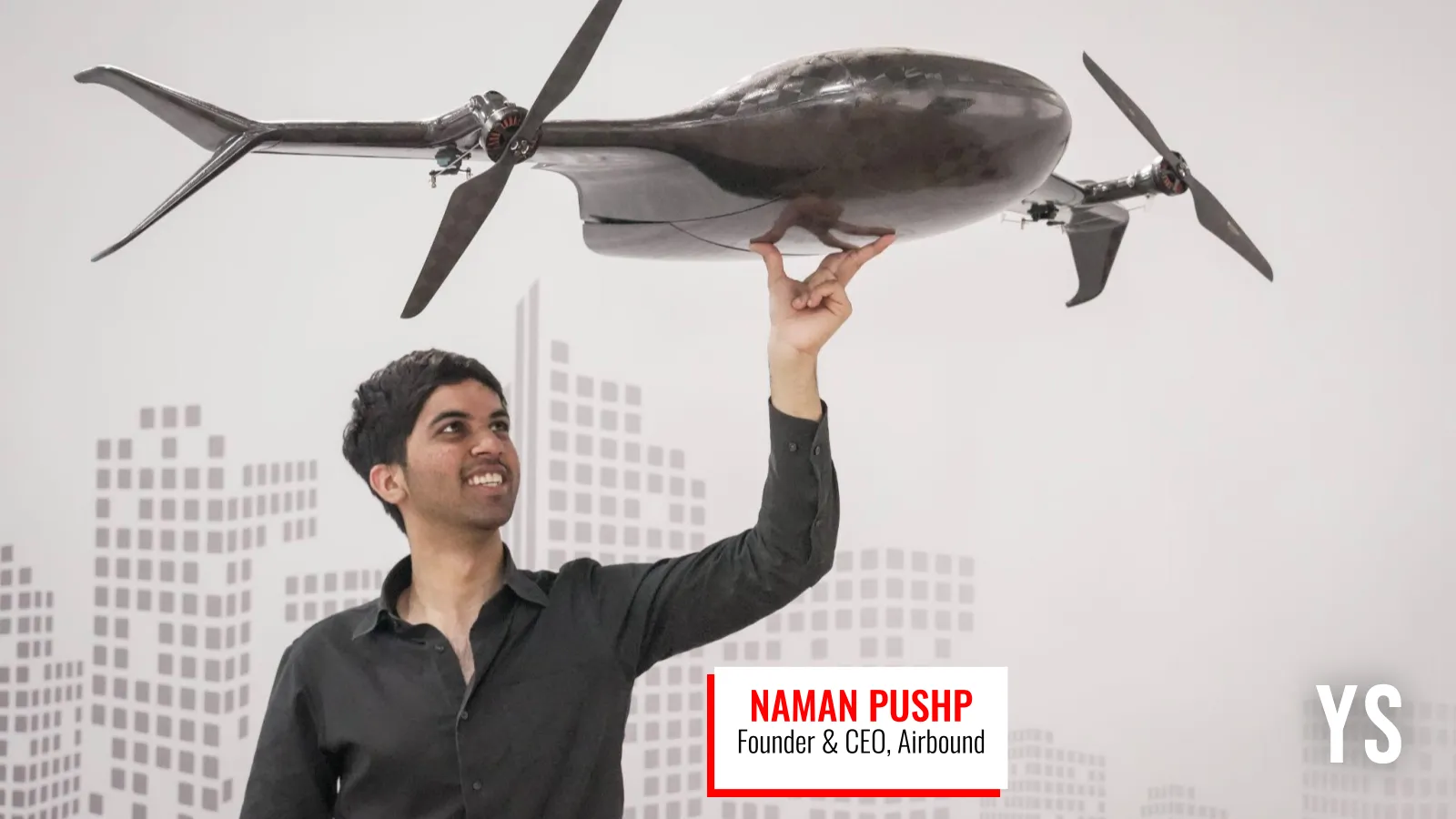
For India's broader aerospace and drone-technology ecosystem, the raise adds to a year in which capital has increasingly flowed toward companies building physical, regulated infrastructure rather than purely software-based products. Airbound's approach -- automating point-to-point cargo flights -- sits at the intersection of two trends investors have been chasing: the automation of logistics and the maturation of unmanned aviation regulation in markets including India, the United States and parts of Southeast Asia.
India's own regulatory framework for unmanned aircraft has evolved substantially over the past several years, with the Directorate General of Civil Aviation progressively expanding permitted use cases for drone and autonomous aircraft operators. That regulatory maturation has been cited by investors as a key enabling factor behind the recent wave of Indian aerospace and drone-logistics funding, alongside the broader global push to automate supply chains following pandemic-era disruptions that exposed the fragility of purely human-operated logistics networks.
With the new capital, Airbound is expected to expand its aircraft manufacturing capacity and deepen its operational footprint, though the company has not disclosed specific city or country expansion plans. The deal brings Airbound's total disclosed funding to nearly the mid-double-digit-million range, positioning it among a small but growing cohort of Indian-origin aerospace startups attracting global institutional capital rather than relying solely on domestic venture pools.
The company's next milestones are likely to be watched closely by both investors and prospective logistics partners: manufacturing scale-up, regulatory certification in additional jurisdictions, and the conversion of pilot programmes into recurring commercial contracts are typically the markers that separate well-funded aerospace startups from those that are able to build durable, revenue-generating operations at scale.