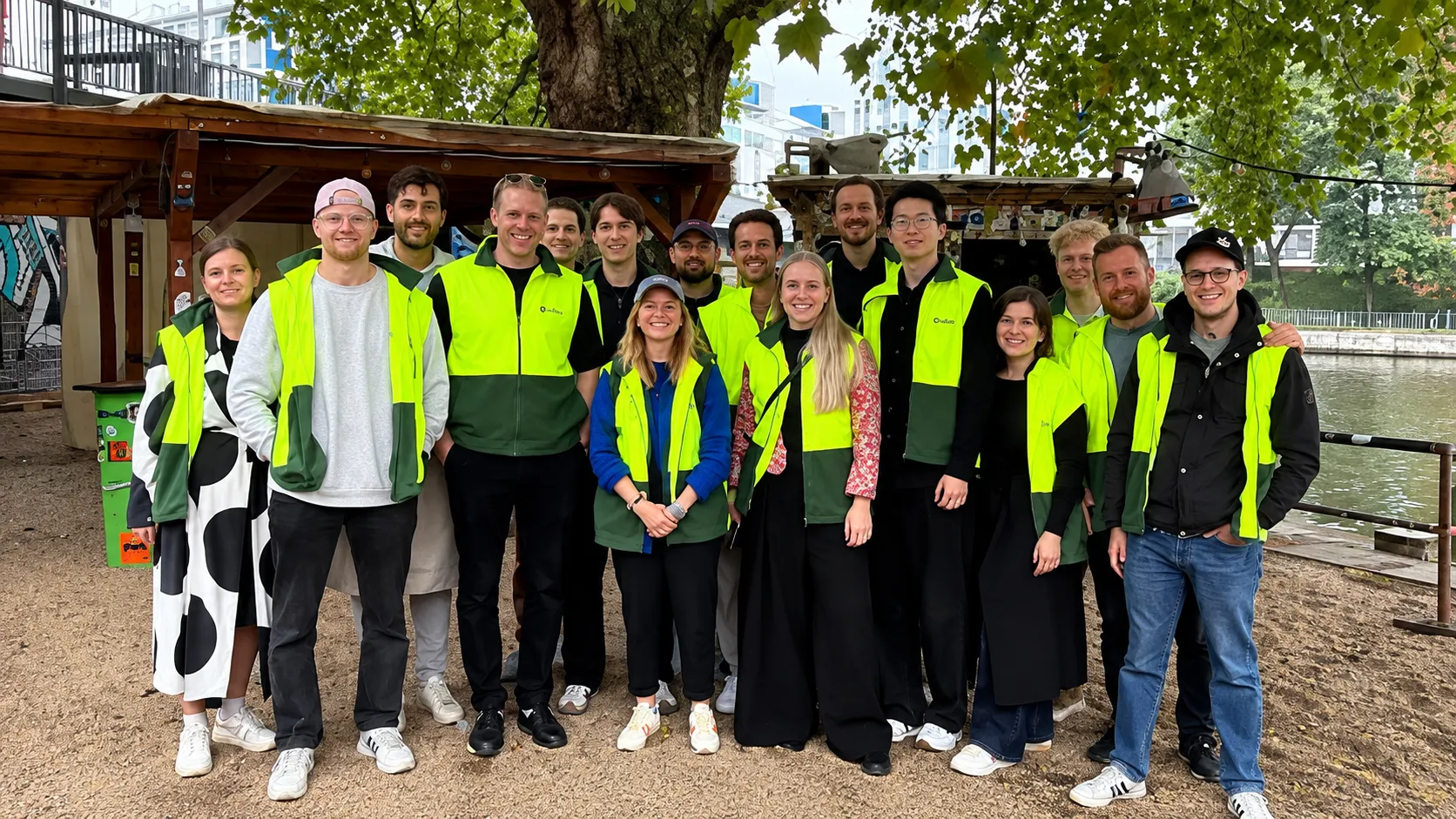
Ambio, a Helsinki-based startup that uses artificial intelligence to help manufacturers buy recycled plastics, has raised €5.1 million in a seed round led by b2venture, as Europe's circular economy ambitions run up against a stubborn problem: buyers often find recycled material too unpredictable to rely on.
New investor Montis and existing backer Lifeline Ventures also participated in the round, which was first reported by Tech Funding News. Ambio plans to use the money to expand internationally and increase the range of polymer types it handles.
The Problem on the Demand Side
Much of the venture capital flowing into plastics recycling has gone to the supply side: new plants and technologies to process waste into reusable material. Ambio is betting that the bigger bottleneck is on the demand side.
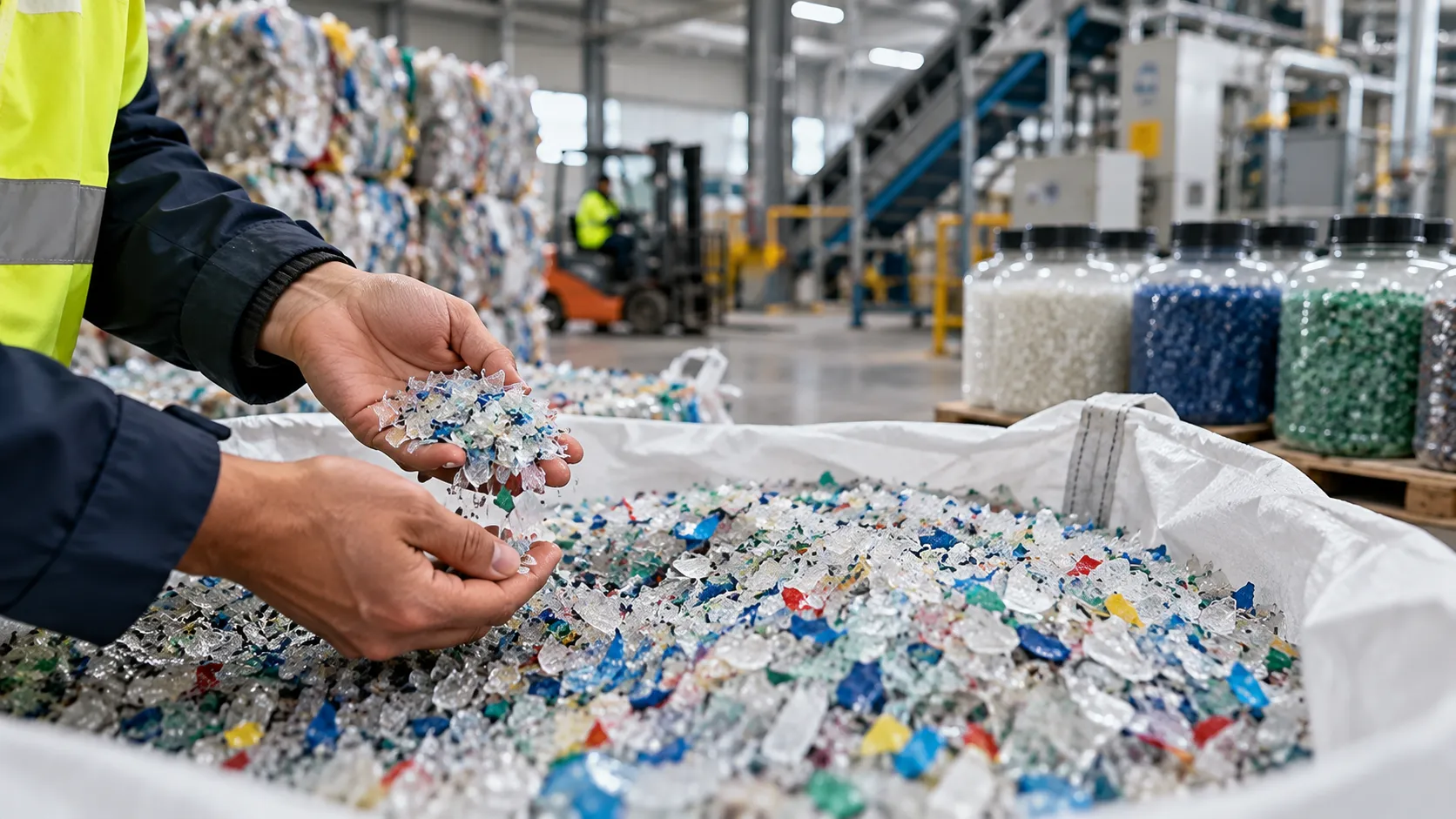
For a manufacturer, switching from virgin plastic made from oil to recycled plastic is not simply a matter of buying a different input. Recycled material, known as recyclate, can vary in quality from batch to batch depending on the waste it was made from and the processes used. Specifications may not match what is promised, documentation can be inconsistent, and finding reliable suppliers that can deliver the right grade in the right quantity on time is often difficult.
Those uncertainties push many buyers back towards virgin plastic, which is consistent, readily available and frequently cheaper.
How Ambio Works
Ambio describes its service as AI-native procurement for recycled plastics, covering everything from sourcing to long-term delivery. Crucially, it acts as a principal, buying and selling recycled plastic itself rather than simply connecting buyers and sellers.
Customers specify the polymer they need, along with technical specifications, quantity and delivery date. Ambio matches them with qualified suppliers and handles logistics.
Its supplier vetting process includes inspections of recycling processes, either in person or online; comparisons of technical data sheets against certificates of analysis from previous batches; and, where needed, third-party laboratory testing. Buyers can receive samples ranging from a few hundred grams up to 25 kilograms before committing to larger orders.
Mathias Ockenfels, a venture partner at b2venture, pointed to "a proprietary dataset on recyclate quality" and Ambio's principal model, which builds trust with both buyers and sellers, as key sources of competitive advantage. Over time, data on how different suppliers and batches perform could allow Ambio to predict quality more accurately and match buyers with the most reliable sources.
Acting as principal is a meaningful commitment for a seed-stage company. It means Ambio takes ownership of the material it sells, carrying working capital and quality risk that a pure marketplace avoids. But it also means the company stands behind every delivery, which can be decisive for industrial buyers who cannot afford a production line to stop because a batch failed to meet specification. In effect, Ambio is selling not just recycled plastic but certainty, and the value of that certainty rises with the cost of failure for the customer. The model also gives the company direct visibility into pricing and quality across many transactions, strengthening the dataset that investors see as its long-term advantage.
Founders From Slush and BCG
Ambio was founded in 2023 by Tommi Bergström, its chief executive, and Elmo Pakkanen, its chief operating officer. Neither came from the plastics industry. Bergström joined Slush, the Helsinki-based startup event organiser, in 2019 and later worked at Boston Consulting Group's Helsinki office from June 2021 to January 2023, focusing on materials, process industries, climate and sustainability.
Pakkanen also worked at Slush, where he researched business-to-business trading marketplaces. Bergström brought him into Slush's research and strategy team in 2019. By early 2022, the pair had decided to become founders, and the idea for Ambio took shape in late 2022.
Customers and Markets
Ambio has been working with customers, mostly in construction and packaging, for about three and a half years, according to Tech Funding News. It operates in the Nordic countries and Germany and began operating in France shortly before the funding announcement. The company aims to expand into more European markets next. It has not disclosed revenue or transaction volumes.
Bergström is clear about Ambio's biggest rival. "Our greatest competition is the status quo," he said, referring to manufacturers that continue to use virgin plastic. Existing plastics traders and distributors are also competitors. Cirplus, a rival online marketplace for recycled plastics, entered liquidation in March, underscoring how difficult the market can be.
A Recycling Industry Under Pressure
Ambio's raise comes at a difficult moment for Europe's plastics recyclers. Nearly one million tonnes of European recycling capacity was expected to be lost between 2023 and the end of 2025, out of total capacity of 13.2 million tonnes across about 850 plants, according to S&P Global figures cited by Tech Funding News. The closures have been driven by cheap imports, regulatory barriers and a price gap that has pushed buyers towards virgin plastic.
Regulation is expected to help. The European Union has adopted rules requiring minimum levels of recycled content in plastic packaging over the coming years, and Bergström expects new rules to create strong demand for recycled material of standardised, predictable quality. But he does not believe regulation alone will be enough to close the gap; buyers will still need reliable, cost-effective supply.
The global recycled plastics market was forecast in 2023 to grow from $69.4 billion that year to $120 billion by 2030, according to MarketsandMarkets, though that projection predates the recent wave of plant closures.
Why It Matters
Plastic pollution and the emissions associated with producing virgin plastic are among the most visible environmental challenges facing manufacturers worldwide. Increasing the use of recycled plastic reduces demand for fossil-fuel feedstocks, cuts emissions and gives economic value to waste that might otherwise be landfilled, incinerated or leaked into the environment.
Yet recycling only works economically if there is reliable demand for the output. By making recycled plastic easier and less risky to buy, Ambio aims to strengthen the economics of the entire recycling chain.
With €5.1 million in fresh capital, the company now has the resources to test whether its model can scale across Europe. If it succeeds, Ambio could become an important piece of infrastructure in the transition to a circular economy, helping recycled plastics compete with virgin material on reliability as well as sustainability.


