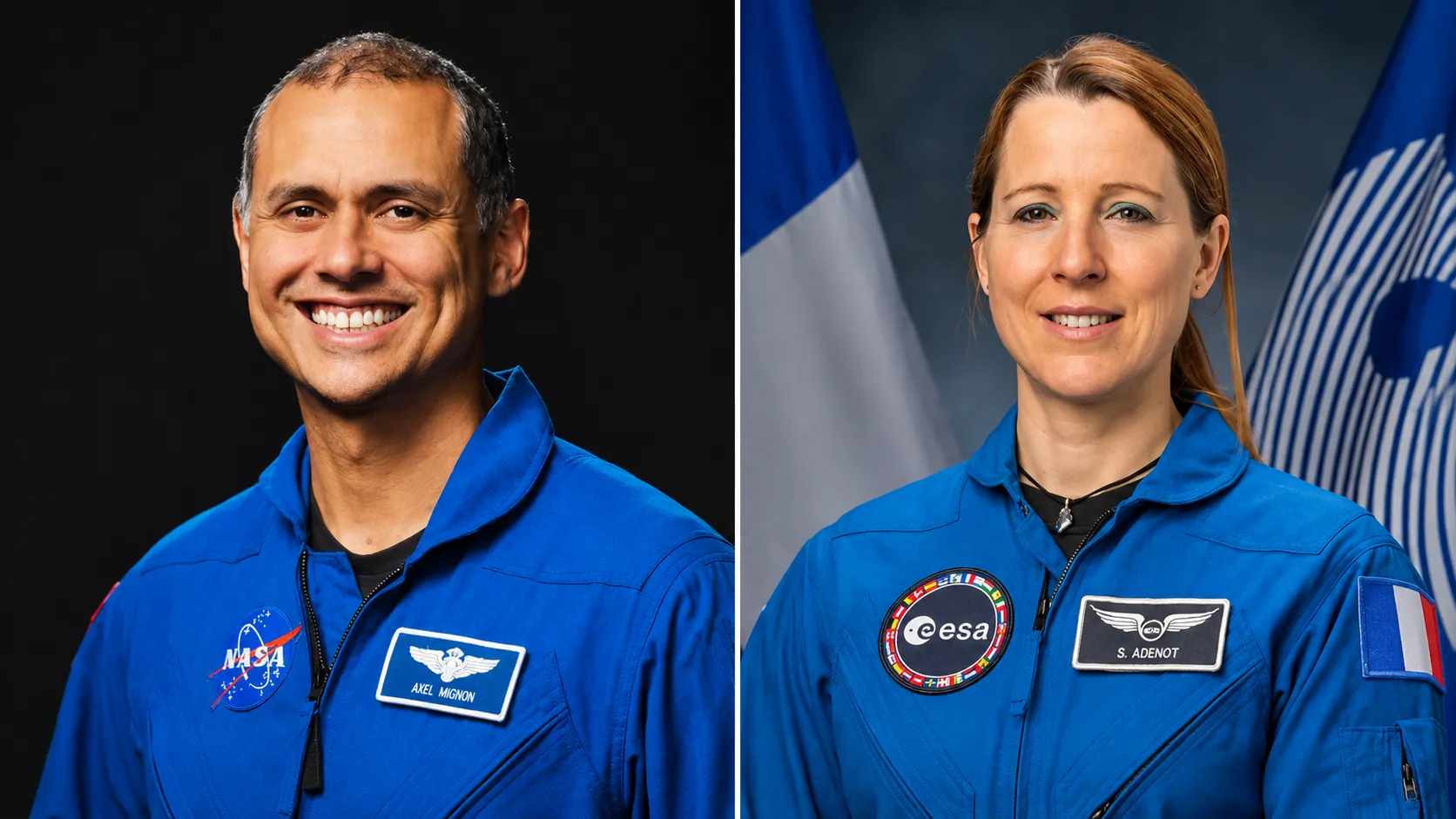
NASA astronaut Anil Menon, who traces his family roots to India, completed his second spacewalk in less than two weeks on August 18, 2026, working alongside European Space Agency astronaut Sophie Adenot to replace a critical communications antenna on the International Space Station. The roughly six-and-a-half-hour excursion, designated U.S. Spacewalk 97, began at 8:29 a.m. EDT from the station's Quest airlock and saw the pair remove a failed Space-to-Ground antenna from the Z1 truss before working to prepare a spare unit for installation.
The mission marks a rapid milestone for Menon, who conducted his first-ever spacewalk on August 6 alongside veteran astronaut Jessica Meir, preparing the station's power channel for a future roll-out solar array. Completing a second spacewalk barely twelve days after his first is an unusually swift cadence even by NASA's standards, reflecting both the operational demands currently facing the orbiting laboratory and the confidence NASA has placed in Menon following his debut excursion.
The antenna Menon and Adenot worked to replace provides a high-speed communications link between the space station and NASA's Mission Control Center in Houston, enabling the transmission of data, telemetry and voice communications critical to the station's day-to-day operations. According to NASA's mission updates, the astronauts needed more time than anticipated to disconnect electrical cabling and loosen bolts securing the ageing unit, which pushed back the installation of the replacement antenna to a future spacewalk. The station, NASA noted, continues to operate normally on its remaining functional antenna in the interim.
For Adenot, the spacewalk carried additional historic weight: it marked her first-ever extravehicular activity and made her the first French woman to conduct a spacewalk, a milestone that drew attention across European media even as coverage in India and the Indian American press focused on Menon's continued visibility as one of the small number of astronauts of Indian heritage to have flown to orbit.
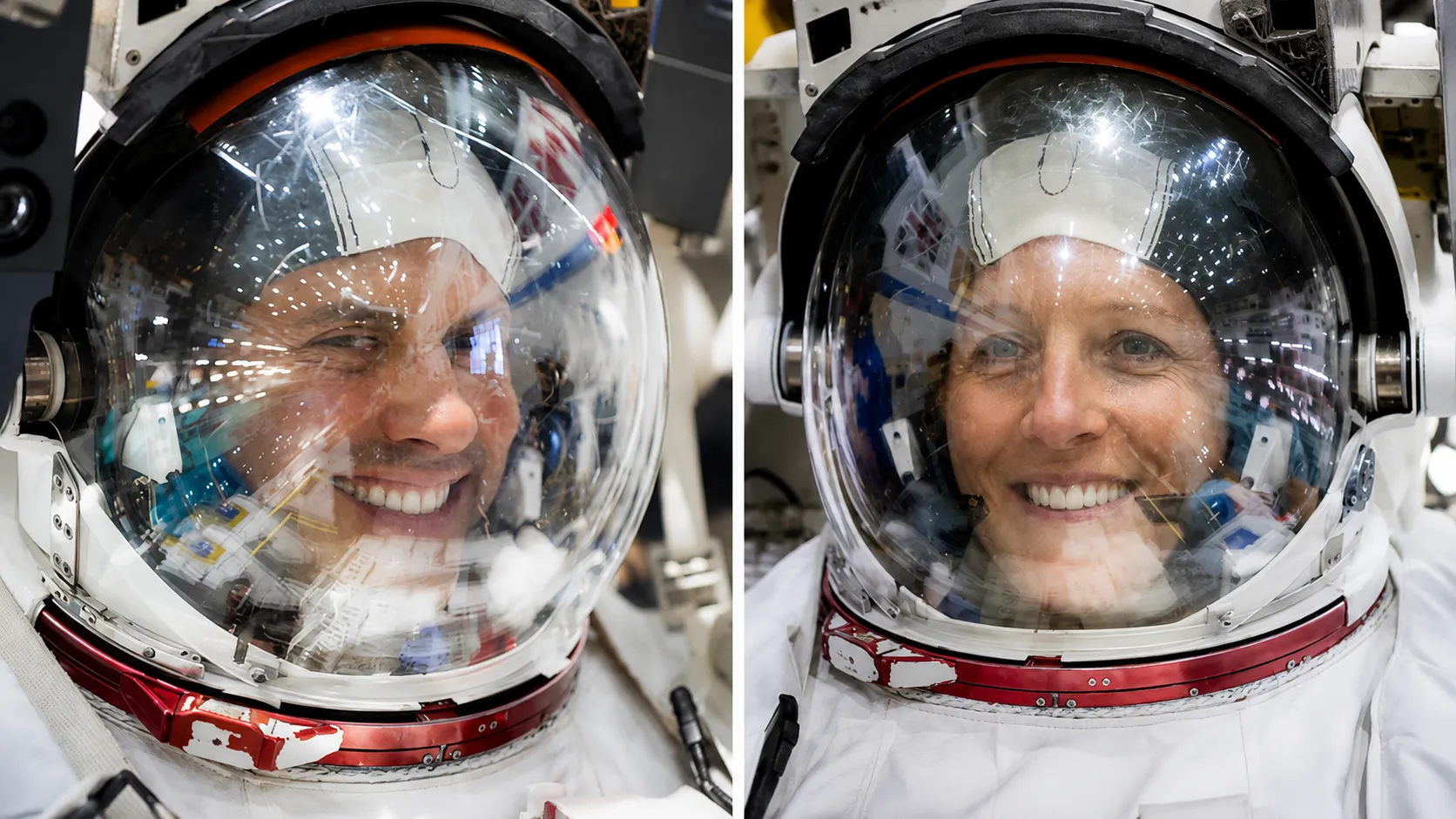
Menon's path to the space station has been unusually varied even by astronaut standards. Selected as part of NASA's 2021 astronaut candidate class and reporting for duty in January 2022, he graduated with the agency's 23rd astronaut class in 2024 before being assigned to his first long-duration mission as a flight engineer aboard Expedition 75. He launched to the station aboard the Roscosmos Soyuz MS-29 spacecraft, accompanied by cosmonauts Pyotr Dubrov and Anna Kikina, for what is expected to be an approximately eight-month stay in orbit.
Before joining NASA's astronaut corps, Menon built a career that spanned medicine, engineering and military service. He served as SpaceX's first flight surgeon, helping to establish the medical organisation that supported the company's Demo-2 mission — the first crewed launch of American astronauts from U.S. soil in nearly a decade — and later served NASA as a crew flight surgeon for multiple space station expeditions. A practising emergency medicine physician with fellowship training in wilderness and aerospace medicine, Menon has also served as a first responder during major disasters, including the 2010 Haiti earthquake and the 2015 Nepal earthquake, alongside his service as a mechanical engineer and lieutenant colonel in the U.S. Air Force, supporting the 45th Space Wing as a flight surgeon.
For the Indian diaspora in the United States, Menon's mission has become a point of consistent pride and visibility through 2026, adding to a small but growing roster of Indian-origin astronauts who have flown for NASA. His combination of medical, engineering and military credentials — alongside his willingness to speak about his heritage in interviews with Indian-American media — has made him a recurring reference point in diaspora coverage of STEM achievement.
NASA has not yet announced a date for the follow-up spacewalk required to complete the antenna installation, though agency updates indicate the work remains a station priority given the antenna's role in maintaining high-speed communications with Mission Control. Menon is expected to continue conducting scientific investigations and technology demonstrations aboard the station for the remainder of Expedition 75.


